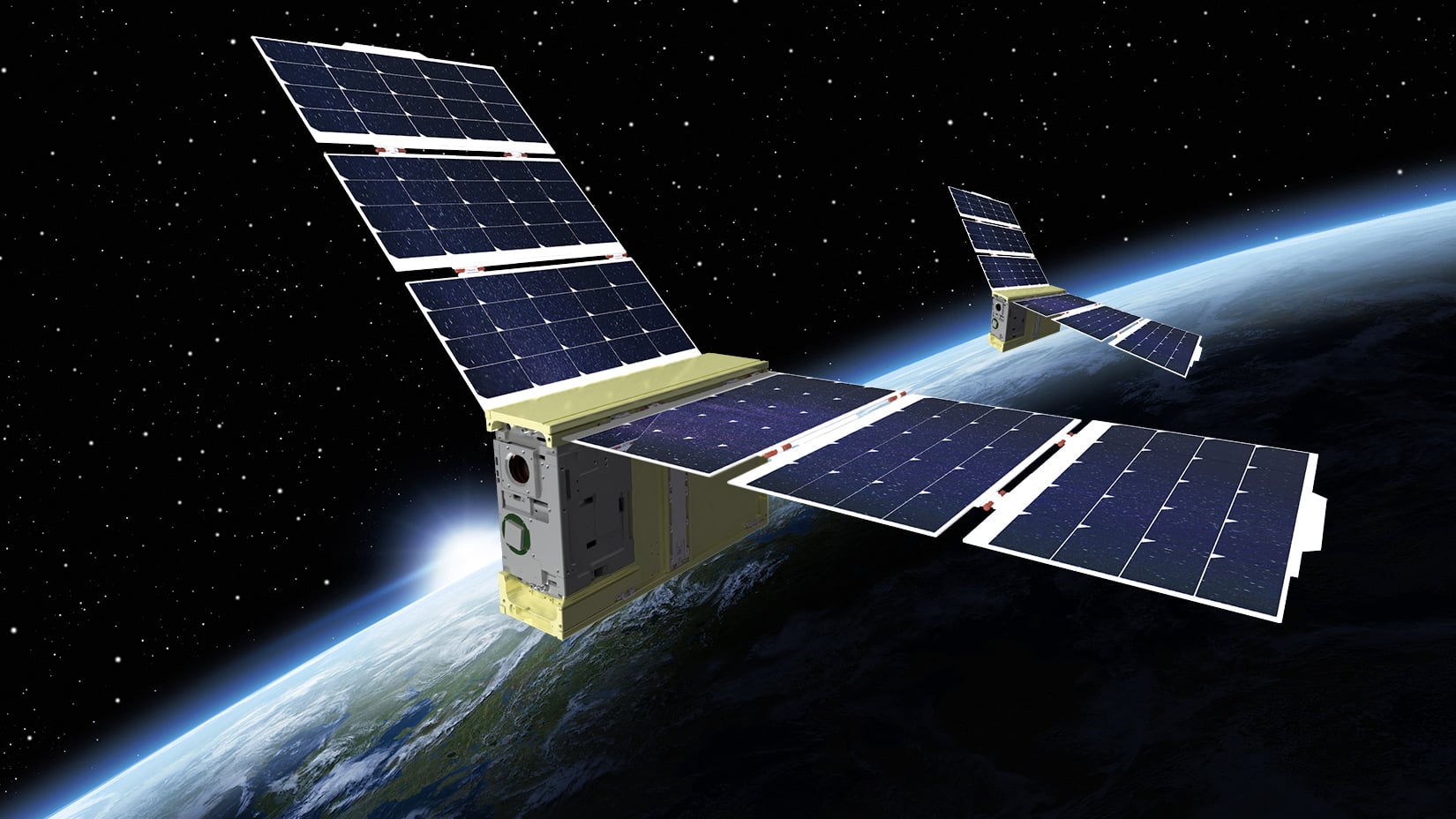
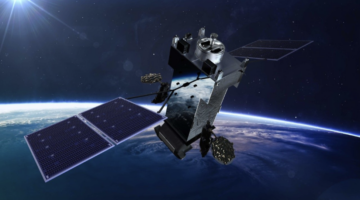
One of the questions the Army’s ISR Task Force is grappling with regard to sensing is how best to “leverage the vast proliferation of commercial satellite providers,” said task force director Andrew Evans.
By Theresa Hitchens
Typhon, also called the Mid-Range Capability, is designed to hit targets between the ranges of two other high-profile Army weapons.
By Justin Katz
“So we’re confident we get past 499 and probably further if we hadn’t lost telemetry,” Gen. Mike Murray said at Project Convergence.
By Andrew Eversden
The European Theater Fires Command was deactivated in 1991 after the signing of the INF. Now the Army views is as critical to long-range fires in multi-domain operations.
By Andrew Eversden
“Penetrating and disintegrating A2/AD is the fundamental problem of all-domain operations. It’s the hardest problem we’ve got,” said Brig. Gen. John Rafferty.
By Andrew Eversden
“It’s fair to say we are looking at everything,” said Christine Wormuth, the secretary of the Army.
By Andrew Eversden
The delivery is a significant milestone for the Army’s Long Range Precision Fires modernization effort.
By Andrew Eversden
“We do not intend to fly satellites in the Army,” said Rick De Fatta, director of the Army’s Space and Missile Defense Center of Excellence.
By Theresa Hitchens
The Army’s ERAMS program will soon announce development contracts for howitzer shells capable of firing over 100 km (62 miles) to counter Russian and Chinese artillery.
By Sydney J. Freedberg Jr.
The nominee for Army Secretary also aims to end “friction” between civilian acquisition officials and Army Futures Command, she told the Senate Armed Services Committee.
By Sydney J. Freedberg Jr.
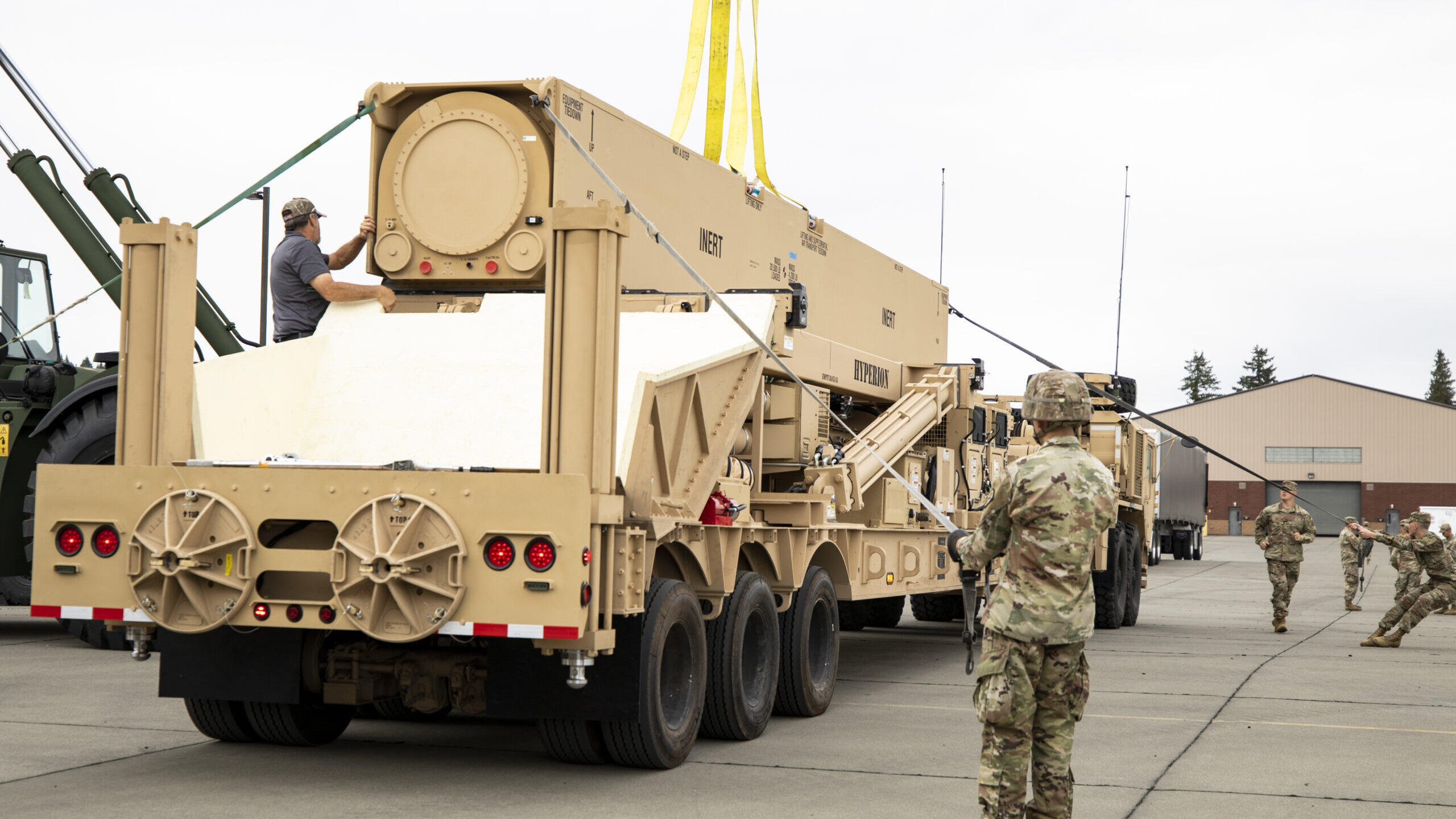
The Long-Range Hypersonic Weapon can fly over 2,775 km, an Army official told Breaking Defense. That figure probably applies to the Navy’s CPS version as well.
By Sydney J. Freedberg Jr.
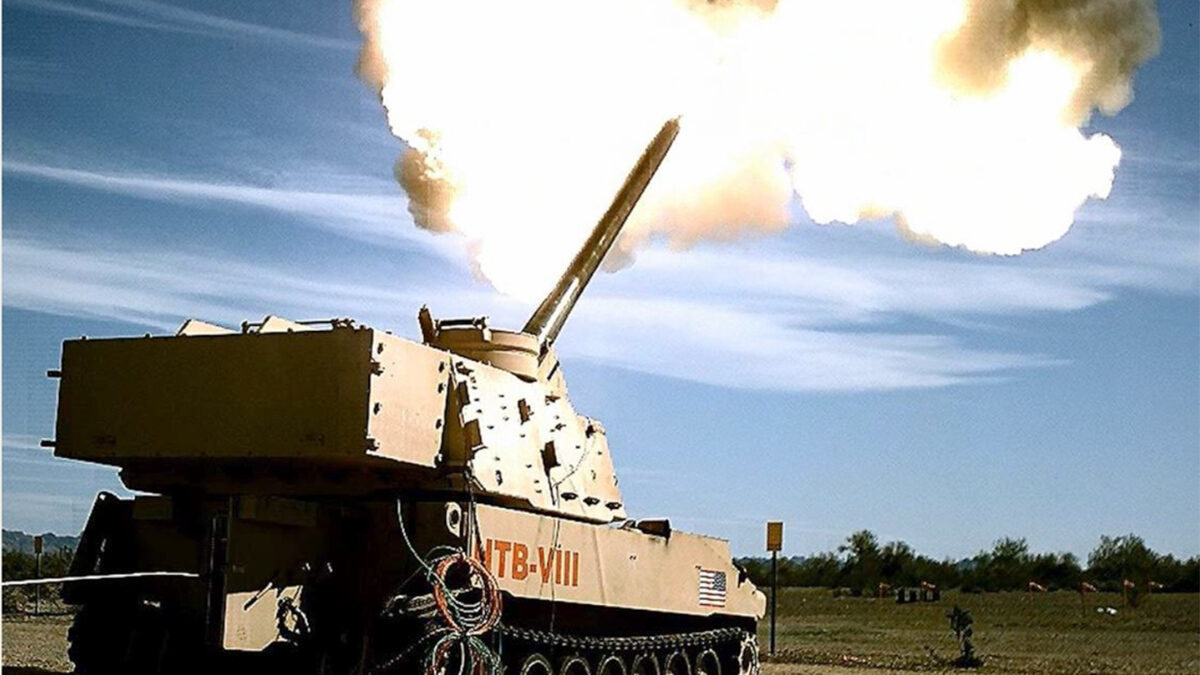
The Army will create new field artillery battalions in its heavy divisions, armed with the new Extended Range Cannon Artillery (ERCA) armored howitzer. It’s part of a plan to add new Long-Range Precision Fire weapons at every level of command.
By Sydney J. Freedberg Jr.
Carnegie Endowment for International Peace’s Ankit Panda writes in this op-ed that the proliferation of long-range missiles in the Indo-Pacific may seem like a strategic advantage for different nations, but collectively increases the danger level.
By Ankit Panda