
HASC Grills MDA Chief On ’21 Budget, Space-Based Sensors
"I like Dr. Griffin, but he should have come back to us and talked to us before he made that decision," complained Rep. Mike Rogers about funds for space-base sensors shifting to SDA.
"I like Dr. Griffin, but he should have come back to us and talked to us before he made that decision," complained Rep. Mike Rogers about funds for space-base sensors shifting to SDA.

Getting problem-plagued ballistic missile defense site online is an ever-higher-priority for the Pentagon as Iran and Russia move out on new missiles.

Breaking Defense Europe will launch May 4 with Tim Martin and Elisabeth Gosselin-Malo as co-editors.

The Space & Missile Systems Center’s Space Enterprise Consortium has been so successful at providing competitive prototypes, fast, that SMC wants to expand its scope dramatically.

The RFI explains that SDA is looking to potential contractors to supply "concepts for rapid prototyping, risk-reduction efforts that could be demonstrated in less than 18 months" that link to its proposed architecture.
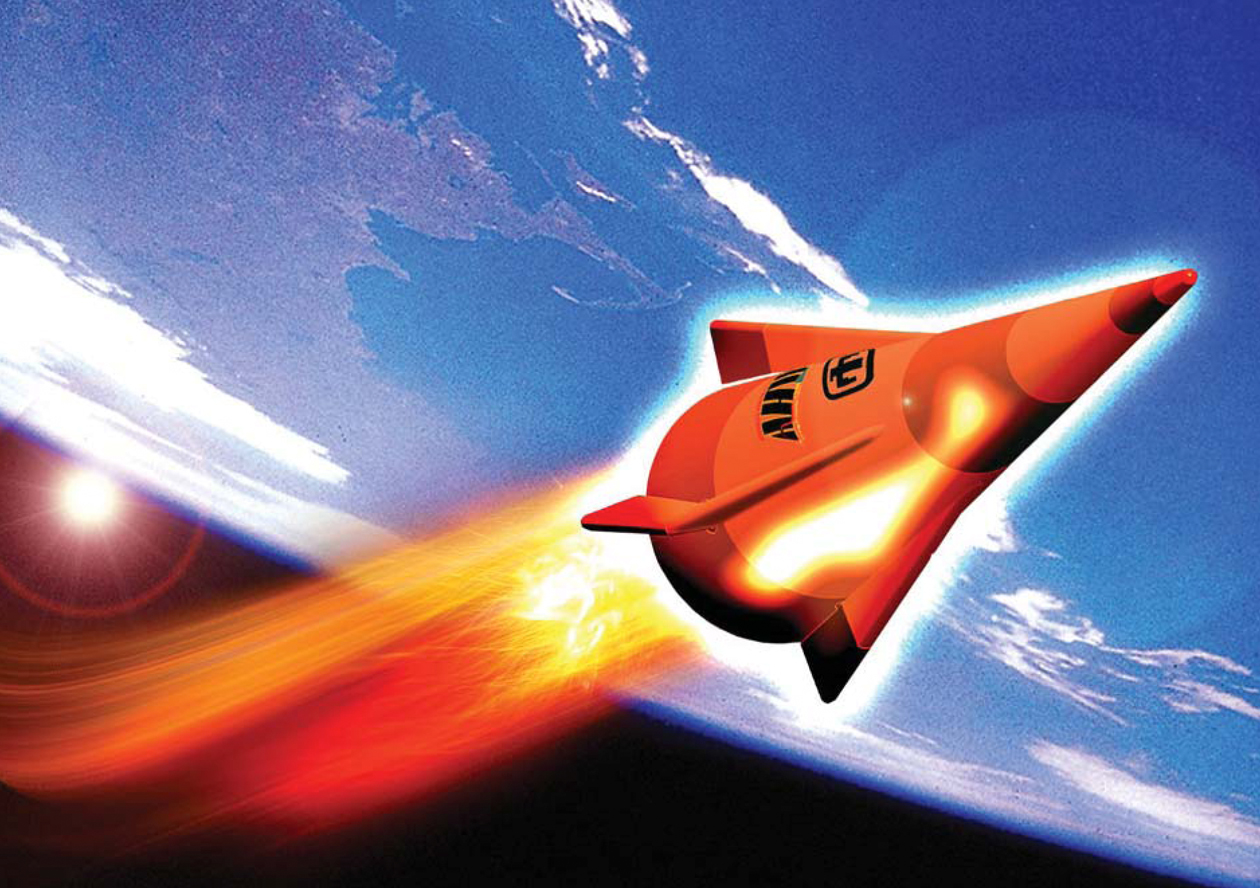
Let a hundred hypersonic flowers bloom, Pentagon officials say, instead of a single cumbersome mega-program.

What happens when the Pentagon's new ballistic missile defeat program doesn't work? They keep using the old one, which has a spotty track record.

Government can’t stop to update systems, so modernization has to happen without interruptions.

The Pentagon has almost completed a study of how to shoot down hypersonic missiles. It's also developing new offensive weapons -- conventional, not nuclear -- whose deployment will become legal with the end of the INF Treaty.

By 2021, plans call for Japan to have eight Aegis destroyers, four of them capable of launching the SM-3 Block IIA missiles, whose second successful test in a row comes as a vindication after two previous failures.
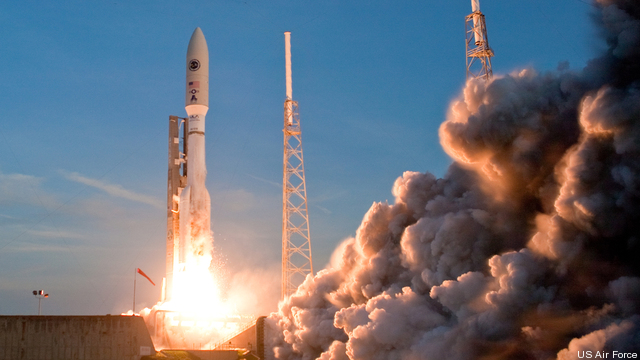
While standing up a new Space Force would likely run between $11 billion and $21 billion per year, the vast majority of that money -- 96 percent -- is already being spent by the Pentagon to run space operations, according to an analysis released Monday by budget expert Todd Harrison at the Center for Strategic and International Studies.

The Japanese government is spending billions on sea and ground-based missile defenses, but all the talk in the Pentagon is on space, as the U.S. scrambles to meet new hypersonic threats from China and Russia.

Do more with less: streamline workflows, reduce duplication, invest upfront to save long-term.
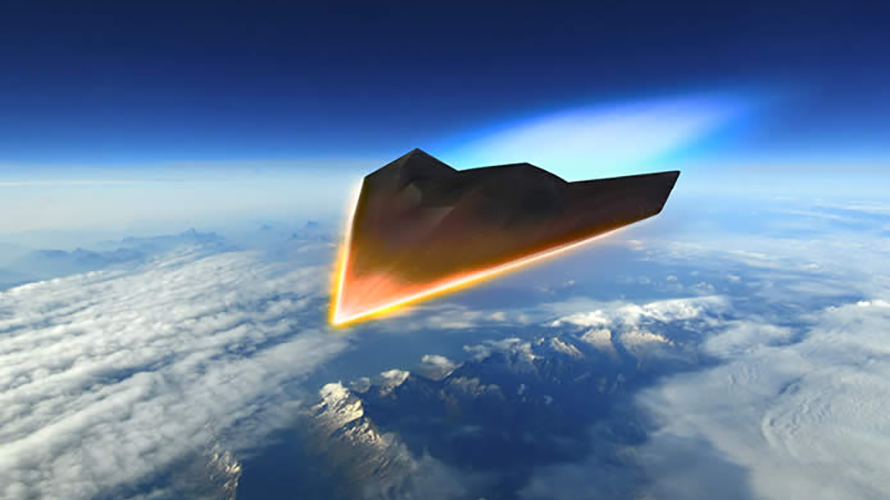
“All of the fundamental research in hypersonic aerodynamics is United States (work)," said Pentagon R&D chief Mike Griffin. "We did not choose to weaponize the results of that research. Our adversaries have chosen to weaponize it. That’s the challenge. We will respond."
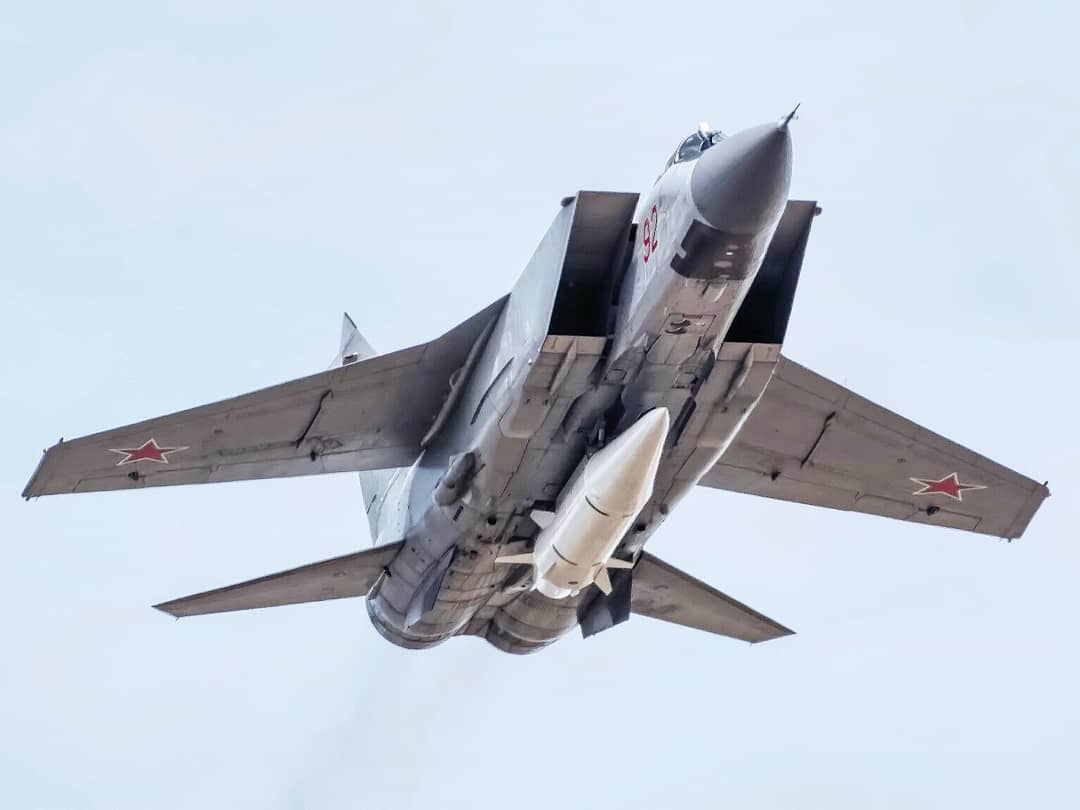
Russian President Vladimir Putin is promoting what he says are unbeatable hypersonic weapons, and Capitol Hill is listening closely. The result is hundreds of millions in new funding lines.

Pentagon planners aren't only worried about North Korean ICBMs, but Chinese hypersonics and medium-range missiles. That means, according to analysts, that an array of distributed systems are needed to meet a wide range of potential threats.
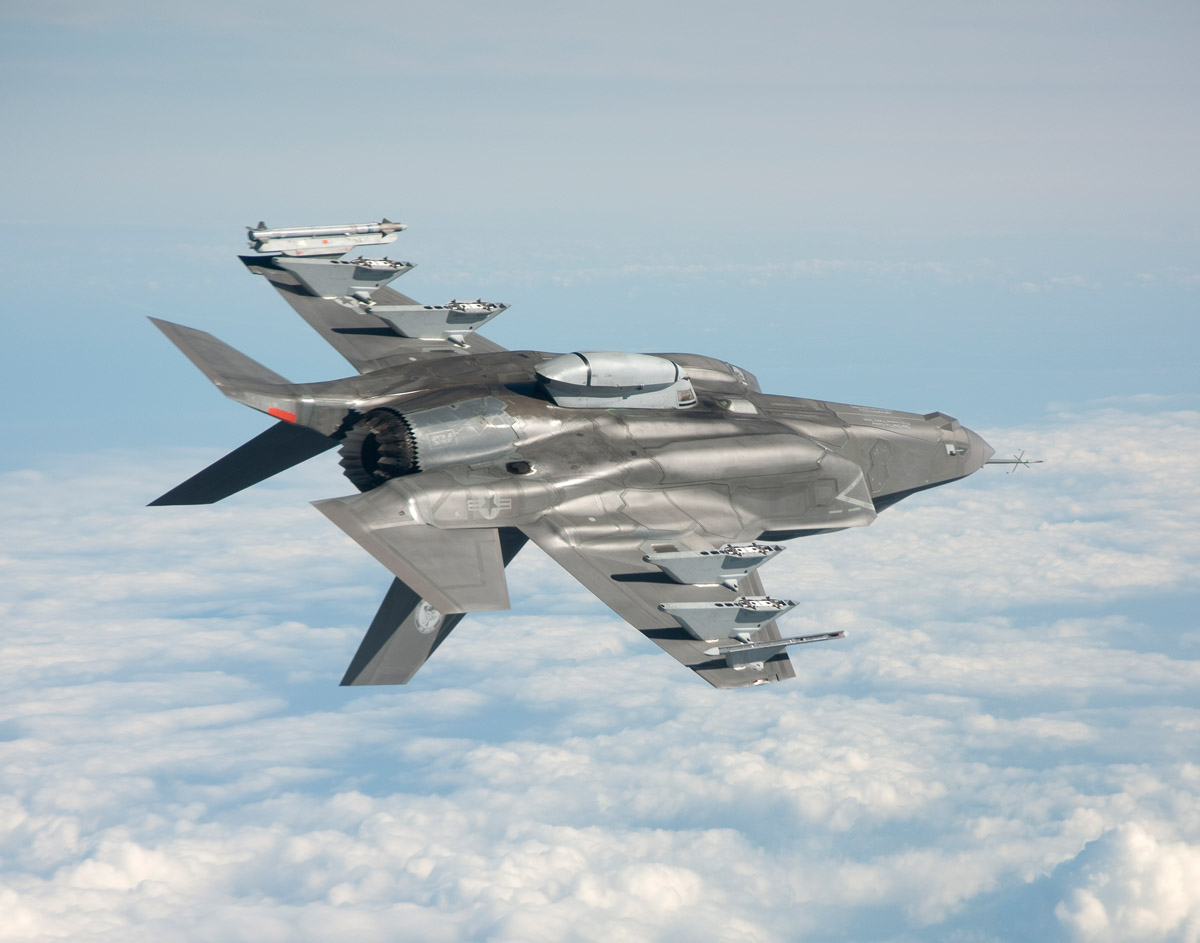
"I'd say six to seven years to essentially work out the Concept of Operations (and) develop the capabilities," Lt. Gen. Samuel Greaves told the Senate.