
Discover what industry experts are saying about military satellites today
Check out our latest eBook collection to learn how US Space Force aims to expand.
Check out our latest eBook collection to learn how US Space Force aims to expand.

Brig. Gen. Jason Cothern, Space Systems Command deputy commander, said that the new deltas will be organized along the same lines as SSC's current Acquisition Deltas.

The "baseline" MEO missile warning/tracking configuration providing global coverage will include "approximately 27 satellites," said SSC program lead Col. Heather Bogstie.

Brig. Gen. Jason Cothern, Space Systems Command deputy, said the service is looking "to incorporate capability-based contracts to include emerging p-LEO services, commercial X-band, space-to-cellular and small maneuverable GEO satellites, trying to stay ahead of the threat and also taking advantage of the commercial capabilities as they arise."

"Here's the beauty of the spiral development program. I don't know what Tranche 3 looks like. All I know is it's more of what was on Tranche 2, and it is most likely going to be new capabilities," SDA Director Derek Tournear said Thursday. "I don't want to define what those capabilities are now."
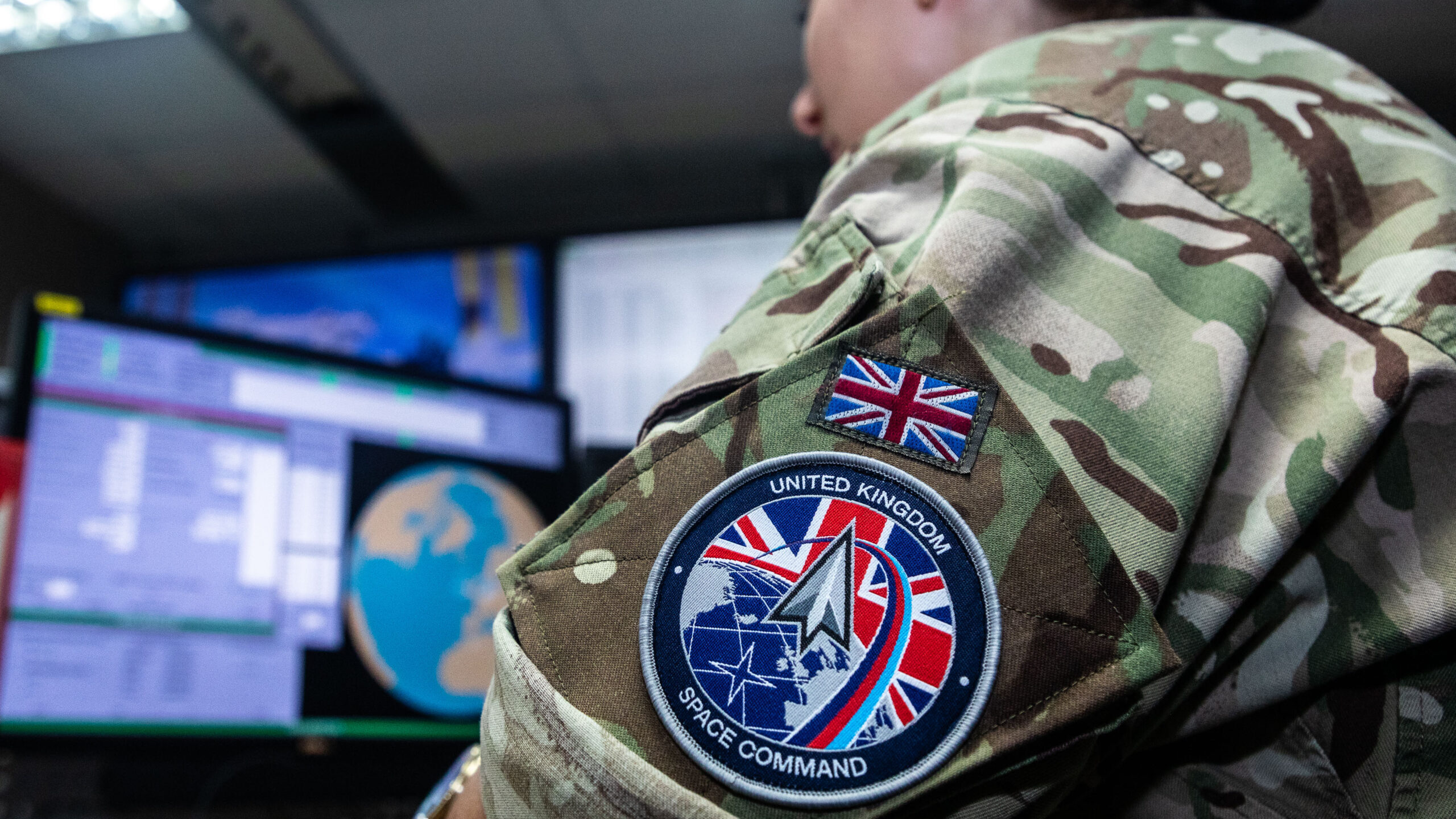
SSC Director of International Affairs Deanna Ryals told Breaking Defense that the primary goal of the first-ever "international reverse industry days" meeting is survey the landscape of needed allied space capabilities, and figure out where countries can help fill each other's gaps.
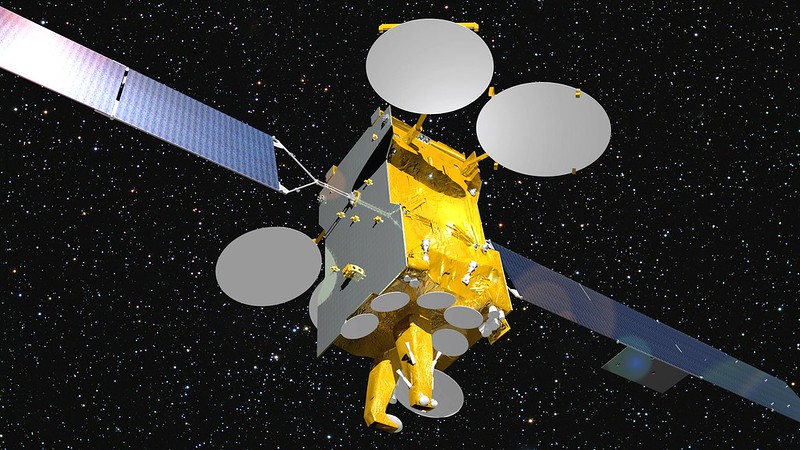
While the new Russian satellite didn't get super close to any others, its behavior "could be considered unfriendly," said Slingshot's Audrey Schaffer, who until recently served as the director of space policy at the National Security Council.