
Army Wants Hypersonic Missile Unit by 2023: Lt. Gen. Thurgood
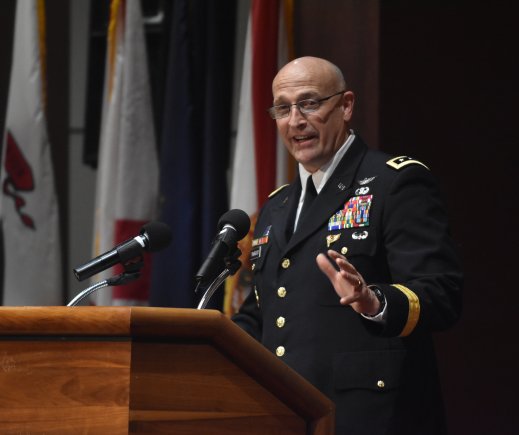
The battery of eight missiles, while primarily meant to test out tactics, will be capable of combat. So will a prototype battery of lasers entering service in 2021.
The battery of eight missiles, while primarily meant to test out tactics, will be capable of combat. So will a prototype battery of lasers entering service in 2021.

TEL AVIV: The Syrian civil war may seem to be winding down, but Israel is increasingly anxious after Russia’s surprise announcement it will give Syria full control of sophisticated S-300 air defense systems that could threaten Israeli aircraft. That’s not just a theoretical concern, because Israel has been hitting targets linked to Iran and its […]

Cyber resilience has become a frontline mission for the US military. Breaking Defense’s new eBook rounds up key reporting from the 2025 Alamo ACE conference with the latest developments in cyber offense and defense.

The US could develop more than a dozen different land-based weapons for $7 to $12 billion, thinktank CSBA estimates.
"You want to kill a swarm of things — whatever that thing is — lasers are not really a swarm-killing tool. They can kill things fast, but they can’t kill a swarm of things fast enough.”
Can a new kind of contract get key cutting-edge technologies across the bureaucratic “valley of death” before the Russians and Chinese lap the US?


WASHINGTON: As the Navy continues to look for ways to reach out and touch -- or preferably deter -- potential adversaries at greater range, it is turning to the latest version of a decades-old weapon to do it.


Reducing cognitive overload on warfighters while improving “time to trust” for autonomous systems is a matter of design.
While Congress wrestles with CH-47 cuts, Army leaders are already looking ahead to hard decisions on high tech.
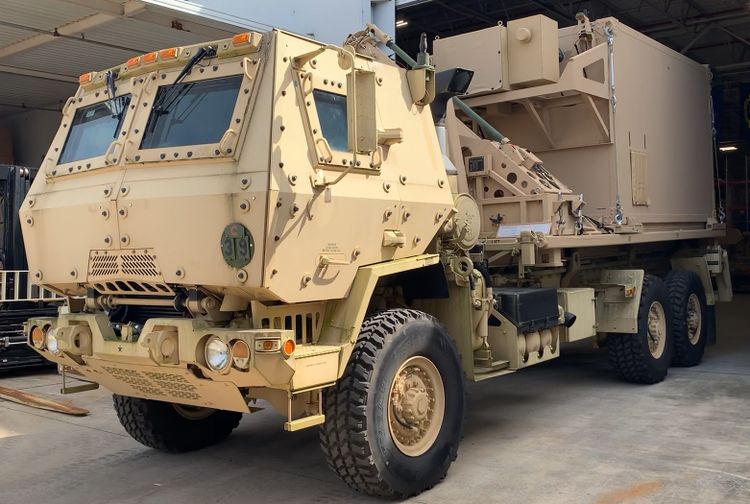
After years of tests, setbacks, and painstaking fixes, the Army has its first fire-control center for a radically new kind of missile defense.

"I think the most important bits are ... about the recent Russian RPOs likely being an SSA/intelligence program and possibly supporting the new Burevestnik co-orbital program," said Brian Weeden, technical advisor to the Secure World Foundation.
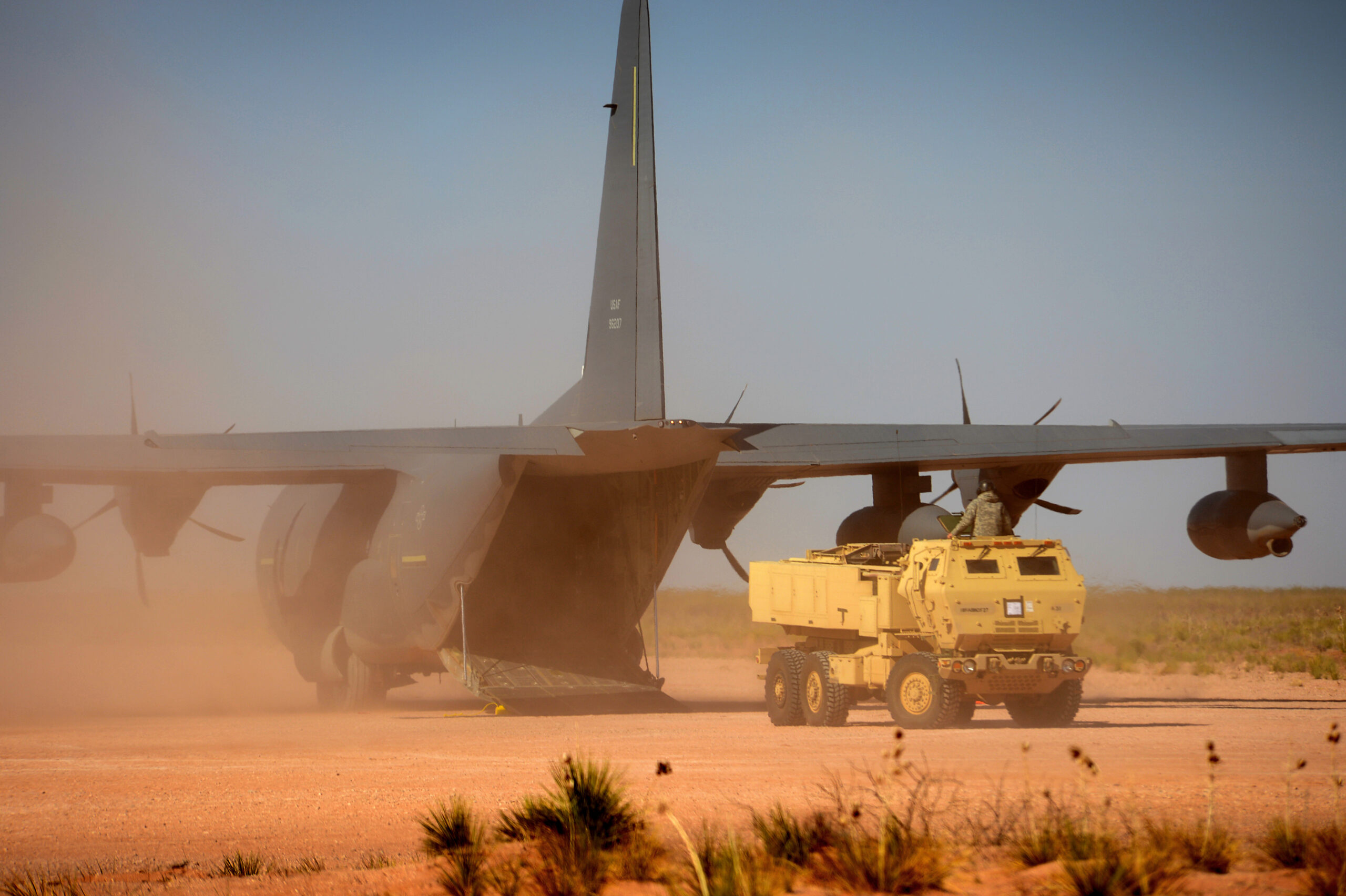
But modernizing the Army will take decades and tough decisions about everything from online propaganda to the National Guard.

Onshoring and investment in military-specific semiconductors anchor a cornerstone of the defense industrial base.
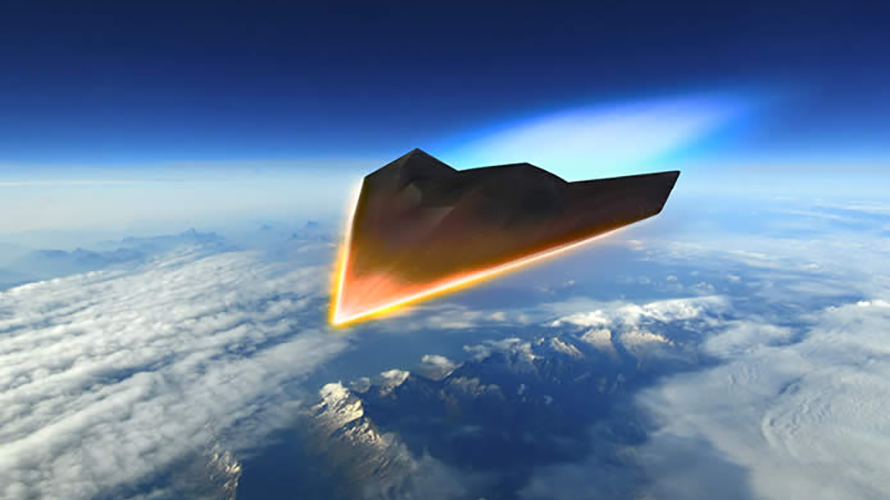
To take out Russian and Chinese targets from a thousand miles away, the US Army wants two very different weapons: a hypersonic missile and a giant cannon.

All told, the Army's investing $57 billion in modernization over five years -- but it wants to take time to test new technologies before it commits to them.
Let a hundred hypersonic flowers bloom, Pentagon officials say, instead of a single cumbersome mega-program.

What happens when the Pentagon's new ballistic missile defeat program doesn't work? They keep using the old one, which has a spotty track record.