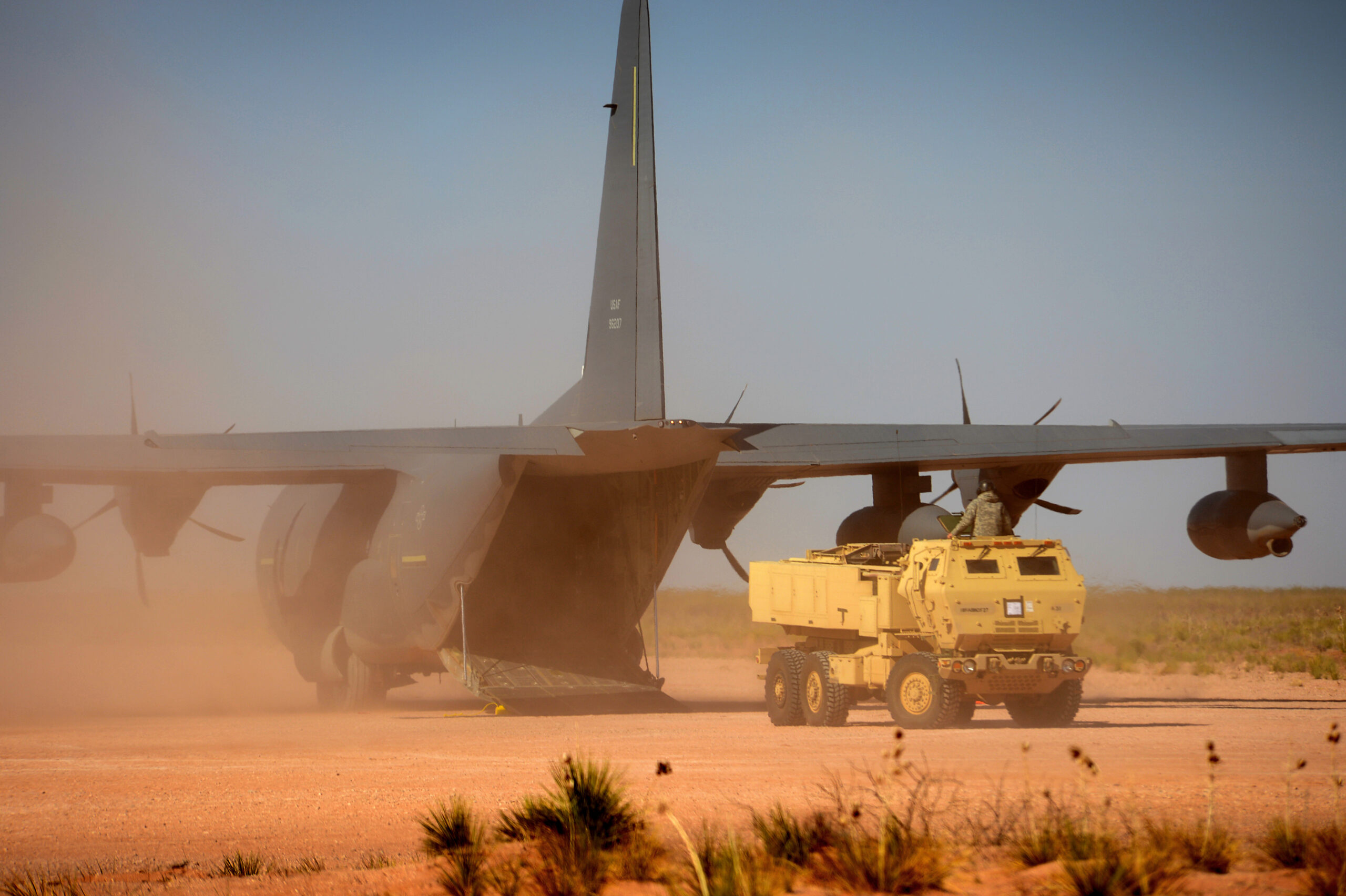
Army’s Multi-Domain Unit ‘A Game-Changer’ In Future War
But modernizing the Army will take decades and tough decisions about everything from online propaganda to the National Guard.
But modernizing the Army will take decades and tough decisions about everything from online propaganda to the National Guard.
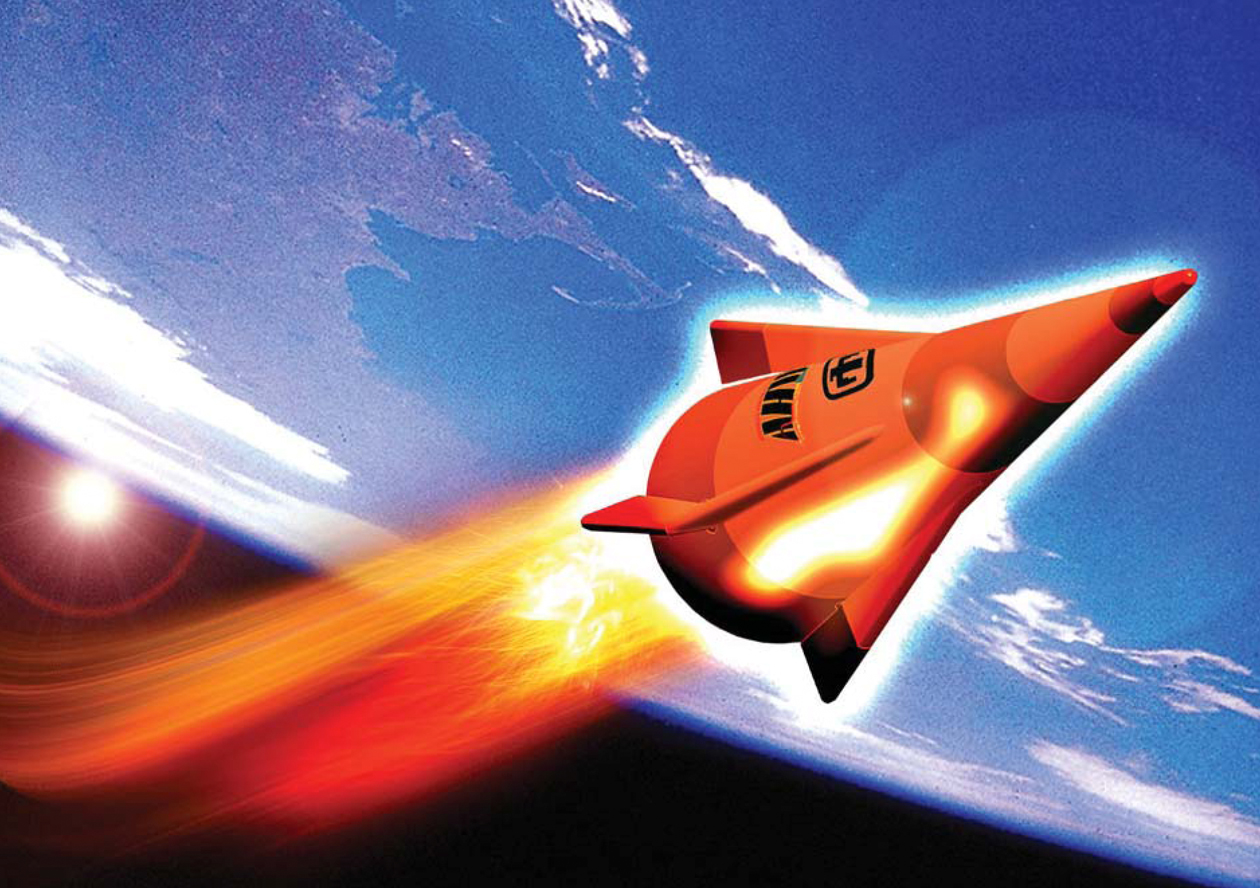
To take out Russian and Chinese targets from a thousand miles away, the US Army wants two very different weapons: a hypersonic missile and a giant cannon.

As threats evolve, the winning model ties digital engineering to manufacturing capacity and a reindustrialized supply chain.

For all the talk of major changes, the Pentagon is pouring money into some pretty traditional priorities.

“The SOF guys are less risk averse than conventional ground forces, so they’re more apt to push the limit,” said Bob Work, father of the AI-driven Third Offset Strategy. “Their commanders also have embraced AI and autonomous ops.... so I think all the conditions are set for SOF to lead the way in the more direct combat applications of AI and autonomy.”

“We need to have any sensor connect to any shooter at very rapid machine-to-machine speed,” Air Force Secretary Heather Wilson said, “if we’re going to multi-domain operations.” But aye, there’s the rub: Are we?
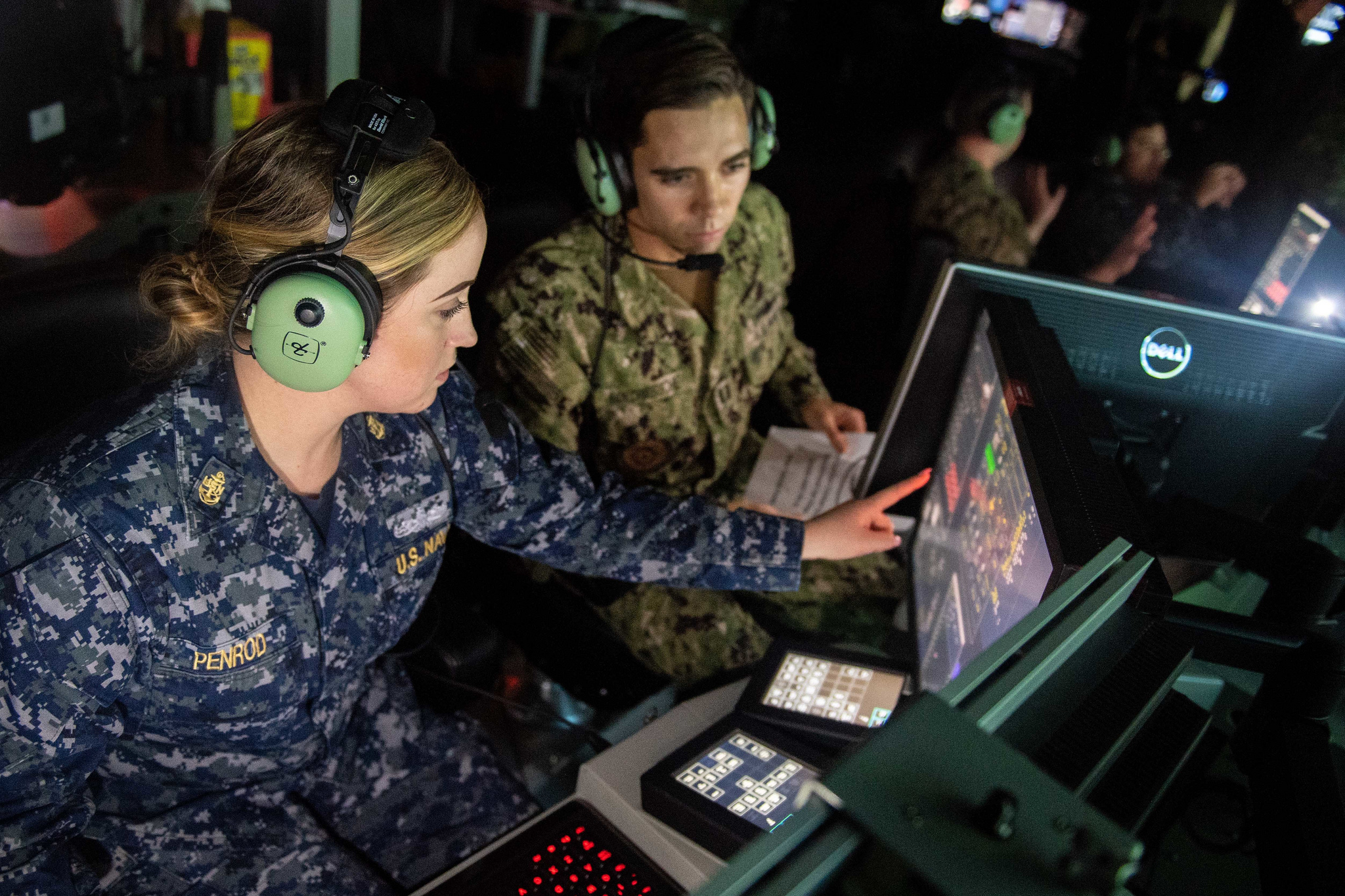
WASHINGTON: The Navy needs to increase both the number and complexity of its wargames, the service’s top admiral said Wednesday, citing rapid advances being made by competitors in cyber and information warfare tactics that will muddy and confuse future battlefields. While Adm. John Richardson didn’t provide any details to flesh out his thinking during an […]


The MQ-9B and Gambit Series represent parallel capabilities that address global challenges for security head-on.

Three major lines of effort will converge circa 2024, when a new breed of troops will man new kinds of combat units equipped with new technologies: talent & training, concepts & units, and money & modernization.

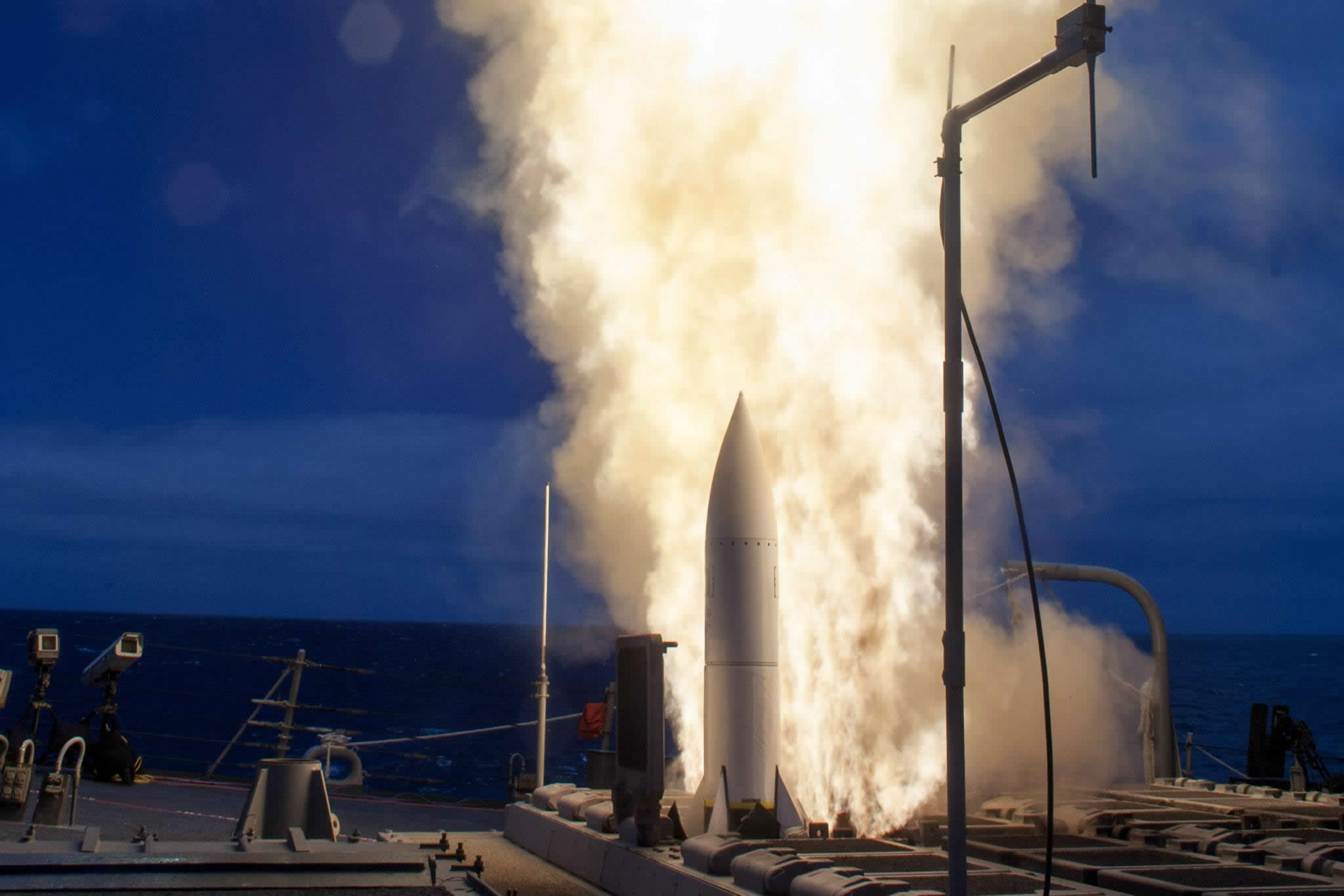
When it comes to Raytheon’s Standard Missile-6, there really is no comparison. It was most recently described by the Missile Defense Agency as the “Swiss-Army knife of missiles,” boasting three missions within one effector. That means a great deal to Navy commanders who have limited space onboard their ships and can wield anti-air warfare, ballistic […]

“All the services understand the need to move to Multi-Domain Operations,” Lt. Gen. Wesley said. “Second, we all agree that MDC2 [Multi-Domain Command & Control] is the most important joint problem that we have to solve. After that, the specifics of how you conduct MDO – that’s where the variance is that we’ve got to converge on.”
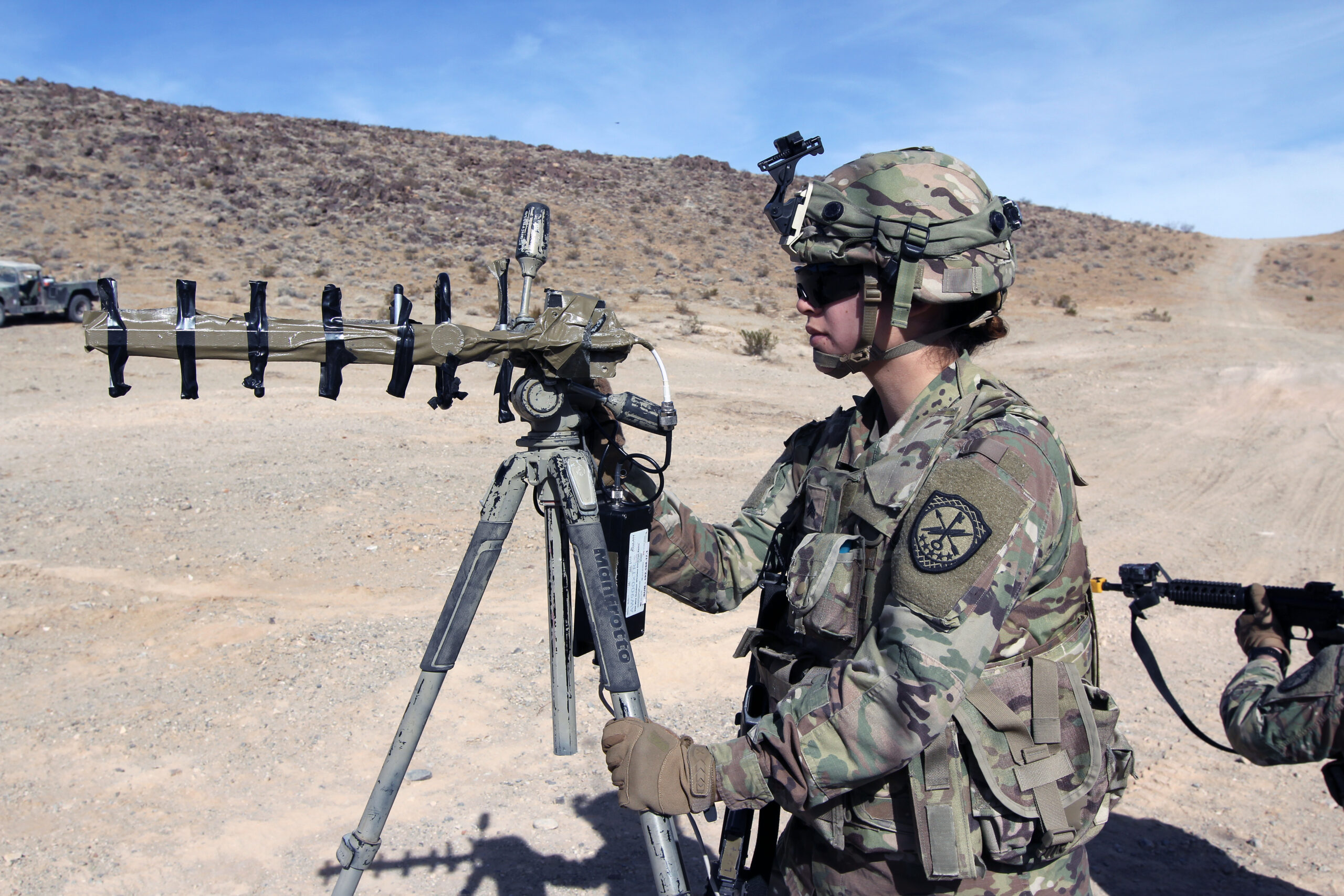
There are real signs of a renaissance in electronic warfare. Now comes the hard part: translating new strategies and concepts into doctrine, requirements, and systems in the field.

Balancing security and access to data are critical to providing users with trustworthy, reliable data for real-time decisions.

"AFWIC was told to inform and try to shape the '20 POM," Fantini told reporters, but that 2020-2024 budget plan is due out in February and was already largely locked down. "But the '21 POM," he said, it's "game on."

“We’ve done concepts for many years and, frankly, the Army hasn’t changed much,” admitted the three-star chief of the Army’s in-house think tank on future war. But on Friday, when the Army officially put its futurists under the same roof as its scientists, engineers, and program managers, the notoriously hidebound service aimed to break down the barrier between thinking about the future force and building it.

Smart missiles to strike hard targets hundreds of miles away. Wireless links to pull data from stealth fighters and foot soldiers alike. Command posts agile enough to coordinate it all — not only in open war, but in the ambiguous “grey zone” of hacking, proxy warfare, and Twitter trolls. That’s just a few of the […]

There are times and places in the history of war in which improvements in firepower force anyone in range to take cover instead of advancing, as machineguns and howitzers did a century ago on the infamous Western Front. The fundamental difference today is the width of the killing zone would be measured, not in hundreds or thousands of yards, but in hundreds or thousands of miles.