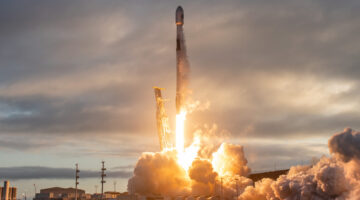
SpaceX wins $1.6B to launch Space Force ‘sensing and targeting’ sats
The SpaceX task order is the first to be awarded since the Space Force's July 17 massive $11.4 billion plus-up to the NSSL Phase 3 Lane 1 contract vehicle ceiling.
The SpaceX task order is the first to be awarded since the Space Force's July 17 massive $11.4 billion plus-up to the NSSL Phase 3 Lane 1 contract vehicle ceiling.
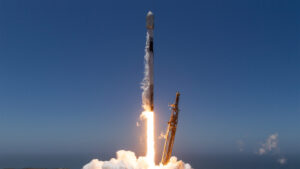
The service now expects 170 NSSL Phase 3 Lane 1 launches between 2025-2034, up from 60.

Lithium-metal batteries are one way to break the weight and endurance limits of today’s unmanned systems.
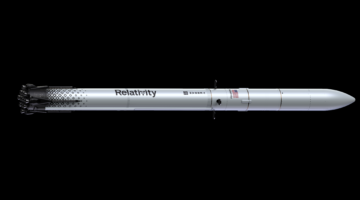
The two additions to SSC's National Security Space Launch Phase 3 Lane 1 program bring the total number of qualified launch providers to seven.

NSSL will be okay because it can still rely on the Falcon 9 workhorse," said Todd Harrison, senior fellow at the American Enterprise Institute.
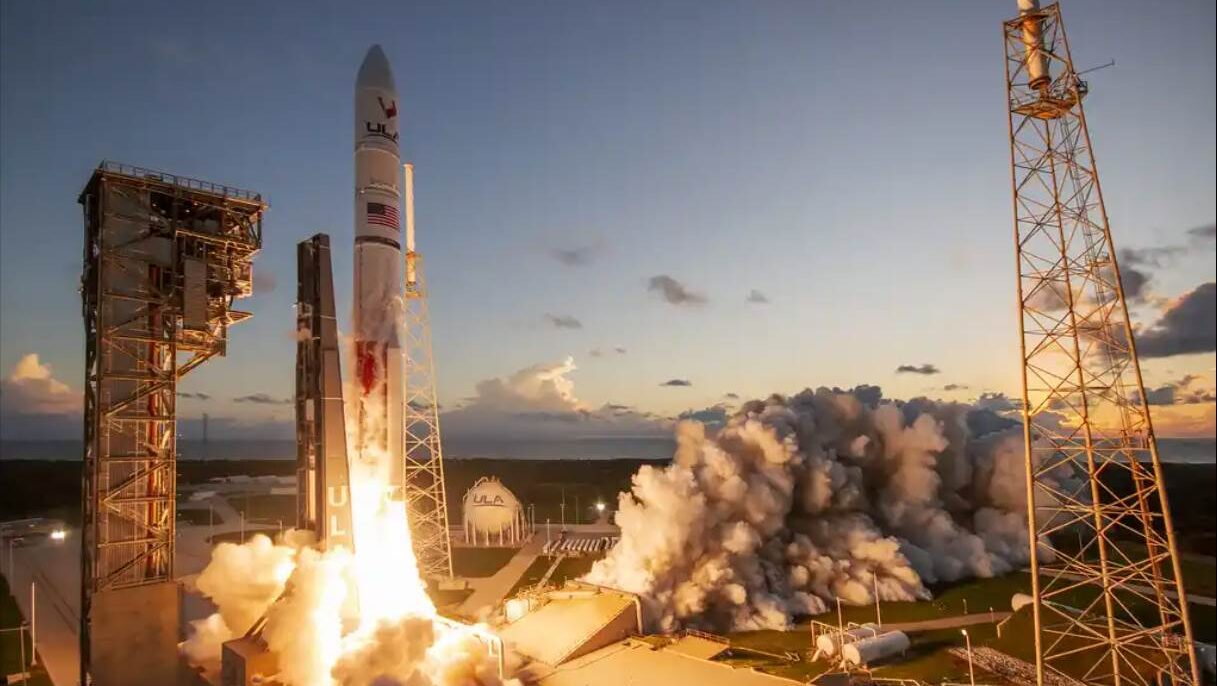
The shift follows Vulcan's February grounding under the National Security Space Launch program to resolve persistent problems with its solid rocket boosters.
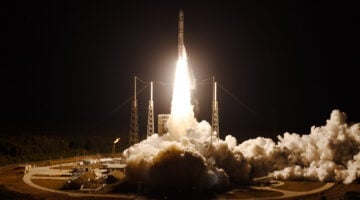
"We're still in the initial phases of that investigation, so we'll continue to to work with the United Launch Alliance and their suppliers to make sure we've got the right level of insight and understand where that investigation is headed," Col. Eric Zarybnisky said.

Army vehicles like Bradley need greater power at the sprocket for speed, braking, and manueverability.
The company's announcement did not explain how the new National Security Group would change, if at all, Blue Origin's current organization and/or practices under its national security unit headed since August by Tom Martin.
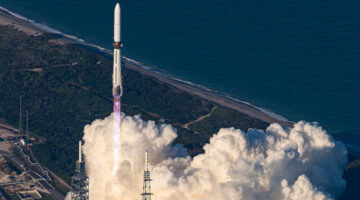
Blue Origin also stuck the landing of New Glenn's reusable first stage, becoming only the second company after SpaceX to do so.

SpaceX was assigned seven NSSL Phase 3 Lane 2 launches under a contract worth $714 million; ULA two launches worth $428 million.

Elon Musk's SpaceX is already expected to conduct more than two dozen national security-related space launches over the next few years.

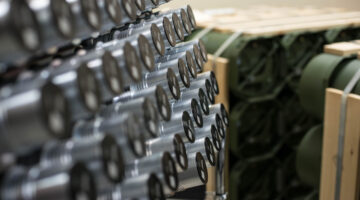
APKWS® laser‑guidance kit provides reliable precision‑guided munitions across missions and platforms, delivered quickly to meet evolving operational demands.
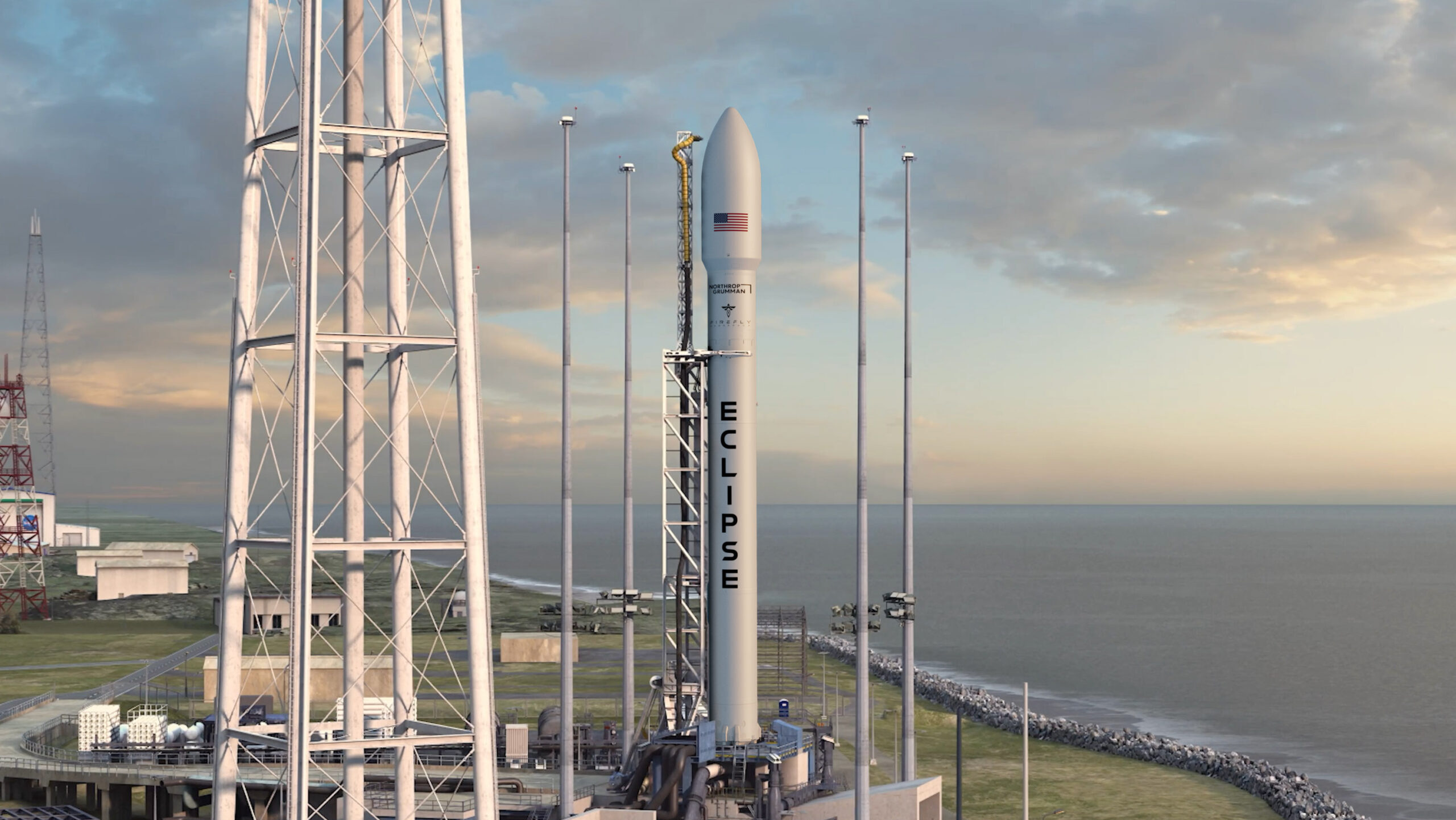
"With a 16 metric ton to orbit capability, Eclipse is a sweet spot for programs like NSSL Lane 1 and a natural fit to launch proliferated constellations," said Firefly CEO Jason Kim.
While the number of launches contracted to Blue Origin is small, the award represents a vote of confidence for the company founded by Amazon billionaire Jeff Bezos.
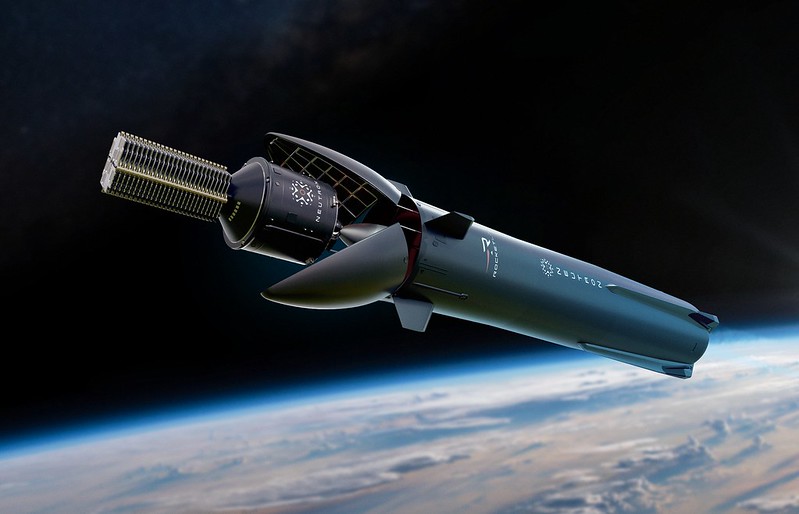
Both companies were awarded indefinite-delivery/ indefinite-quantity contracts under the service's National Security Space Launch Phase 3 Lane 1.
With that thumbs up from Space Systems Command’s (SSC) Assured Access to Space program office in hand, ULA now is the second fully certified launch provider, along with SpaceX, cleared under the Space Force's National Security Space Launch (NSSL) program.