
Air Force sees over two year delay for next-gen engines
The Next Generation Adaptive Propulsion program is designing new engines that could power aircraft like the Air Force’s forthcoming F-47 stealth fighter.
The Next Generation Adaptive Propulsion program is designing new engines that could power aircraft like the Air Force’s forthcoming F-47 stealth fighter.
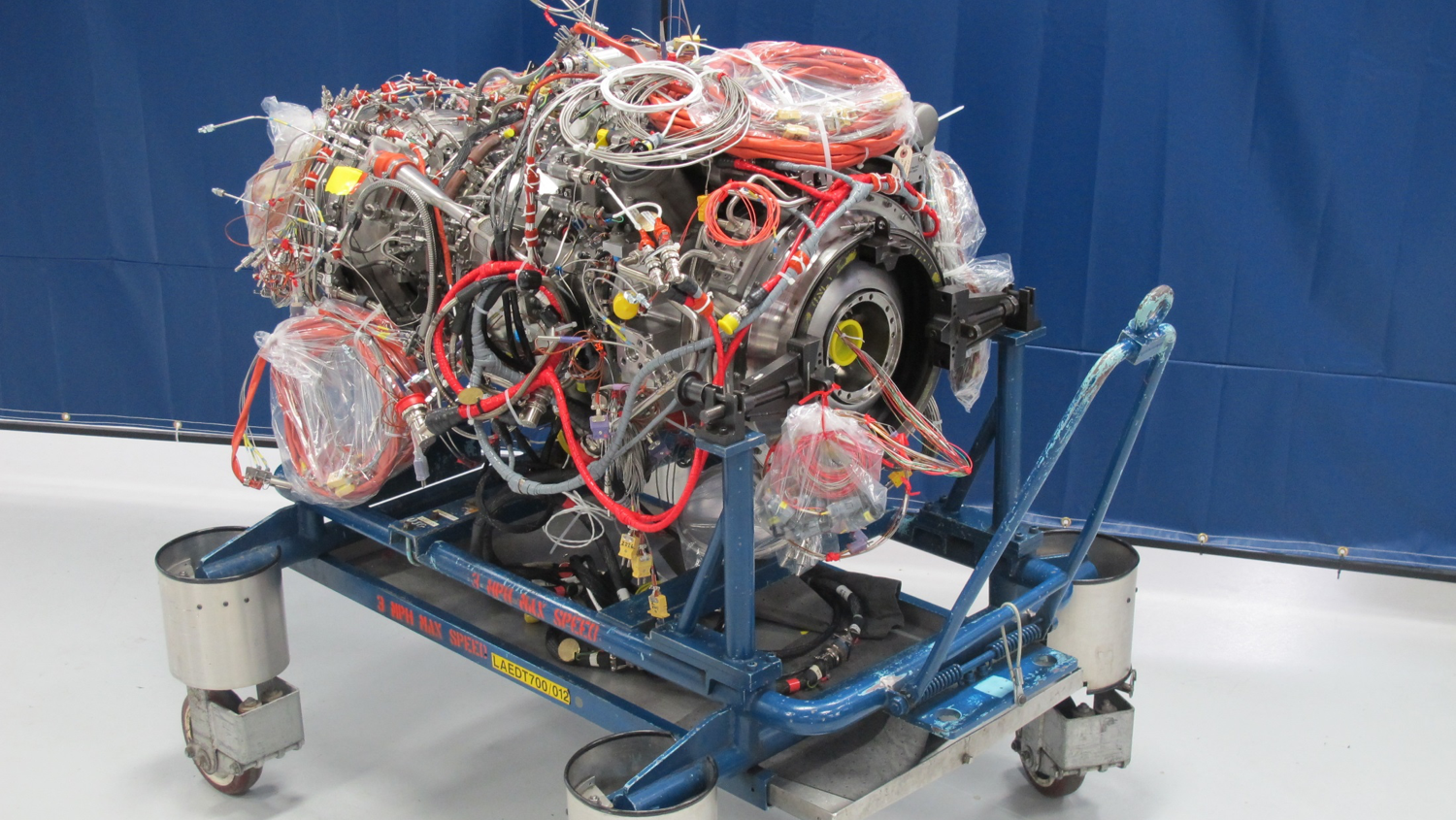
GE executive Mark Rettig said the company’s recent foray into hypersonic technology has opened a new range of opportunities for the engine maker.


On today’s battlefield, mobility isn’t optional - it’s mission-critical.

Boeing's selection to produce the Next Generation Air Dominance (NGAD) fighter is a game-changer for the company's challenged defense arm.

The two companies are facing off under the Next Generation Adaptive Propulsion program, which is developing a powerplant for an Air Force next-generation fighter — assuming one comes to pass.
The two engine makers will continue developing their own designs that could power a sixth-gen fighter for the Air Force, assuming the service proceeds with plans for the jet.
This was supposed to be the year that the Air Force selected a winning vendor to build its next-gen fighter. Then reality set in.

Do more with less: streamline workflows, reduce duplication, invest upfront to save long-term.

The Engine Core Upgrade cleared a preliminary design review in July.

The Engine Core Upgrade program is “on track” to field “as early as 2029,” according to Pratt & Whitney.

The breakup of General Electric into three new companies signifies a new age for one of the two major US aviation engine manufacturers.
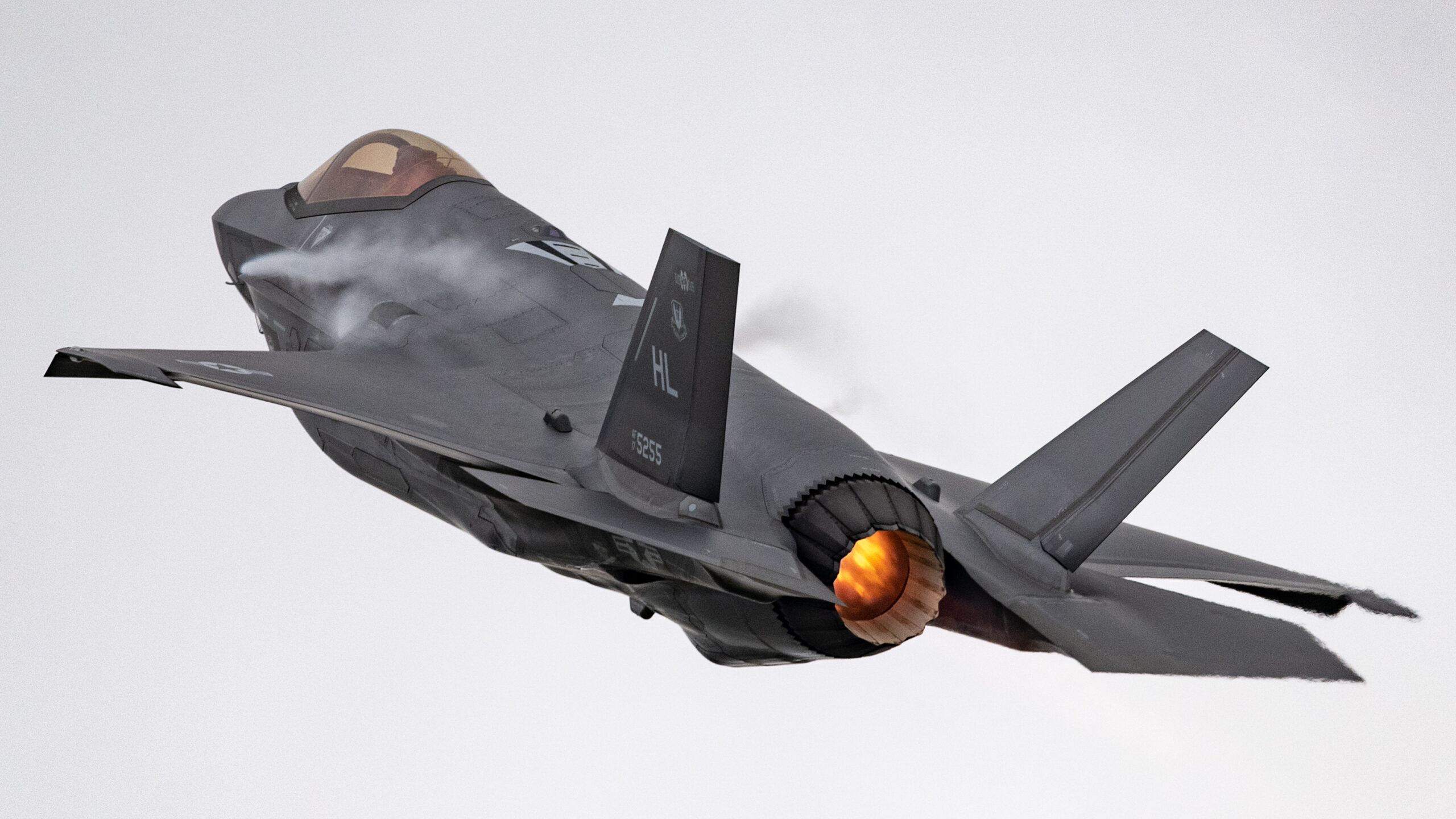
After rancorous debate, a new engine for the stealth fighter was already in doubt, but legislation released by congressional appropriators today seemingly puts the issue to rest.

Partnerships with outside industry are a cornerstone of the kingdom’s ambitious growth strategy.
“Like all programs, the continuing resolution has the potential to have an impact. We have not worked through all the details if we had a sequestration scenario,” Pratt & Whitney's Jennifer Latka said about a stalled budget on Capitol Hill. “What I know now is that our schedule is on track, that we have identified funding to continue, and that’s not to say that that situation cannot change.”

“Our objectives really are continuing to mature adaptive engine technology for a variety of platforms to continue to keep the industrial base healthy and strong,” said GE Aerospace’s David Tweedie.

"[R]ight now with the way we're funded, we think we can carry both [companies] through prototype, and both are leaning in fully. And so then we’ll let the prototype and test do the evaluation,” Air Force propulsion chief John Sneden said.
"We have not received any proposals yet but we expect multiple proposals in the future," an Air Force spokesperson told Breaking Defense.