
New UN forum seeks busting space traffic cooperation barriers
US officials say they hope the talks spur greater transparency from China in particular about satellite operations.
US officials say they hope the talks spur greater transparency from China in particular about satellite operations.

The new report cautions the Space Force against an "over reliance" on commercial capabilities and worries that Space Force is not concentrating enough on the need to win future space conflicts not simply "endure" attacks.

APKWS® laser‑guidance kit provides reliable precision‑guided munitions across missions and platforms, delivered quickly to meet evolving operational demands.

A new study by the Center for Strategic and International Studies details a number of serious obstacles to cislunar operations, from a lack of robust business cases to the literal fabric of time.
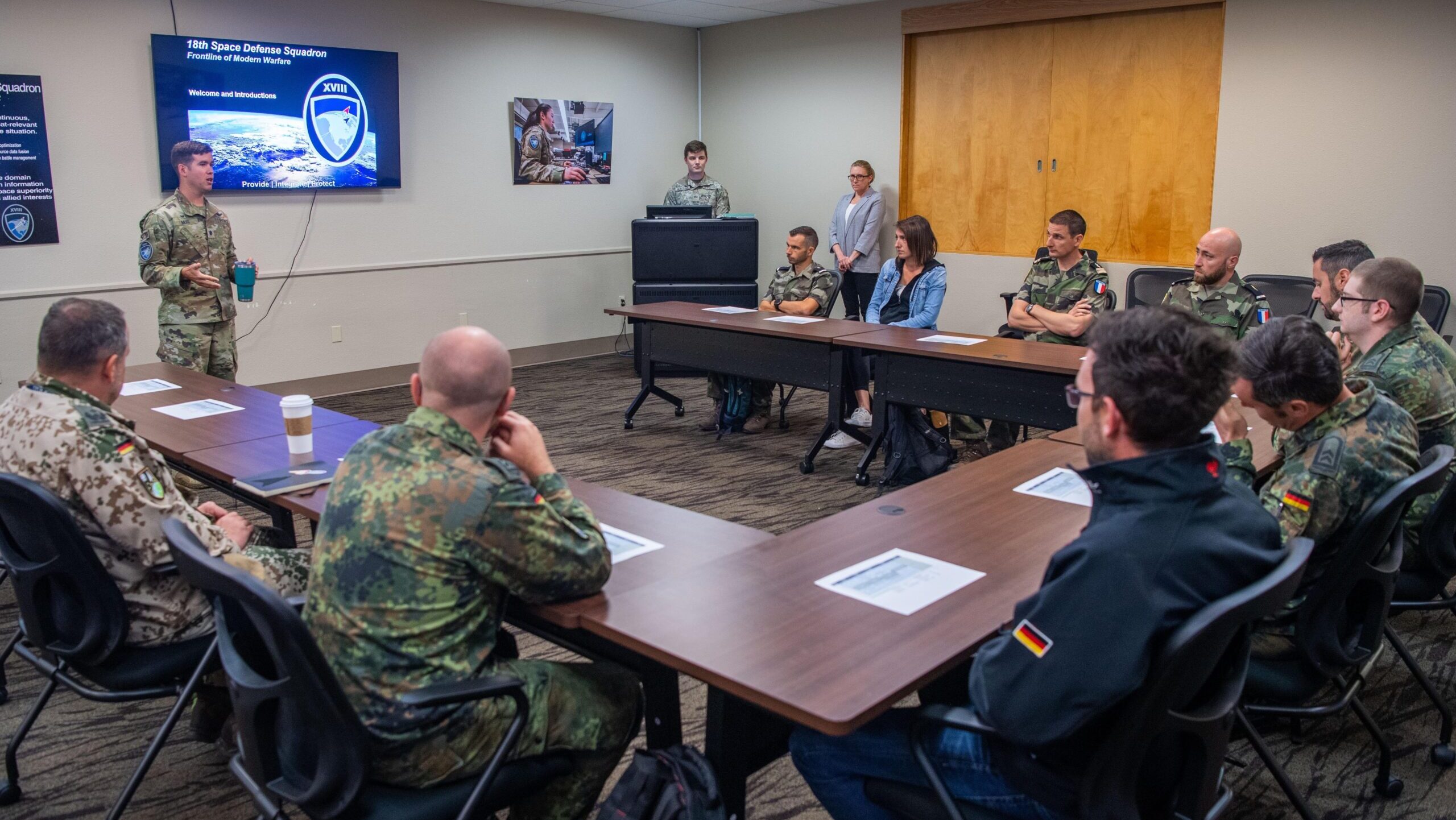
SPACECOM's releases today characterize Operation Olympic Defender as "a multinational effort that focuses to optimize space operations, improve mission assurance, enhance resilience of space-based systems, synchronize efforts to strengthen deterrence against hostile actors and reduce the spread of debris orbiting the Earth."
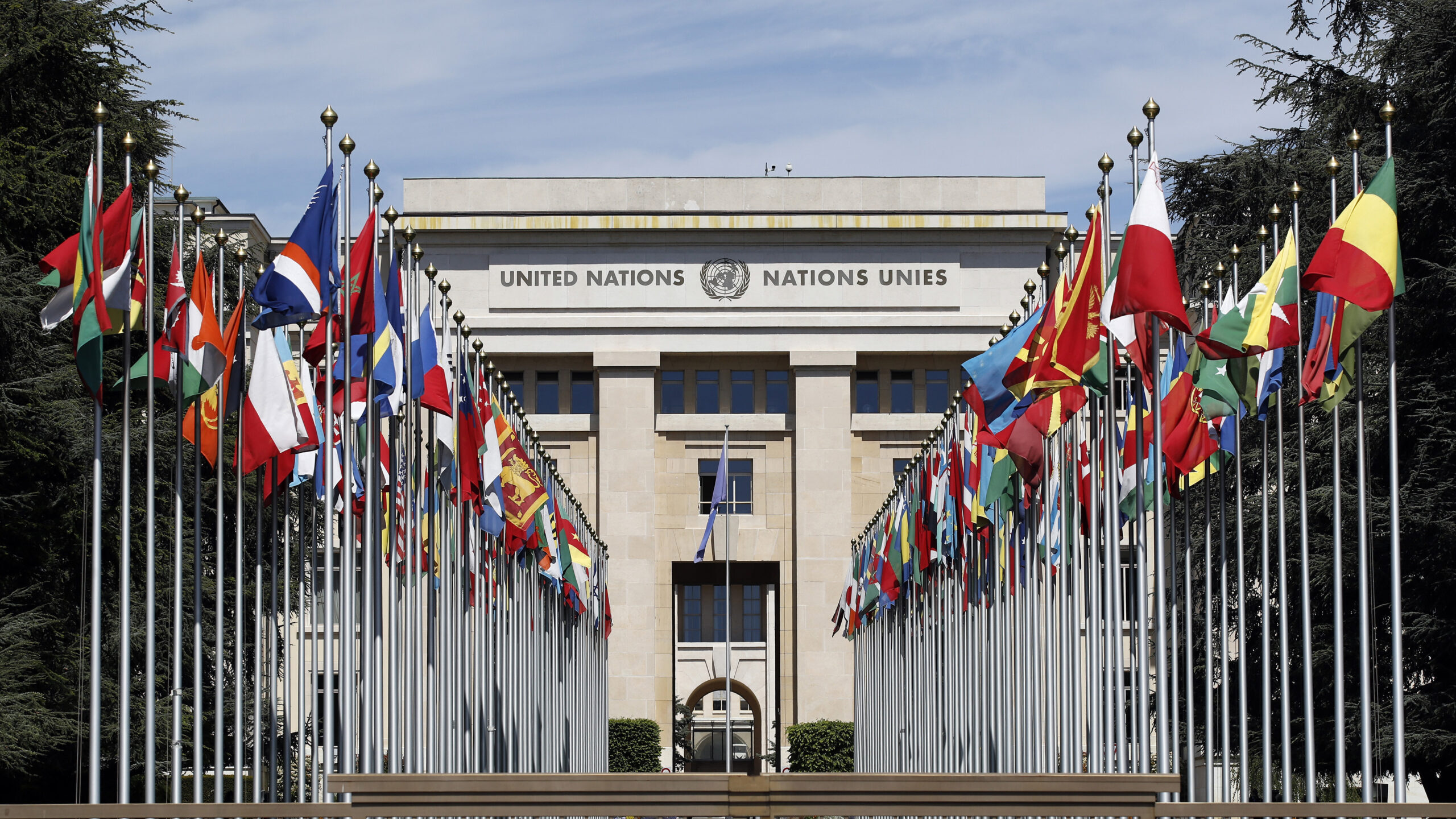
"This paper ... provides a framework that could help ensure that verification challenges are not used as a convenient excuse for giving up on space arms control as an option," writes author Mick Gleason.

The RAND study warns that due to "inflated threat perceptions" about US intentions, Chinese leaders tend to "interpret U.S.-led efforts to establish crisis communication mechanisms or broader space norms as tools to control China's behavior."

Army vehicles like Bradley need greater power at the sprocket for speed, braking, and manueverability.

The project is designed "to increase Europe’s independence and superiority in space," the EDF's two-page fact sheet says.

The Space Force has made some visible progress in its "pivot" towards resiliency, but acquisition reform remains a hard slog.

One new working group, led by the UK and US, will focus on norms; the other, led by Russia and China, will draft legal treaty.

Germany is not the first European country to join, but as a political and economic center of the continent, Berlin's move could convince several others to follow suit.

AI is reshaping the Army’s approach to cyber, electronic warfare and command and control. At TechNet Augusta 2026, leaders outlined how they’re turning emerging technology into capabilities for the battlefield.

Only a small number of nations, including Venezuela, Iran and China, supported Russia's objections, especially its rejection of responsible behavior as a foundation for norms.

"The prospects for complete success in deterrence of hostile attacks on space assets, particularly reversible, nondestructive attacks, are limited," the RAND study cautions.
As the Space Force prepares to launch highly classified space domain awareness satellites, China calls foul on purported close approaches to its sats by existing US birds.
The EU move, which comes in the run up to the final meeting of the UN working group to prevent space threats at the end of the month, brings the number of countries supporting the limited ASAT testing ban up to 35.