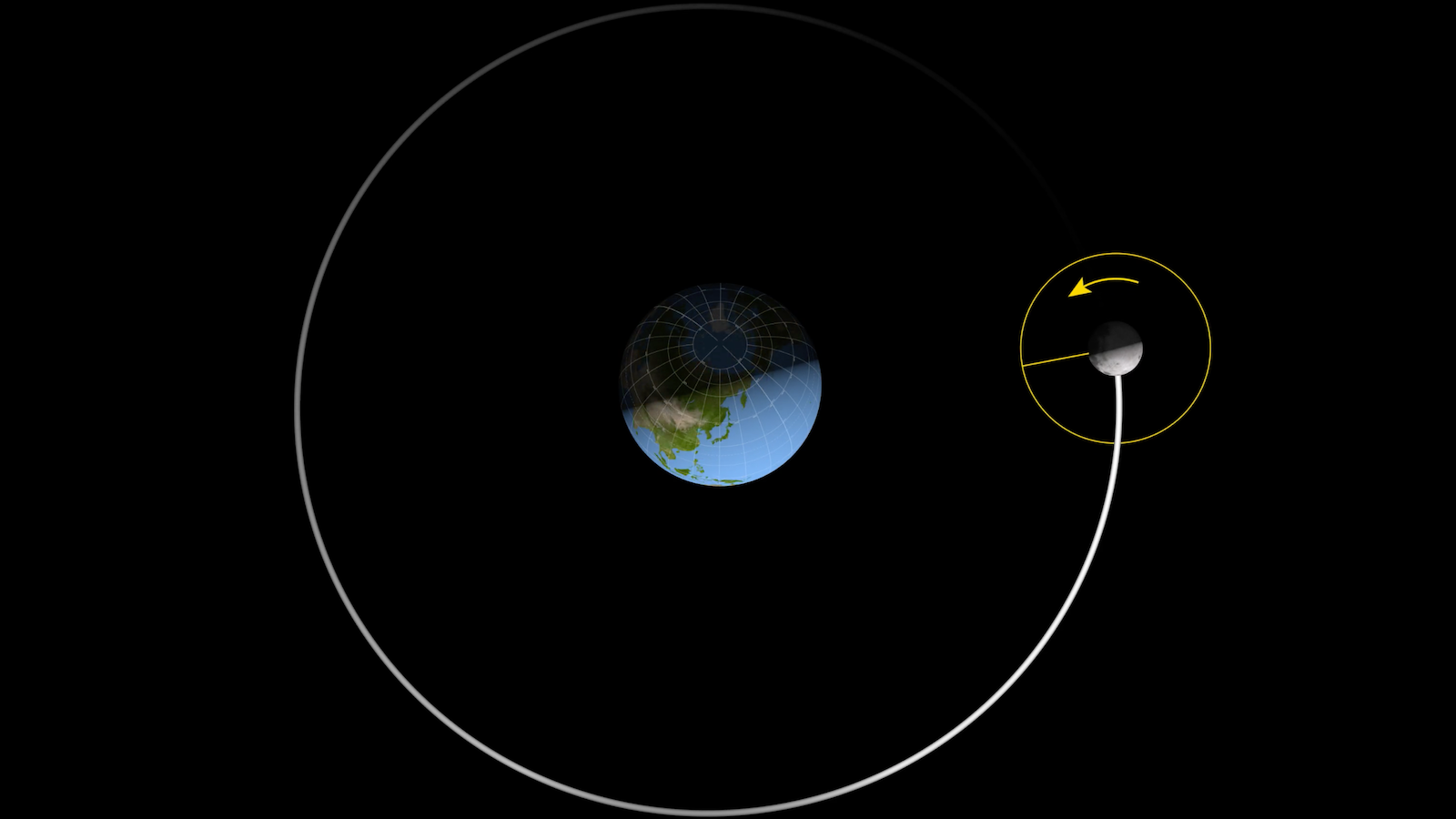
SPACECOM exploring tech for future offensive cislunar ops: Chief Scientist
An analyst called the new commitment to pursue cislunar operations a "massive policy change" for the Pentagon.
An analyst called the new commitment to pursue cislunar operations a "massive policy change" for the Pentagon.
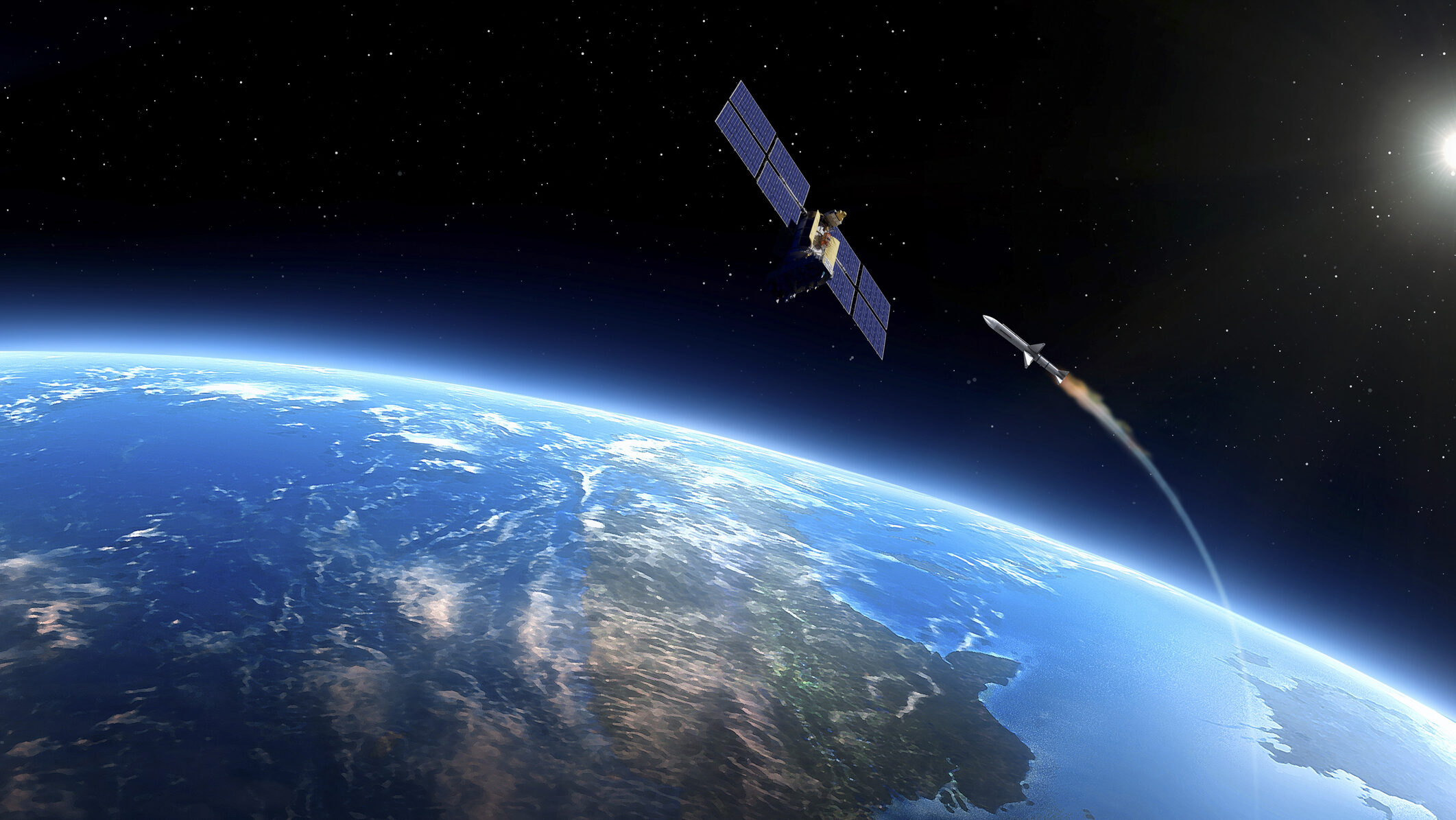
Some decision-making authorities, previously closely held by the president or secretary of defense, have been delegated to US SPACECOM, according to sources, but military space leaders want more freedom to act.

Watch experts discuss foreign influence risks, evolving DoD policy, and strategies for balancing security with scientific collaboration.
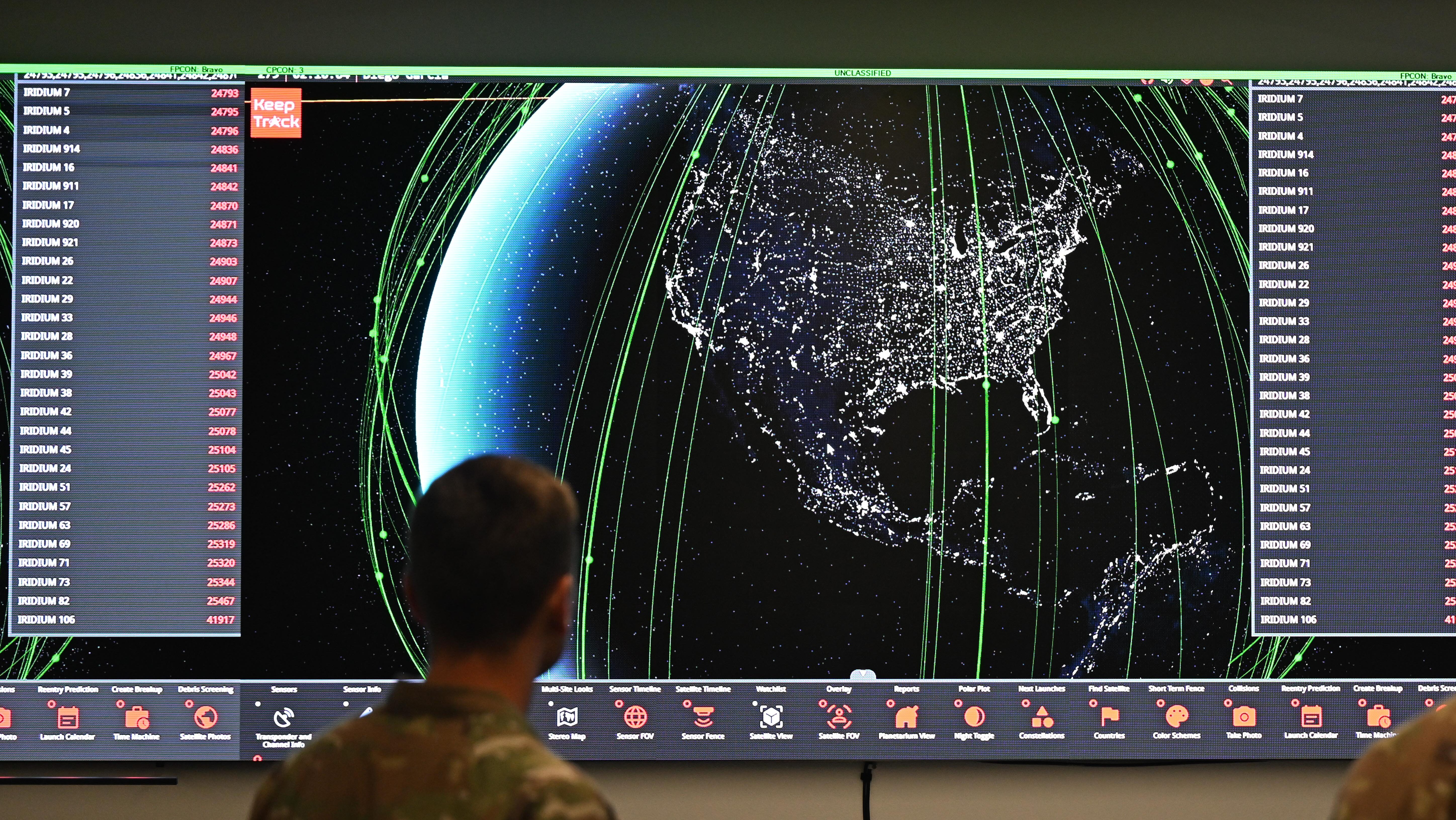
The document argues that the US needs to establish space superiority as a precondition for winning a war, and explains that the Space Force does that by exercising "space control."

The program was designed to both to increase mobility and improve the jamming capabilities of the Space Force's legacy Counter Communications System, to include providing multi-frequency jamming in S-band and X-band.

"The US and France recently conducted our first ever bilateral rendezvous and proximity operation to demonstrate combined capabilities in space in the vicinity of a strategic competitor spacecraft," SPACECOM head Gen. Stephen Whiting said today.

The report finds that Russia has been increasingly successful at blocking Ukraine's use of SpaceX's Starlink communications constellation, citing media reports in December 2024 about a new system specifically targeting Starlink called Kalinka and developed by the Russian Center for Unmanned Systems and Technologies.

AI is expanding the mission data footprint across defense environments, increasing the need for scalable, layered data-at-rest (DAR) protection.

The chief of space operations said the Space Force is examining how to best invest in six categories of counter-space weapons, because China is doing the same.

The new report cautions the Space Force against an "over reliance" on commercial capabilities and worries that Space Force is not concentrating enough on the need to win future space conflicts not simply "endure" attacks.
"You are warfighters, whether you carry a gun or not," Chief of Space Operations Gen. Chance Saltzman told Guardians on Dec. 10. "You are trained and expected to carry out offensive and defensive actions against military forces of other countries."

US Space Command has been clamoring for new technology to enable "dynamic space operations," which include "sustained" maneuvering that doesn't eat up fuel to allow US military spacecraft and satellites to outrun suspect adversary satellites — or potentially be able to chase those suspect birds down both to assess any threats and possibly take action to neutralize them.


Unveiled at SAHA 2026, ASELSAN’s latest portfolio reflects a layered and integrated defense architecture, bringing together electronic warfare, counter-UAV, airborne and naval capabilities within a unified operational framework.

NATO's planning directorate is creating war games for space activities to work out national contributions, including for offensive capabilities that require allied consensus for use in a conflict.

Space & Missile Defense Command has been pushing to make space a formal "military occupation specialty" for enlisted personnel wishing to specialize, and has submitted a proposal to that effort to Army personnel leaders to that effect.
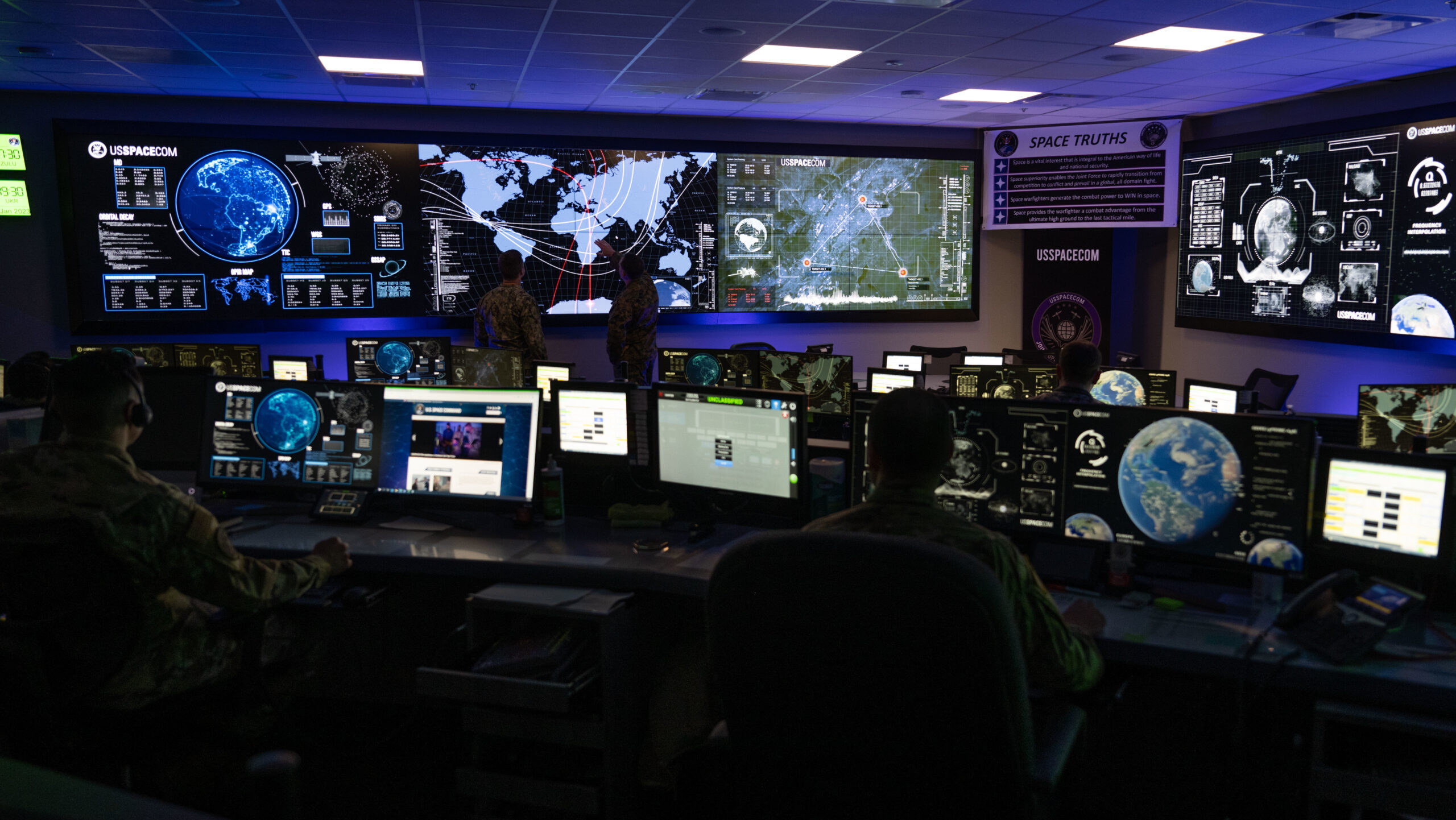
The new version of Joint Publication 3-14 explains that "offensive and defensive space operations" are supported primarily by "direct capabilities" — that is, "fires that impact an adversary."

The unclassified strategy communicates "our commitment to protect the Joint Force from adversary hostile uses of space," said DoD Space Policy czar John Plumb.