
AI for ATO: Pentagon seeks AI to streamline cumbersome cybersecurity processes
“Like Frank's Red Hot Sauce, we should be trying to put AI on anything that you can," said David McKeown, a senior cybersecurity official.
“Like Frank's Red Hot Sauce, we should be trying to put AI on anything that you can," said David McKeown, a senior cybersecurity official.
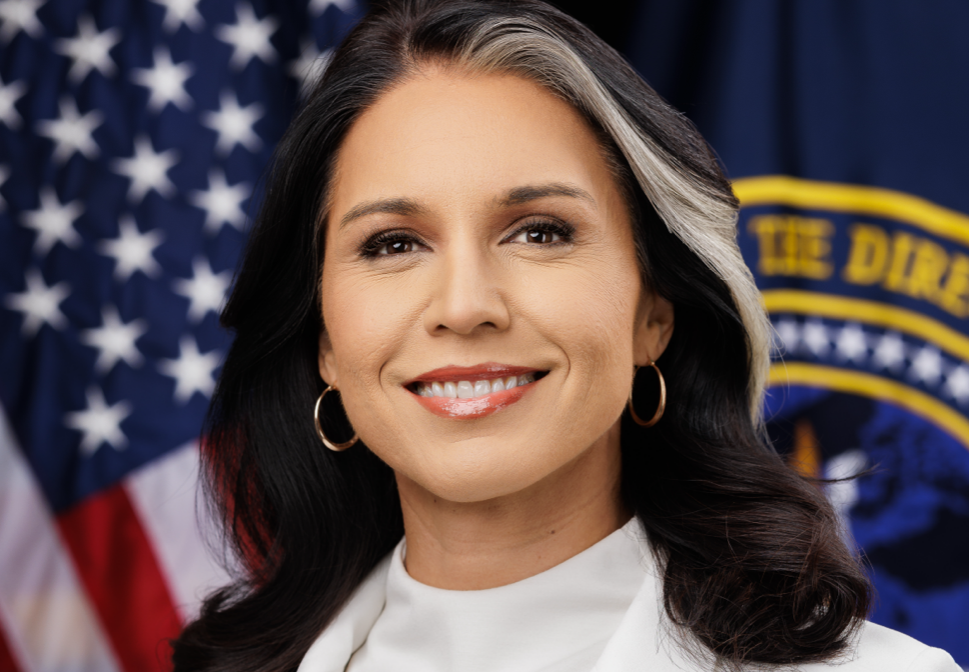
In the aftermath of the 9/11 terrorist attacks on America, the position of Director of National Intelligence, (DNI) was created to close the gaps in the US Intelligence Community.


Reducing cognitive overload on warfighters while improving “time to trust” for autonomous systems is a matter of design.

DNI Tulsi Gabbard promised to speed the delivery of intelligence products to users including Congress, stressing that intelligence that "come[s] too late, or it's not providing that complete picture that [the president] needs to be able to make important calls" is "useless."

AI is driving a tsunami of private-sector open-source intelligence. Now the federal Intelligence Community just has to figure out how to ride the wave.
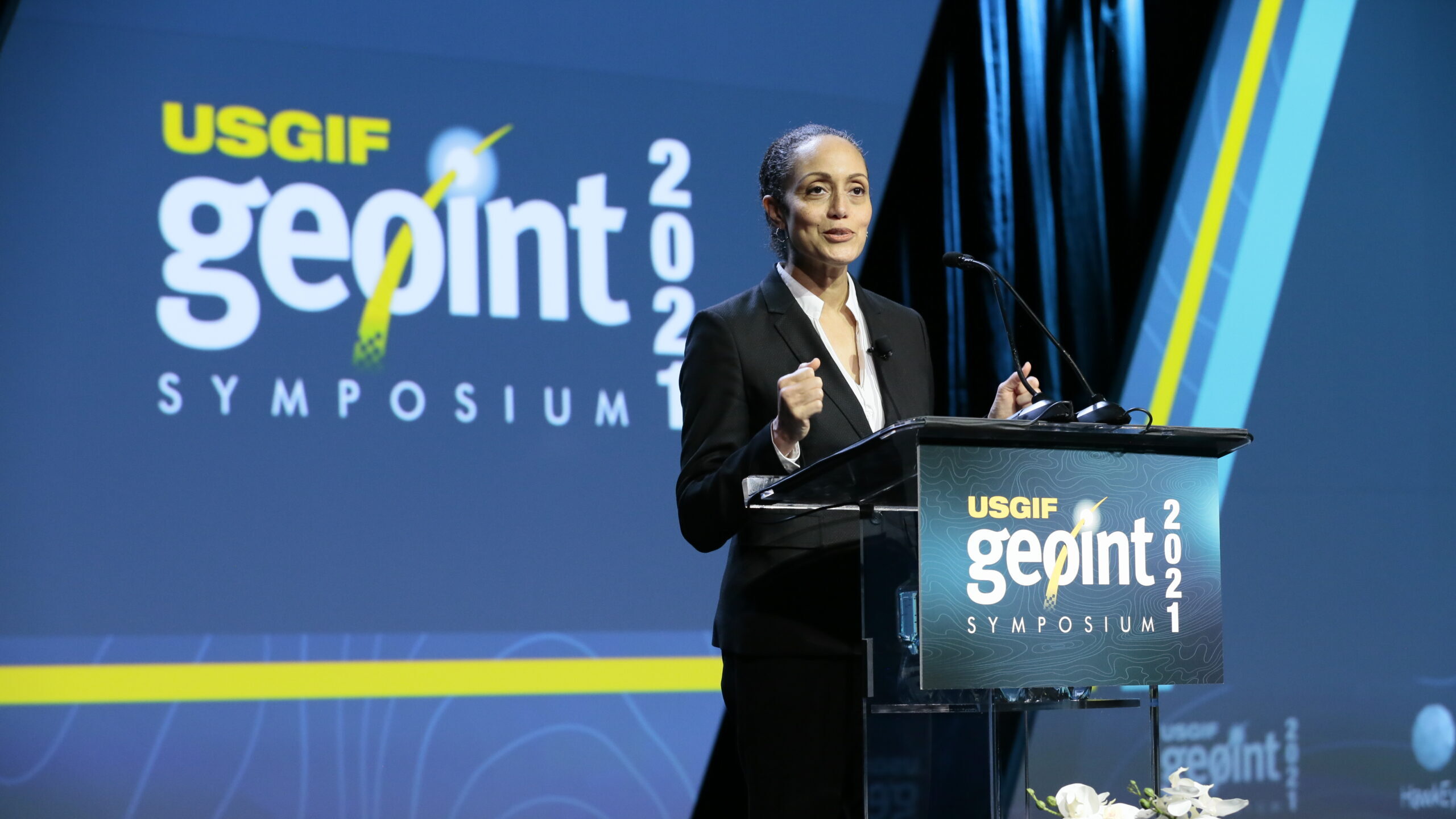
The status change should give the Space Force more weight in debate about how to share acquisition authority for commercial intelligence, surveillance and reconnaissance.
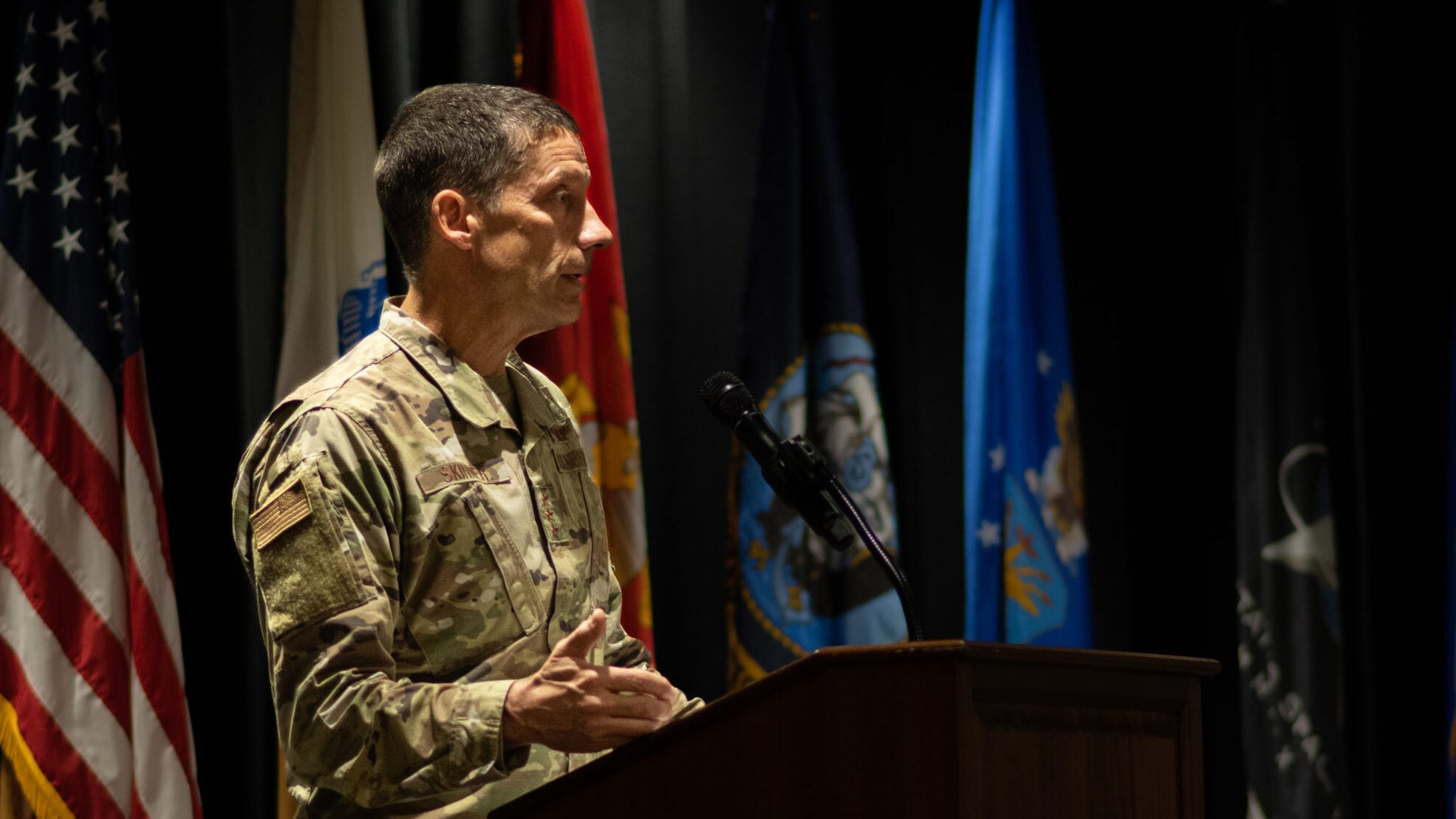
The Defense Department wants to explore Large Language Models for everything from paperwork to war plans – without being misled by hallucinations or having sensitive information sucked up by commercial LLMs hungry for training data.


Standoff capability means warfighters stay connected and remain remotely located in a safer environment while making it harder for adversaries to target them.

The National Intelligence Program was budgeted for $71.7 billion while the Military Intelligence Program was funded at some $26.6 billion in fiscal 2023.

New “quantum resistant” encryption standards won’t be finalized until next year, but officials and experts say agencies and industry should start hunting vulnerabilities hidden in their software and hardware, including embedded chips critical to US weapons.
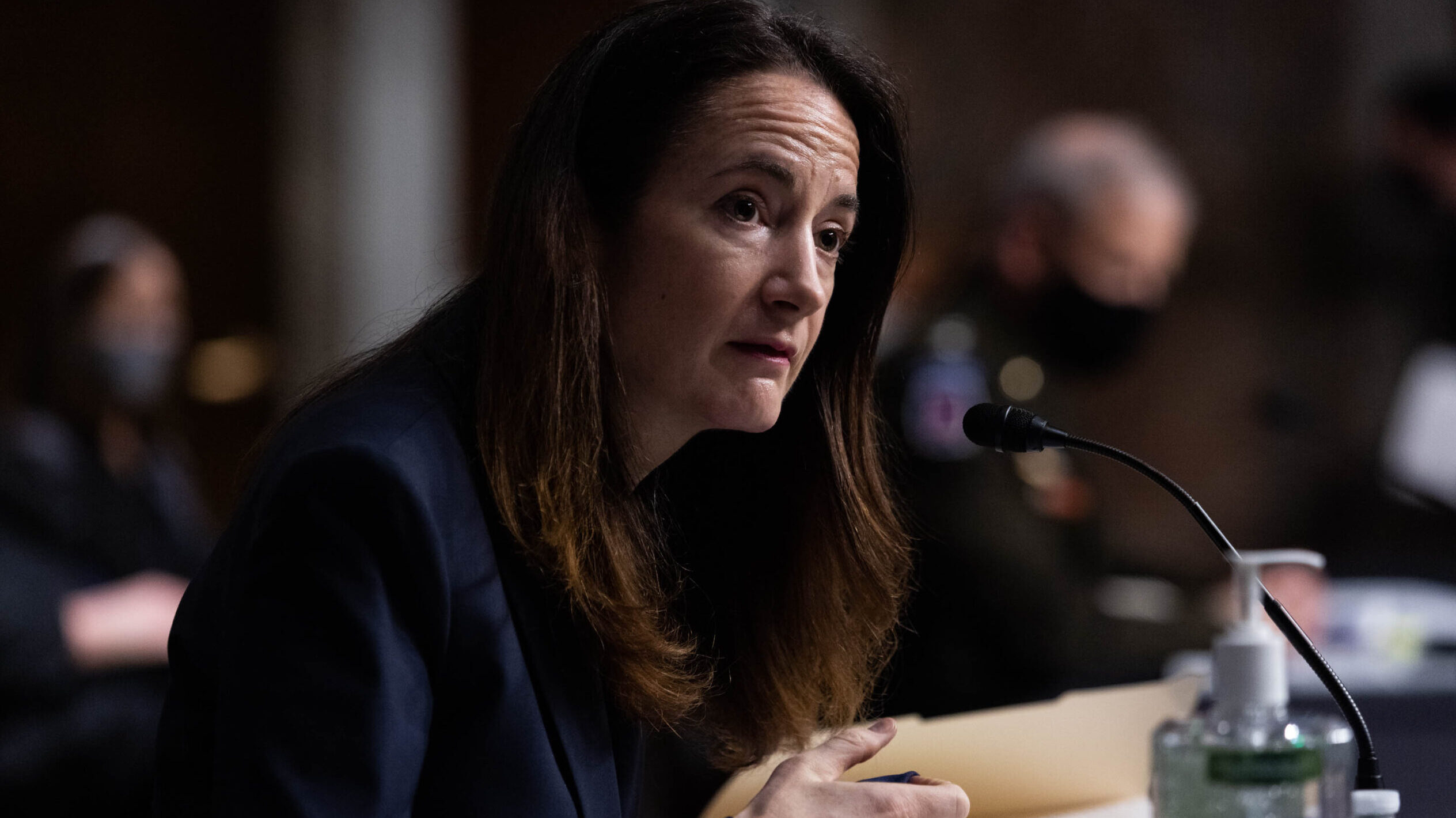
"In addition, shared global challenges, including climate change, human and health security, as well as emerging and disruptive technological advances, are converging in ways that produce significant consequences that are often difficult to predict," DNI Avril Haines writes in the 2023 National Intelligence Strategy.

China's growing number of intelligence, surveillance and reconnaissance satellites are "designed to find, fix, track and target US forces and allied forces. They're designed to help kill sailors, airmen, soldiers, and Marines," said Brig. Gen. Anthony Mastalir, head of the Space Force's Indo-Pacific component command.


Knowing when to build on commercial systems and when to develop something new can be the difference between parity and information dominance.

From Asia to the Middle East, worries rise like flood waters over the future of water security.
"If we don't adapt, others will set the rules and challenge our new leadership. We should set the rules," said Stacey Dixon, deputy director of national intelligence.
ODNI is working on providing outside partners with declassified explanations of the office's science and technology priorities, said John Beieler, director of science and technology.
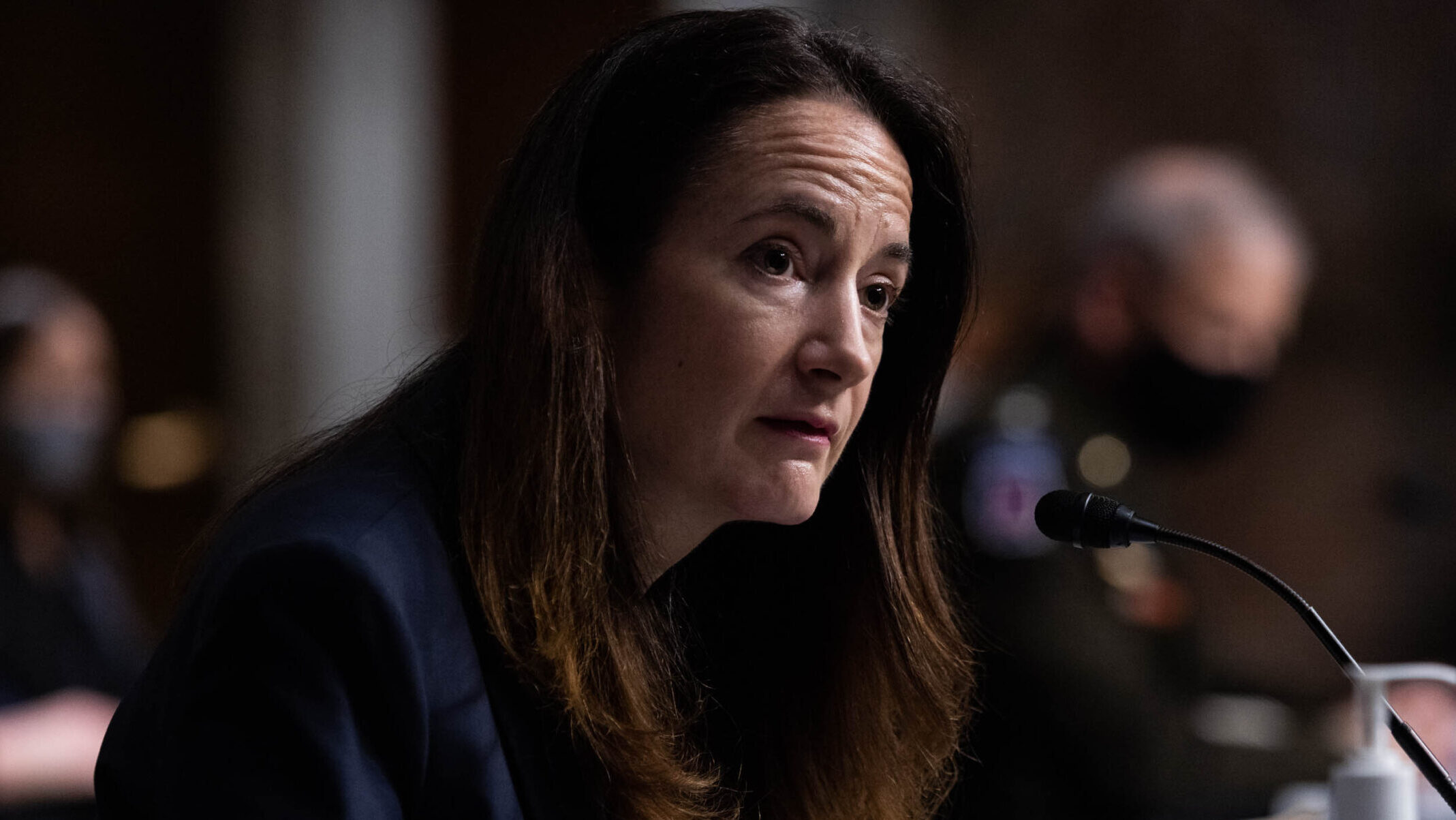
"There's no question that as you pull out... our intelligence collection is diminished," Haines said. "In Afghanistan, we will want to monitor any reconstitution of terrorist groups."