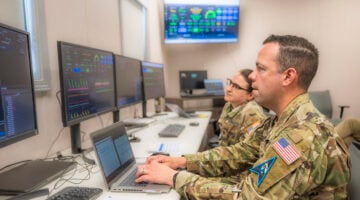
Space Force to focus training on ‘orbital warfare,’ joint integration
Gen. Gregory Gagnon, head of Space Force Combat Forces Command, said that currently "40 percent of my units do not have a realistic trainer in order to practice on them."
Gen. Gregory Gagnon, head of Space Force Combat Forces Command, said that currently "40 percent of my units do not have a realistic trainer in order to practice on them."

"I just think freedom of maneuver is going to be the enabler for every space mission going forward," said Gokul Subramanian, Anduril's senior vice president of engineering.

Knowing when to build on commercial systems and when to develop something new can be the difference between parity and information dominance.

"If the space domain feels pain, the rest of the Joint Force will likely feel that pain as well," said Lt. Col. Shawn Green, commander of the Space Force's 527 Space Aggressor Squadron.
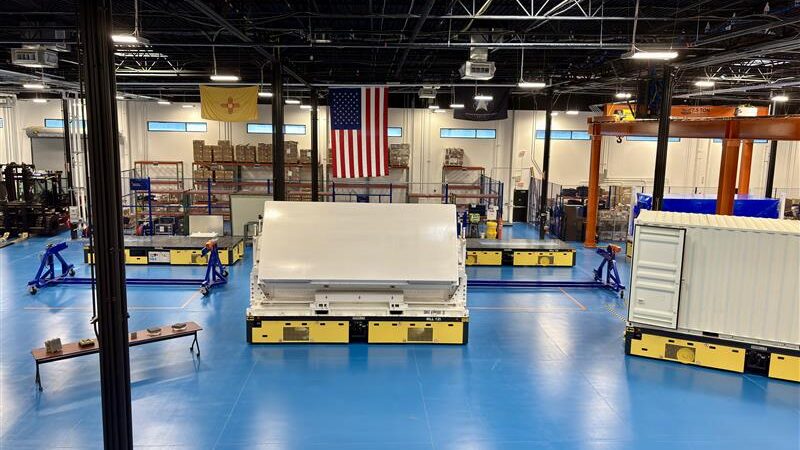
"[T]his capability is so important to where we're headed in the next couple of years, with having the capacity to make the SCN [Satellite Control Network] stand up to all the new systems that are coming and all the new mission requirements that they're going to have," Hammett told Breaking Defense.
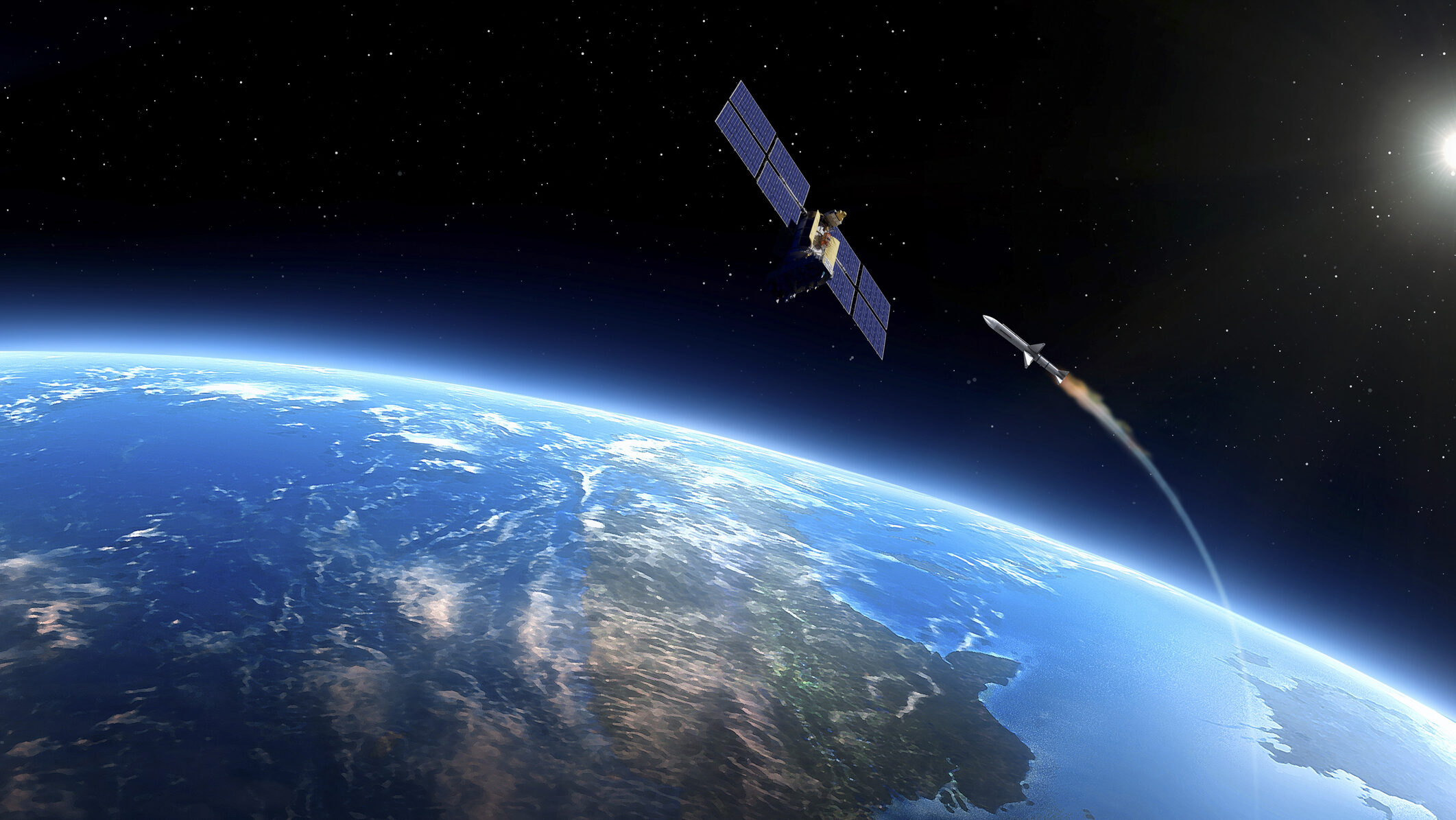
Some decision-making authorities, previously closely held by the president or secretary of defense, have been delegated to US SPACECOM, according to sources, but military space leaders want more freedom to act.
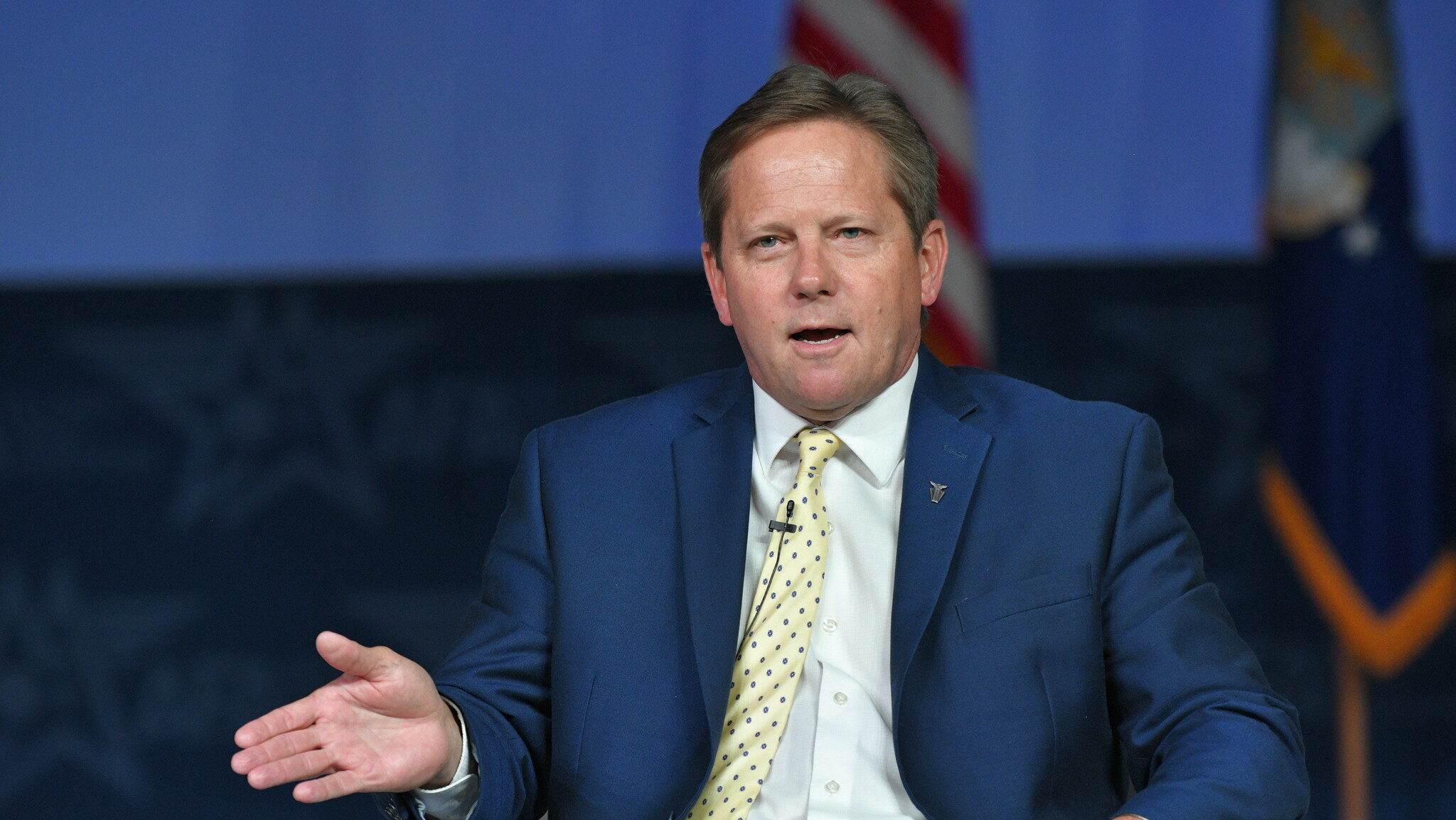
Space RCO Director Kelly Hammett envisions that his shop will feed tech into the Space Force's new effort to contract commercial firms to replace the Geosynchronous Space Situational Awareness Program (GSSAP) satellites for monitoring the heavens.

Why edge and endpoint security can’t be an afterthought.

Gainey noted that the MOS 40D mission area will include operating the service's expanding ground-based electronic warfare arsenal for disrupting adversary space and counterspace systems.

'I think there [are] things that we will need to be able to, I guess I'll say, 'dogfight' in space," Lt. Gen. Doug Schiess, commander of Space Forces - Space, the Space Force unit that undertakes operations for US Space Command, told reporters on Wednesday.

US Space Command has been clamoring for new technology to enable "dynamic space operations," which include "sustained" maneuvering that doesn't eat up fuel to allow US military spacecraft and satellites to outrun suspect adversary satellites — or potentially be able to chase those suspect birds down both to assess any threats and possibly take action to neutralize them.