Less ships, more bombs: Senate unveils its version of $150B defense reconciliation package
"The House and Senate are very, very close in the provisions,” SASC Chairman Roger Wicker, R-Miss., told reporters. But there are differences.
"The House and Senate are very, very close in the provisions,” SASC Chairman Roger Wicker, R-Miss., told reporters. But there are differences.
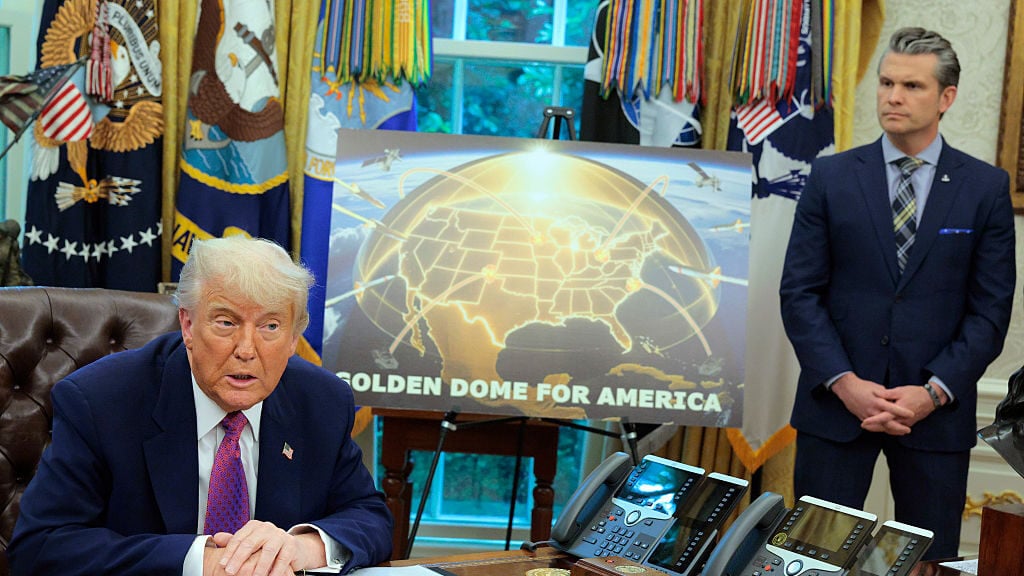
Funding contained in the bill is required for the Trump administration to hit $1 trillion in defense spending in fiscal 2026.


The MQ-9B and Gambit Series represent parallel capabilities that address global challenges for security head-on.

Some Republican defense hawks in Congress are already expressing disappointment for the plan, with Senate Armed Services Committee Chairman Roger Wicker outright stating that the administration “is not requesting a trillion dollar budget."

The war in Ukraine, especially the lightning-fast EW struggle, has shown the value of subscription-style services for communications, L3Harris’s president of communication systems told reporters.

Aaron Mehta and Lee Ferran walk through the reconciliation process, and then discuss global international defense spending.

HASC will take up the bill on Tuesday in a marathon markup session that will allow Democrats the opportunity to amend the measure.


Balancing security and access to data are critical to providing users with trustworthy, reliable data for real-time decisions.
"We intend to get this money out the door very quickly, working with the administration," said one senior congressional official.
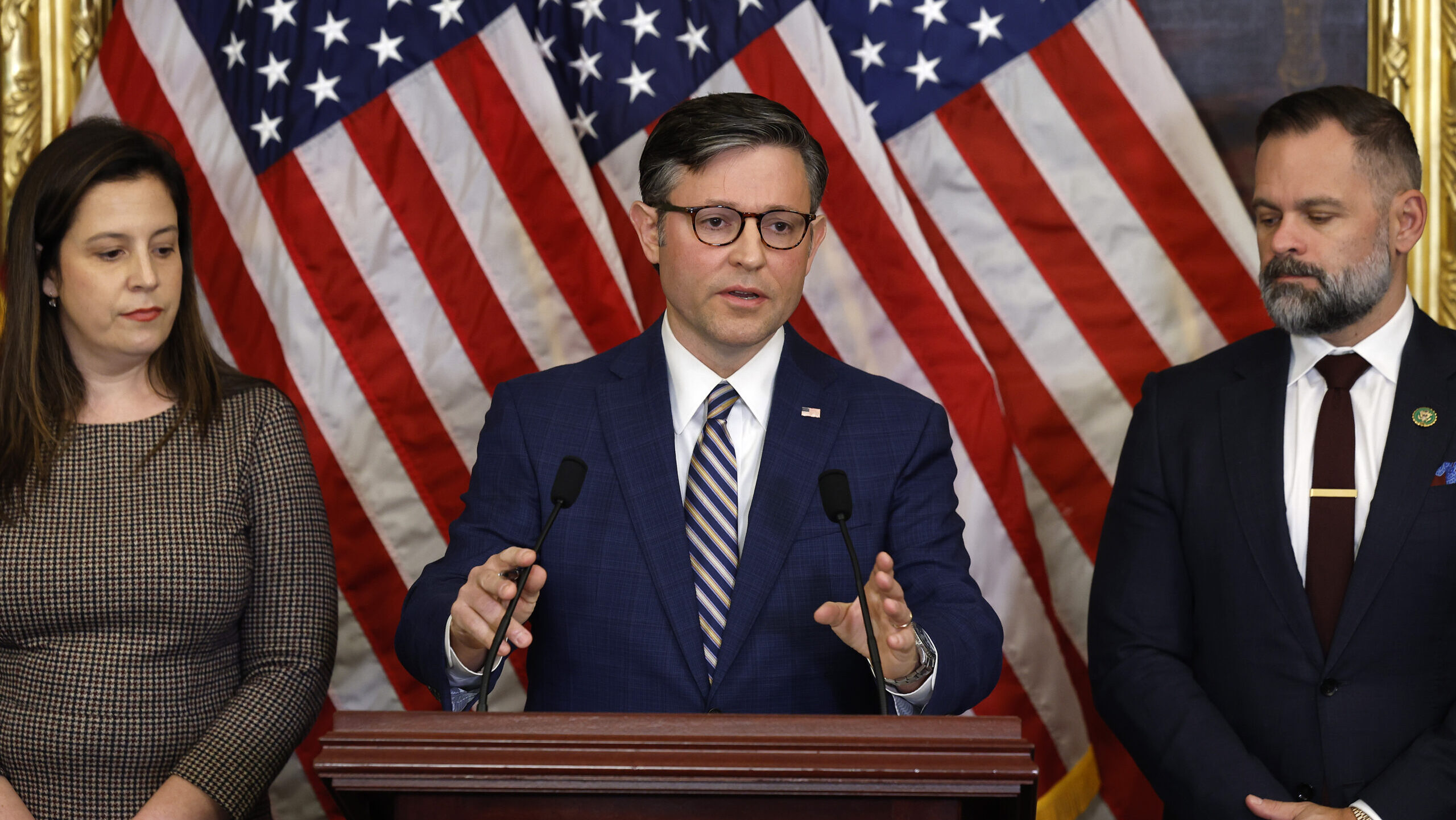
The House and Senate armed services committees have been directed to figure out how to spend extra defense funding, but have been given different monetary targets.
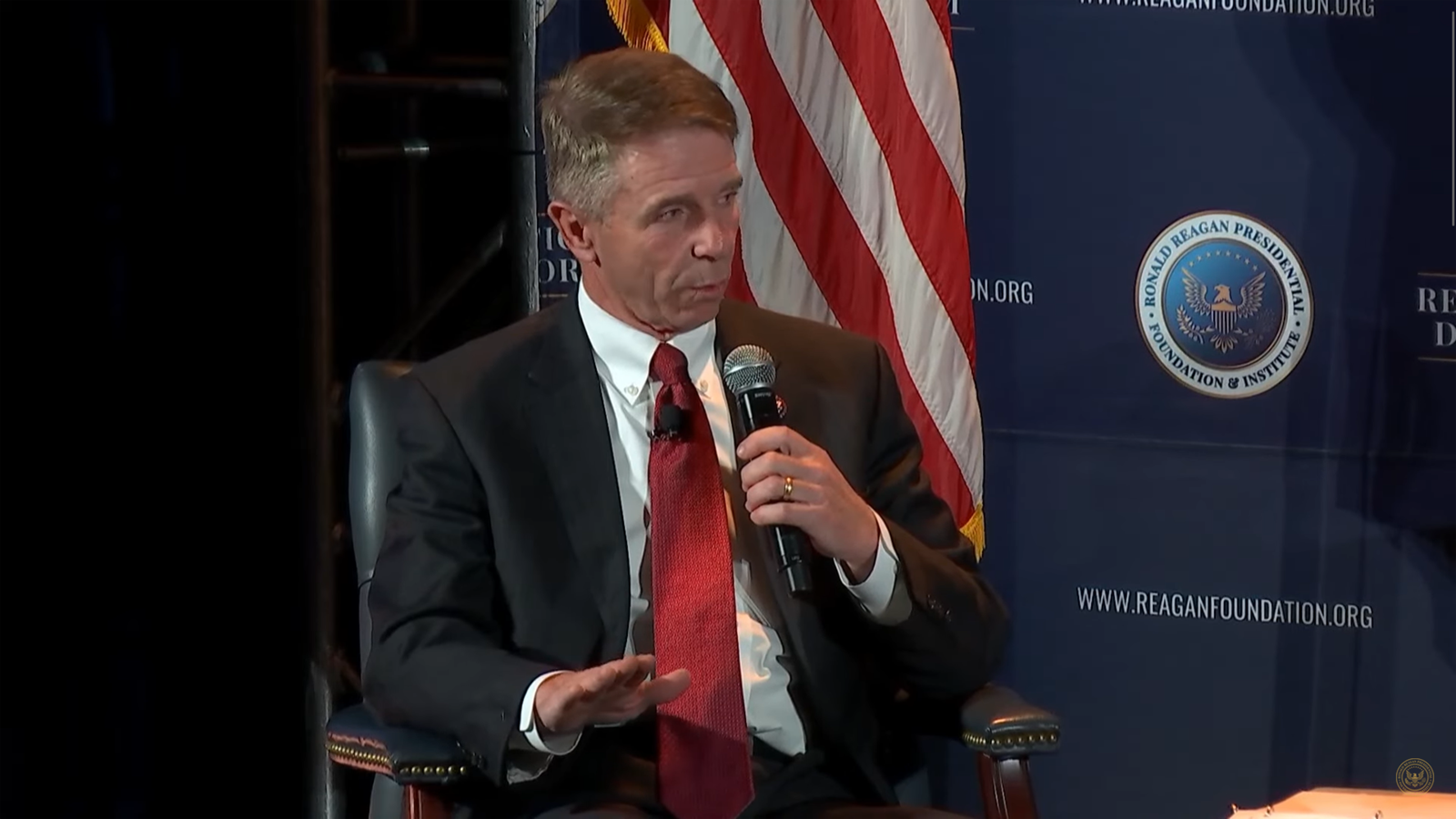
"Obviously we need to be building submarines, ramping those things up, but it's also about getting those dollars out there for these attributable, expendable systems.” said Rep. Rob Wittman, R-Va.

“The real flaw in in the CR that we'll be voting on later this week is that it doesn't provide enough money, regardless of the anomalies and the tiny plus ups here and there,” Sen. Roger Wicker said during a SASC readiness subcommittee hearing.


On today’s battlefield, mobility isn’t optional - it’s mission-critical.

The Pentagon has made real progress in reaching beyond its historical contractors to “maturing defense startups,” the Ronald Reagan Institute said, but much work is needed.

Unlike the Senate — which opted for a two-bill strategy that starts with approving additional funds for defense, border security and energy — the House is pursuing what Trump has called “one beautiful bill” that would also raise the debt limit, and include tax cuts and government spending cuts.
The new budget resolution tees up a separate process for the Senate and the House as the two legislative bodies grapple over how best to enact President Donald Trump’s policy agenda.

“I hope and believe that President Trump's pledge to restore peace through strength so that we can avoid conflict is going to be followed through with adequate funding,” Senate Armed Services Committee chairman Roger Wicker told Breaking Defense in an exclusive interview.