
Senators Introduce Bill Requiring Notification Of Cyber Incidents Within 24 Hours
"We shouldn’t be relying on voluntary reporting to protect our critical infrastructure," Sen. Warner said.
"We shouldn’t be relying on voluntary reporting to protect our critical infrastructure," Sen. Warner said.
Sen. Warner's draft legislation, long expected, marks one of the first attempts to create a federal law mandating cyber incident reporting by some entities. Notably, the bill provides reporting entities with a degree of privacy and legal protection.


On today’s battlefield, mobility isn’t optional - it’s mission-critical.
"My hope is that we can create this structure... to get an early warning system," the Senate Intel Committee chair said. "Voluntary sharing is no longer effective."
"That was a list of about as many awful things in 10 minutes as I may have heard in recent time," Sen. Mark Warner said of the DNI's threat assessment. Top of mind: China, cyber, and emerging tech.

Microsoft President Brad Smith testified that a team of internal Microsoft security experts investigating the breach at the company estimated that the SolarWinds hack involved the work of "at least 1,000 engineers," the sort of scale that would require a government's commitment of people and money. Three top cyber leaders told lawmakers that old security models are no longer adequate for today's IT environments.
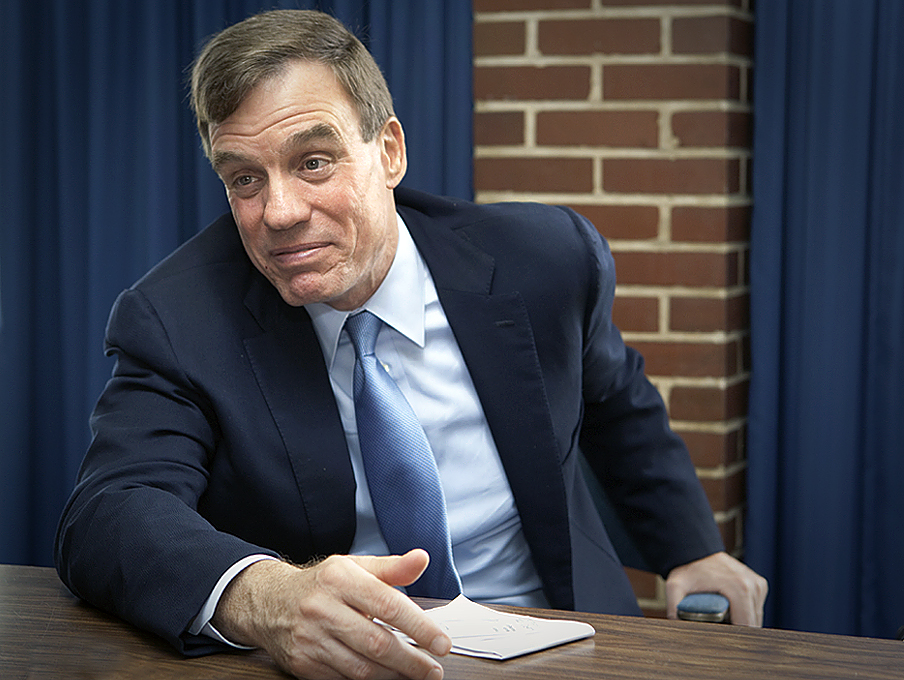
“Even though there's been a great deal of bipartisan legislation proposed, the majority leader [Sen. Mitch McConnell] has not let any of these bills come to the floor,” the Virginia Democrat said.


Midsized companies can offer flexibility and agility while keeping intellectual property in the hands of the government.

RAND is warning Congress and the Air Force "that there may not be enough resources right now being allocated to launch" to mitigate the risks in NSSL acquisition plans.

Former intelligence officials told us they were worried about London’s decision to allow the Chinese giant’s technology on parts of its new 5G network. A vulnerability anywhere in the system, they argue, threatens security everywhere.

With members from Congress, the executive branch, and the private sector, the commission plans to issue a final report by year's end.
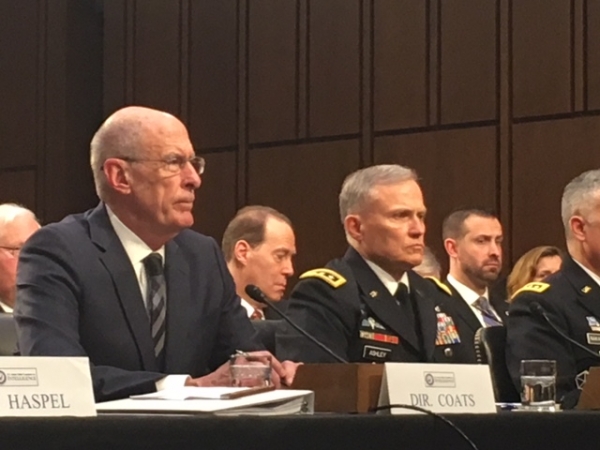
WASHINGTON: The Intelligence Community does not agree with President Trump that North Korea is “no longer a nuclear threat.” We know that because Director of National Intelligence Dan Coats told the Senate Intelligence Community today that Kim Il Sung’s country is “not likely to give up” all its nuclear weapons. Here’s our story two years […]


Do more with less: streamline workflows, reduce duplication, invest upfront to save long-term.

The Pentagon and, increasingly, Congress have grown frustrated with tech giants who shy away from US government work while flocking to Beijing to tap a massive -- but authoritarian -- market.

The great challenge for intelligence agencies in the age of Trump was dramatically highlighted this month when a senior South Korean delegation arrived at the White House carrying a secret bombshell message. North Korean dictator Kim Jong Un wanted a face-to-face summit with President Donald Trump to discuss Pyongyang’s nuclear weapons program. Waiting to debrief […]

WASHINGTON: One of the most controversial new weapons in the US arsenal, the Long Range Standoff cruise missile (LRSO), meant to replace the Air Launched Cruise Missile, came under direct fire by a top Senate defense and intelligence lawmaker, Sen. Dianne Feinstein. The senior California senator holds seats both on the Senate Appropriations defense subcommittee […]

Ever since the day of its creation, critics have slammed the Office of Director of National Intelligence as an expensive and unnecessary bureaucracy, a threat to the longtime primacy of the Director of Central Intelligence and a toothless tiger. Much of that changed during the joint tenures of DNI Mike McConnell and SecDef Bob Gates […]