
Navy establishes new defense industrial base office: Cao
Andrew Magliochetti, who previously served as the director of the Navy’s Office of Small Business Programs, will oversee the Office of the Defense Industrial Base.
Andrew Magliochetti, who previously served as the director of the Navy’s Office of Small Business Programs, will oversee the Office of the Defense Industrial Base.

The bill resolves a months-long gridlock between the heads of the Senate Small Business and Entrepreneurship Committee over how to reform the SBIR program.


Architecture that linked sensors, C2, RF effects, and lasers into a distributed c-UAS kill chain.

The Army’s recently announced NCODE secure enclave is one model that OSD is looking at, said Derrick Davis of the Office of Small Business Programs.

“We were very disjointed” in efforts to support contractors, admitted Pentagon CISO Dave McKeown. “We want to make that more streamlined."

Six small companies got $100,000 awards to do an eight-week sprint on ways to move the Army to electric power. Meanwhile, an academic study denounced the Army’s plan for mobile nuclear reactors.
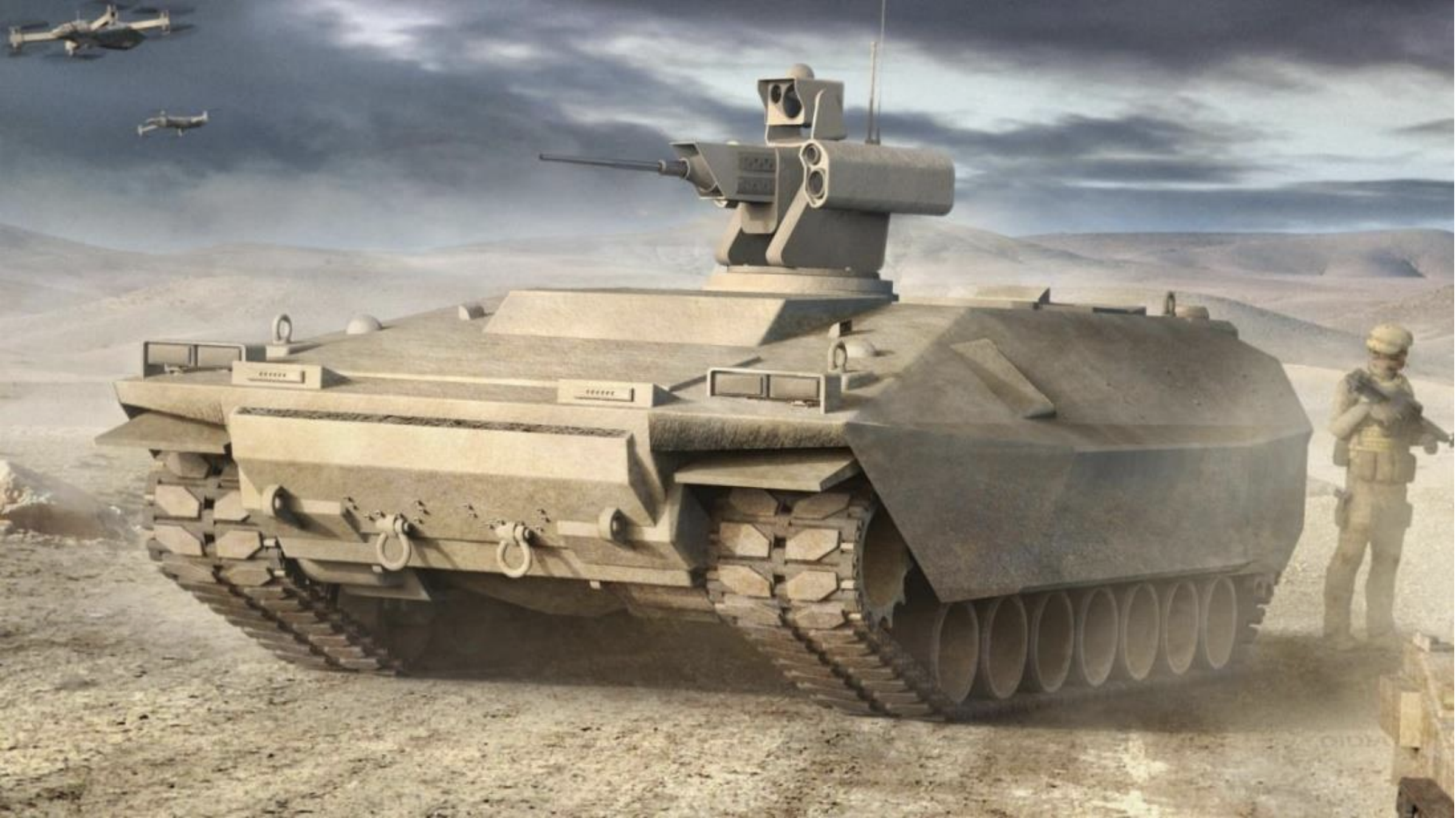
“We realize that we may be considered an underdog,” says the company, which has never built a vehicle before, “but that is not going to stop us” — and the Army has explicitly sought out small businesses with big ideas.
AI is reshaping the Army’s approach to cyber, electronic warfare and command and control. At TechNet Augusta 2026, leaders outlined how they’re turning emerging technology into capabilities for the battlefield.
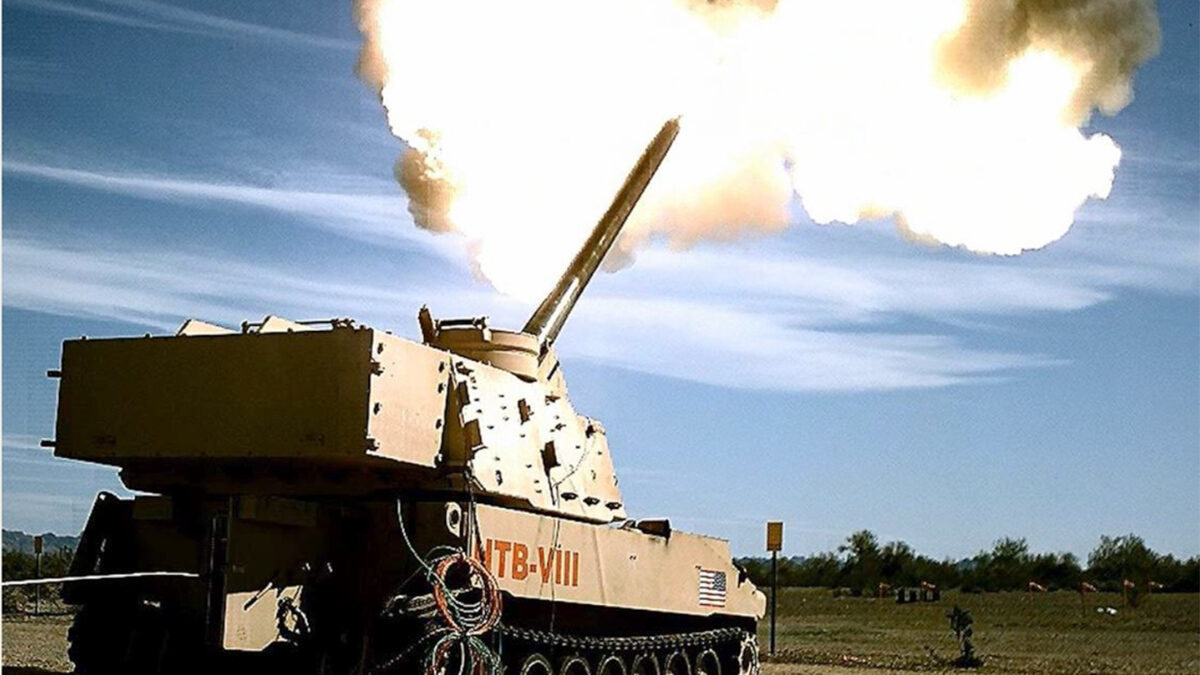
Five small businesses won SBIR Phase II awards to build robotic arms to handle shells, software to manage ammo inventory, and other prototype technologies.
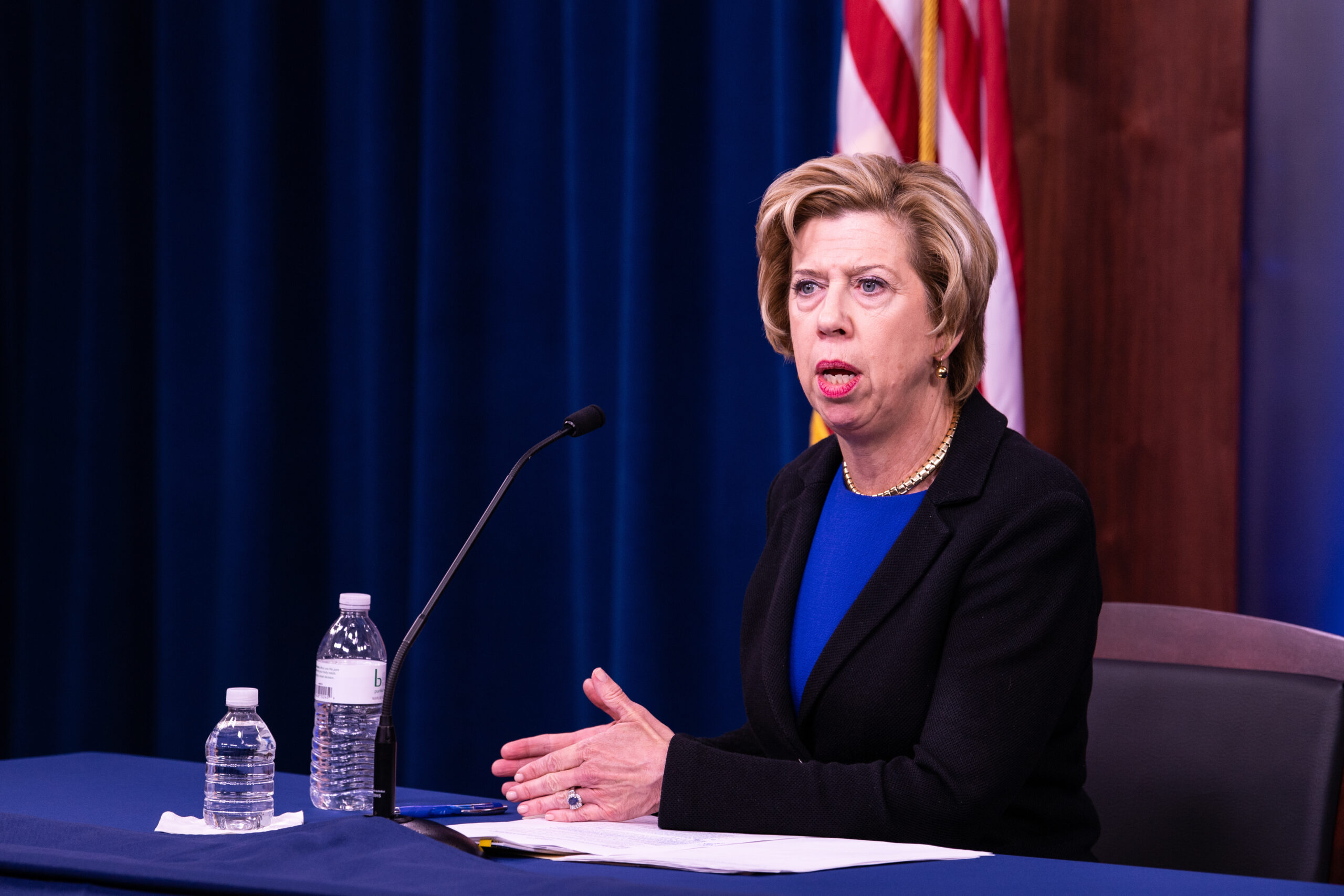
"The impact of the COVID crisis in the aviation sector has been really nothing short of catastrophic," said Hunter. "At this point, it's very challenging for those companies to stay in business."

The service’s xTechSearch contest is vetting novel designs and aims to build and deploy at least 10,000 devices within eight weeks.

From throwable cameras to magnetic brakes, from disease prevention to battlefield networks, these small businesses have technologies the Army really wants. Read on to find out why.

AI tools are critical components of modern warfare, but must be protected to ensure they are reliable.

The Army launched its Shark Tank-style xTechSearch before coronavirus hit, but several of the small firms competing for $1.2 million in prizes are working on ways to help.
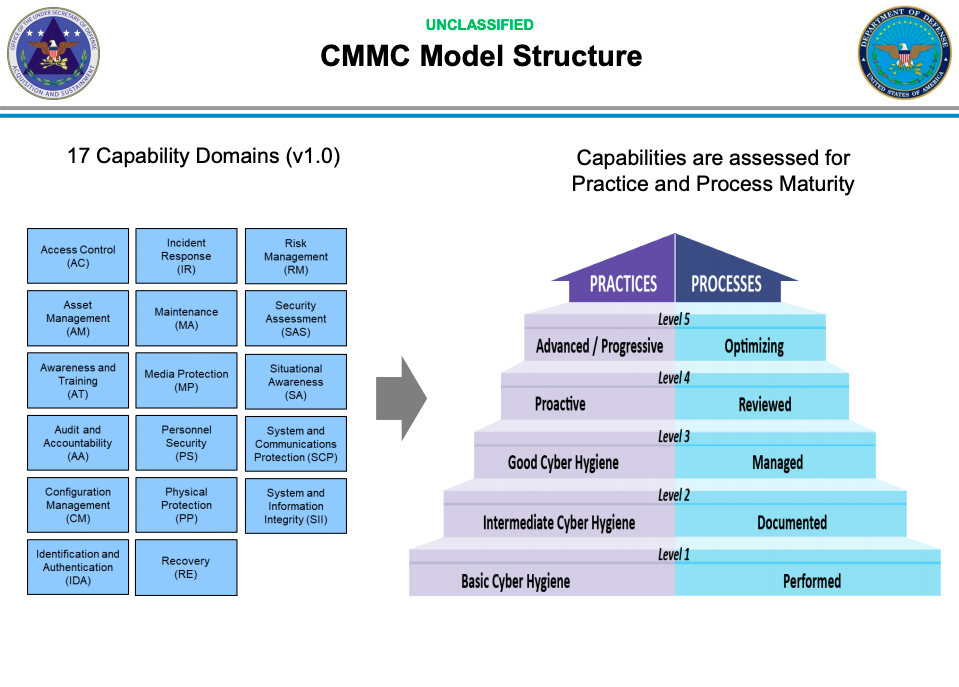
Undersecretary Ellen Lord took pains today to emphasize companies would have plenty of time and plenty of help to meet new security standards. Is she going too slow?

Read about the 20 innovators in AI, biotech, materials & more who will compete at AUSA’s Huntsville conference in March as the Army shakes up its acquisition system.
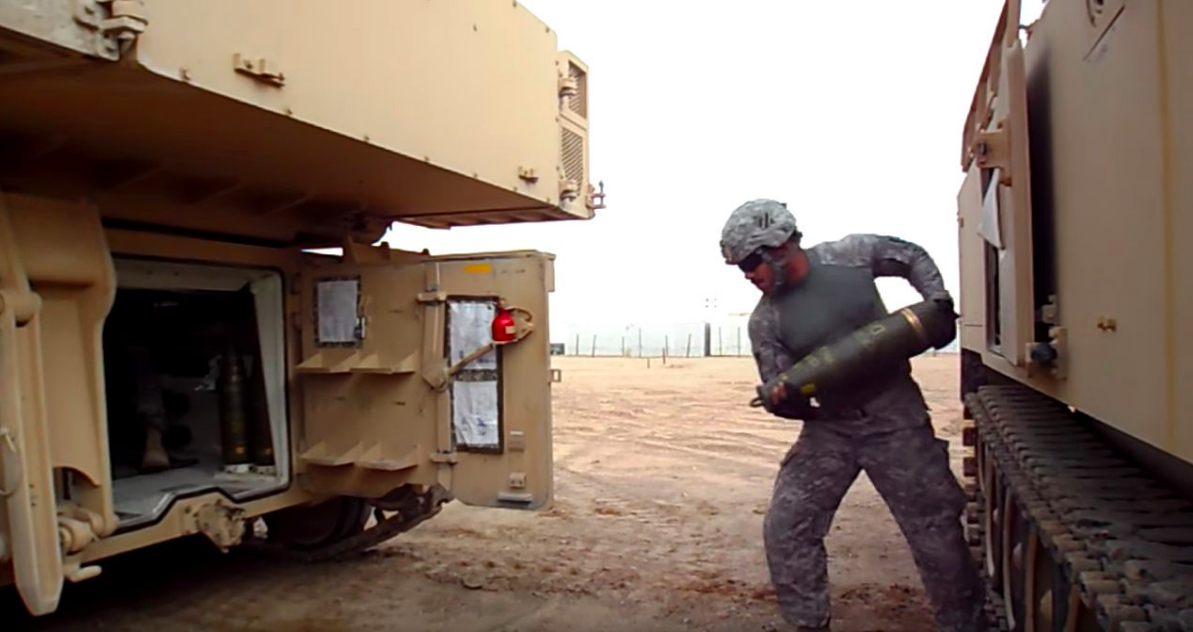
Six companies got $150,000 Field Artillery Autonomous Resupply contracts to study everything from exoskeletons that strengthen human ammo handlers to robots that might replace them.