Army shifts autonomy strategy to lean more on ‘awesome vendors’
An Army official told Breaking Defense the service's original plan to build a software backbone itself makes less sense now that there's real industry investment in the capability.
An Army official told Breaking Defense the service's original plan to build a software backbone itself makes less sense now that there's real industry investment in the capability.

After years of wanting and waiting, the Navy is now updating combat systems over-the-air on ships at sea, write two Navy Department leaders.
AI is reshaping the Army’s approach to cyber, electronic warfare and command and control. At TechNet Augusta 2026, leaders outlined how they’re turning emerging technology into capabilities for the battlefield.

The $450 million all-cash offer seeks to improve DRS's ability to offer a wider range of technologies to customers.
Instead of waiting until all the tank's fixings meet every requirement, the service wants soldiers in the field to “plug and play” with various hardware and software components, Chief of Staff Gen. Randy George said.
“For years we’ve been trapped by the color of money,” Army Undersecretary Michael Obadal said. “We try to buy modern, agile software with rigid funding authorities, and predictably….it doesn’t work.”

Northrop’s new Prism software will not only fly the aircraft but also allow partner companies to plug-and-play all sorts of software modules for different missions and special equipment, Northrop Grumman's Dan Salluce told reporters.


Manufacturing scale, global sustainment, and next-gen tech are becoming inseparable.

“Like Frank's Red Hot Sauce, we should be trying to put AI on anything that you can," said David McKeown, a senior cybersecurity official.

The six companies will partner with Northrop to develop and scale autonomous flight capabilities during flight demos later this year.

Cybersecurity skills must evolve in near-real time as Zero Day threats continue and AI provides new challenges.
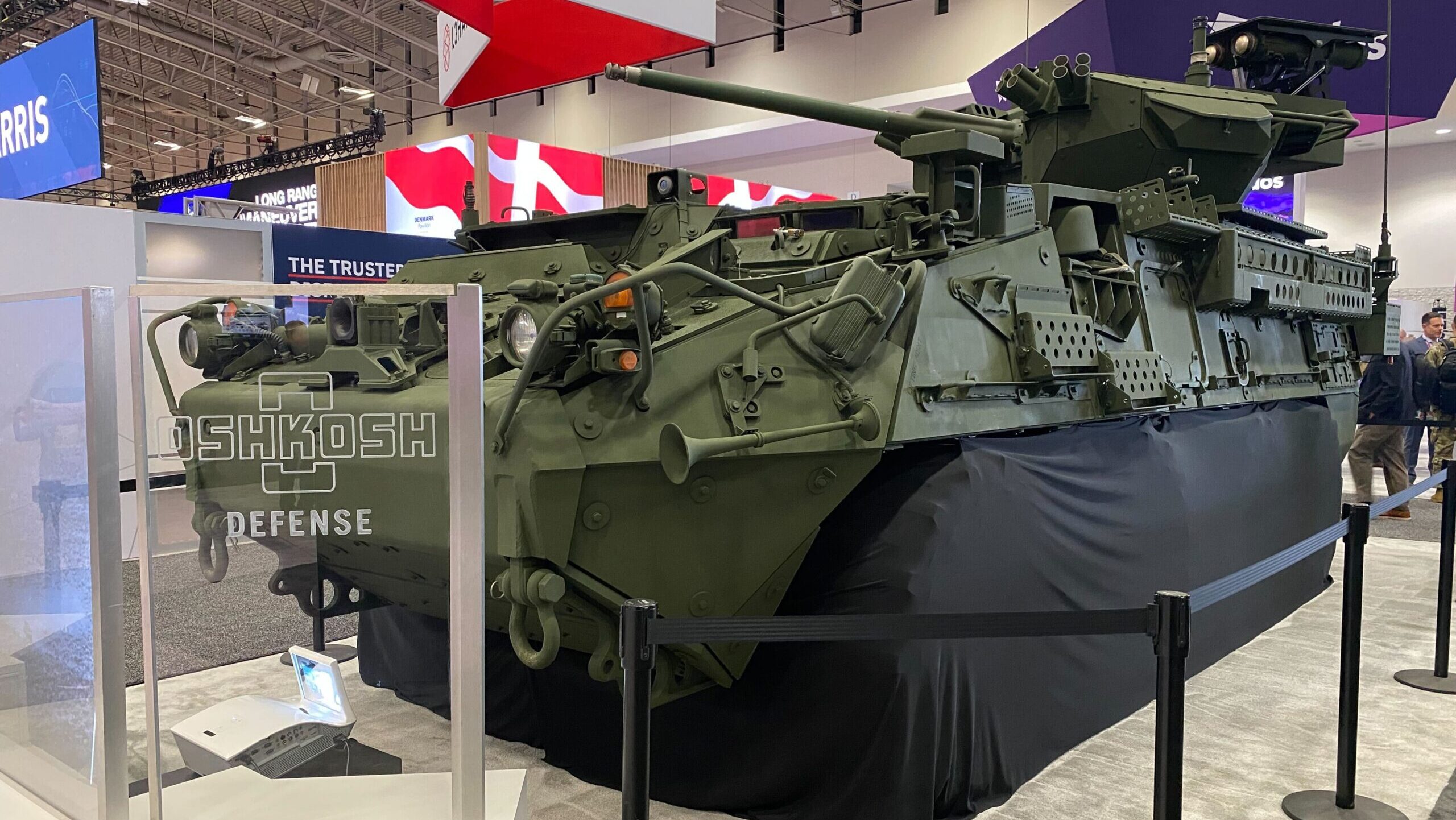
“I want to make it very clear that the turret is not a mission essential system, if the turret was to go down, the vehicle is still mission capable,” said Clifton Boyd, the project manager for the Stryker brigade combat team.

Traditional thinking about how to protect facilities must adapt to new threats such as drones or downstream attacks.

The defense tech startup disclosed a new “Barracuda” weapon, and put on a demo for reporters where drone wingmen were controlled using voice commands.
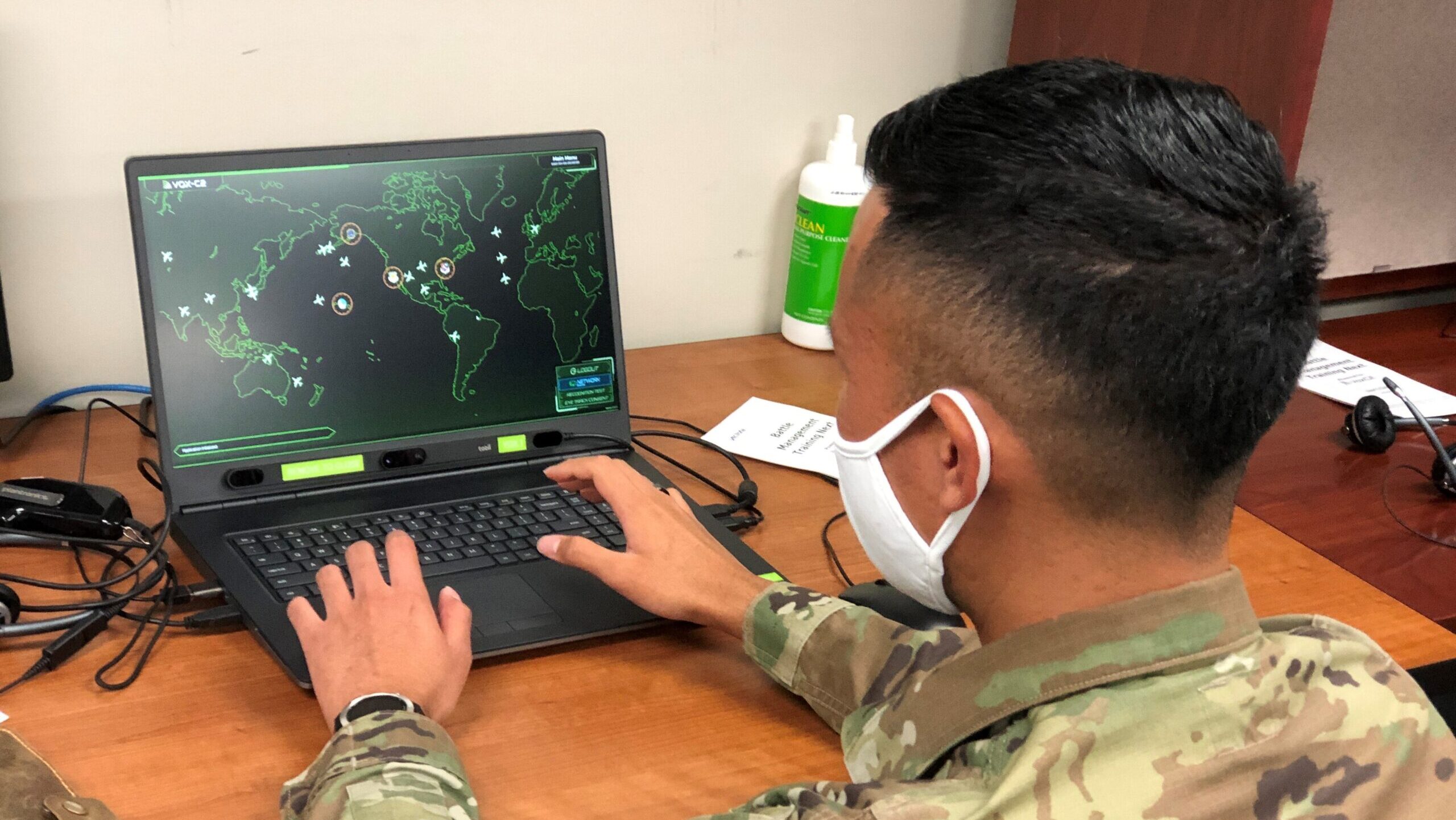
“The combination of Iron EagleX and GDIT represents a new chapter in our company’s stated goal of having a ‘generational impact on national security,’” said Michael Grochol, Iron EagleX’s CEO.

"If some companies don't want to bid on a contract, it's a free country. Don't bid. Others will," Doug Bush said. "My goal is simply to get the capability for the Army, not to make everybody happy."
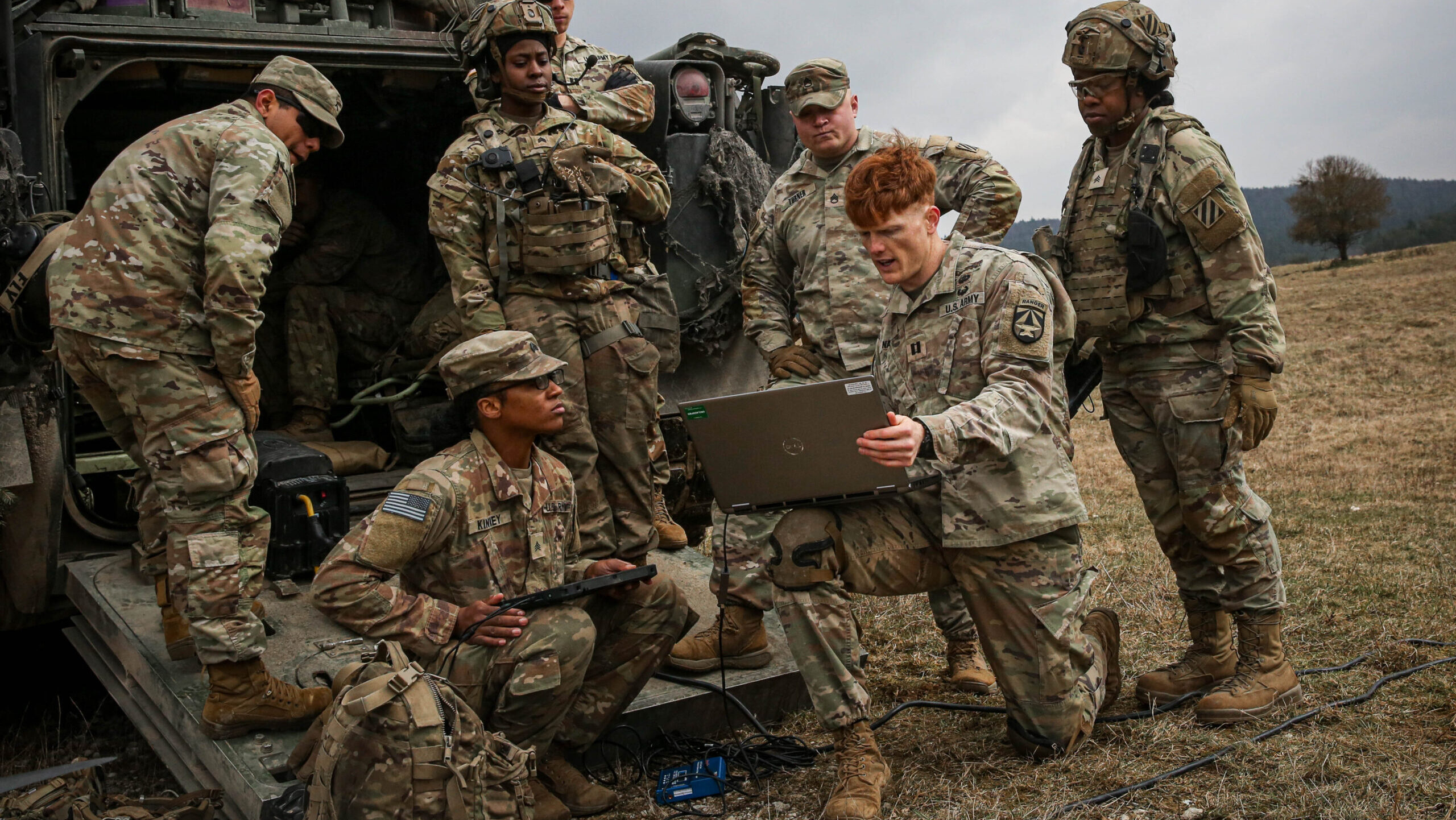
“Many of the right things were said publicly,” Warren Katz, chairman of the Alliance for Commercial Technology in Government, told Breaking Defense. “However, those sentiments do not seem to have translated into the RFI and directive documents.”