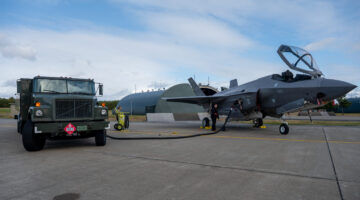
CycloKinetics wins $86.3 million Pentagon contract for alternative fuels
The Utah-based startup is pioneering new “drop-in” propellants that can substitute prevailing forms of energy.
The Utah-based startup is pioneering new “drop-in” propellants that can substitute prevailing forms of energy.
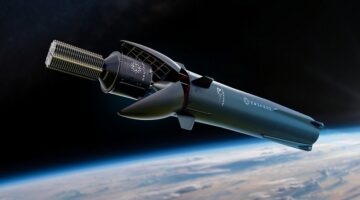
One industry source told Breaking Defense that the reason for the spate of new loan announcements is that the Pentagon "needed to finalize loans by the end of the fiscal year."

From electronic warfare threats to coalition data sharing, discover how US and allied forces are strengthening the digital battlespace across the Indo-Pacific.

The largest MoD investment detailed in the new strategy is a planned £880 million between 2026/2027 and 2029/2030 for intelligence, surveillance and reconnaissance, and space control "activities."
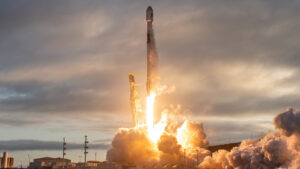
The space industry lauded a new Trump administration 1,000-launches-a-year space policy, but experts told Breaking Defense that the current space infrastructure doesn’t have enough capacity and someone’s going to have to pay, potentially a lot, to change that.
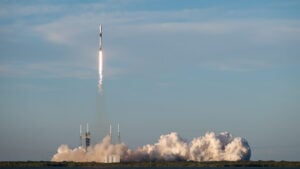
Lt. Gen. David Miller, Space Force deputy for Strategy, Plans, Programs and Requirements, said on Tuesday that the service alone is looking at some 1,000 launches between fiscal 2027 and 2031.

AE Industrial will take a 60 percent stake in the new business focused on civil and commercial space; L3Harris will maintain about a 40 percent share.
From autonomous warfare and drone innovation to acquisition reform and defense industrial base challenges, Breaking Defense examines the key developments and strategic priorities shaping the US Army’s future at AUSA 2026.
ESA's ruling Council of Ministers approved a whopping $25.7B in funds over the next three years — a 32 percent increase over the previous three-year budget.

SpaceX was assigned seven NSSL Phase 3 Lane 2 launches under a contract worth $714 million; ULA two launches worth $428 million.
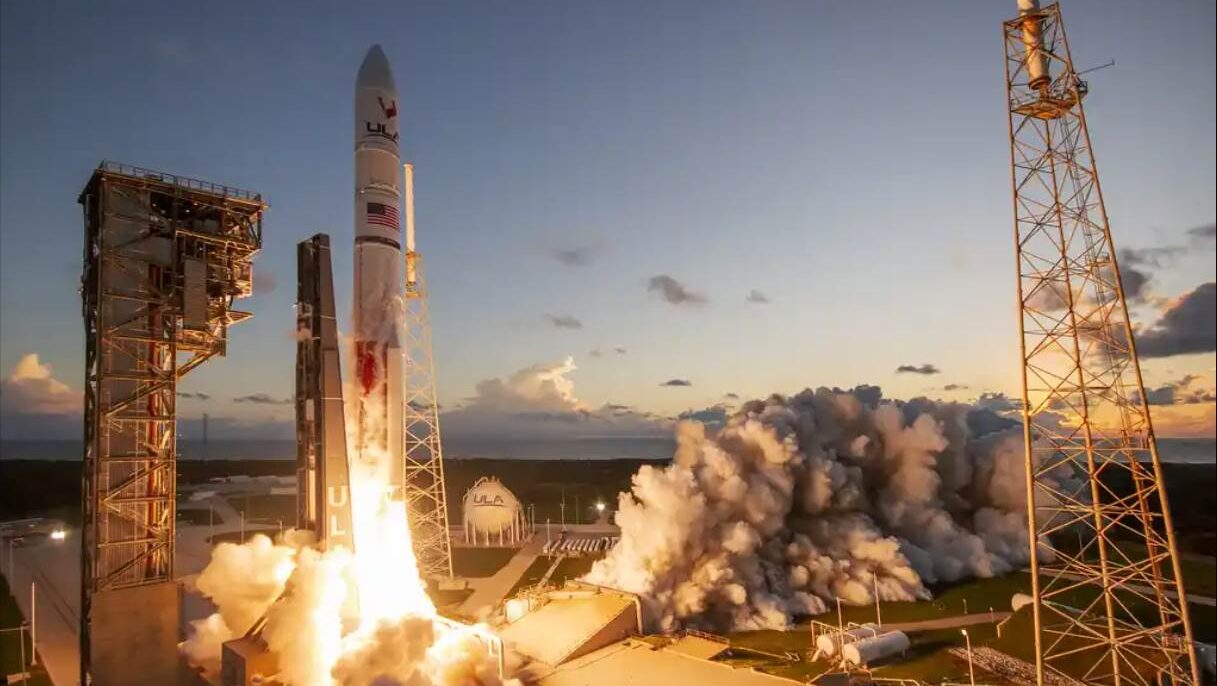
The draft EO would eliminate, waive and/or loosen federal environmental protection reviews required for launch licenses, including for those from Space Force ranges.

While US spending on national security space continues to dwarf that of the rest of world, non-US military space spending has jumped a whopping 76.5 percent over the last five years.

Ensuring SI models and their underlying data are kept secure is critical to building digital tools that can be deployed readily in warfighting environments.
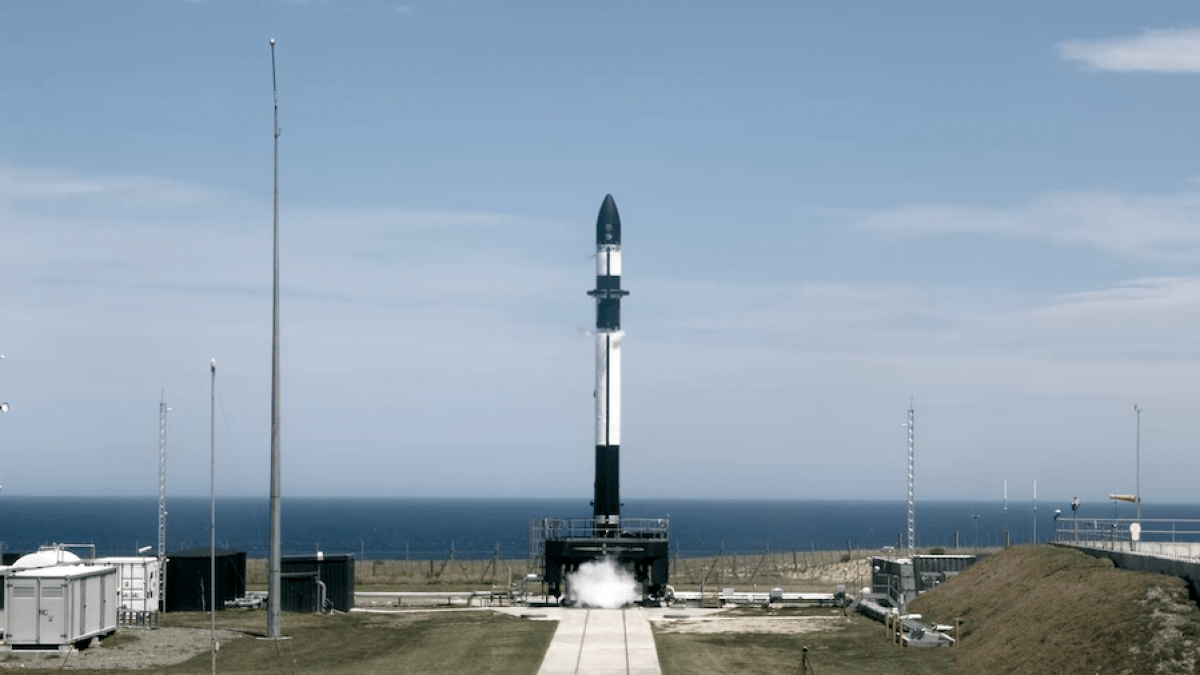
While not necessarily a near-term possibility, Brig. Gen. Kristin Panzenhagen said the Space Force is "looking at increasing the resiliency, increasing the ways that we have to get assured access to space, that's where the these initial discussions with our international partners are coming in."

The smaller SBI price tag enabled by the drop in launch costs could be offset by the need for a much larger number of satellites to fulfil Trump's Golden Dome plan, the Congressional Budget Office study caveats.

While the number of launches contracted to Blue Origin is small, the award represents a vote of confidence for the company founded by Amazon billionaire Jeff Bezos.
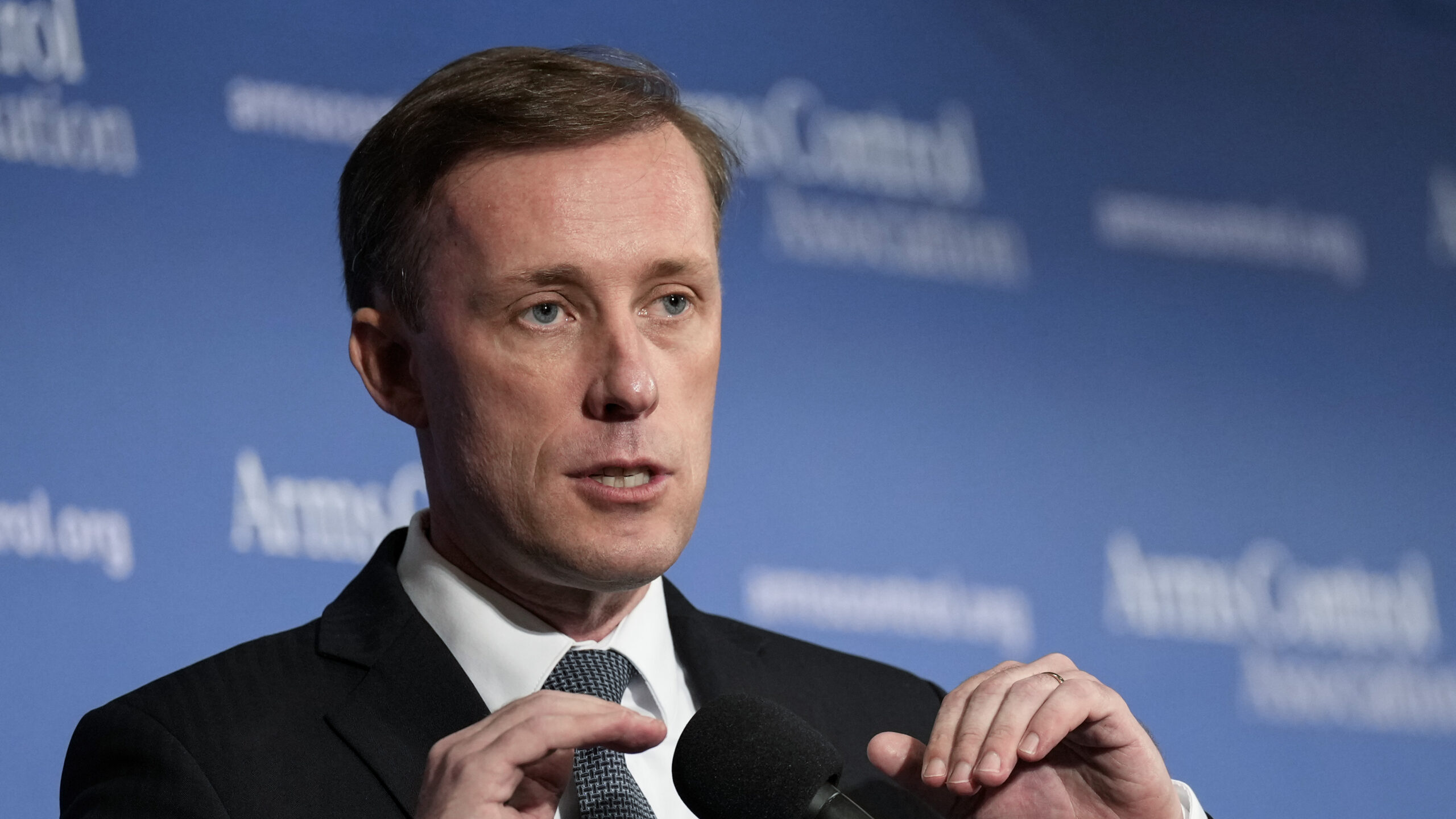
The new guidance "strengthens the U.S. ability to deter our adversaries, expands U.S. exports .... and broadens the scope of future space partnerships with U.S. allies and partners," one recent Biden official told Breaking Defense.