
Army doubles balloons for upcoming SWARMS demo, adds NORAD to the mix
"We're going to launch in multiple waves, demonstrating what a phased use of these might look like over time," said Andrew Evans inside the Army’s intel shop.
"We're going to launch in multiple waves, demonstrating what a phased use of these might look like over time," said Andrew Evans inside the Army’s intel shop.

The weapon is based around a modified Bofors 40mm gun and billed as a kinetic way to knock drones and swarms out of the skies.


On today’s battlefield, mobility isn’t optional - it’s mission-critical.
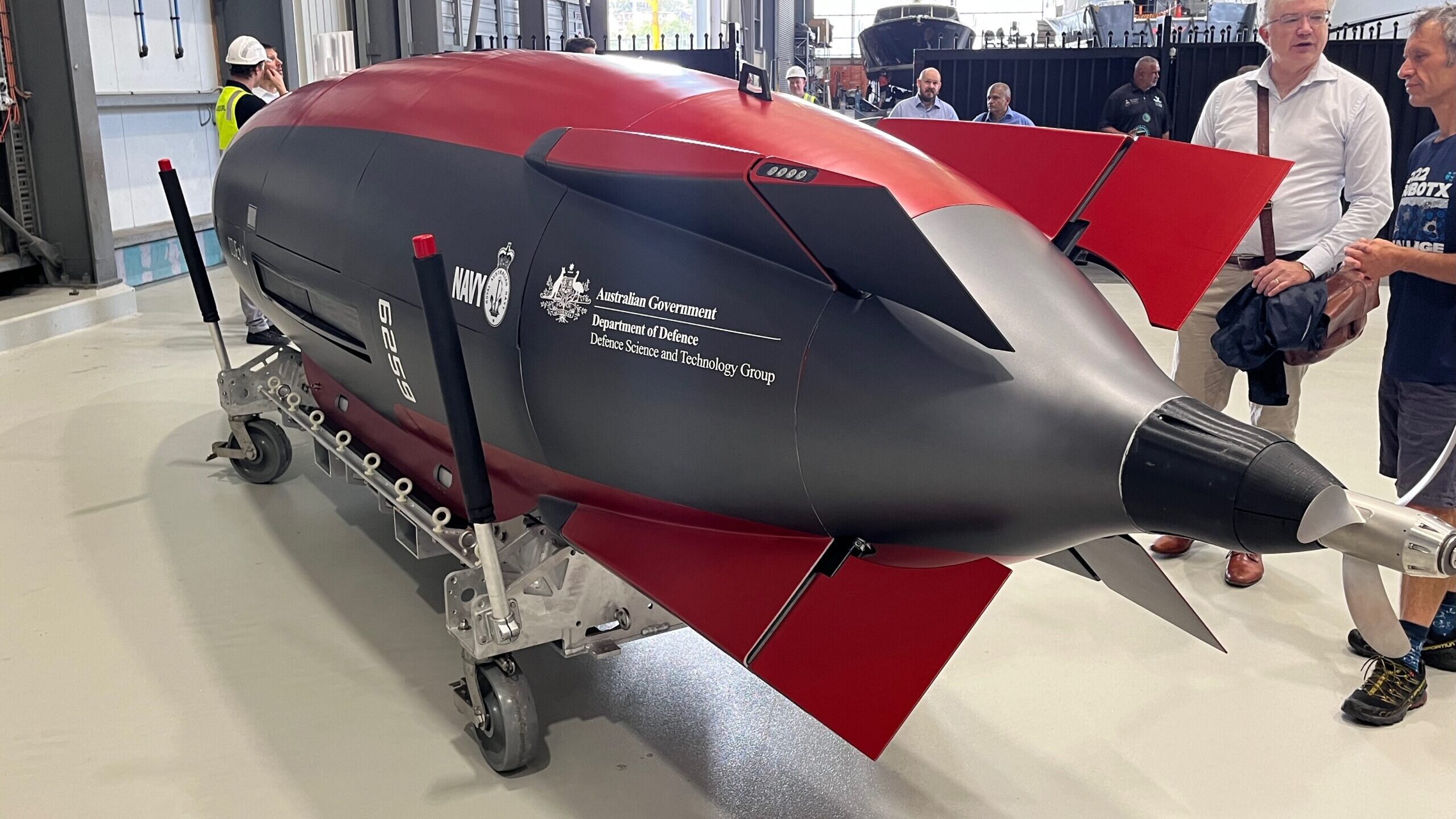
"Due to its modular and multi-role nature, our adversaries will need to assume that their every move in the maritime domain is subject to our surveillance and that every [sub drone] is capable of deploying a wide range of effects, including lethal ones," says Rear Adm. Peter Quinn.
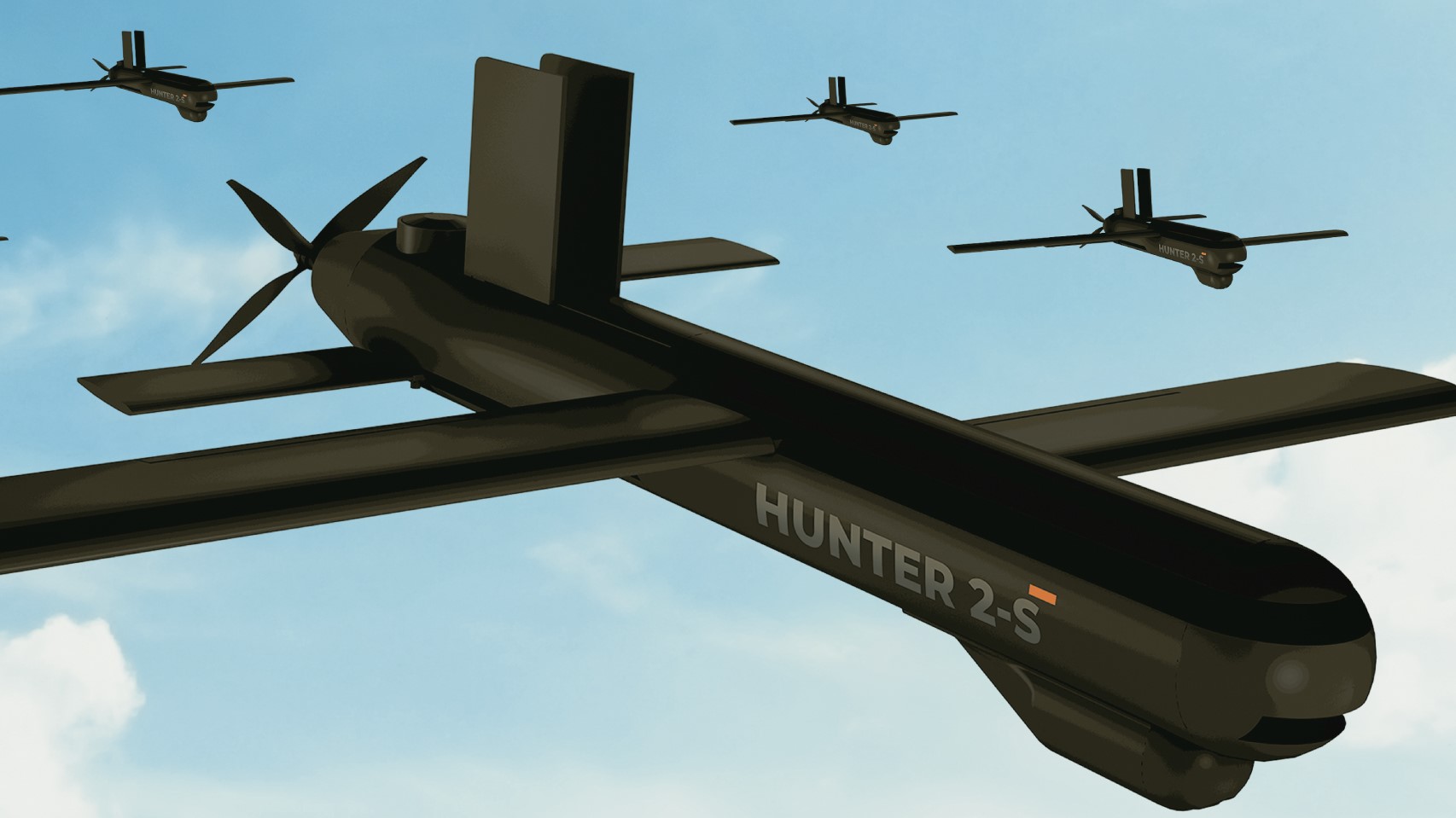
“Once the target is identified, a decision is made among the swarm, and based on the target size, shape, and category, they decide how many drones are needed to destroy the target," the company's CEO told Breaking Defense.

Crucial to the promise of MORFIUS is its ability to zap many drones at once in mid-air, far from the friendly vehicles, buildings, or people actively being defended.
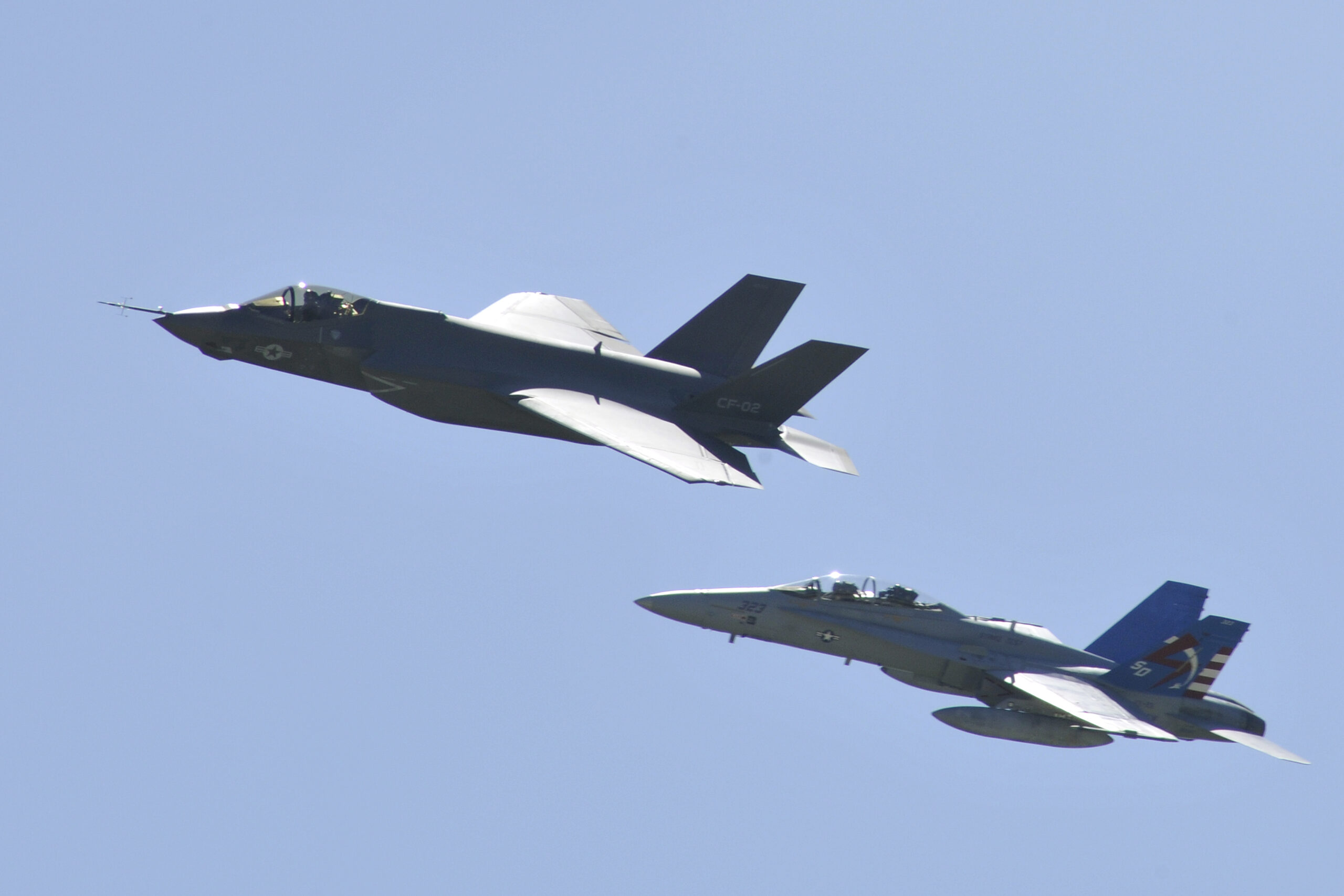
As defense budgets face post-COVID cuts, everyone wants to axe “legacy” systems. But the services define “legacy” very differently from defense reformers.


Partnerships with outside industry are a cornerstone of the kingdom’s ambitious growth strategy.
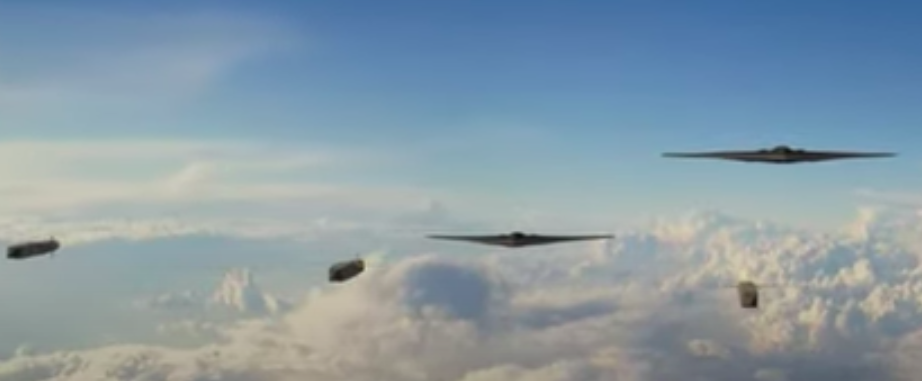
The new simulation environment will use 'digital twins' to rapidly test and iterate "collaborative autonomous networked technologies," AFRL explains.
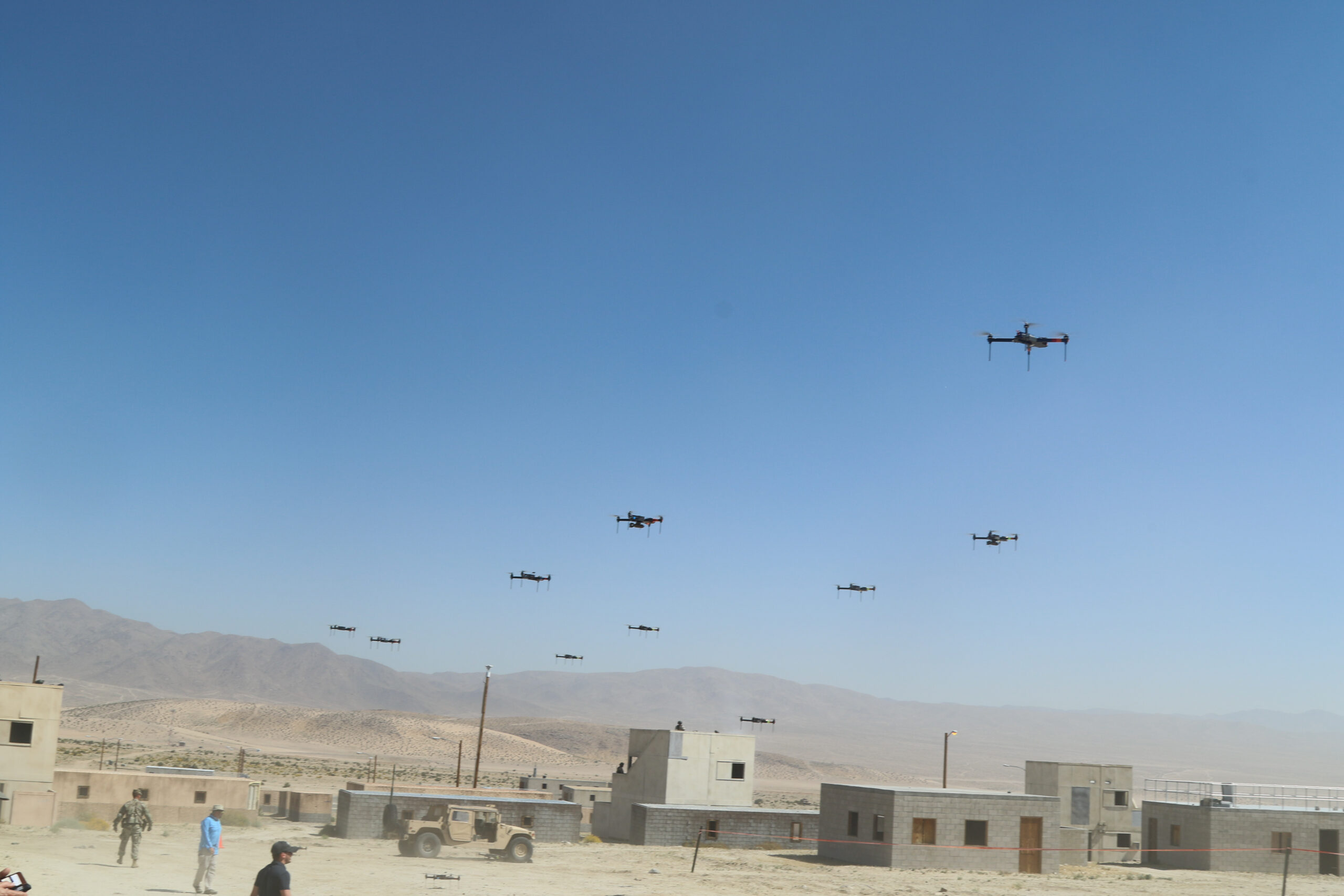
In April, the Yuma, Ariz. test range will host a competition of “low collateral damage” countermeasures designed to stop mini-drones without firing a shot. But can such a restrained approach stop the drone swarms Russia and others are developing?

DoD has "so many hundreds of programs that we really couldn't do a fair evaluation of each individual activity," Mark Lewis, director of modernization in the Research and Engineering office, said today.
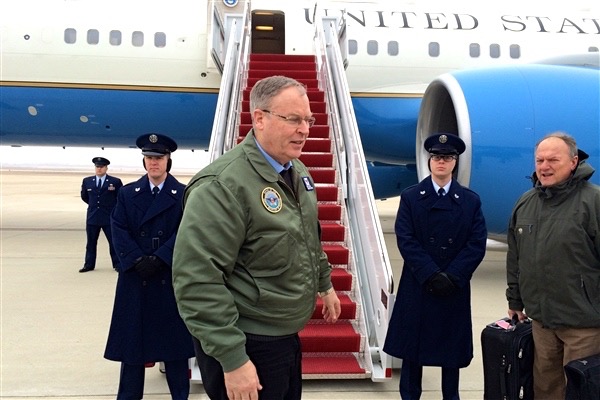
"They’re willing to say, 'I’m willing to sacrifice the lives of American servicemen and women, I'm willing to take more civilian casualties ... on the off chance that sometime in the future this weapon will exist."


Midsized companies can offer flexibility and agility while keeping intellectual property in the hands of the government.
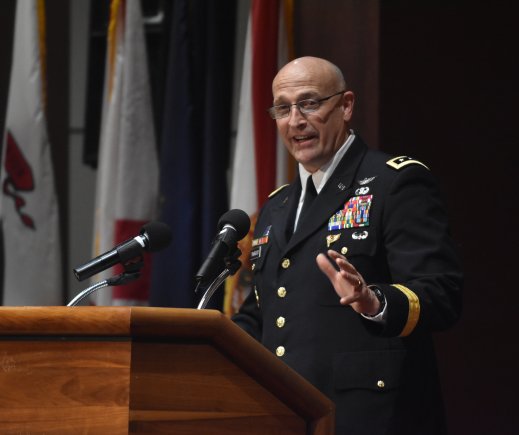
"You want to kill a swarm of things — whatever that thing is — lasers are not really a swarm-killing tool. They can kill things fast, but they can’t kill a swarm of things fast enough.”
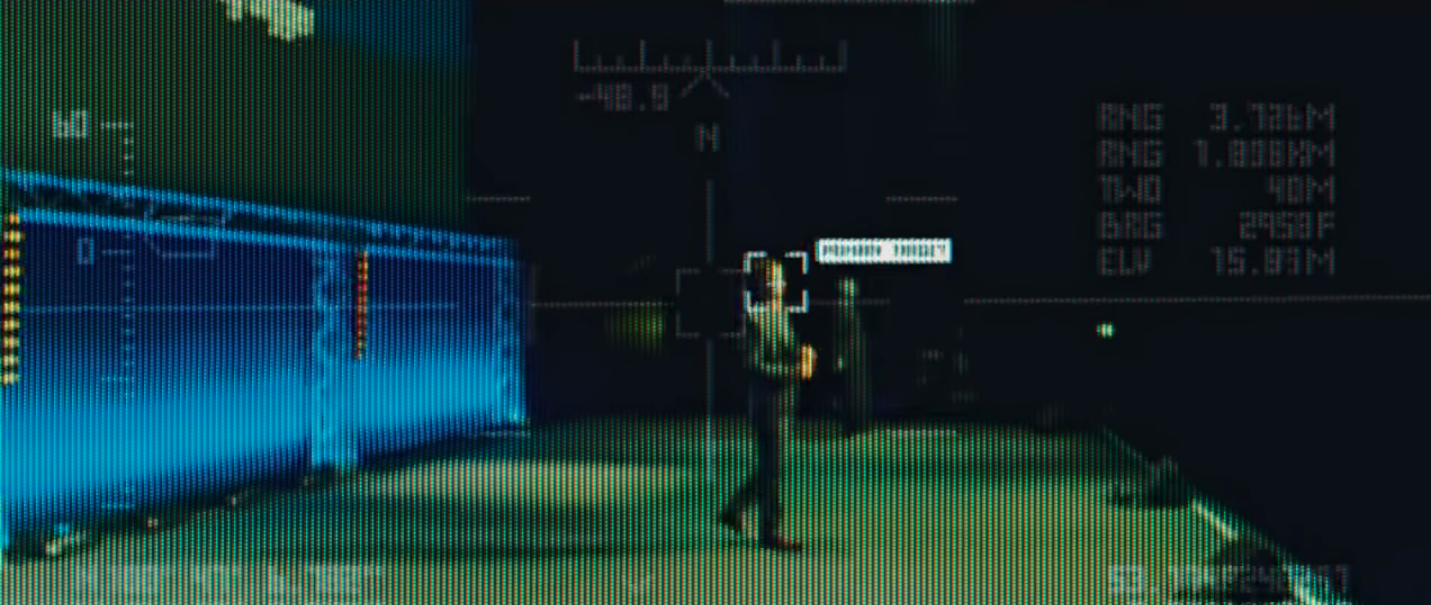
Don't fear robots who rebel against their human masters. Fear robots that obey the wrong human.

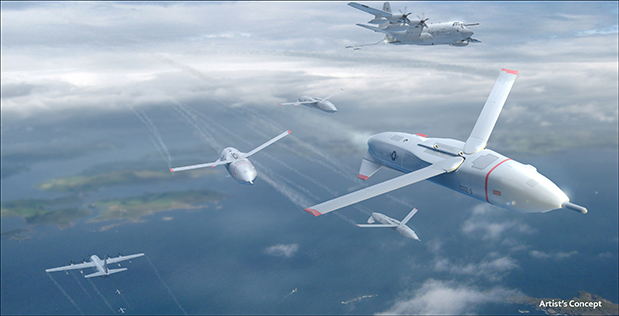
“These are engines that would fit on your tabletop," said Kratos exec Stacey Rock. "We don’t want hundreds of ‘em, we want thousands [of drones] to overwhelm the threat."

TARDEC, soon to be part of the new Army Futures Command, is exploring a wide range of Israeli robots. But IAI is already looking into the next generation: "flocks" or swarms of robotic systems that communicate with each other and collaborate to accomplish their mission.