
FARA: Why AVX Has A Shot At Army Scout
Dark horse design house AVX has never built a complete aircraft. The Future Attack Reconnaissance Aircraft competition just might change that.
Dark horse design house AVX has never built a complete aircraft. The Future Attack Reconnaissance Aircraft competition just might change that.

The Marines are hellbent on fielding the troubled CH-53K helicopter to supply the far-flung island outposts they plan on using against China.

Government can’t stop to update systems, so modernization has to happen without interruptions.

Awards for Future Attack Reconnaissance Aircraft designs went to Bell, Boeing, Karem, Sikorsky, and a partnership of AVX and L-3.
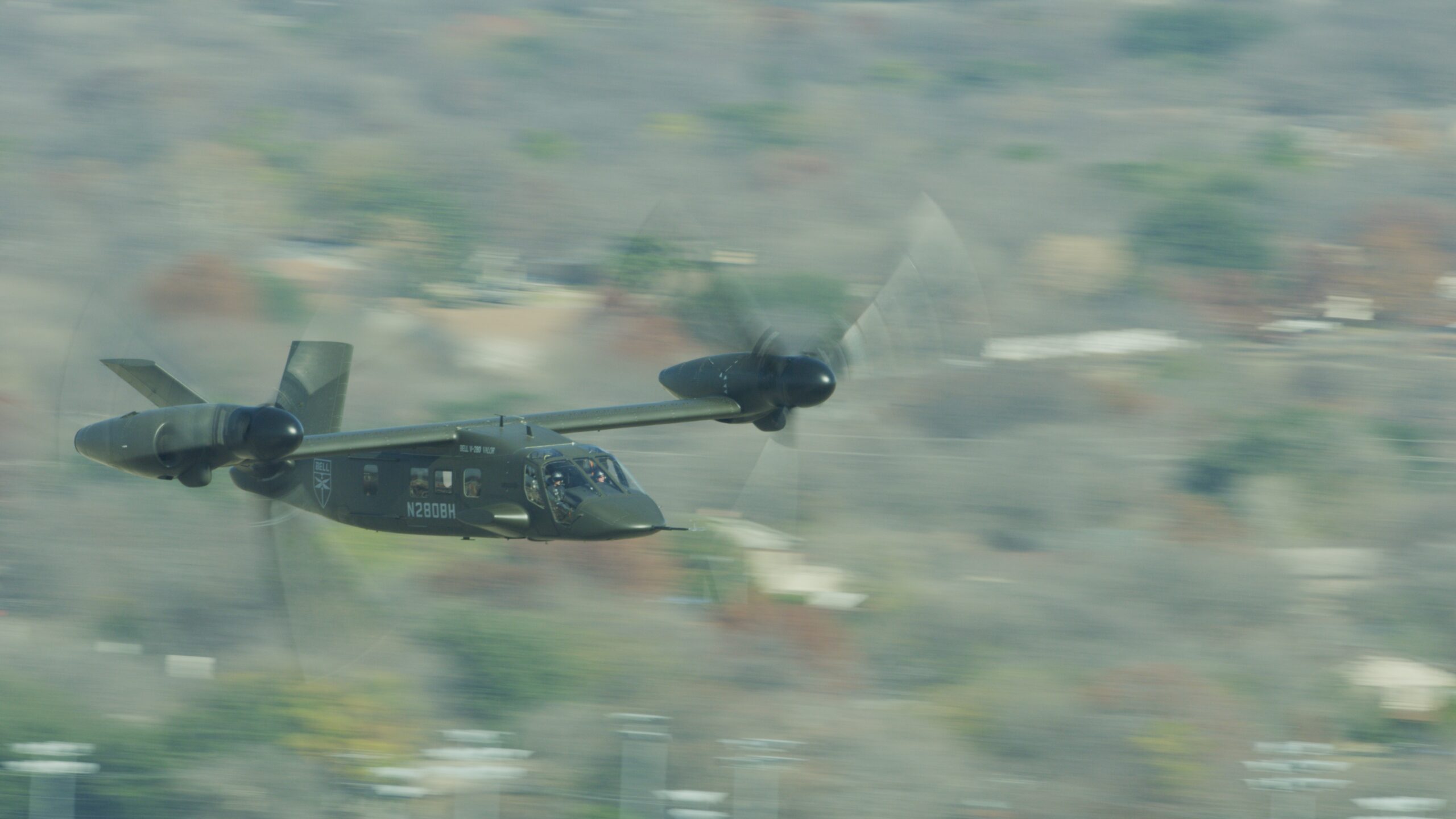
Bell's prototype tiltrotor keeps pulling ahead of rivals -- but the race to replace the UH-60 Black Hawk is far from over.
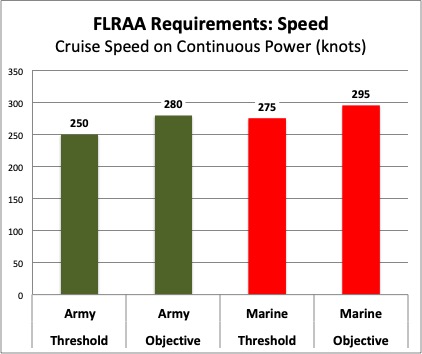
The Army wants a lot out of its Black Hawk replacement, at $43 million apiece -- but the Marines and special operators want even more.
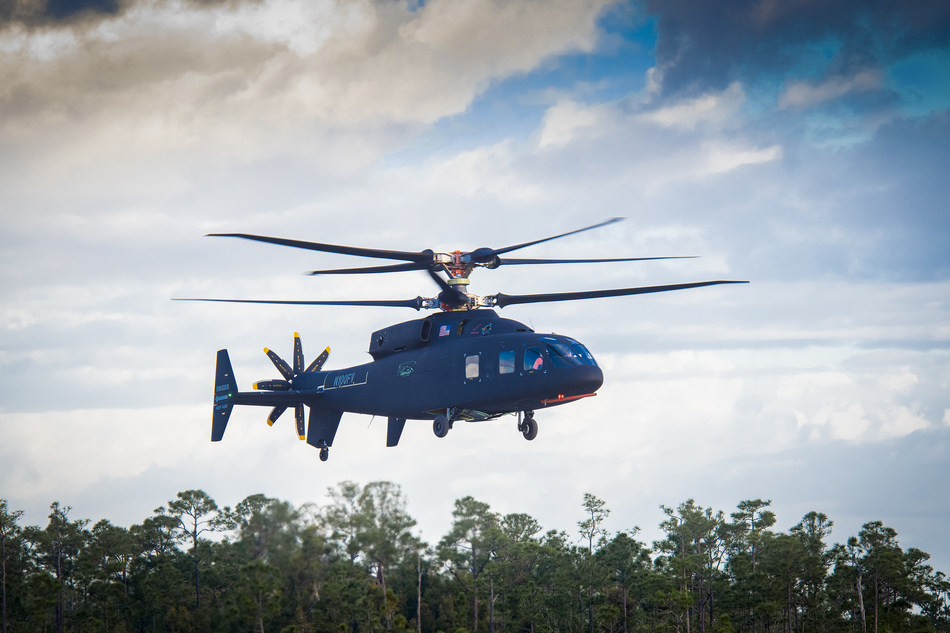
The thing that delayed Defiant, it turns out, is the same thing that makes it really attractive to the Army.

Do more with less: streamline workflows, reduce duplication, invest upfront to save long-term.
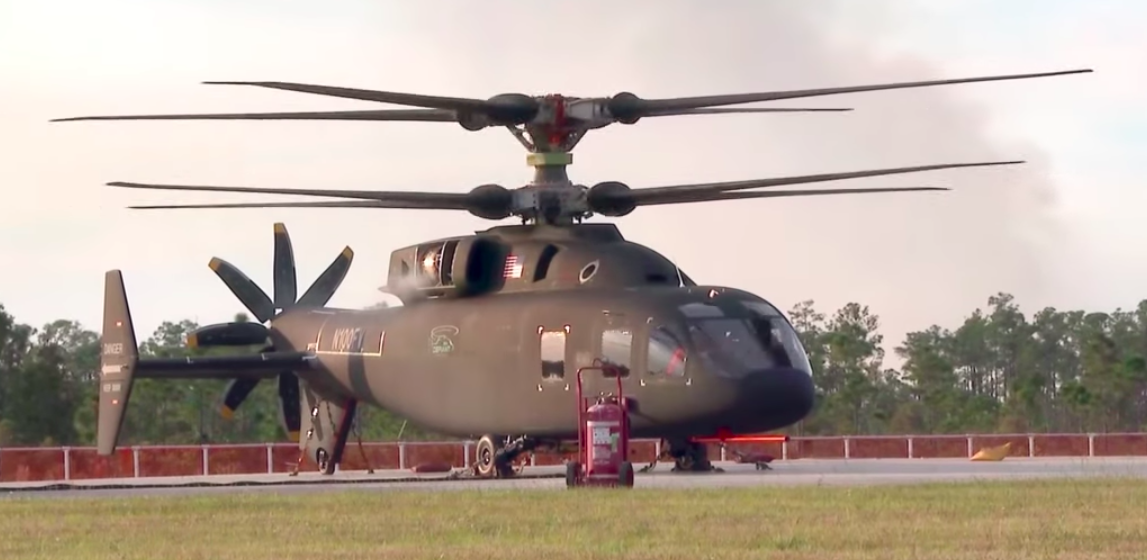
“Now that they've completed the initial ground run, the team can finish its work to clear the aircraft for first flight,” said Mike Hirschberg, executive director of the Vertical Flight Society. “Assuming the Defiant team doesn't find anything noteworthy from its ground testing, it should be up in the air in the next few weeks.”
"Our new approach is really to prototype as much as we can to help us identify requirements, so our reach doesn’t exceed our grasp," Secretary Esper said. “A good example is Future Vertical Lift: The prototyping has been exceptional."
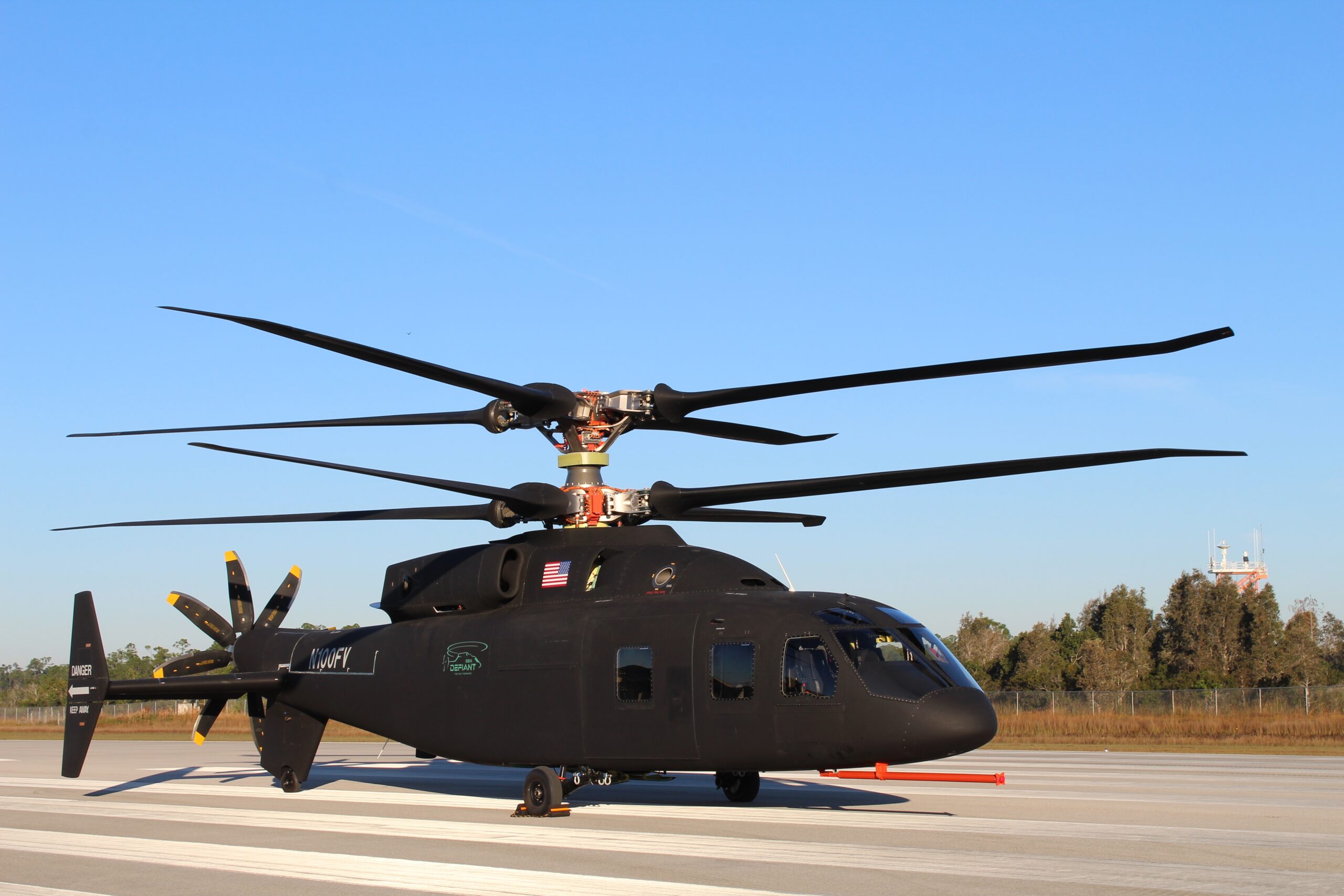
After years of secrecy and CGI, we're finally getting to see the Sikorsky-Boeing dream team's SB>1 Defiant ultra-high-speed helicopter in real life. Now they just have to prove it works.

"We ... are looking at opportunities to do a road trip," Bell executive Keith Flail told me. "Can we take the V-280 to a handful of key Army and Marine Corps installations to show capabilities to the force?"


The Sixth Domain is not defined by geography. It’s a new kind of conflict in which autonomy and networked systems allow thousand-dollar consumer electronics to destroy multi-million-dollar conventional weapons systems.
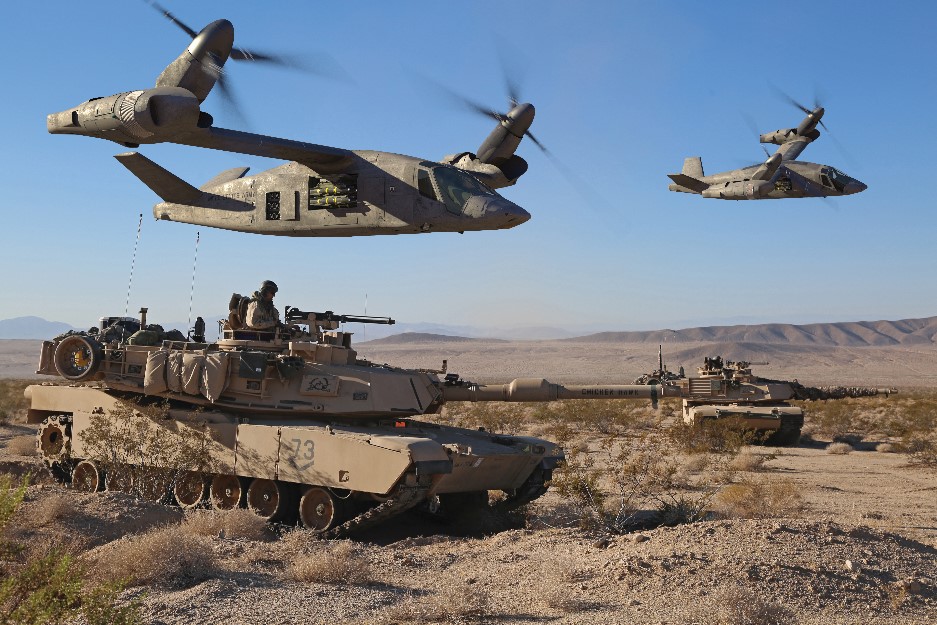
These special squadrons would probably be the first units to get the revolutionary Future Armed Reconnaissance Aircraft (FARA) the service wants flying by the mid-2020s to replace conventional helicopters.
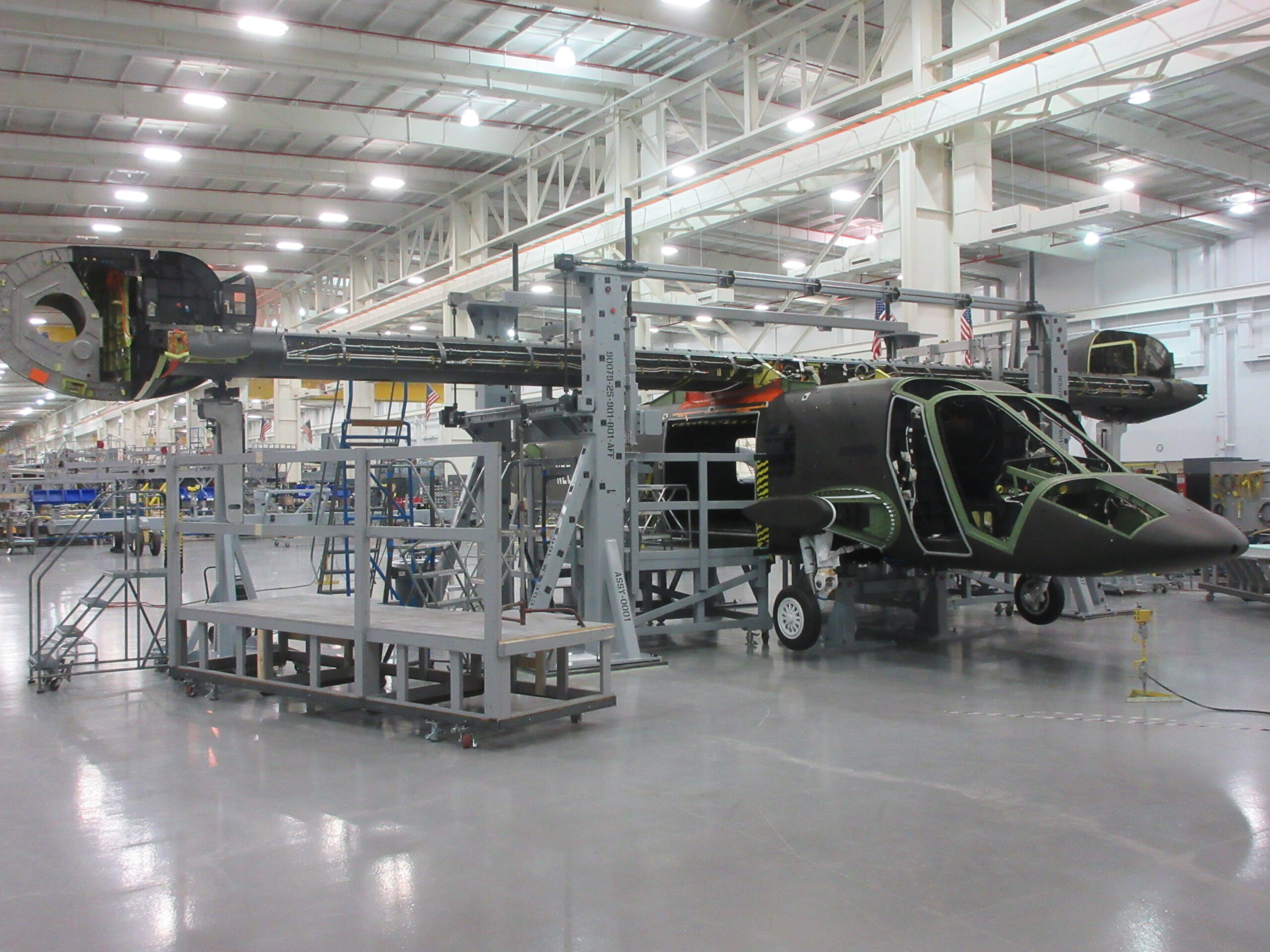
The Army doesn't only want much faster aircraft: It wants them to cost the same to build, operate, and maintain as its current helicopters. Otherwise it can't fit them into an unchanging aviation budget. That's an awfully high bar.

WASHINGTON: After months of hints, the Army announced Friday it wants competing prototypes of a Future Attack Reconnaissance Aircraft flying by 2023. But there’s a deal of uncertainty — even anxiety — about what the Army wants. “Industry can develop whatever the government tells them what they want, if it sticks to the requirements and […]

The Army’s new emphasis on armed recon could potentially disrupt the all-service Future Vertical Lift project (FVL).