
For space, two steps forward, one step back: 2023 in review
The Space Force has made some visible progress in its "pivot" towards resiliency, but acquisition reform remains a hard slog.
The Space Force has made some visible progress in its "pivot" towards resiliency, but acquisition reform remains a hard slog.

One new working group, led by the UK and US, will focus on norms; the other, led by Russia and China, will draft legal treaty.

“Tactical operating system” for warfighters has evolved to provide more situational awareness of the battlefield.

Only a small number of nations, including Venezuela, Iran and China, supported Russia's objections, especially its rejection of responsible behavior as a foundation for norms.
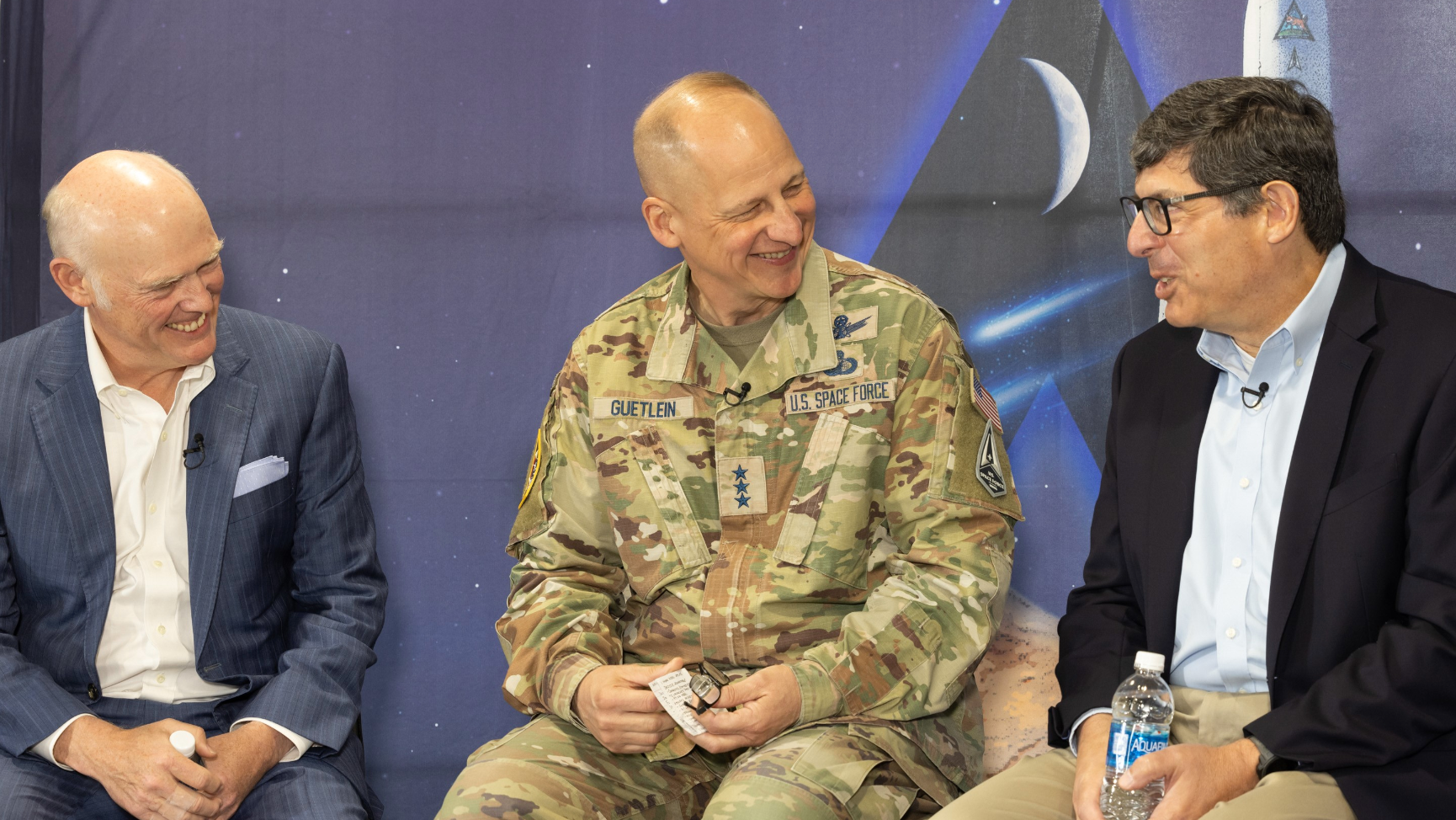
As the Space Force prepares to launch highly classified space domain awareness satellites, China calls foul on purported close approaches to its sats by existing US birds.

The EU move, which comes in the run up to the final meeting of the UN working group to prevent space threats at the end of the month, brings the number of countries supporting the limited ASAT testing ban up to 35.
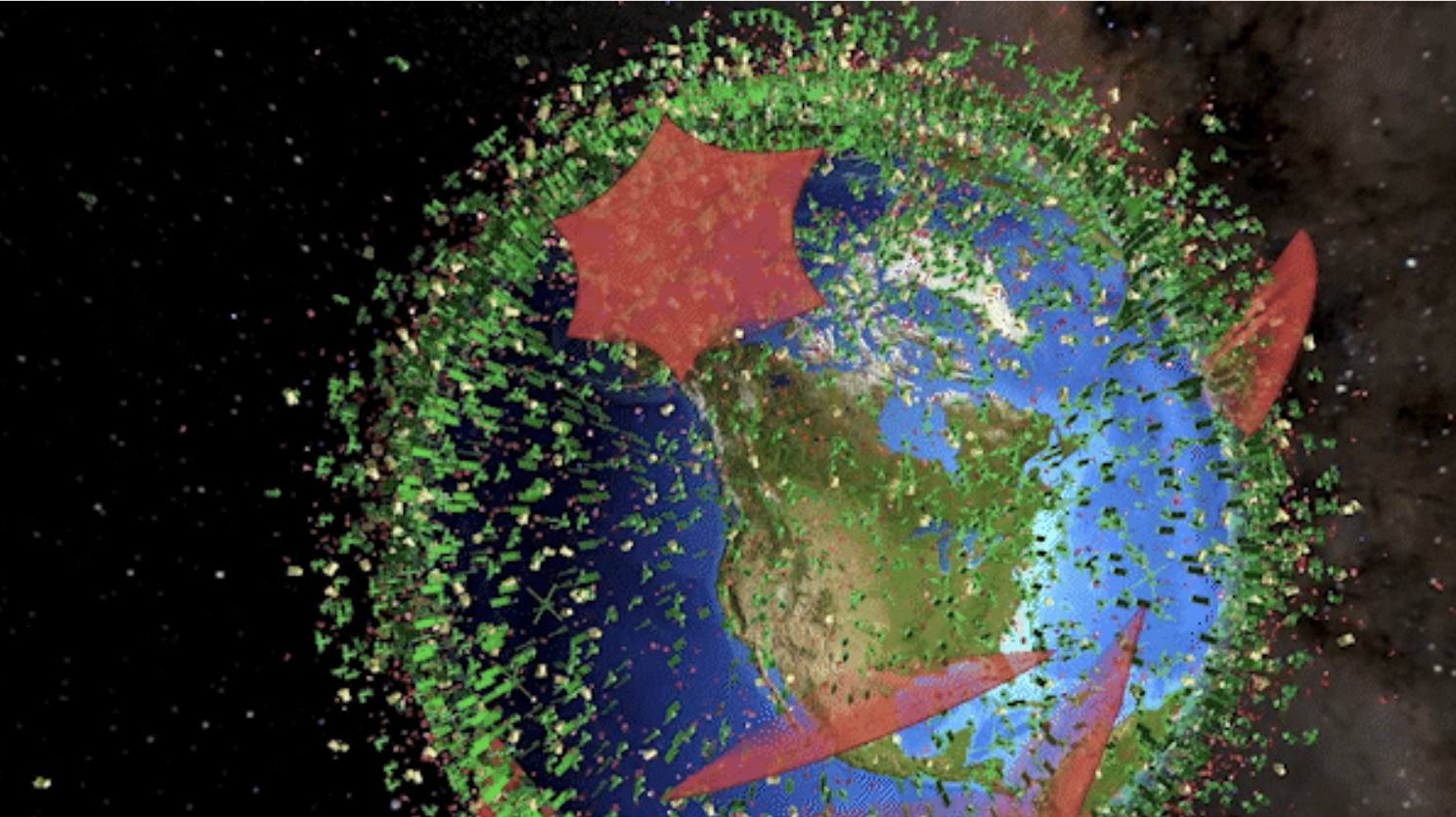
Russian and Chinese anti-satellite tests are responsible for "pretty much 20 percent" of "conjunction" warnings, that is predictions that two space objects are likely to collide, in 2022, said the State Department's Eric Desautels.

Reducing cognitive overload on warfighters while improving “time to trust” for autonomous systems is a matter of design.

"There are hard kill and soft kill capabilities, if you will, that we're funding," Air Force Secretary Frank Kendall said with regards to offensive space capabilities, but none that would created dangerous space debris.

Moscow has charged that Starlink is directly enhancing the ability of Ukrainian forces to target weapons on Russian forces.
American initiatives are seeing more support, while rivals used the opportunity to raise a litany of complaints against Washington.
There are a host of open questions bedeviling national and international policy- and law-makers as they struggle to get a better grip on both the explosion of commercial players with innovative ideas for space utilization and the growing military interest in space as a tool of, and venue for, war.


Knowing when to build on commercial systems and when to develop something new can be the difference between parity and information dominance.
"There are ongoing reviews to find other other commitments that we can make, specifically around national security space activities," said the State Department's Richard Buenneke.

Up to now, only Canada and New Zealand have joined the US in unilaterally pledging not to test destructive ASAT missiles, but diplomats expect others to join in.

The McGill space law manual is modeled on other well-known legal manuals that, while not official or legally binding, heavily influence the decision-making of military and government lawyers around the world in planning military operations in other domains.
One critical issue for the commercial space industry identified by the Aerospace study is the potential for their satellites and ground stations to be deliberately targeted.