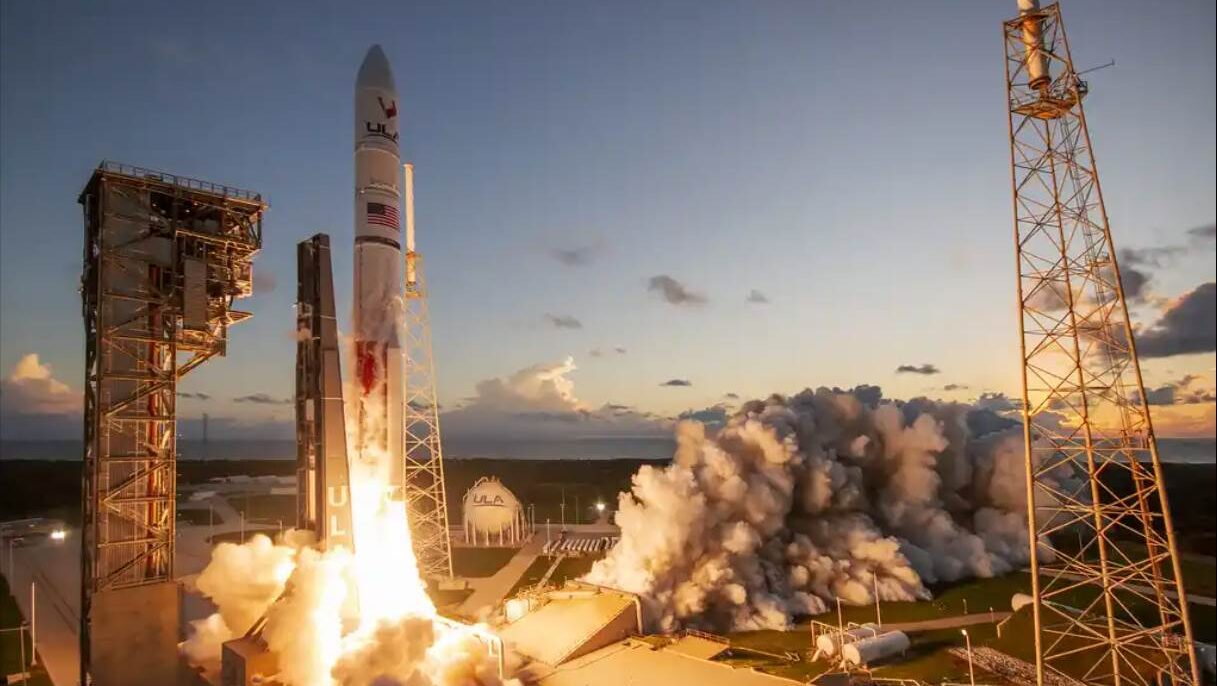
Space Force shifts GPS III launch from ULA to SpaceX
The shift follows Vulcan's February grounding under the National Security Space Launch program to resolve persistent problems with its solid rocket boosters.
The shift follows Vulcan's February grounding under the National Security Space Launch program to resolve persistent problems with its solid rocket boosters.
"We're still in the initial phases of that investigation, so we'll continue to to work with the United Launch Alliance and their suppliers to make sure we've got the right level of insight and understand where that investigation is headed," Col. Eric Zarybnisky said.
Government can’t stop to update systems, so modernization has to happen without interruptions.
"My work here is now complete and I will be cheering ULA on," the longtime ULA chief said.
With that thumbs up from Space Systems Command’s (SSC) Assured Access to Space program office in hand, ULA now is the second fully certified launch provider, along with SpaceX, cleared under the Space Force's National Security Space Launch (NSSL) program.

Brig. Gen. Kristin Panzenhagen, Space Force acquisition leader for assured access to space, said her focus going forward is "resiliency" across her portfolio, which includes launch vehicles, range infrastructure and capacity, and base security.

Lt. Gen. Philip Garrant, chief of the Space Force’s Space Systems Command, stated that the service will not move forward with awards for the newest round of the National Security Space Launch program until Congress approves the fiscal 2025 budget.


The Sixth Domain is not defined by geography. It’s a new kind of conflict in which autonomy and networked systems allow thousand-dollar consumer electronics to destroy multi-million-dollar conventional weapons systems.
ULA CEO Tory Bruno explained that Air Force space acquisition czar Frank Calvelli asked Lockheed Martin and Boeing to create an independent review team to "help" Vulcan production rates and launch site readiness remain on track.
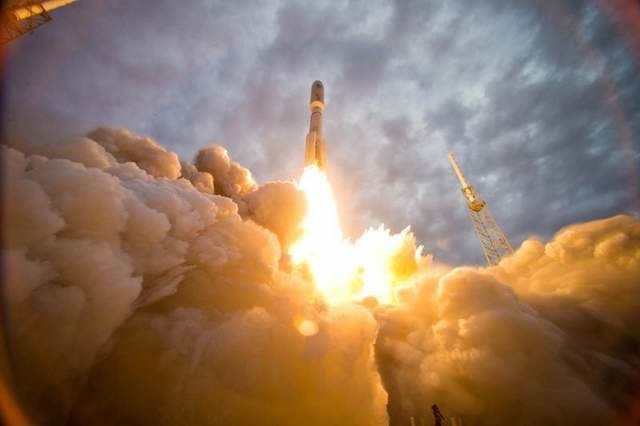
When the National Defense Authorization Bill comes to the Senate floor, lawmakers will face an important choice regarding the future of national security space launch. The Defense Department has relied upon United Launch Alliance’s (ULA) Delta IV and Atlas V rockets — the latter powered by the Russian-built RD-180 engine. Maintaining redundant launch system capabilities — […]

WASHINGTON: The still-newish CEO of the United Launch Alliance, Tory Bruno, faces tough questions from his board of directors. He faces tough questions from the House and the Senate about his use of Russian-built RD-180 rocket engines. But his biggest short-term problem — being allowed to use enough RD-180 engines to get his company from here to […]

COLORADO SPRINGS: Do not ever, ever tell Gen. John Hyten, the head of Air Force Space Command, that your satellite will use a proprietary ground system to receive and telemetry and fly the satellites. Today, Hyten told several hundred people at the annual Space Symposium here that he “was not happy” when a team of […]

Do more with less: streamline workflows, reduce duplication, invest upfront to save long-term.