
How China is rethinking tank survival against FPVs and top-attack threats
The drone age did not end armored warfare. It rewrote the terms of survival, and Chinese military analysts are paying attention.
The drone age did not end armored warfare. It rewrote the terms of survival, and Chinese military analysts are paying attention.

Latvia is heading up a new drone coalition while Poland will helm another focusing on armor, according to US Assistant Secretary of Defense for International Security Affairs Celeste Wallander.


As threats continue to evolve, speed will increasingly depend on what is already available when the need emerges.
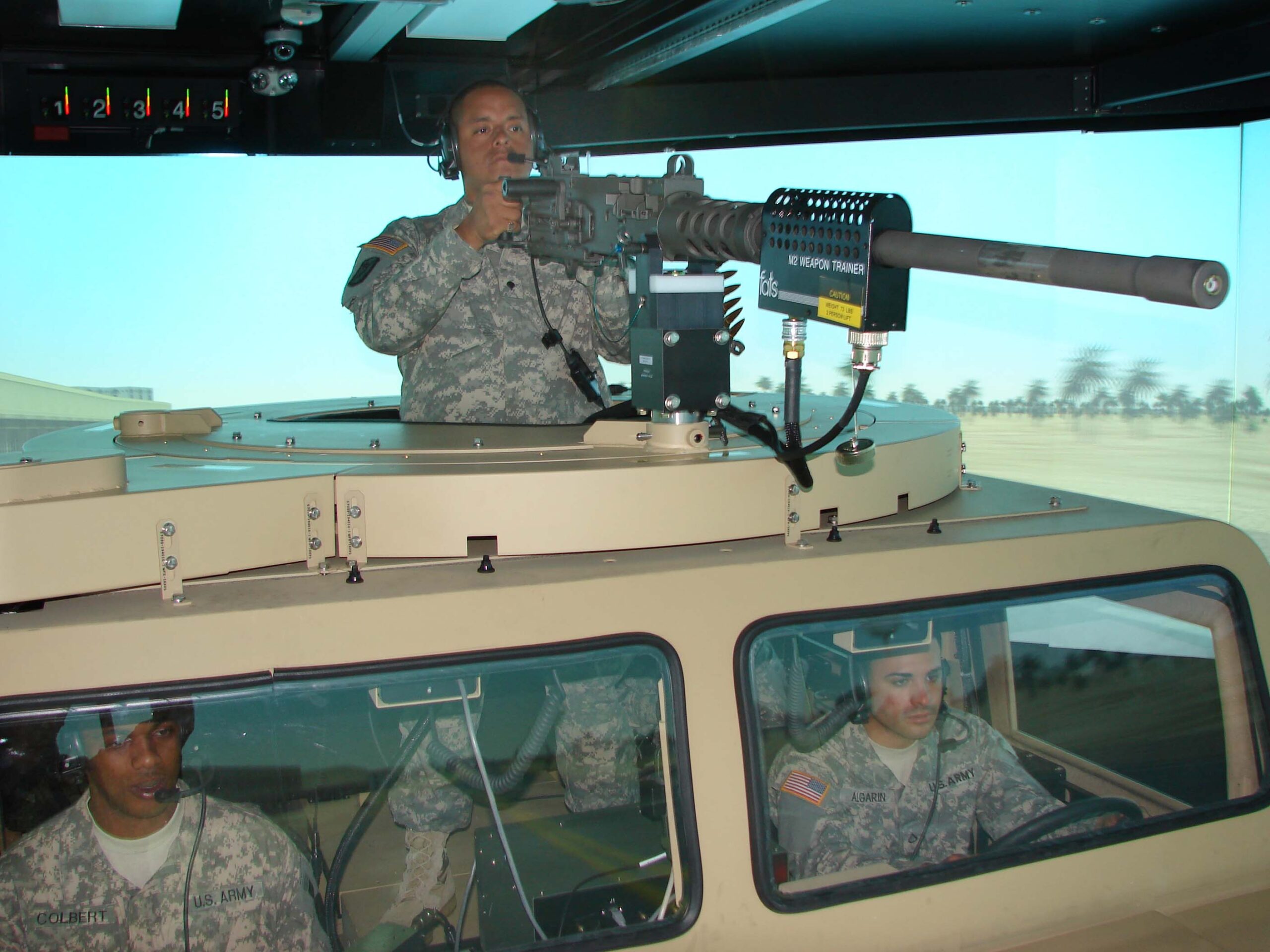
After decades using the same clunky simulators, the Army is about to buy new sims drawing on the latest innovations in online gaming.
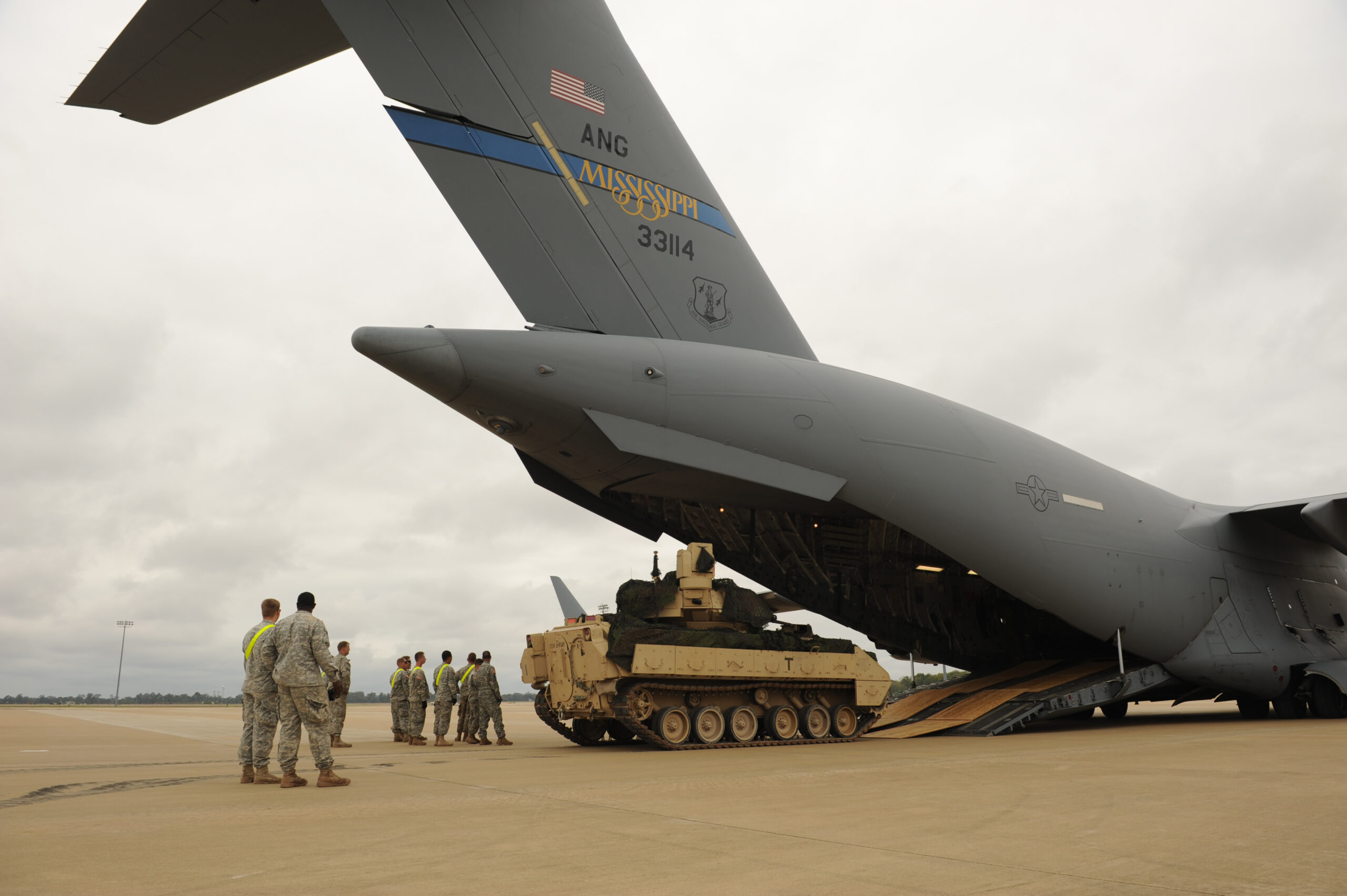
The Army will sacrifice some protection to fit two NGCVs on one Air Force C-17.

Here's the real history of the nation's only factory for the massive M1 Abrams tanks.
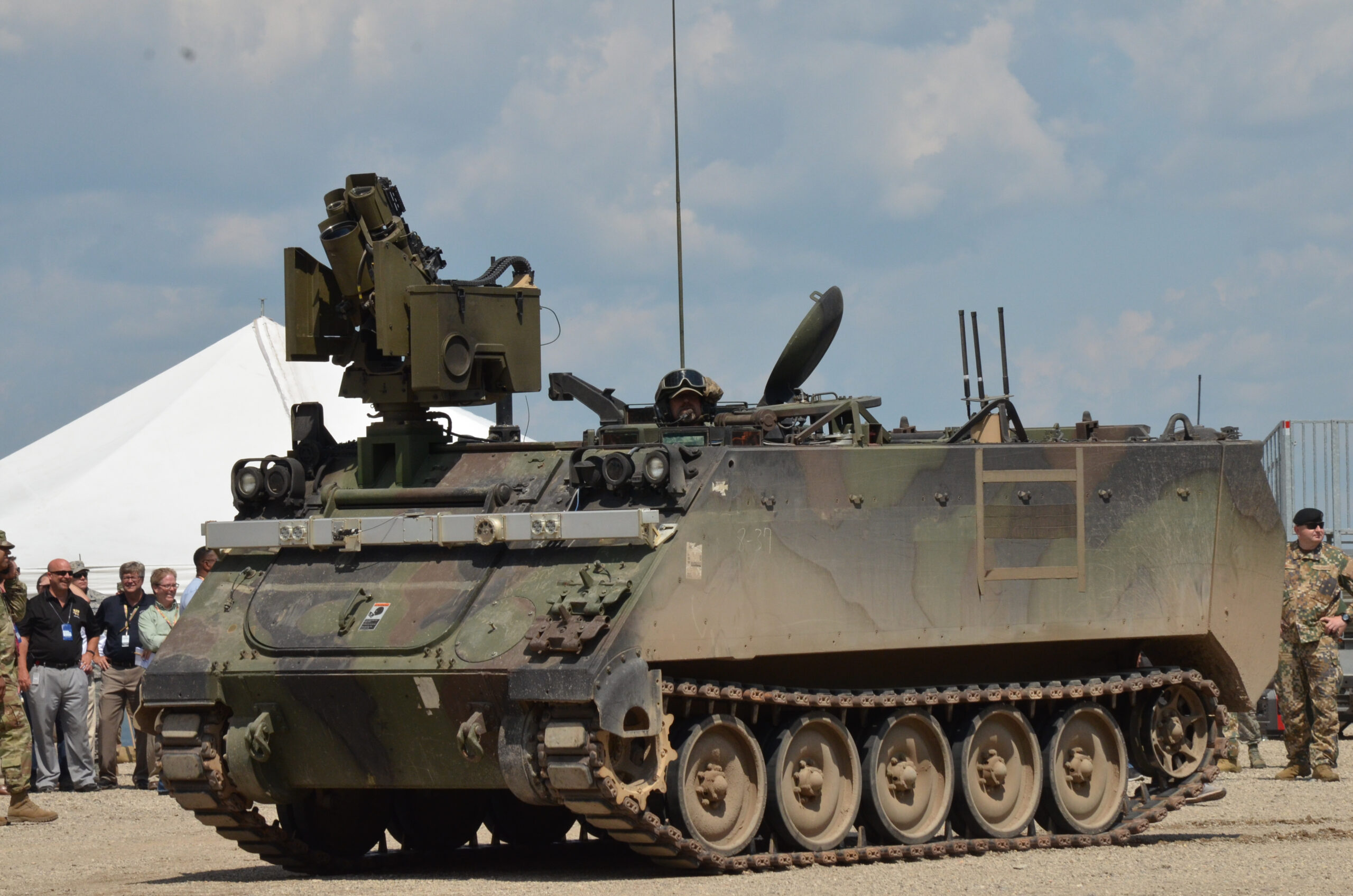
The actual Robotic Combat Vehicle that gets mass-produced and fielded by 2028 will be an all-new design, not a converted M113. But why wait for someone to design and build the perfect hardware, when you can start testing the software and the tactics on something cheaply available today?


Decentralized Embodied Collaborative intelligence enables better reconnaissance, logistics and combat capabilities.
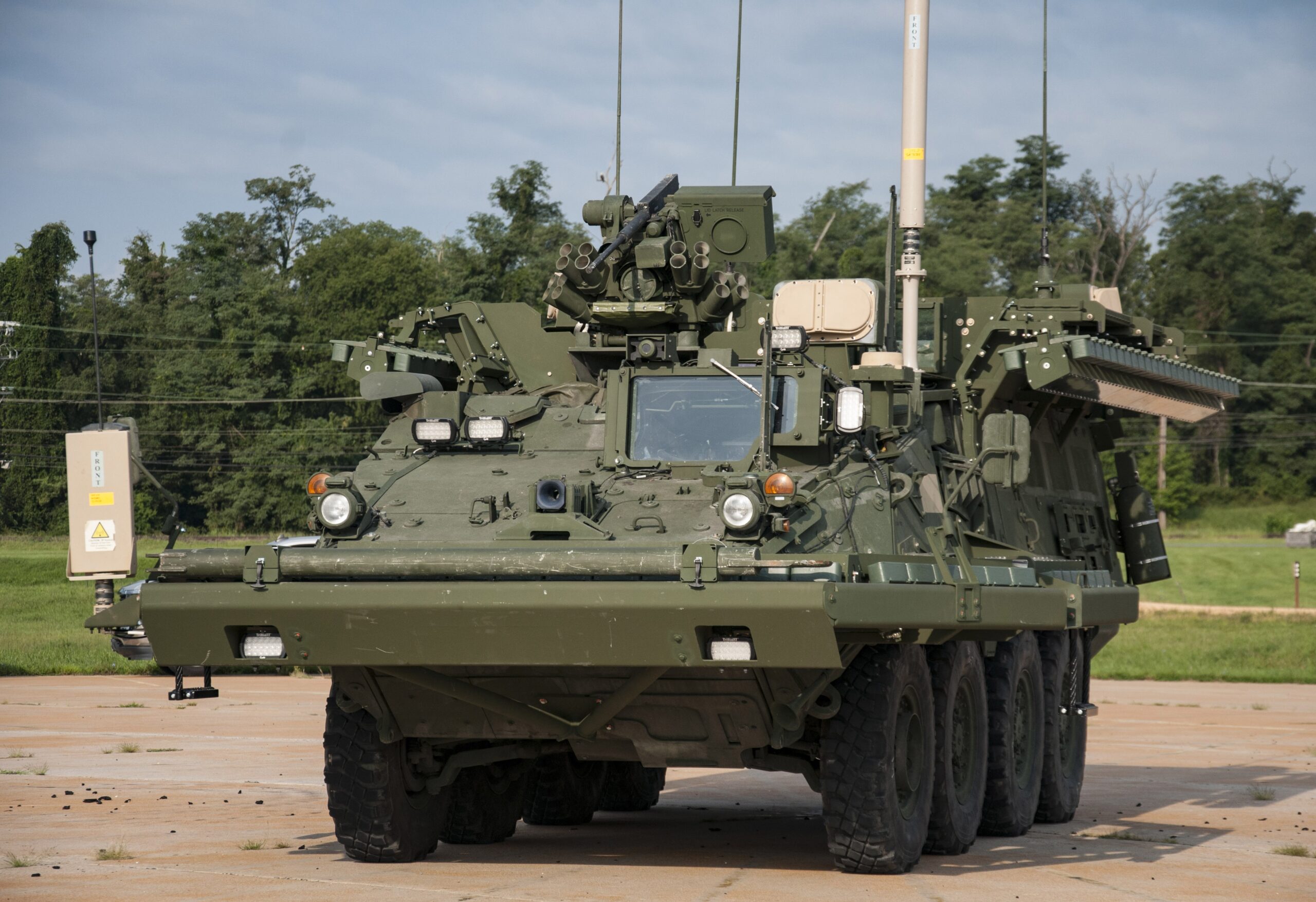
By 2022, the service plans to field new advanced reactive armor tiles to neutralize incoming warheads, a laser early warning system to warn crews they're being targeted, and a signature management effort to avoid detection in the first place.
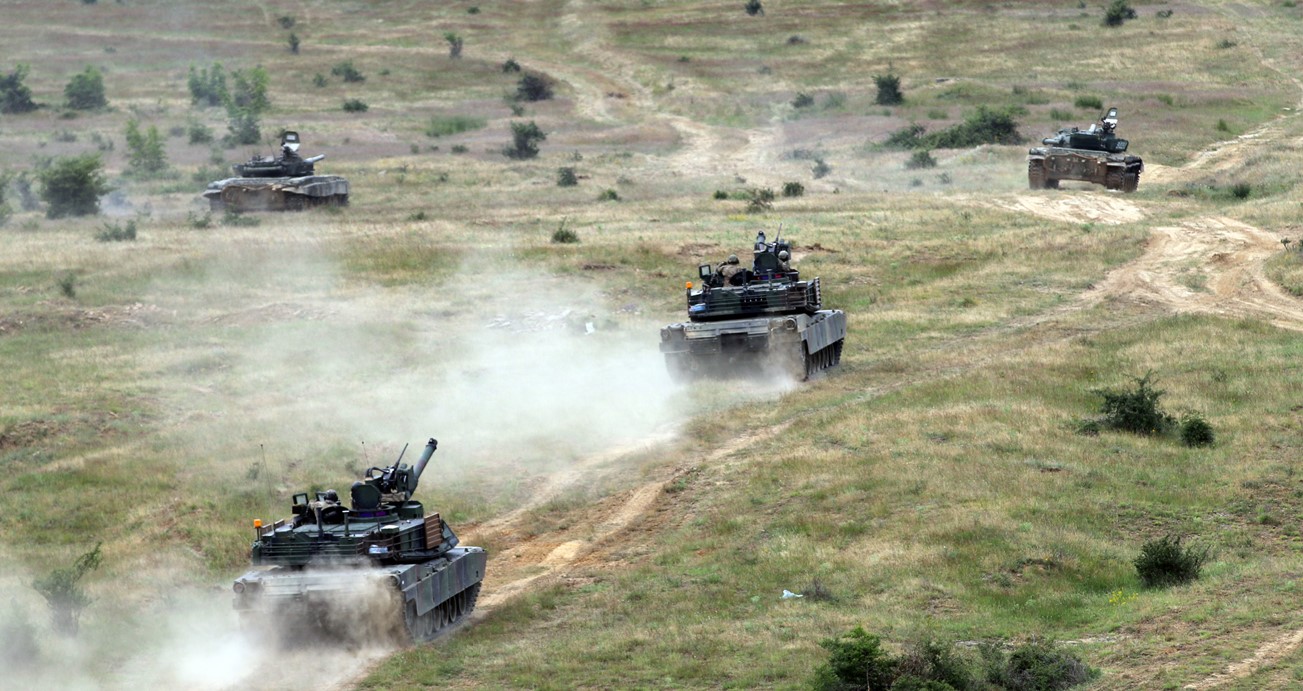
It would be wrong for Europeans to conclude that President Trump wants to withdraw all US forces from Europe. The President simply wants the US military to be NATO’s security guarantor of last resort, not NATO’s "first responder."
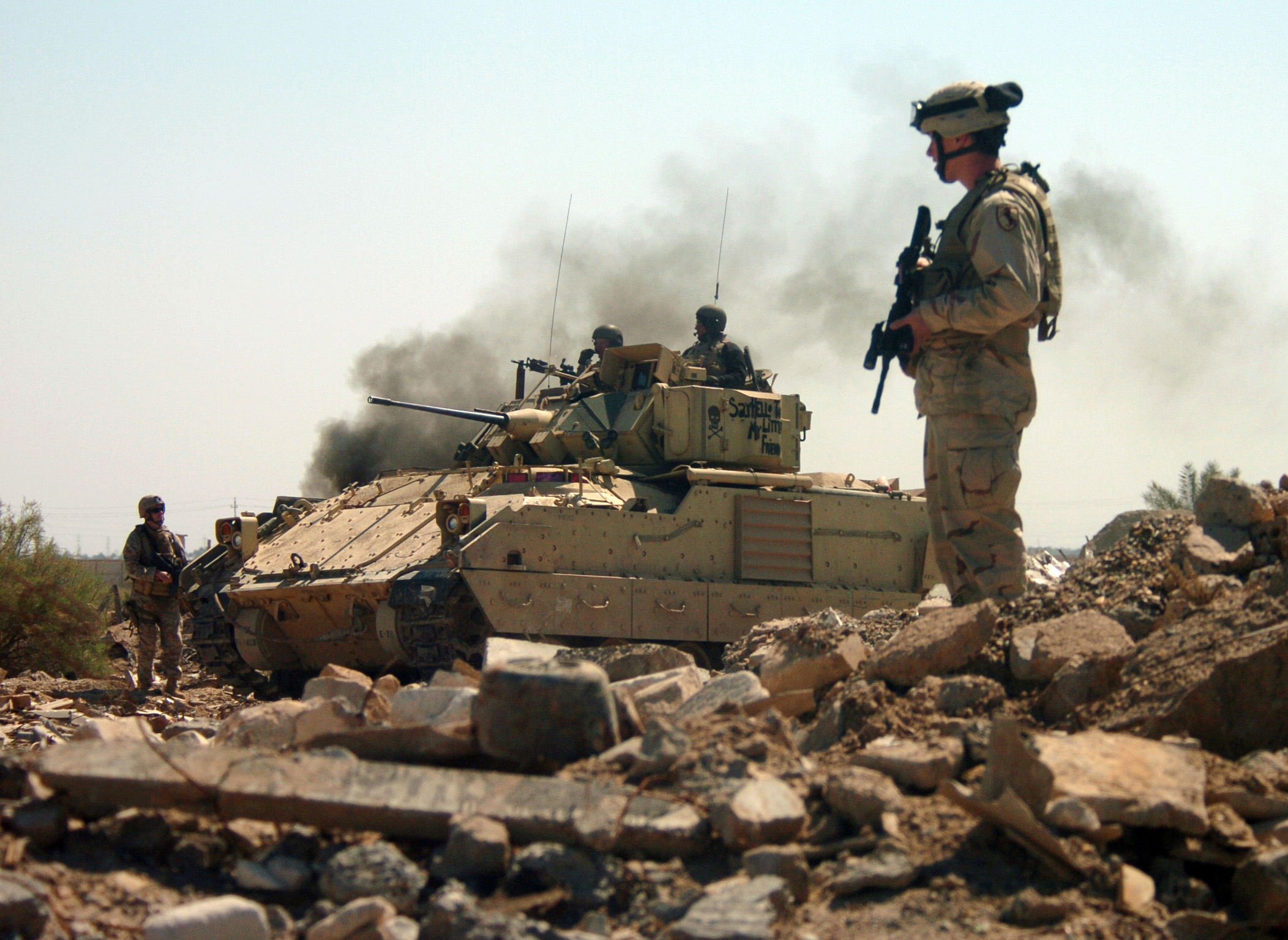
"Once the US companies come on line," Gen. Milley said, "the intent is to outfit the entire heavy force — the Bradleys, the tanks, any future combat vehicles — with active protective systems.”

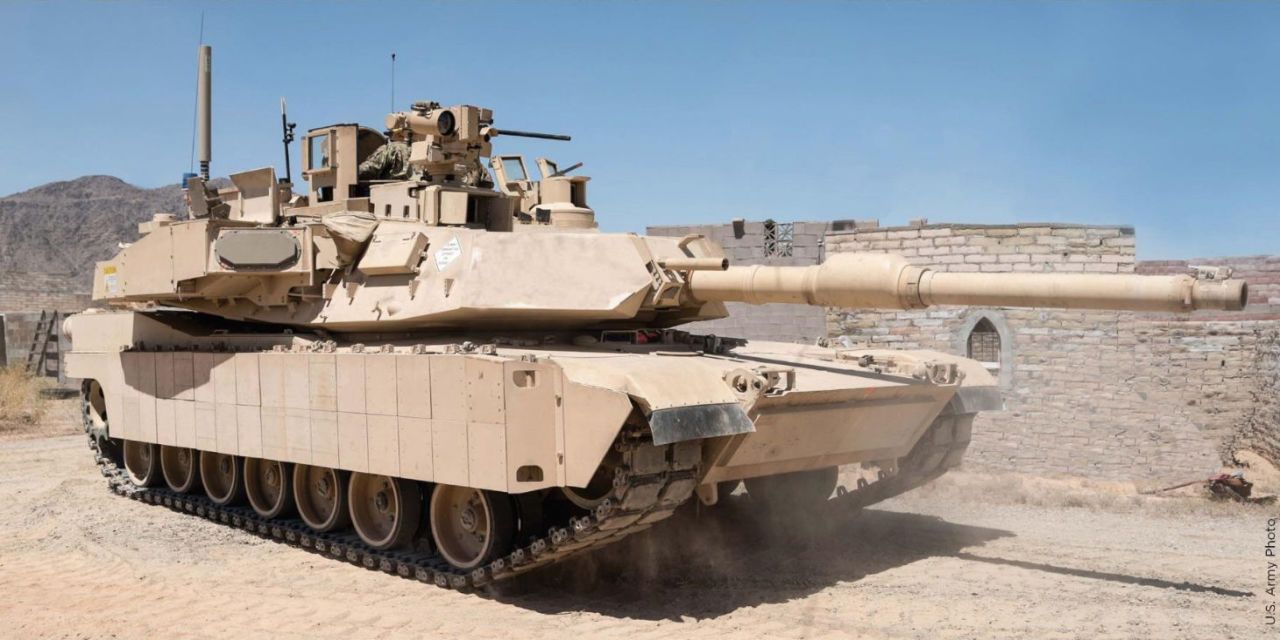
No, the Trophy anti-missile system now going on US tanks won't accidentally shred friendly troops when it goes off, the manufacturer told me this morning. And, the expert from Rafael Ltd. explained, Trophy will calculate where the enemy fired at you from so you can shred _them_.

One commander, many robots: Fully autonomous ground vehicles are reshaping the battlefield.
UPDATED: Adds SecArmy Esper Roundtable PENTAGON: The figures aren’t final, but the Army hopes to get about $6.8 billion in additional funding for fiscal year 2018 thanks to the recently concluded budget deal, Army Secretary Mark Esper said this morning. The service’s new plan would start delivering a Next Generation Squad Weapon to the infantry […]
PENTAGON: The Army’s 2019 budget will upgrade 261 M1 tanks, enough for three brigades, to carry Israeli-made Trophy Active Protection Systems (APS) to guard against anti-tank missiles, service officials said this morning. That’s just one of many funding changes — from buying more howitzer shells to intensifying training exercises — meant to reorient the Army […]

PENTAGON: The Army’s 2019 budget is all about old-school firepower. It’s a plan unmistakably driven by the Russian threat. Artillery, the king of battle, and armored vehicles dominate the service’s request: Joseph Stalin would approve. Meanwhile, helicopters — until this year the service’s top procurement expense — slip to second place. What’s more, the Army […]
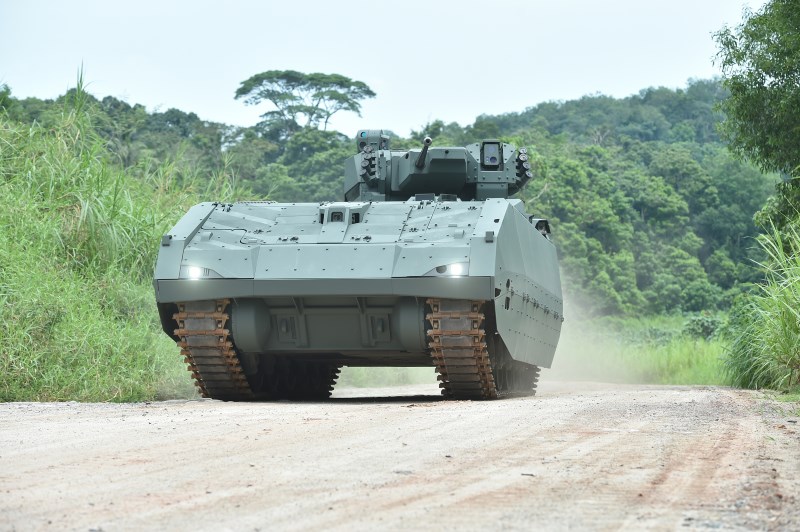
If the stars align for defense contractor SAIC, the US Army and Marine Corps will soon be buying hundreds of armored vehicles designed in Singapore. Yesterday, six months after joining forces for the first time on the Marines’ Amphibious Combat Vehicle competition – and just four days before the massive Association of the US Army […]