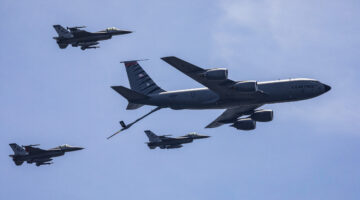
To counter China, America’s next CCA needs a different mission
The Center for Strategic and Budgetary Assessments' Greg Malandrino argues in this op-ed that a fight with China will require CCAs for defense as well as offense.
The Center for Strategic and Budgetary Assessments' Greg Malandrino argues in this op-ed that a fight with China will require CCAs for defense as well as offense.
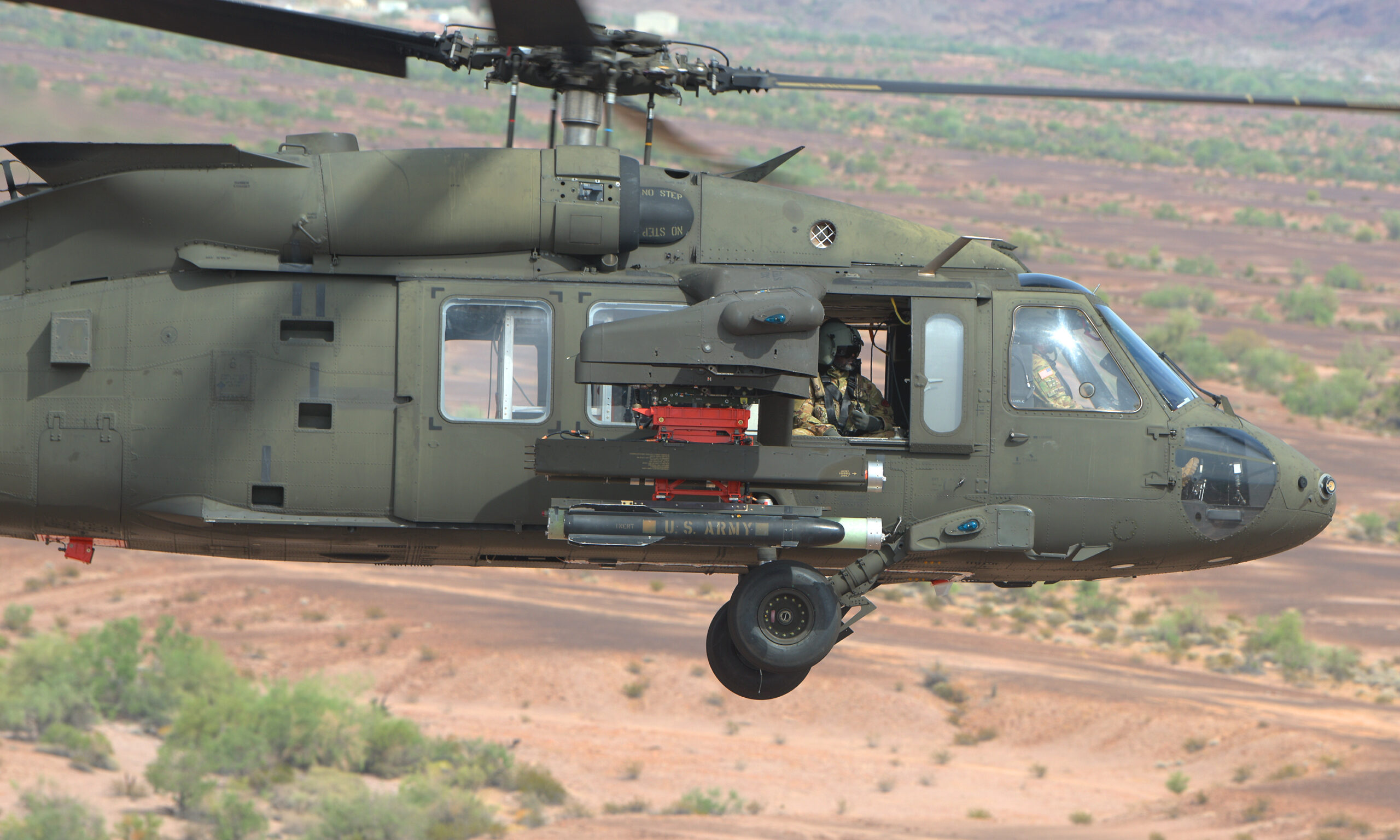
The question of whether the Defense Department or the primes should own all the data rights to various elements of the FVL program is a simplistic, false choice, says a CSBA senior fellow.


A decorated combat aviator and biotech CEO advocates preparing for novel viral threats before the next crisis.
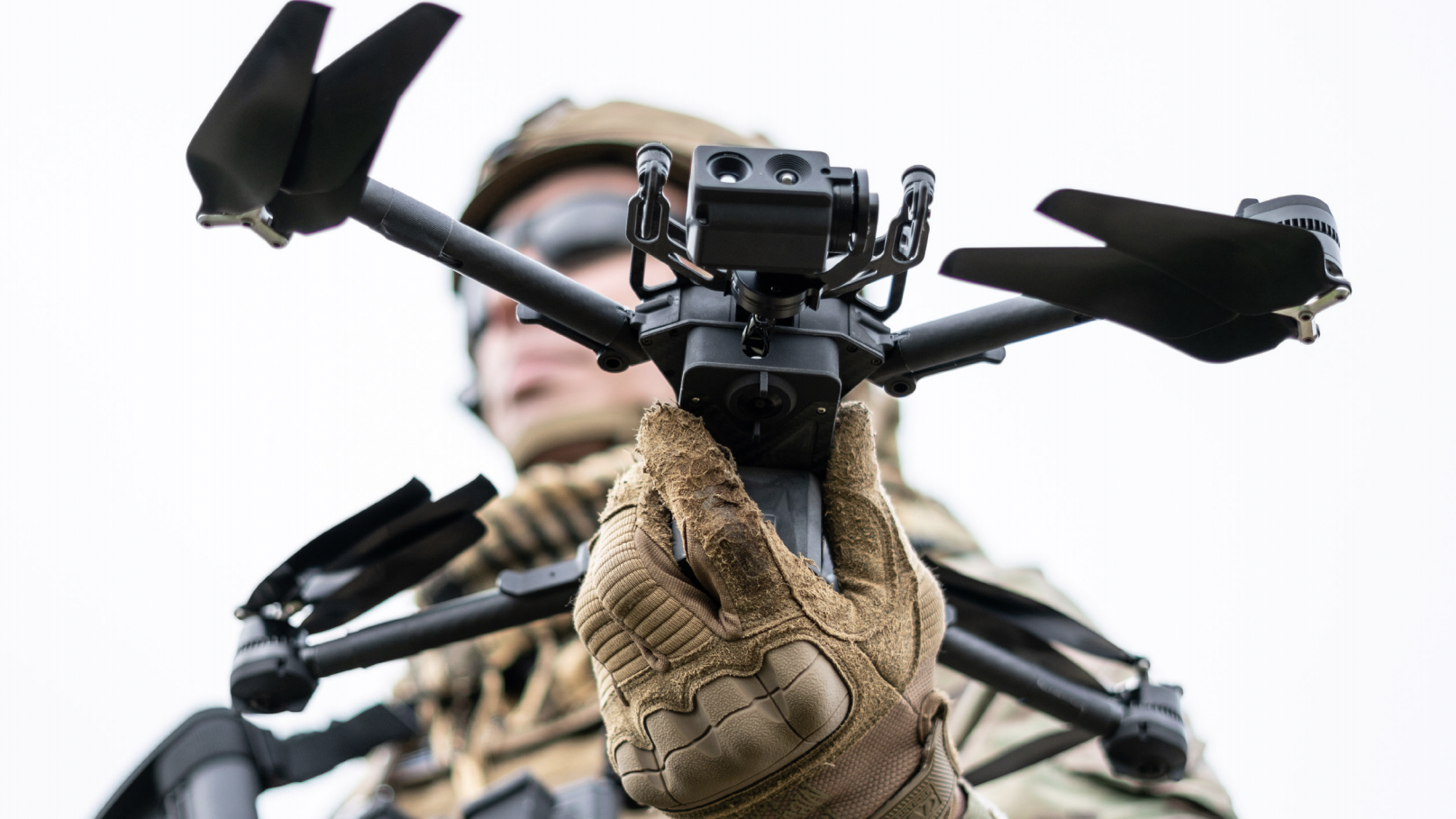
“DIU is punching above its weight and having an impact beyond its size,” acquisition guru Bill Greenwalt says. “Still, that will not be enough…. Unless the rest of the Department and Congress learns these lessons, we will continue to fall behind China.”

Convincing Congress that cutting carriers, building hundreds of unmanned ships, and constructing new classes of small boats will take some work.

The National Defense Strategy called the Indo-Pacific the DoD's priority theater. “But all of us also recognize that strategy is budget and budget is strategy, and the budget numbers have not supported, to date, the Indo Pacific’s role as the primary theater.”

“I know $178 billion, by anybody’s standard, is a lot of money, but I gotta tell you, this is a million-man Army,” the deputy comptroller told reporters. But cutting manpower is off the table – for now.

Demand signals from leadership are shaping investments in design, engineering and manufacturing.

We asked some of Washington's best informed and smartest people about the likely consequences of the killing of Iran's Qassem Soleimani.

CSBA says the US is investing in the wrong jammers to counter Russia and China’s powerful EW forces. There's another approach that would exploit our adversaries’ weaknesses.
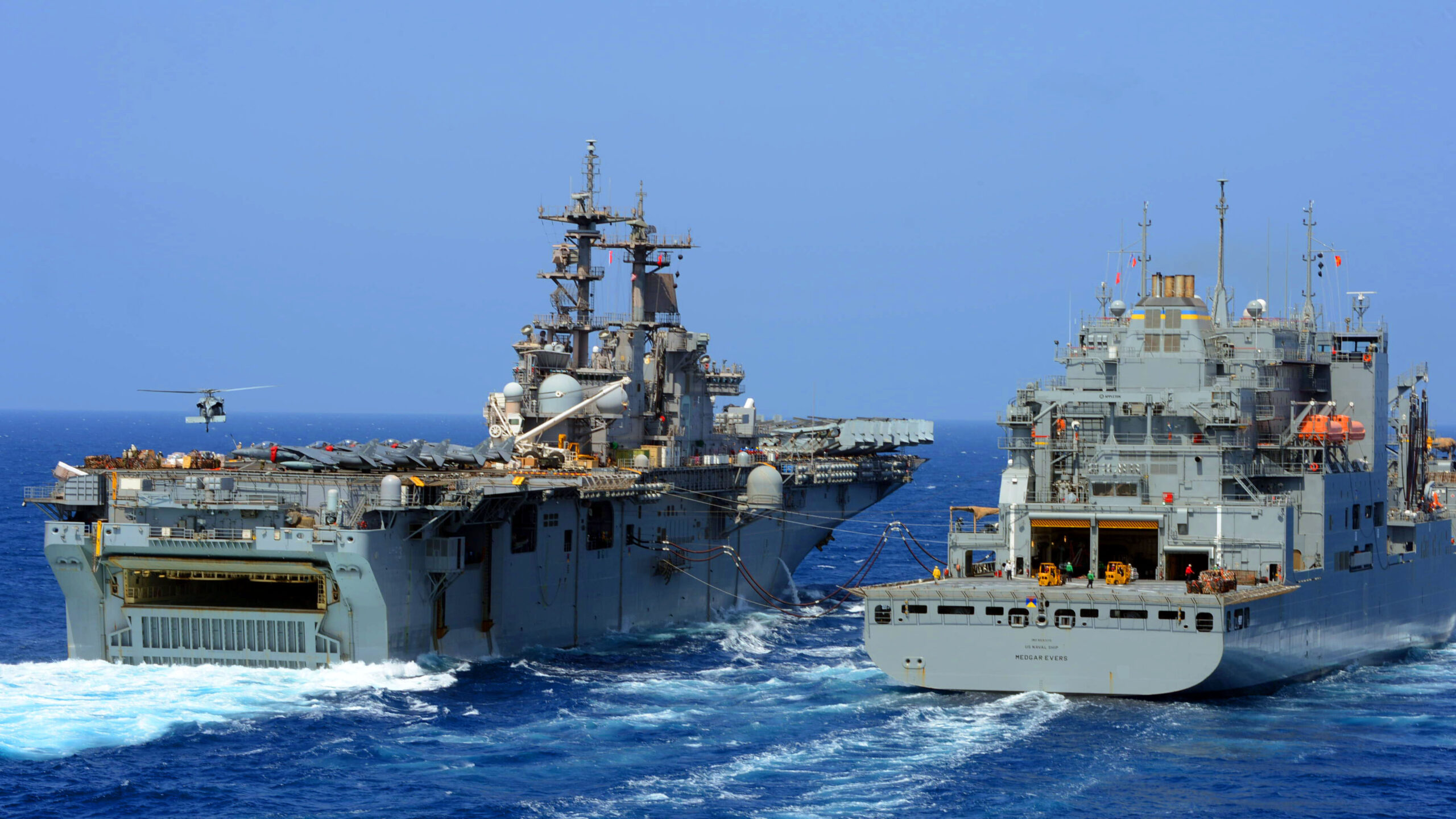
A new study points out that the Navy should do better at tracking how many ships it can call on in a pinch.

Instead of building a 100-kilowatt weapon, the Army now plans to leap straight to 250 or even 300 kW -- which could shoot down much tougher targets.

Explore how software, edge AI and resilient connectivity can strengthen military logistics in contested environments. Join Breaking Defense on Oct. 21 and earn 1 CPE credit.
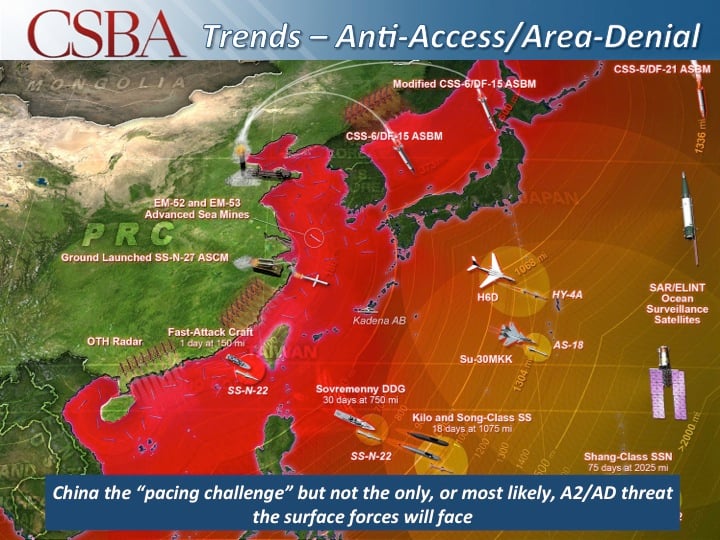
The Center for Strategic & Budgetary Assessments has some new ideas for how even relatively poor allies can help keep the peace in the Pacific.

The US could develop more than a dozen different land-based weapons for $7 to $12 billion, thinktank CSBA estimates.

Are big, expensive vessels like amphibious ships and carriers too vulnerable in a long-range missile war with Russia or China?
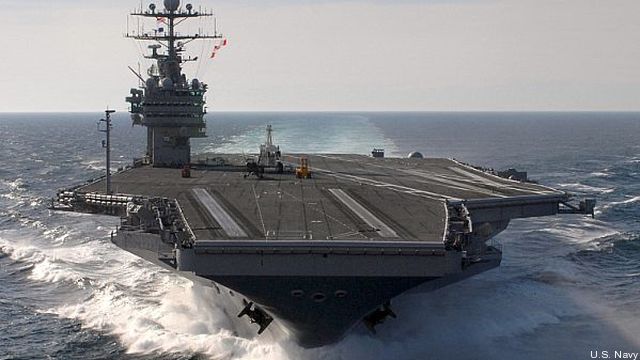
The move could save more than $30 billion over 25 years to invest in high-tech weapons -- but Congress is sure to explode in outrage.