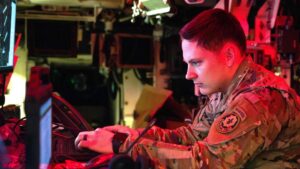
Zero Trust gets harder when every user, device, weapon, and AI agent needs an identity
The next phase of Zero Trust reaches beyond users and devices, experts discussed during a Breaking Defense webinar.

Barry Rosenberg is an expert journalist in defense cybersecurity and information technology issues. He is former editor of the trade magazine C4ISRNET, which he helped relaunch in 2013. Before that he was editor of Defense Systems at 1105 Media, focusing on IT and C4ISR topics. He recently worked in key content roles at information technology firms SILA, which specializes in blockchain technologies and cyber security, and Trace Systems. Earlier in his career he was founding editor of Aviation Week’s Overhaul & Maintenance magazine, editor of Defense News’ show daily and managing editor of Aviation Week’s Show News. Rosenberg is a Philadelphia native, an avid writer and co-author of "Mavericks of the Sky: The First Daring Pilots of the U.S. Air Mail".
The next phase of Zero Trust reaches beyond users and devices, experts discussed during a Breaking Defense webinar.
There is no single answer to the drone threat, pushing the Pentagon toward a broader mix of defenses.
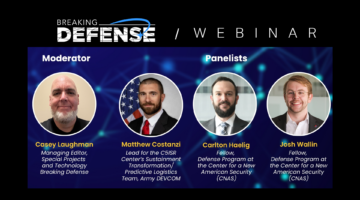
Explore how software, edge AI and resilient connectivity can strengthen military logistics in contested environments. Join Breaking Defense on Oct. 21 and earn 1 CPE credit.

DIA, NGA and the FBI are building the infrastructure and guardrails needed for increasingly autonomous artificial intelligence.
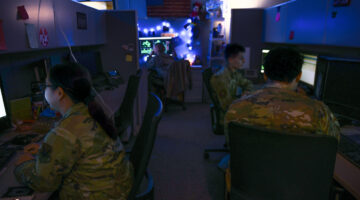
The long-standing mantra that certain operational systems must be continuously available and can’t be brought down for a patch is becoming harder to defend as cyber threats accelerate, US officials warn.
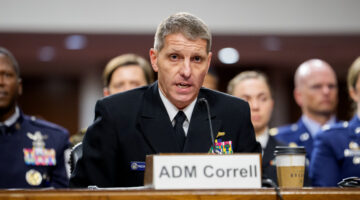
The Internet, social media, cyber and artificial intelligence extend the effects of war far beyond the battlefield, the admiral warned.

A top Intelligence Community official said the government may need to develop digital birth certificates for AI agents.


Lithium-metal batteries are one way to break the weight and endurance limits of today’s unmanned systems.
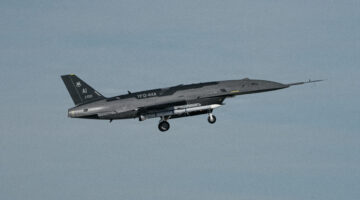
While services test teaming with Collaborative Combat Aircraft, industry faces hard questions.

Company executives told Breaking Defense the dual-use design targets a logistics gap between rear-operational hubs and forward units.
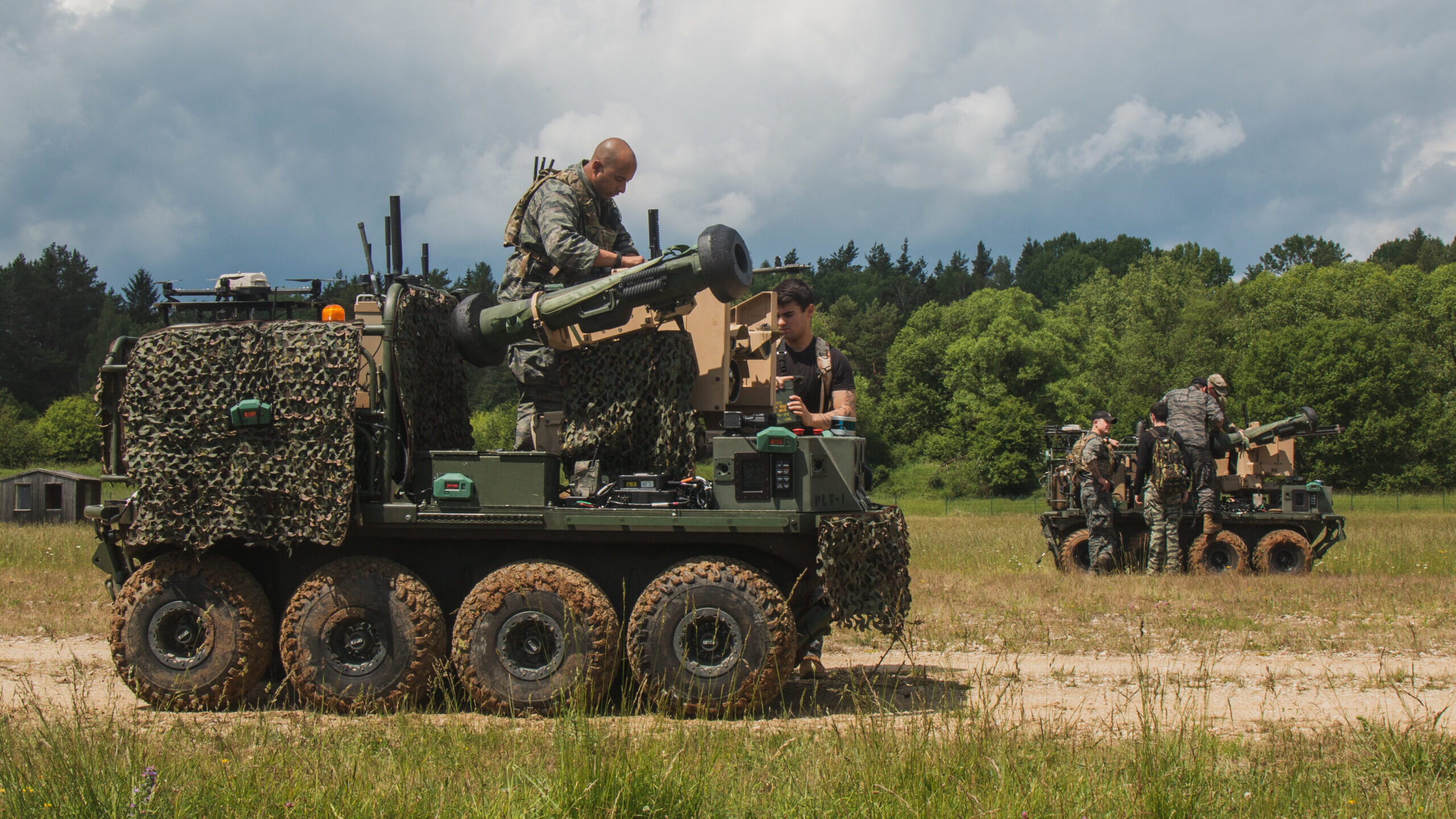
CPE Mission Autonomy will focus first on combat engineering, fires, and logistics, the office’s leader said.

USVs are emerging as modular force elements when sending a large combatant ship is too costly or disproportionate.
AI is reshaping the Army’s approach to cyber, electronic warfare and command and control. At TechNet Augusta 2026, leaders outlined how they’re turning emerging technology into capabilities for the battlefield.

DIU still vets drone tech, but a new strategy says wartime scaling requires internal attention and reform from others.
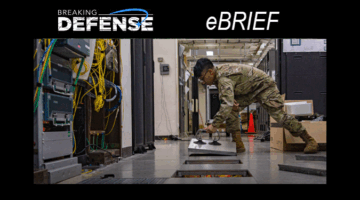
Zero Trust leader Randy Resnick provides a status update and discusses new initiatives.

Indo-Pacific allies see unmanned systems, shared production, and interoperability as essential to offset China’s scale.
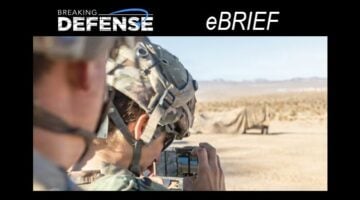
“Tactical operating system” for warfighters has evolved to provide more situational awareness of the battlefield.