
After Iran attacks, Turkish industry seeing increased Gulf interest in air defense platforms
Both companies expressed their readiness to transfer technology in line with mandates in Gulf states to localize defense production.
Both companies expressed their readiness to transfer technology in line with mandates in Gulf states to localize defense production.
The FY27 budget request sets aside $994 million in total for small c-UAS, with all of that sum coming from discretionary funding.

Artificial intelligence is reshaping adversarial cyber operations at machine speed, requiring defenders to increase operational tempo while imposing pain and cost.

"If boost-phase intercept from space is not affordable and scalable, we will not produce it, because we have other options to get after it," said Space Force Gen. Michael Guetlein.
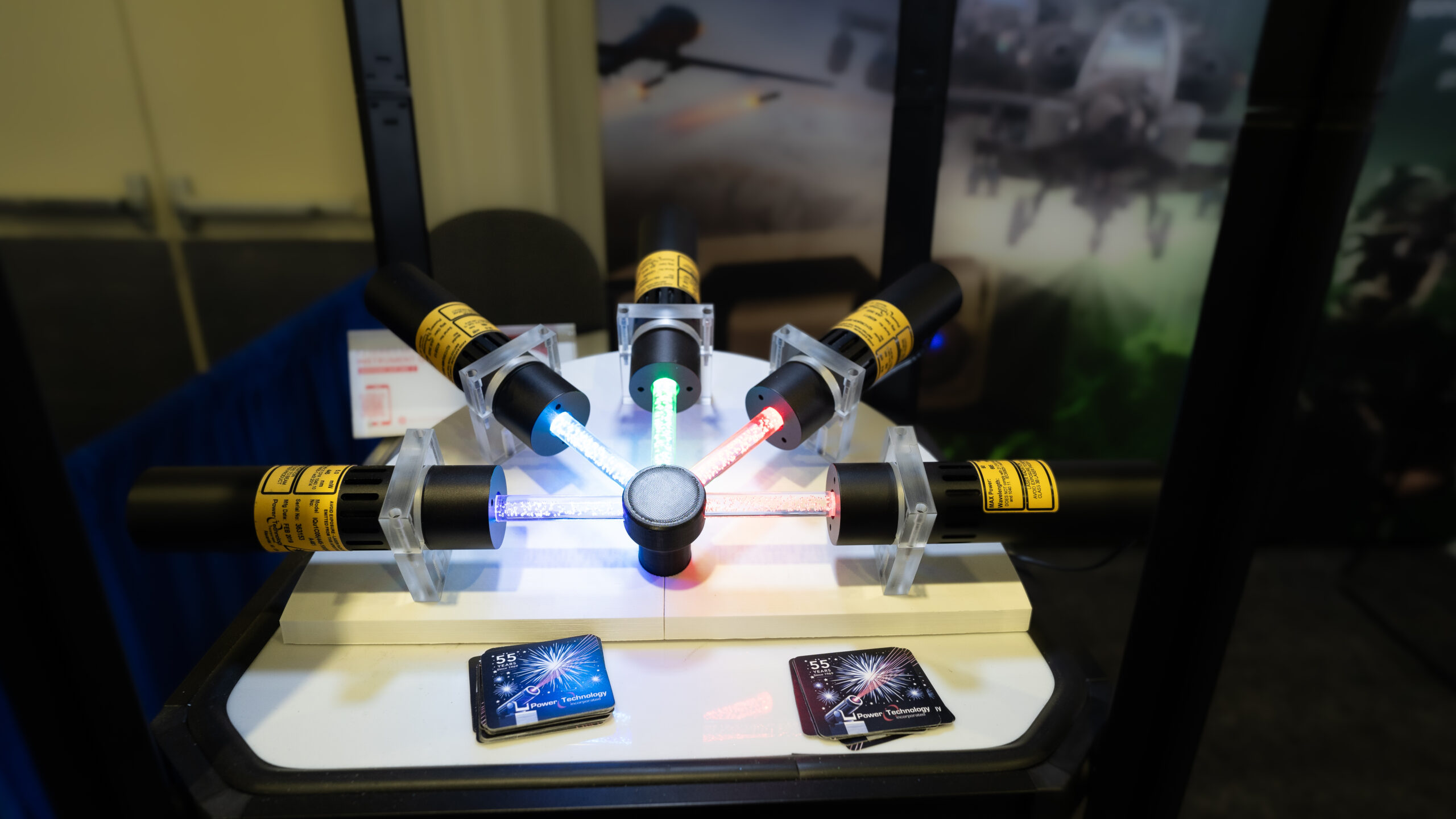
The Enduring-High Energy Laser (E-HEL) program is the Army’s first program of record for a new family of high-energy lasers.
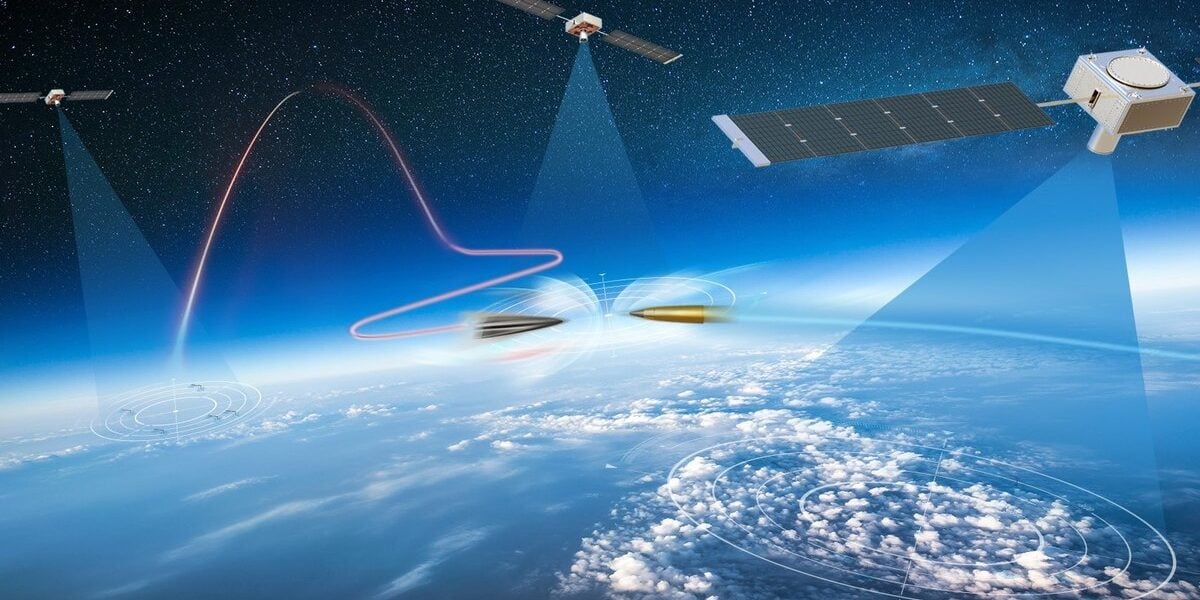
While big primes appear to be positioning themselves for leadership roles, Leidos CEO Tom Bell told reporters the company doesn't need to be "Mr. Golden Dome."

The weapon is envisioned to protect Army bases and vehicles from small- to medium-sized drones.

Join us 6/24 as experts discuss evolving US research security policy and innovation protection. 1 CPE credit eligible.
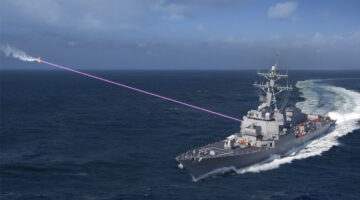
More Navy leaders as of late have been publicly bemoaning the service's inability to scale functional laser weapon systems.
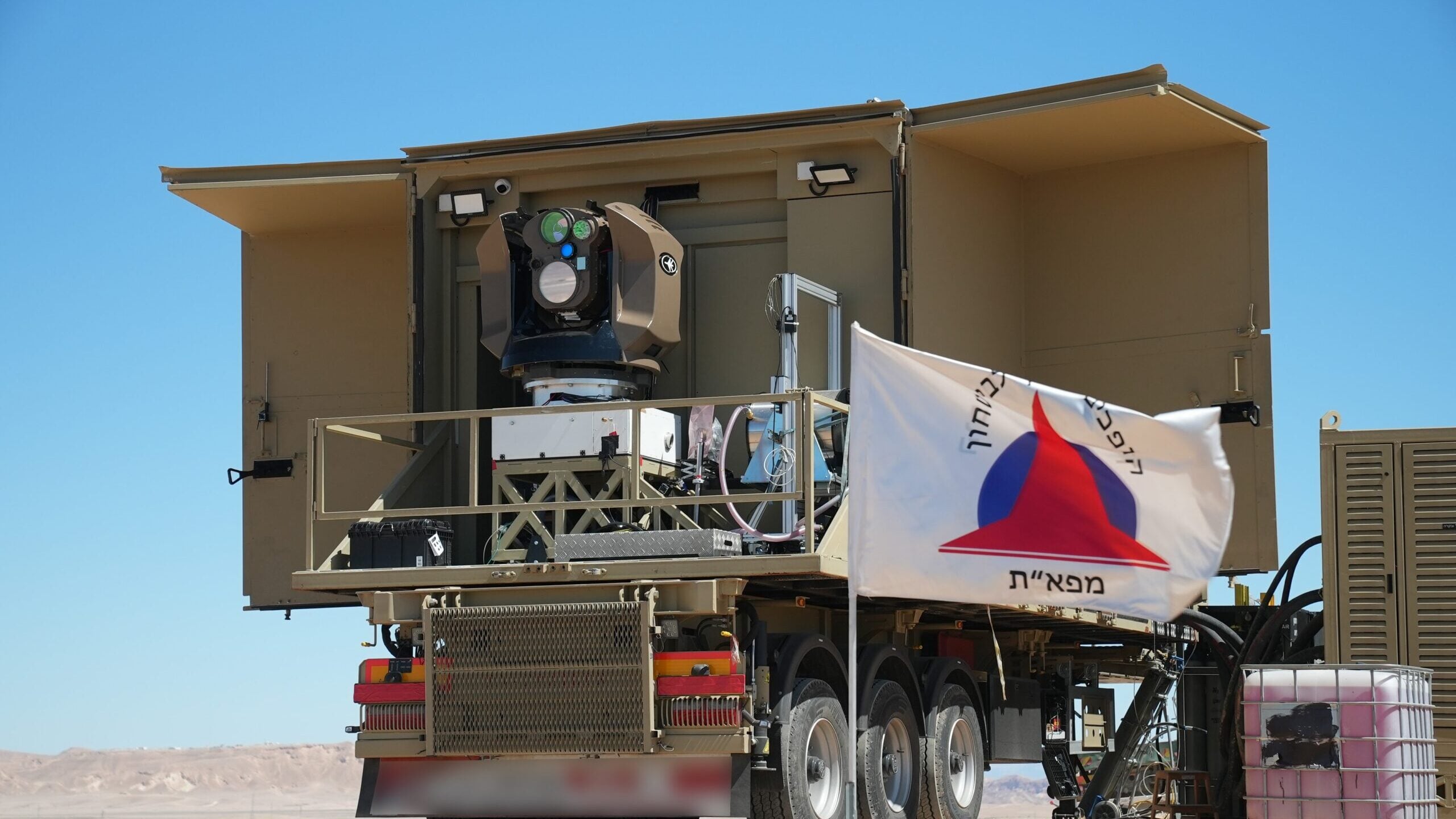
The agreement comes days after Israel announced billions in US funding for air defenses, including Iron Beam.
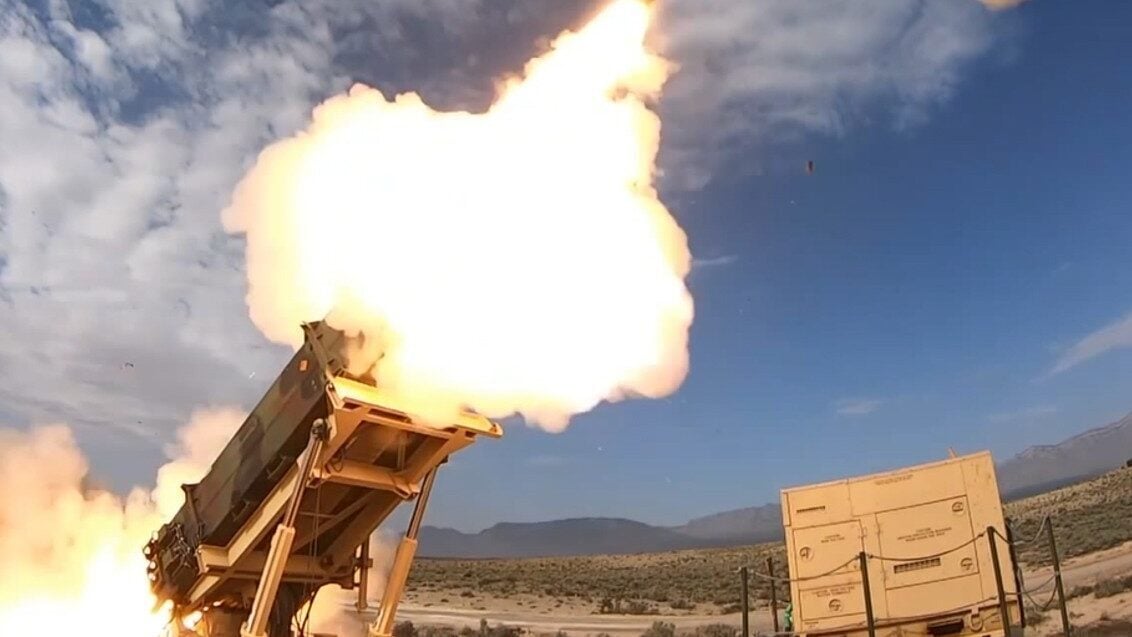
“We see a lot more demand than we can possibly keep up with, that's one of the reasons … the air defense force is so strained, frequent deployments [and the] significant demand signal to meet hotspots all over the world,” Army Under Secretary Gabe Camarillo told Breaking Defense.

“This system’s multi-layered defensive capabilities set it apart in the industry and enable it to not only track and detect, but also defeat multiple threats,” said Matt Milas.

Breaking Defense’s latest eBook brings together reporting from GEOINT 2026 on how intelligence leaders are shaping the future of space-based geospatial intelligence.

Anti-missile capabilities are just one aspect of more “robust” defenses needed for contested environments, which will also include sophisticated cyber attacks and electronic warfare.
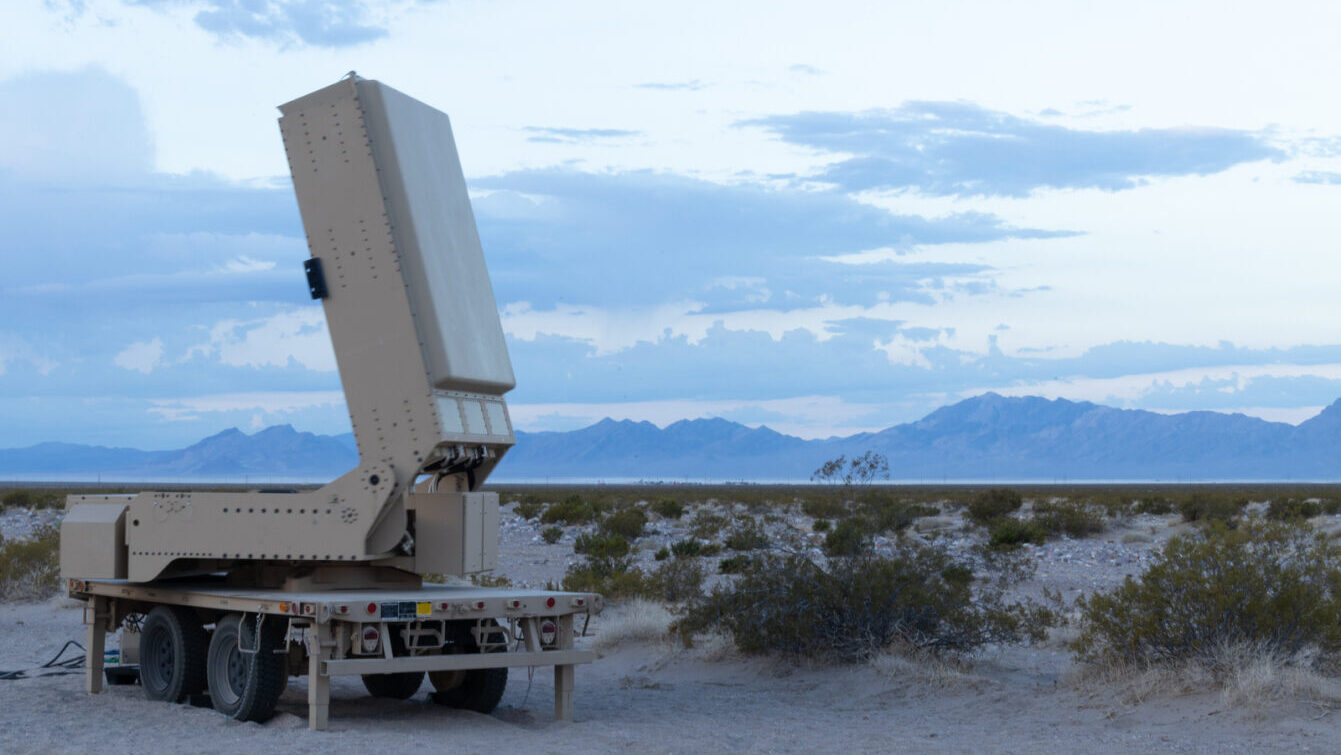
“The system actually worked very well, but we had some, some additional work to do, from a suitability perspective,” Lt. Gen. Robert Rasch told Breaking Defense.

Gen. Gregory Guillot told the annual SMD Symposium that he also believes the US military needs to increase its effort to field directed-energy weapons to counter not only uncrewed aircraft systems but also cruise and hypersonic missiles.

DIU and the Navy are looking for mature technologies they can test within three months and have a handful of prototypes for within 12.