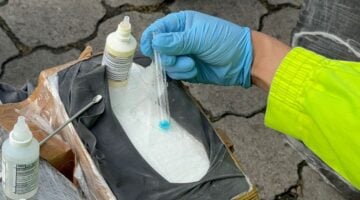
EXCLUSIVE: Amid US drug war, Colombia’s defense minister wants to make cocaine less potent
“If you make the invention, I’ll give you $1 million,” Colombia's Minister of Defense Pedro Sánchez told Breaking Defense.
“If you make the invention, I’ll give you $1 million,” Colombia's Minister of Defense Pedro Sánchez told Breaking Defense.

Operations near Venezuela have already sunk three boats, and the flow of defense materiel to the region seems likely to continue, whatever the cost.

Explore how software, edge AI and resilient connectivity can strengthen military logistics in contested environments. Join Breaking Defense on Oct. 21 and earn 1 CPE credit.

WASHINGTON: The White House has dropped plans for a 14 percent cut to the Coast Guard, instead promising a budget that “sustains current funding levels.” The bad news is that “current funding levels” are already too low. The Coast Guard has to give almost 600 drug shipments a pass each year because they don’t have the ships or planes to catch […]

WASHINGTON: The Navy League of the United States just issued a withering denunciation of President Trump‘s proposed $1.3 billion cut to the Coast Guard. Trump’s 2018 budget plan has already come under fire from both sides. Democrats reject it for cutting domestic spending too much. Pro-military Republicans reject it for raising defense too little. The Republican […]
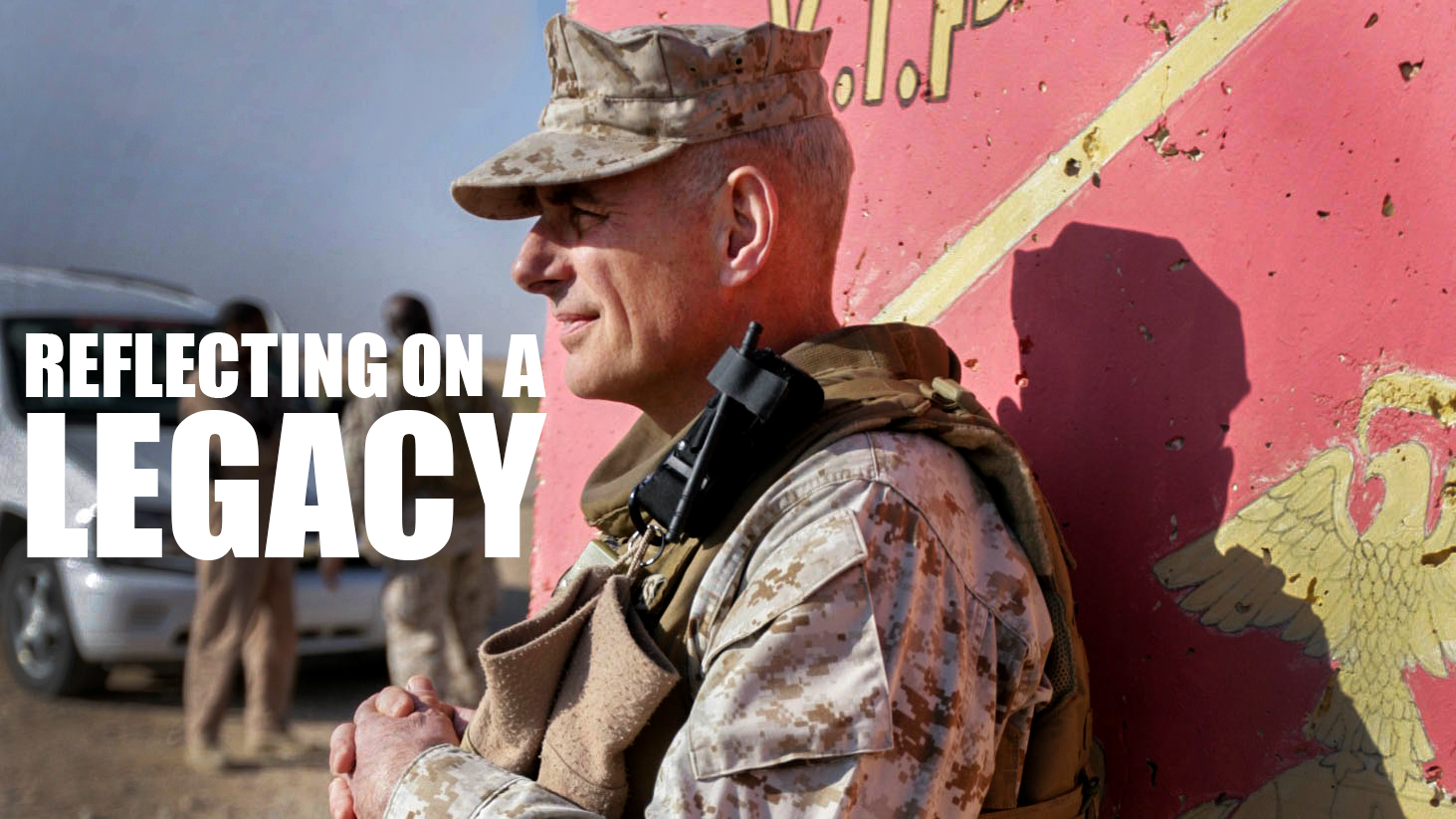
Who are Trump’s generals? This week, James Kitfield has already told us about James Mattis and Michael Flynn, both men shaped by the wars in Afghanistan and Iraq. Now we come to John Kelly, whose time in Latin America, ironically, led him to similar conclusions about America’s enemies. As chief of US Southern Command, General […]

US-backed Afghan drug court convicts everyone – HuffPo: http://huff.to/KqEWaU. DoD cites same court as success story @ http://aol.it/N4dy8T SydneyFreedberg

Supply chains are only as strong as their weakest link, which has been repeatedly proven to be true over the last few years.
WASHINGTON: As terrorist groups increasingly work with drug gangs and other international criminals, they pose new threats to the United States – but they also create new vulnerabilities that savvy Americans can use to attack them, said the Pentagon’s top drug war expert, William Wechsler. The US needs to go beyond thinking of terrorist groups […]
NATIONAL HARBOR, MD: The Coast Guard is shrinking and may have to cut back on traditional missions like fisheries protection and drug interdiction to free up resources for new issues like cybersecurity and the thawing of the Arctic, warned the service’s commandant, Admiral Robert J. Papp, this morning at the Navy League’s annual Sea-Air-Space convention. […]
The Air Force’s MC-12 Liberty surveillance plane, in heavy use in Afghanistan, is one of the scarce assets Southern Command chief Gen. Doug Fraser hopes to see freed up for drug interdiction as the war winds down. The U.S. military command covering South America intercepts only about a third of the drug shipments and other […]