
Hung Cao and the new Pacific defense architecture
Robbin Laird and Edward Timperlake discuss newly-appointed Navy Undersecretary Hung Cao’s thoughts on Guam and Vietnam’s roles in the Indo-Pacific when it comes to deterring China.
Robbin Laird and Edward Timperlake discuss newly-appointed Navy Undersecretary Hung Cao’s thoughts on Guam and Vietnam’s roles in the Indo-Pacific when it comes to deterring China.
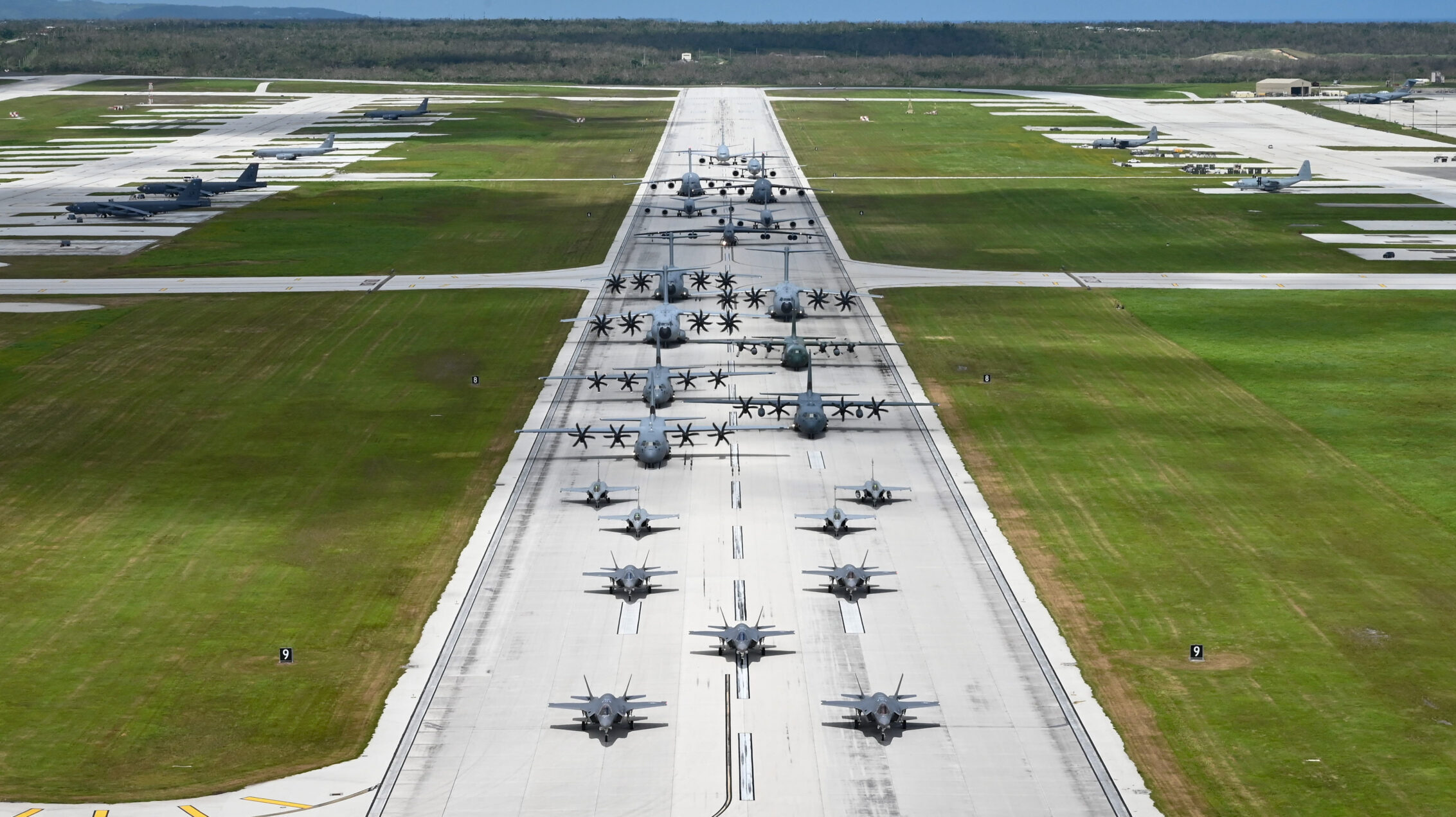
The implementation plan for Golden Dome is due to be released in mid-November, and it is imperative protection for Guam is in there, writes Randy Schriver in this op-ed.

After manifesting 1,400 payloads aboard the ISS, Voyager is applying its mission management expertise to the next generation of space stations, ensuring uninterrupted mission readiness and success from the ground to space.

The decision was mutually agreed upon by Singapore and the US, according to a statement from Singapore's defense ministry.

North Korea's most recent cruise missile test sends two signals: both a show of capability, and a "welcome back" for Donald Trump, experts said.

In a new executive order, President Donald Trump ordered the Pentagon to move forward on missile defense, though the details are still thin.
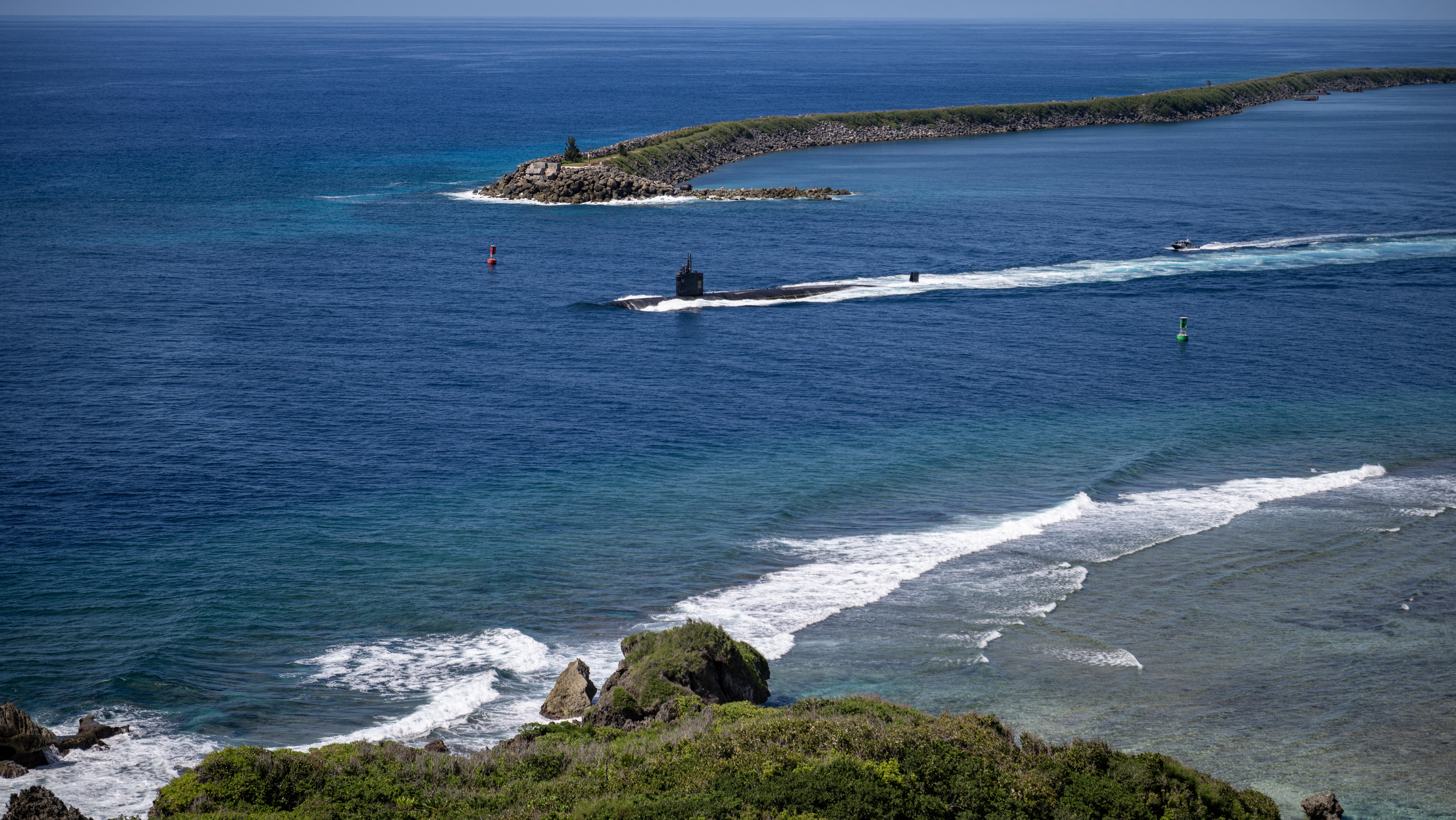
America is the "away team" in a Pacific fight. Guam levels the playing field, but it’s in the cross-hairs, writes Randall Schriver.

The MQ-9B and Gambit Series represent parallel capabilities that address global challenges for security head-on.

The Stimson study predicts that the US "would likely run out of Patriot and THAAD interceptors within the first 24 hours of a military conflict."
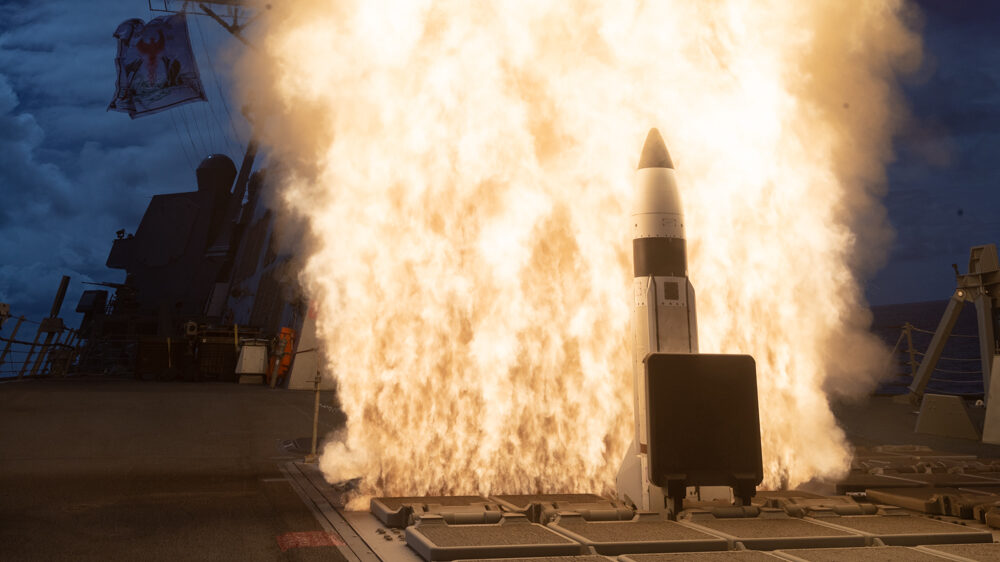
The MDA described the event as a "pivotal step" towards a larger, more holistic Guam Defense System designed to take on multiple threats at once — a "persistent layered integrated air and missile defense capability."

"The Pacific Islands occupy a pivotal location that is important to U.S. efforts to protect Americans and deny China’s regional hegemonic ambitions," Andrew Harding, the report's author says.

The production deal comes nearly five years after the service first tapped the company to develop the Patriot replacement radars.


As global navies adapt to evolving underwater threats, ASELSAN’s integrated sonar, countermeasure, and sonobuoy solutions offer a scalable, future-ready approach.
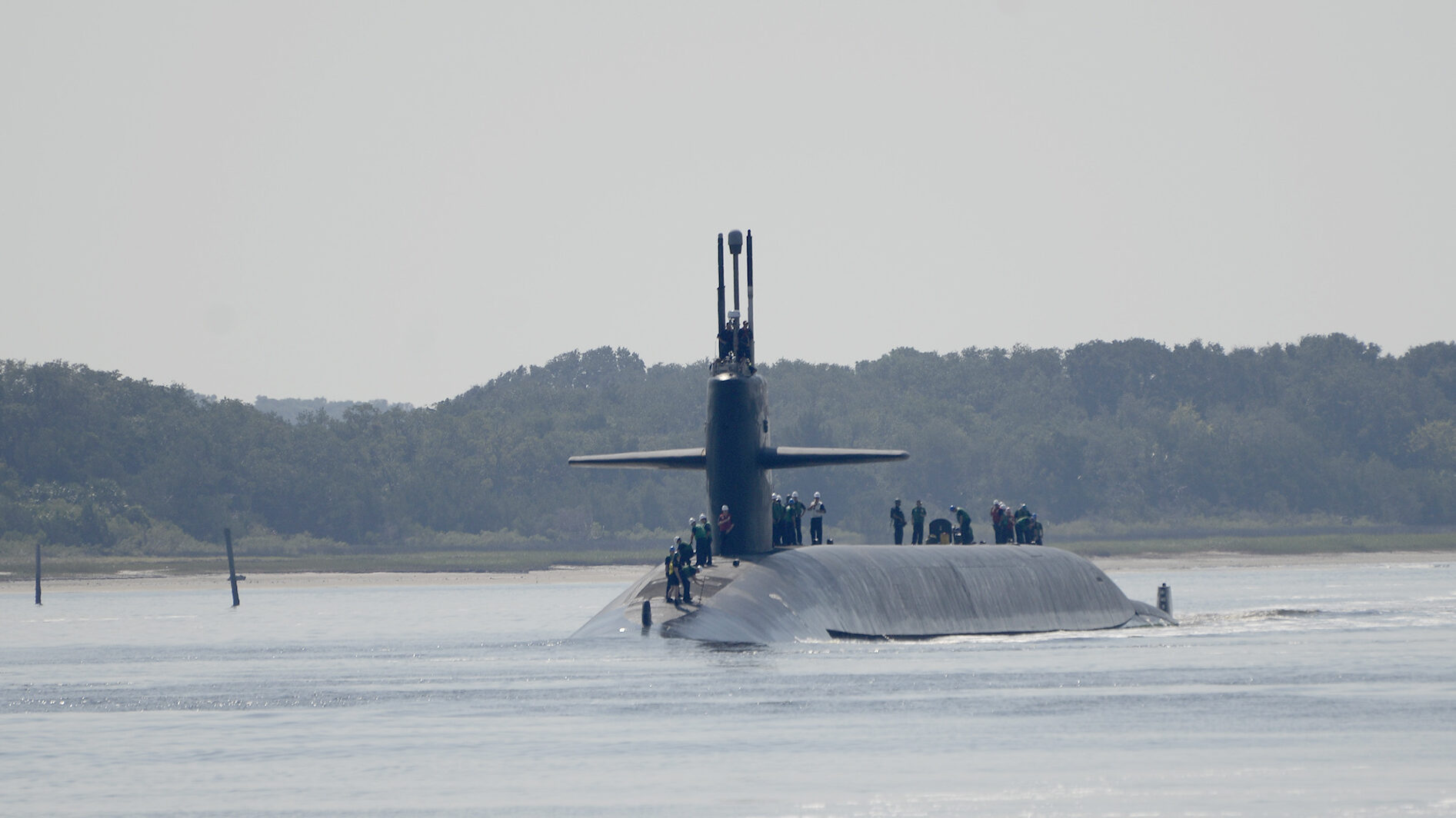
Like in its formal budget, the submarine industrial base is the top item in the Navy's annual unfunded wishlist, which also aims to replace missiles used recently in the Red Sea.

US Indo-Pacific Command’s $11 billion unfunded priority list includes 44 programs, from missiles to maritime mines.
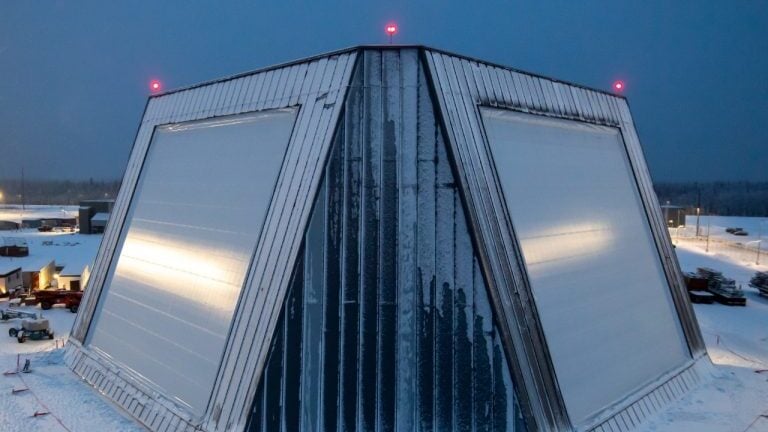
The MDA request includes $105 million for the Long Range Discrimination Radar (LRDR), slightly more than the $103.5 requested in FY24. LRDR, deemed a critical capability by US Northern Command (NORTHCOM)/NORAD leaders, will transfer to the Space Force to begin operations in FY25.

“The opportunity for our Navy personnel to learn from our AUKUS partners demonstrates meaningful progress along Australia’s pathway to acquiring nuclear-powered submarines,” Australian Defence Minister Richard Marles said.