
The global economy depends on the security and seamless flow of maritime
transportation. But there are many vulnerable targets: large commercial ports that
serve extensive maritime trade, energy infrastructures at sea, and marine
transportation lines are exposed to various threats; To address these risks, nations are
modernizing their maritime security and naval capabilities by enhancing intelligence
and maintaining constant situational awareness and maritime dominance over vast
maritime areas.
IAI, Israel’s leading Aerospace and Defense company, has a significant maritime
portfolio covering a wide range of missions at sea, such as naval warfare, maritime
security, power projection, surface, and underwater operations, securing offshore
facilities, and protection of coastal areas and critical assets. By offering unique solutions
tailored to the operational needs of global markets, IAI considers its maritime activity a
key growth driver for the future.
IAI’s maritime activity focuses on several aspects: Maritime Situational Awareness
(MSA), Offensive and Defensive Weapon Systems, and Autonomous Technologies.
MSA is essential for controlling maritime sovereignty and naval operations. It involves
creating and sharing the maritime situational picture. As naval forces face increasingly
diverse and numerous threats, MSA has become a critical capability. Coastguards and
navies’ areas of responsibility have expanded with the declaration of Economic
Exclusion Zones (EEZ) that extend hundreds of miles offshore. IAI offers a multi-layered
comprehensive solution for these needs, from maritime search, target detection, and
simultaneous tracking of thousands of targets to filtering and prioritizing information,
alerting and responding to suspicious events, and facilitating accurate decision-making
and prompt responses.
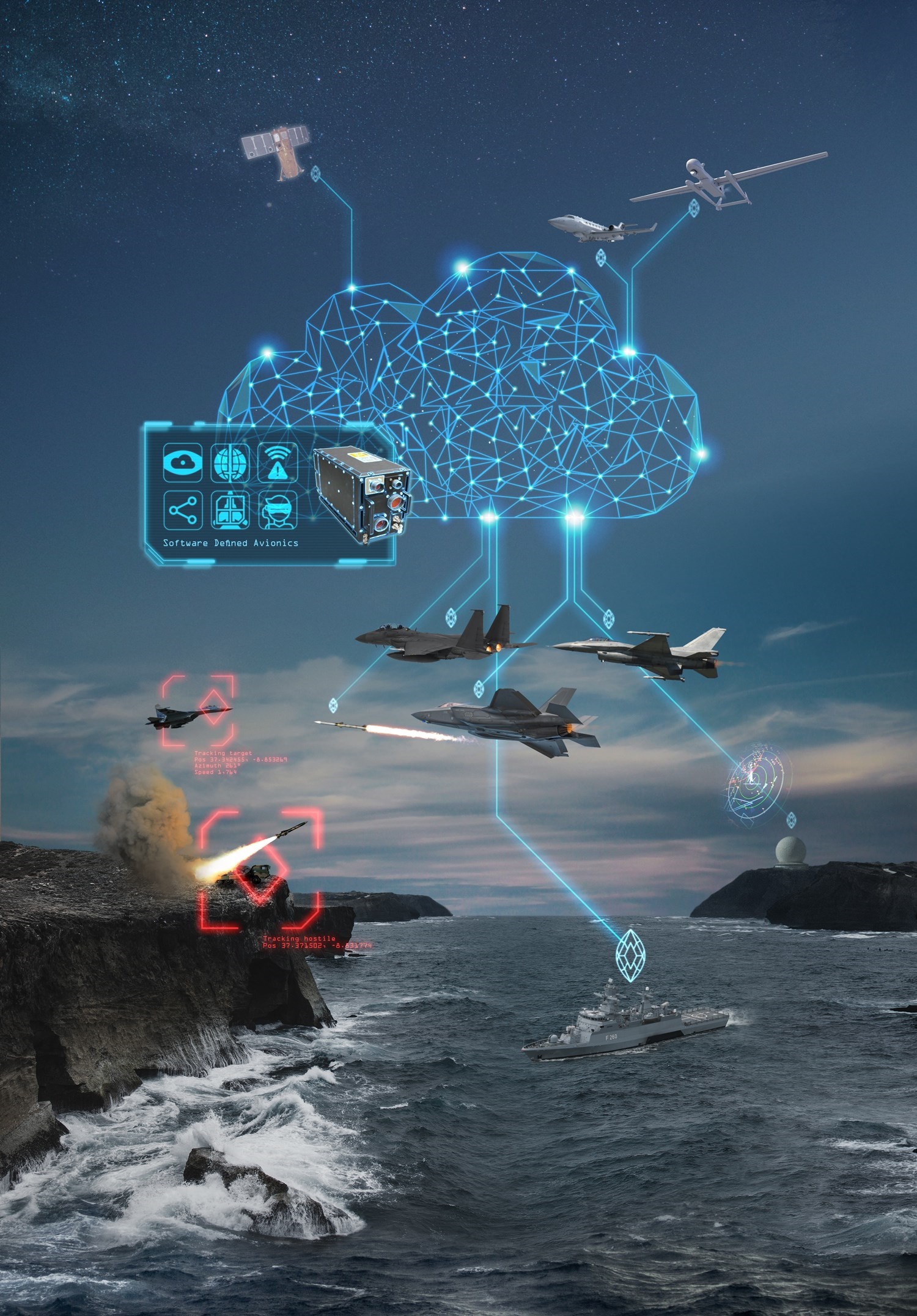
MSA is generated by a system of systems based entirely on IAI’s proven technologies.
Information from satellites, radars, electro-optical and electronic sensors on ships,
maritime patrol aircraft, and UAVs, as well as commercial data-based information
systems, is streamed to the MSA processing core, creating the situational picture.
Advanced computer vision, artificial intelligence, and machine learning techniques
process and fuse these information streams, producing a comprehensive, detailed, and
updated situational picture sharable among stakeholders. As the world pioneer in
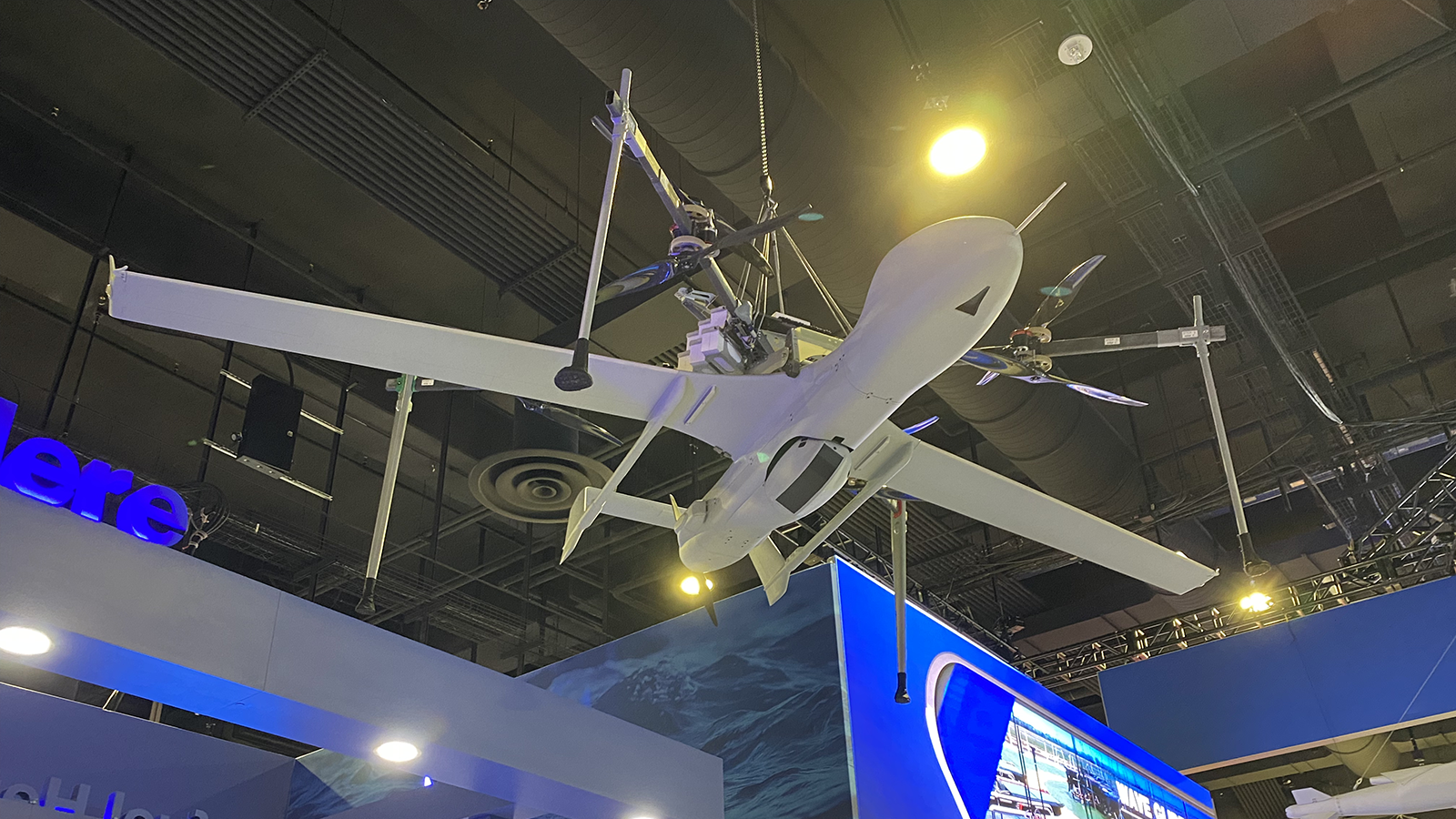
Unmanned Aerial Systems (UAS), IAI offers the advanced maritime Heron UAS equipped
with sensors suite of Maritime Patrol Radar (MPR) with Inverse Synthetic Aperture
Radar (ISAR) capabilities, Signal intelligence, powerful electro-optics, and Automatic
Identification System (AIS) for surveillance and patrol missions over littorals and high
seas.
Such systems must operate efficiently in environments congested and cluttered with
objects and overcome interference while constantly monitoring thousands of
commercial and civilian vessels. By learning routine activity and focusing on anomalies, the system can more effectively alert, detect and identify threats, prompting closer investigation and response.
Successful operations depend on efficient connectivity between naval, land, and
airborne assets, manned and unmanned. To achieve this goal, IAI implements OPAL, as a
connectivity framework that enables different applications operating on different
platforms to share information and functionality to achieve multi-domain operation.
Weapon systems must also be capable of engaging threats without endangering non-
involved vessels. IAI’s loitering missiles prove highly effective weapons for selective actionable response by providing the ability to collect intel and assess the situation a the target, select an impact point, and even abort an attack if the conditions demand such action.
MSA also involves wide-area surveillance against air threats to provide air and missile
defense for naval vessels and maritime infrastructures. The Barak MX air defense
system offers this capability, providing long range, effective, hemispheric air and missile
defense for naval and land-based forces. Operational with the Israeli Navy and foreign
armies and navies, Barak MX features a high level of connectivity, enabling the system
to address complex scenarios and extend coverage to protect vast areas over land and
sea at varying heights and distances.
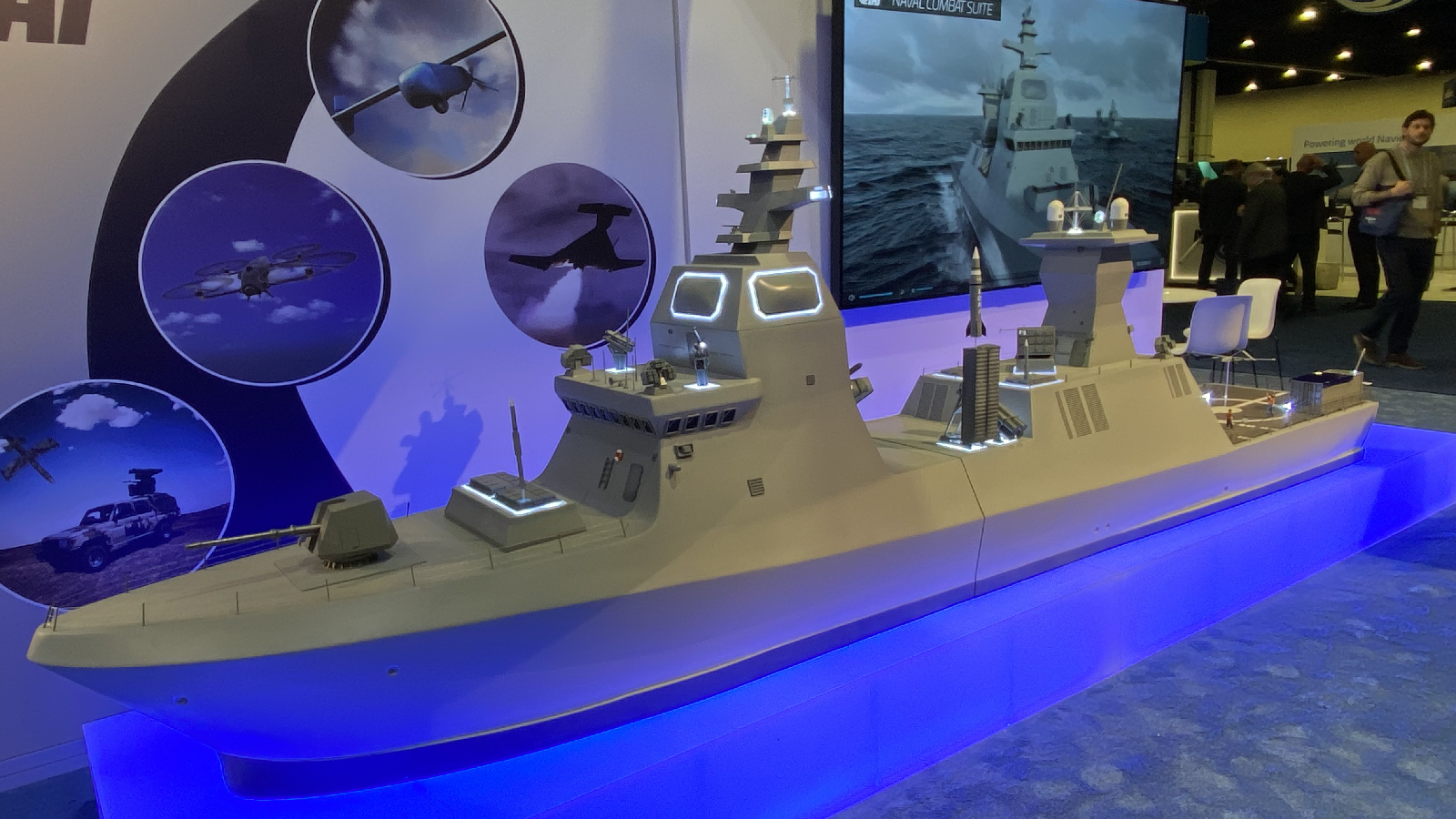
IAI also specializes in combat suites for naval and patrol vessels, integrating advanced
in-house-developed technologies with highly efficient modern open architecture
systems. This approach allows external systems to be integrated into the core system
IAI provides and vice versa. Weapon systems and sensors made by IAI can also be
integrated into other Combat Management Systems when required for the mission or
customer’s request. An example of this integrated combat suite is the Israel Navy Sa’ar 6
corvette. IAI integrated radars, offensive and defensive weapons, and other capabilities
on the ship to meet diverse naval requirements while minimizing development risks
and maintaining affordability.
The company also invests significantly in systems autonomy across air, land, and sea
domains, including underwater and surface applications. This investment addresses
autonomy technology for platforms and sensors and the user interface development
enabling unmanned systems to execute operational missions autonomously. With these
technologies, remotely controlled platforms with partial or full autonomy can undertake
independent missions and return to base without operator involvement. In the future,
such capabilities will be integrated into vessels of all sizes.
Adapting to lessons learned from different conflicts, IAI works with industry partners,
customers, and navies to prepare to meet the future threats appearing on the horizon.
This collaboration allows for a better understanding of developing challenges in the
naval arena, meeting new needs, and seizing opportunities for improvement.
PHOTOS: Sea-Air-Space 2023

 Gallery