A strong, healthy industrial base that can withstand disruption and continue to supply our military’s vital weapons of defense is essential to integrated deterrence.
Much has been written about the ability of the industrial base to deliver the solid rocket motors that power critical defense systems at a rate needed to support our allies and partners and for U.S. military replenishment. After Russia invaded Ukraine last year, the U.S. surged munitions from its inventory at incredible rates. As of August 2023, the Department of Defense reports it has sent more than 10,000 Javelins, 2,000 Stinger missiles and significant quantities of Guided Multiple Launch Rocket Systems (GMLRS) along with High Mobility Artillery Rocket Systems (HIMARS).
The Defense Department is taking steps to replenish these munitions for U.S. use, which requires modernizing existing production lines to meet the need. These efforts are hindered, though, by the abilities of suppliers to surge production capacity. True resilience can only be achieved by understanding the root causes that are impeding the nation’s ability to surge capacity for solid rocket motors.
In the just over two months since L3Harris acquired Aerojet Rocketdyne, I’ve looked closely at these root causes and identified a number that we must address. We’ve taken immediate steps to do so, such as investing in digital engineering and advanced manufacturing processes to drive quality and efficiencies. We’re also progressing on our investments in facility modernization and growth in Camden, Arkansas, and other key locations.
One significant cause that remains, however, is the challenge associated with sub-tier suppliers.
Solid rocket motor production relies on several important components and materials, and regardless of the number of solid rocket motor providers that exist, we each require these same components and materials – and more significantly, the suppliers who produce them.
These sub-tier suppliers have faced similar challenges as the rest of the aerospace and defense industry, including supply chain delays and workforce constrictions. At L3Harris, we’ve invested capital to support these sub-tier suppliers with modernization and growth to increase their capacity. But they need further investment to succeed, and industry and government customers must work together to address these issues.
Although the DoD has stated it achieved its small business prime contracting goal for the past eight years, the number of small businesses participating in the defense industrial base has declined by over 40 percent in the past decade. Industry must work together with DoD to qualify new sub-tier suppliers to increase the number of companies that can deliver high-quality, high-yield components for solid rocket motors.
Additionally, industry must pursue public/private partnerships to establish additional capacity for specific work scope on solid rocket motors. Working with trusted partners on some elements of the production line while maintaining high quality will enable us to meet increased needs.
Finally, the aerospace and defense industry must continue to invest in innovation to drive production and in talented workforces to ensure the U.S. has the capabilities needed to support Ukraine’s defense and Europe’s security today.
Longer-term, as the U.S. grapples with China’s desire to become the world’s global powerhouse, the need to ensure resiliency in our supply chain will continue to be of utmost importance. Our ability to deter China from aggression in the IndoPacific will be measured in many ways by the strength of our defense industrial base.
The actions we’ve taken to address challenges with sub-tier suppliers are a start. Now, we ask for increased partnership and engagement from across government and industry to enable further impact, shore up the chain and drive integrated deterrence forward.
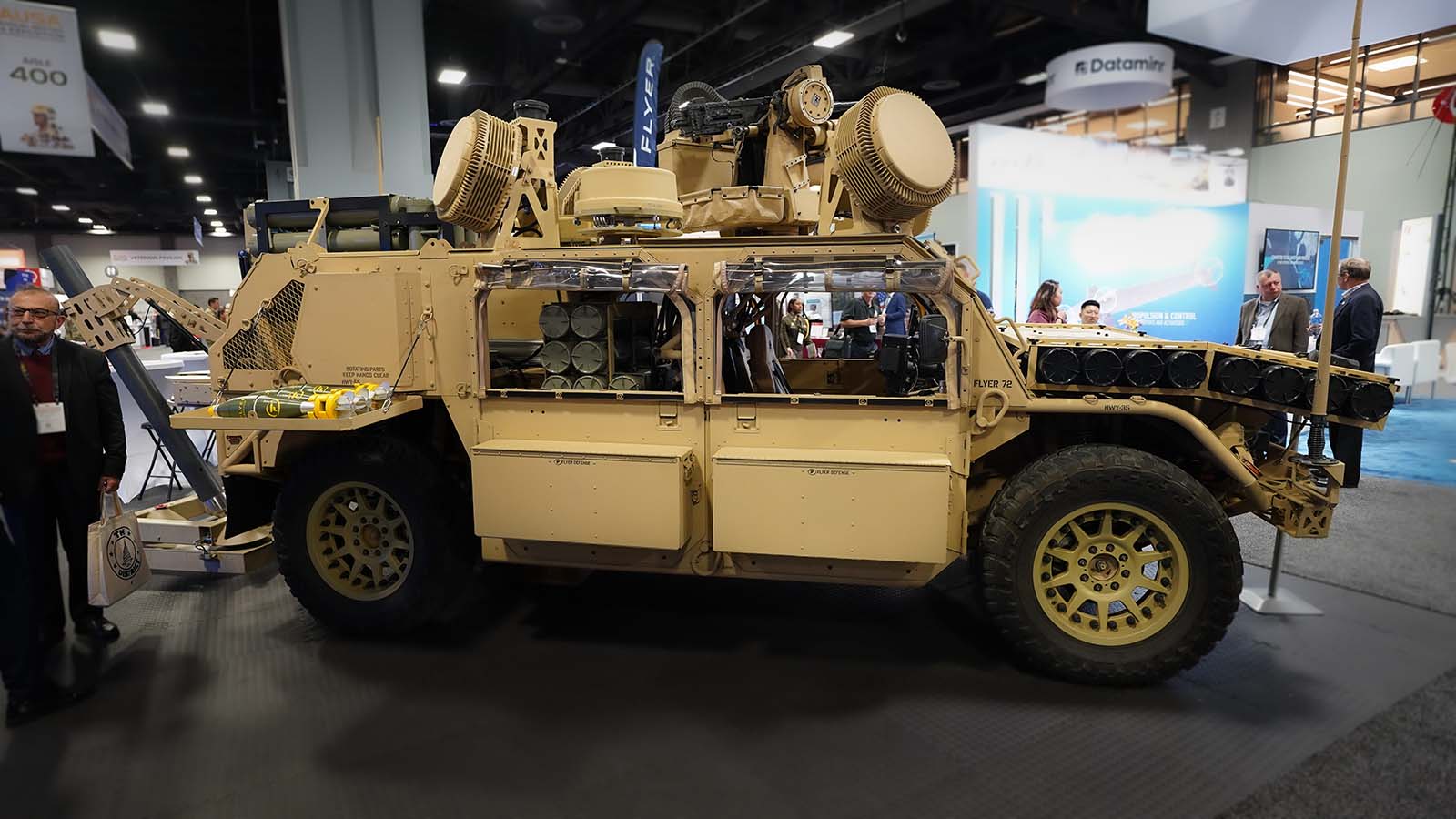
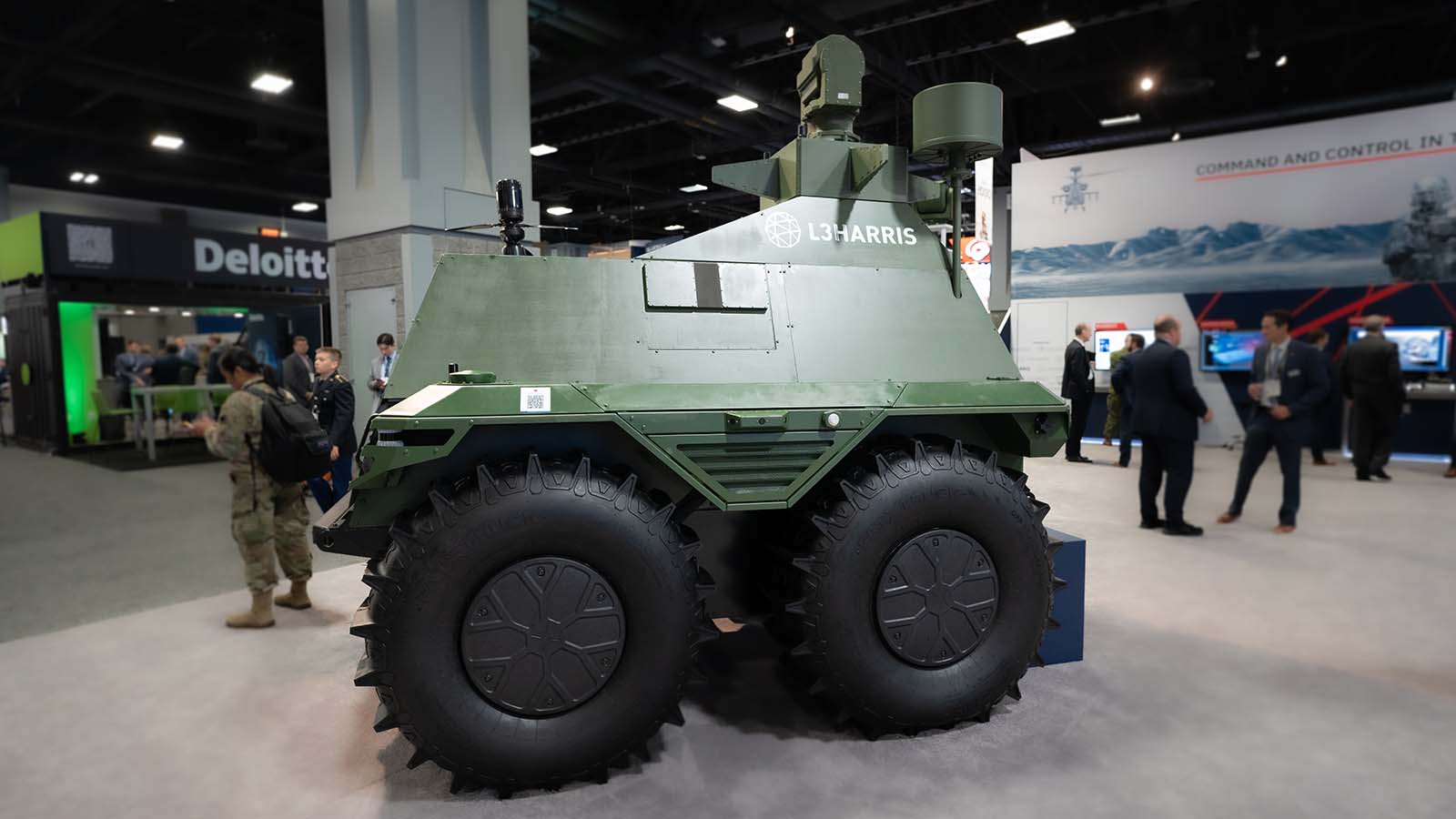
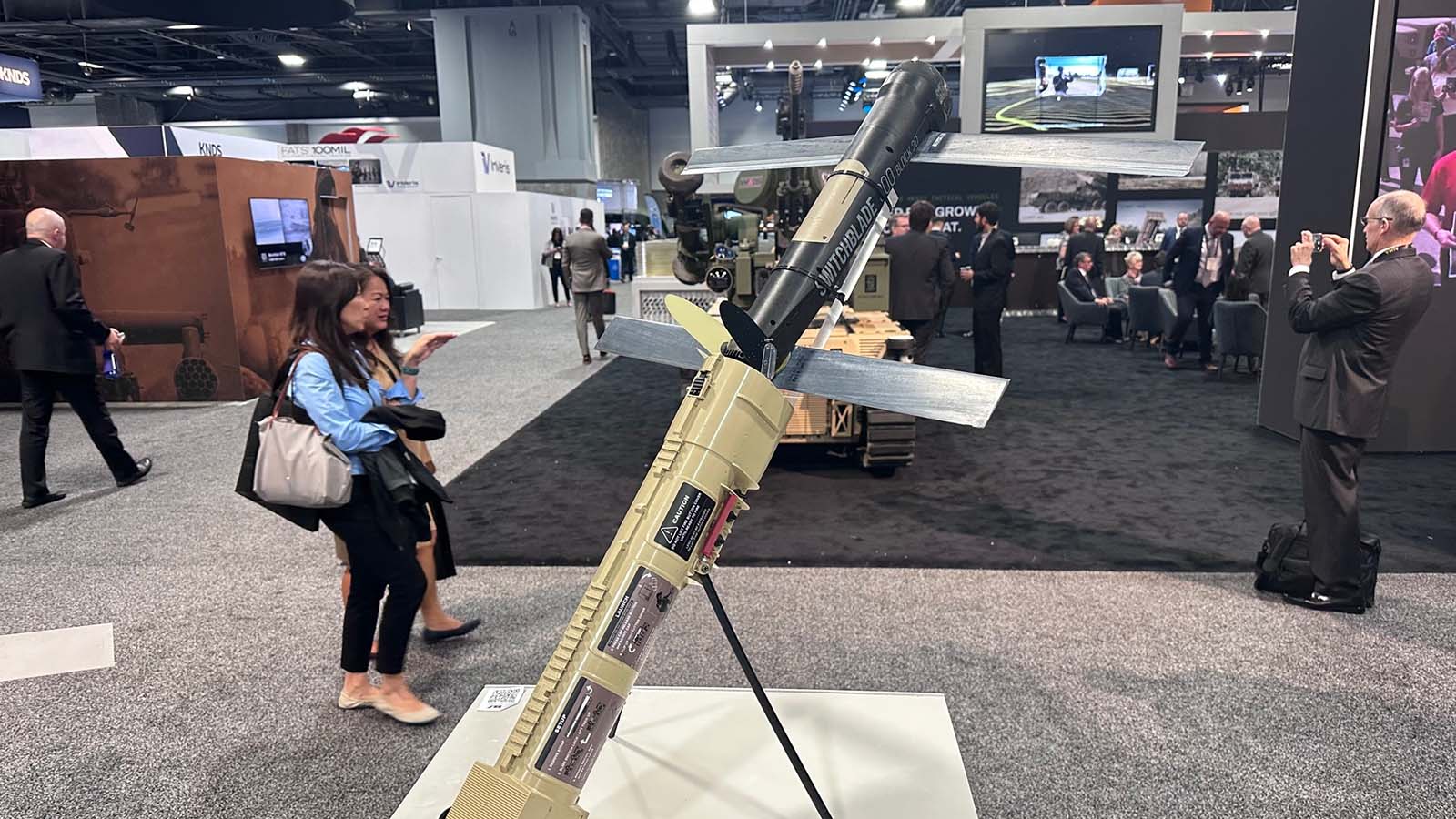
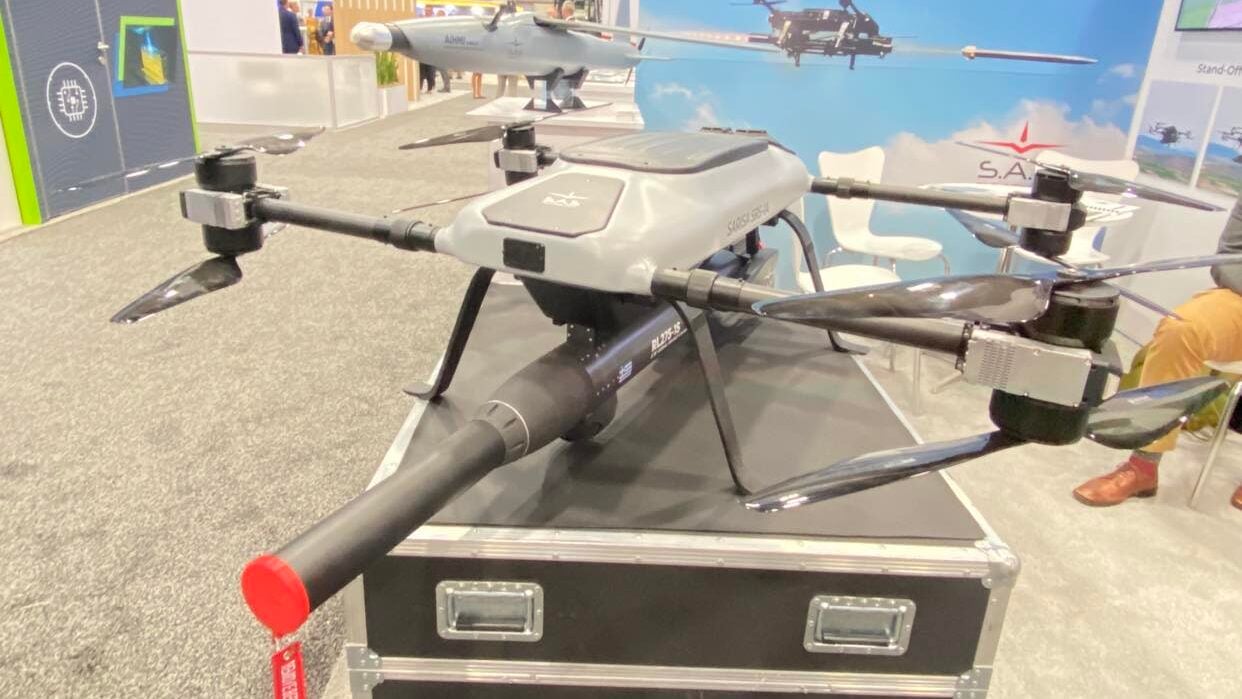
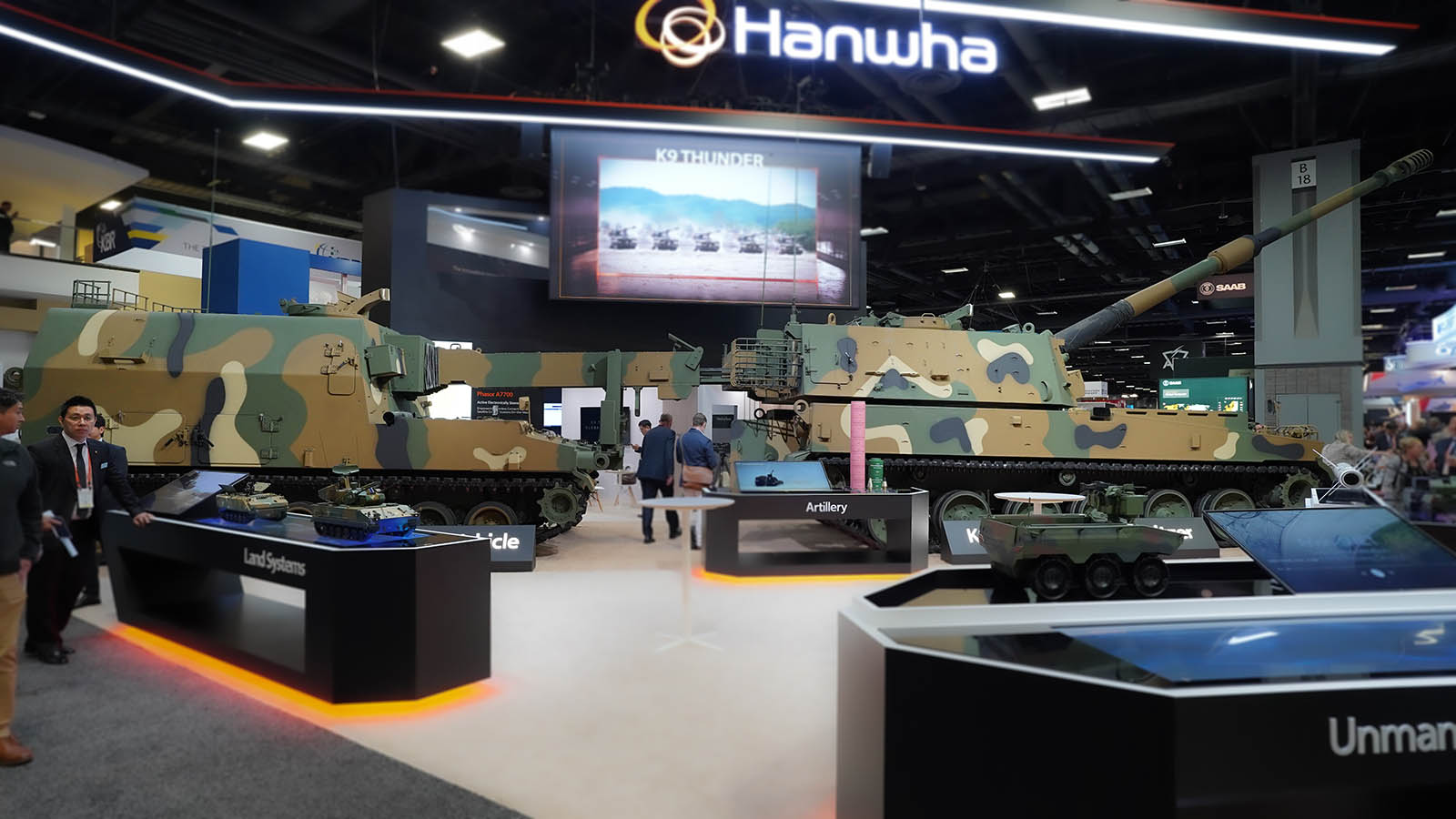
PHOTOS: AUSA 2023

 Gallery