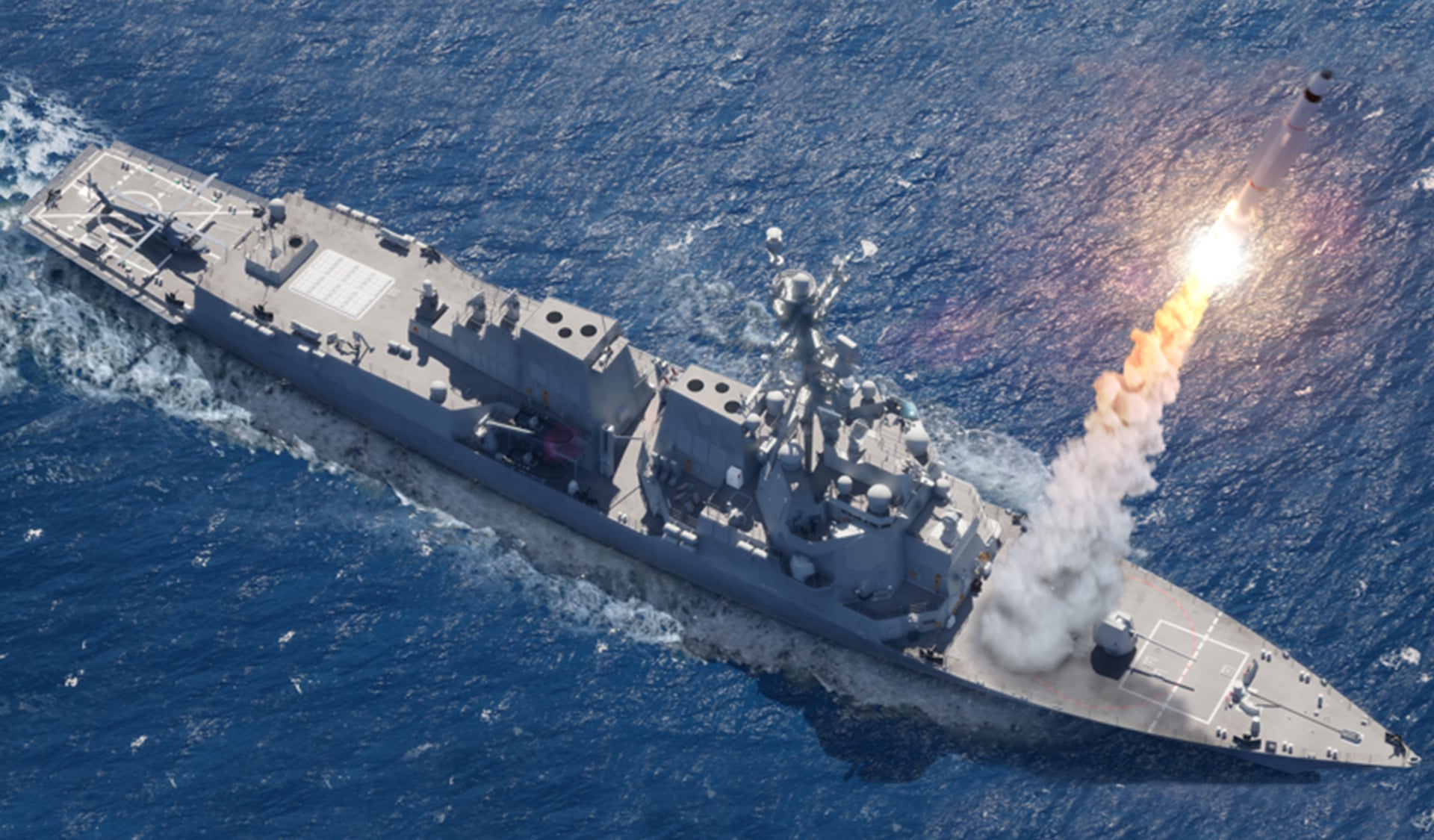
Operations in the Red Sea have been a triumph for the U.S. Navy. In some of the most intense combat operations since World War II, Navy ships and crews took down countless ballistic missiles1 and drones threatening U.S. allies and commercial shipping vessels.
While the mission has been successful – thanks to the skill and bravery of American Sailors – the speed and sophistication of today’s threats have been eye opening. For industry, it’s a reality check: the bad guys aren’t sitting still, and we can’t just match their pace, we need to go even faster.
Here are three hard lessons industry learned from the Red Sea, and what Lockheed Martin is doing to ensure our military always remains ahead of ready.
Lesson #1: Threats won’t wait – the time is now to accelerate software processes
Software is fundamental to the fight. And in the Red Sea, Sailors need immediate software updates to adjust to new threats and sharpen radar feeds. But our traditional processes were not built for that kind of speed.
There are a lot of reasons software updates move slower for the Department of Defense than in commercial industry. Limited bandwidth, security requirements, and the criticality of the mission all mean it’s vital to get software right the first time. When Sailors are staring down an incoming missile, you cannot afford to be in a beta test. Mission-critical software must be rigorously tested and certified before it’s deployed.
That said, it is time to modernize processes to get updates built and shipped much, much faster. At Lockheed Martin, we are doing just that! We just proved how industry can move faster to meet the threats faced by the U.S. Navy and its allies.
Thanks to the U.S. Navy’s vision, for the first time, we worked side-by-side with Navy engineers to push in-theater and crew-performed Aegis software updates “over the air” to forces in the Red Sea. This process allowed for small changes to be rapidly fielded, instead of waiting to incorporate them into the next major baseline upgrade. In a matter of days, the Navy and Lockheed Martin team went from a mission need to a certified, mission-ready update in operation.
Industry and government must continue to work together to define new, streamlined processes that drive speed without sacrificing mission assurance. At the same time, we must also capitalize on secure satellite communication and other wireless links to push software to deployed forces in real time.
We have learned a lot about what works. It is time to continue to feed those lessons back into smarter processes and make this speed of delivery an everyday occurrence.
Lesson #2: Commanders have plenty of data – they need the most relevant data, and now
Industry is great at generating data. We have sensors that can see tiny targets from miles away, and combat systems that show far-flung blue and red forces on real-time maps.
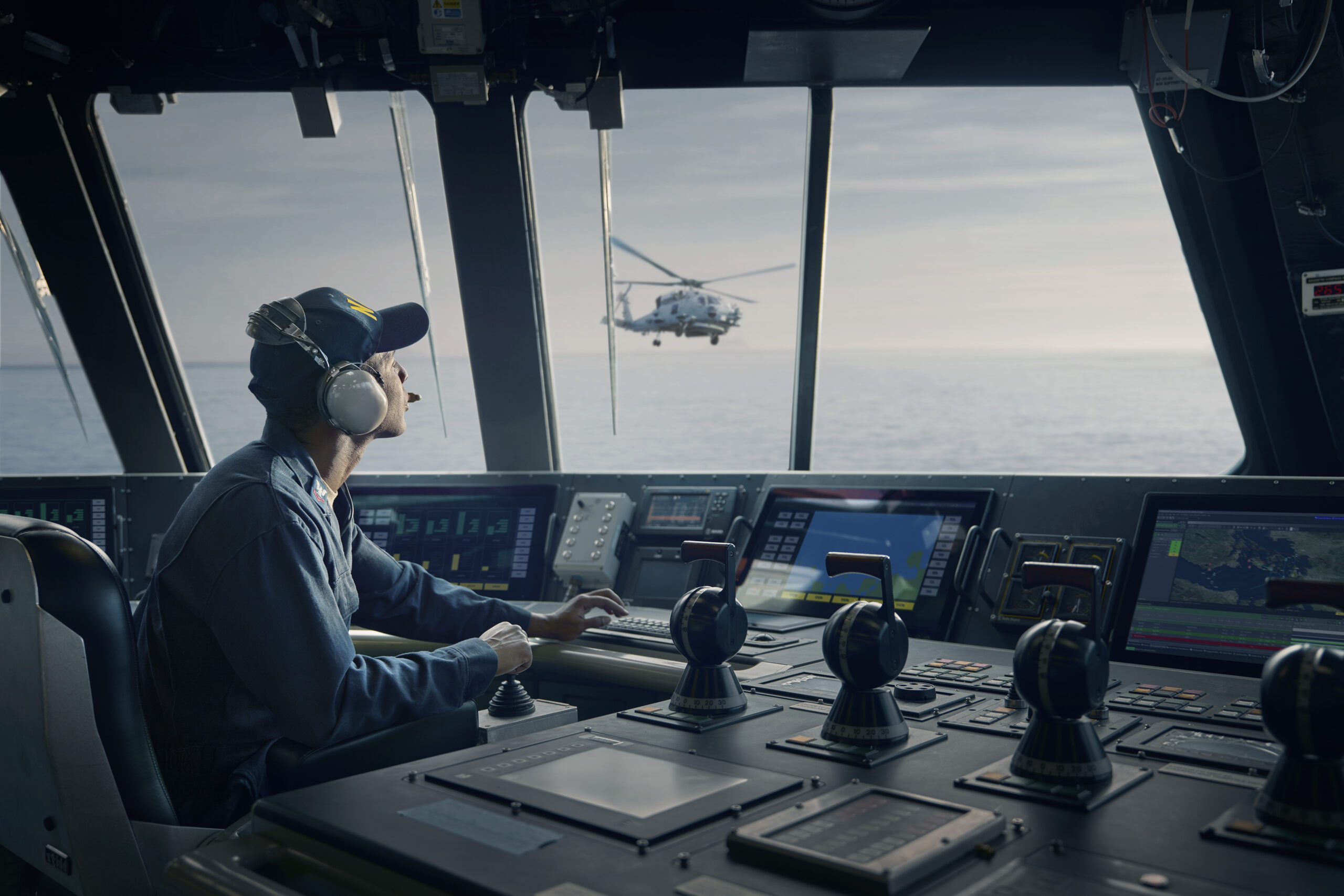
But for decision cycles measured in seconds, we need to be better. In the midst of ballistic missile volleys, watchstanders aboard the USS Carney had less than a minute to spot, identify, and decide on engaging targets screaming over the water. Operators don’t have time to synthesize data in combat. The network must provide that capability for them, and give them a clear, relevant picture of the advancing threats, whether it is an adversary or bad weather.
That’s where AI comes in. Amongst a deluge of data, AI sifts through the noise to uncover clear targets, and instantly declutters the picture for decision-makers, so they can focus on what matters most.
We are currently working with the Navy to integrate AI into both current Aegis-equipped vessels and the next-generation Integrated Combat System, to cut through the clutter and deliver the most relevant data. We will enable AI-powered systems to give an operator a flash assessment of the threat and a set of options for engaging the threat, ranked by probability of success.
To effectively leverage AI and accelerate operations while keeping a human in the loop, we must continue to collaborate across the commercial sector and integrate cutting-edge AI technologies into the DoD. By forming strategic, commercial partnerships with industry leaders like NVIDIA, Microsoft, and Intel, we are bridging the gap at Lockheed Martin to bring innovative commercial solutions with our in-depth understanding of the mission, enabling AI to drive meaningful impacts for the DoD.
Lesson #3: The problem isn’t just about more ammo – it’s about more options
A lot has been said about the need for more interceptors to meet high-volume threats. And that’s very true, which is why we have been working with the Navy to integrate additional interceptors like PAC-3 Missile Segment Enhancement into the fleet, increasing capacity.
But crews need more than just more ammo. When they are staring down dozens of drones and missiles, they must have multiple ways of taking them down to ensure the strategic advantage.
Directed energy, electronic warfare, and precision chain guns all offer options for neutralizing a wide range of targets. And all those effectors – regardless of who manufactures them – need to plug in to a common network. The Navy cannot afford to have more separate, non-integrated systems.
At Lockheed Martin, we are bringing these solutions to the Navy now! We are making sure that Aegis and the next-gen Integrated Combat System can connect with any effector, and any interceptor built by any supplier, so the Navy has maximum options for affordable and available access to combat threats.
This isn’t an either/or scenario. It’s a yes/and. We must ramp up production and we must rapidly mature and deploy multiple options for engaging threats. And that will take companies across industry working together to build capacity and improve connectivity. At Lockheed Martin, we are doing just that as we have chosen a path to collaborate with other industry partners to continue ensuring our U.S. Navy always remains ahead of ready.
1 Testimony by Admiral James W. Kilby, USN, Vice Chief of Naval Operations, Department of the Navy before the U.S. Senate Armed Services Committee on March 12, 2025.
PHOTOS: Sea Air Space 2025

 Gallery