Air Warfare

RTX, Shield AI picked to give Collaborative Combat Aircraft autonomous capabilities

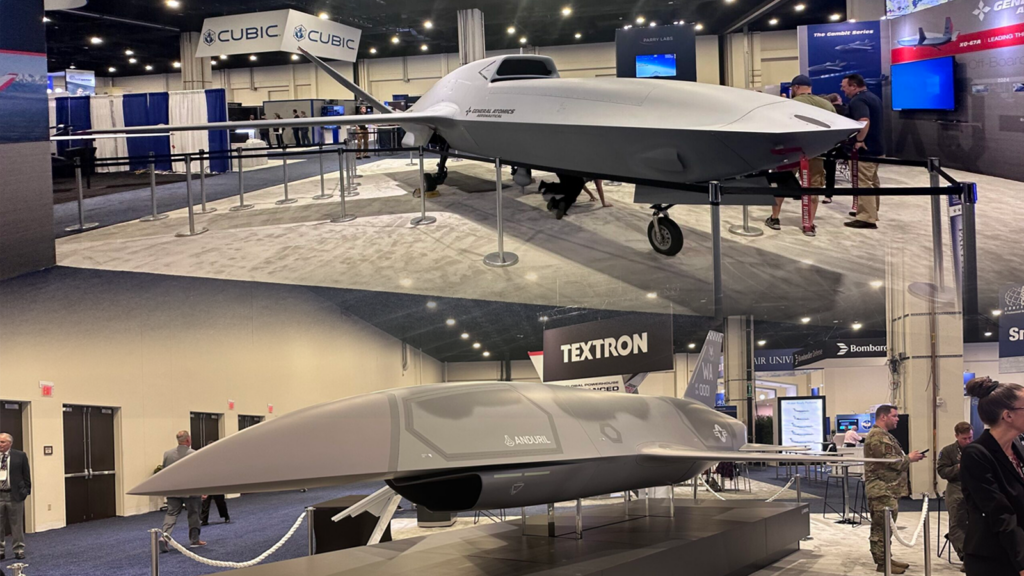
RTX will provide autonomy capabilities for General Atomics’s Collaborative Combat Aircraft offering dubbed the YFQ-42A, while Shield AI will supply the autonomy pilot for Anduril’s YFQ-44A, a source told Breaking Defense.

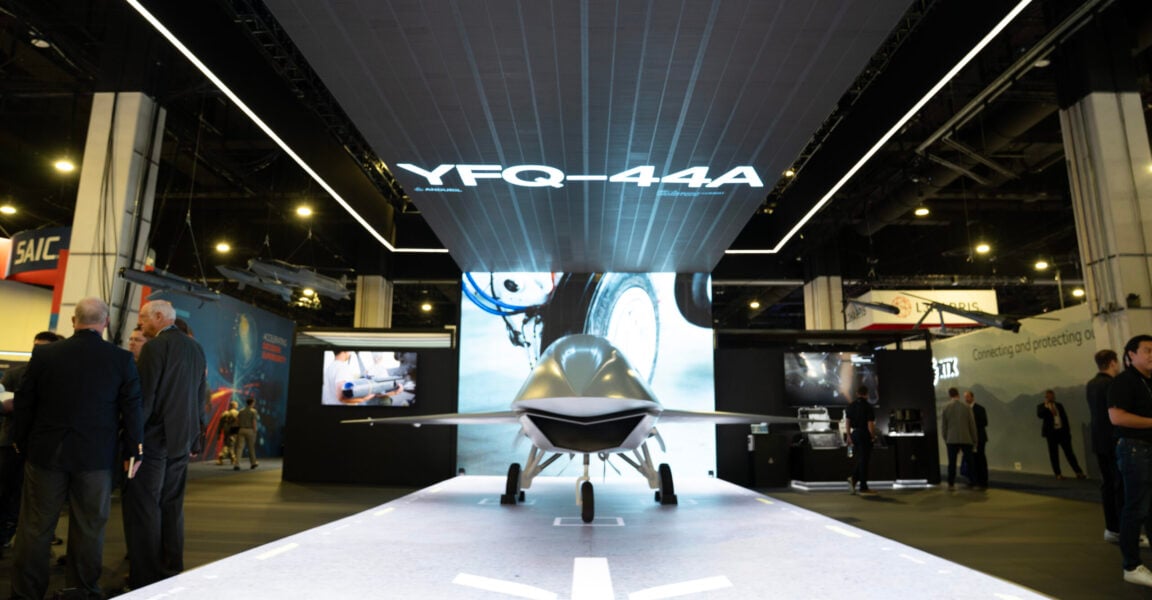
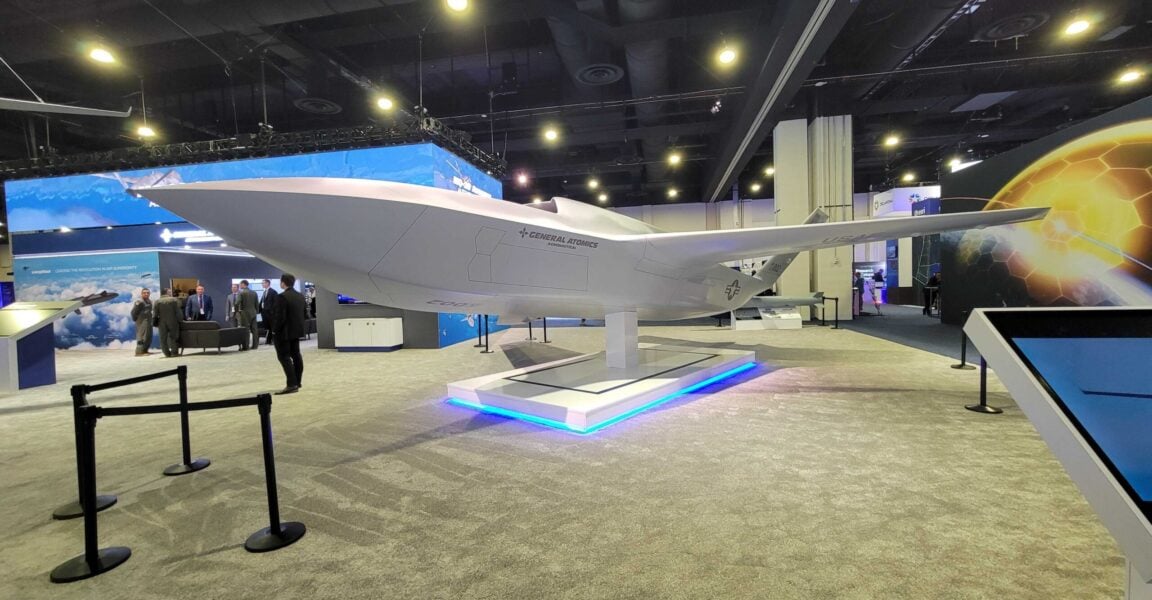
A full-sized model of General Atomics's Collaborative Combat Aircraft (top) and Anduril's (bottom) on display at AFA 2024 on Sept. 20, 2024. (Breaking Defense photos)

AFA 2025 — The Air Force has selected defense giant RTX and startup Shield AI to supply the autonomy capabilities for the service’s first round of drone wingmen, two sources with knowledge of the process confirmed to Breaking Defense.

RTX will supply the autonomy software, essentially the computer pilot for the drones known as Collaborative Combat Aircraft, to General Atomics’s YFQ-42A. Shield AI will similarly provide autonomy for Anduril’s YFQ-44A, the source said. Aviation Week first reported the wins by RTX and Shield AI.

The Air Force previously disclosed that the service had winnowed the pool of autonomy vendors to five unnamed companies, though officials have since declined to disclose specifics. One source said that ensuing competition knocked out Anduril, which was competing for the autonomy deal separate from its aircraft offering.

An Air Force spokesperson declined to comment, saying only that “all subcontractors are protected by enhanced security measures.”

Anduril, General Atomics, RTX and Shield AI all referred queries to the Air Force.

The Air Force previously awarded contracts for the drone wingmen airframes to General Atomics and Anduril last year, marking the first “increment” of the CCA program. General Atomics’s YFQ-42A more recently took to the skies for its first flight. Anduril’s YFQ-44A is expected to follow in October, Air Force Secretary Troy Meink told reporters in a roundtable on Monday.

Although Anduril missed a target to fly the drone by the summer, Diem Salmon, the company’s vice president for Air Dominance and Strike, said the firm is still “well ahead of the program schedule” to achieve its maiden flight. 

“There’s just a little bit more on the software development side that needs to get wrung out. So that’s what’s currently driving our schedule right now,” Salmon said during a briefing with reporters on Monday. “But again, I think that’s going to allow us to kind of leapfrog the overall test plan, because we are kind of tackling that hard part first.”

Details about the second CCA increment are still not known. Meink said Monday the Air Force is still in the “learning phase” for the CCA program, where efforts under the first increment will inform its subsequent iteration.

PHOTOS: AFA 2025

PHOTOS: AFA 2025

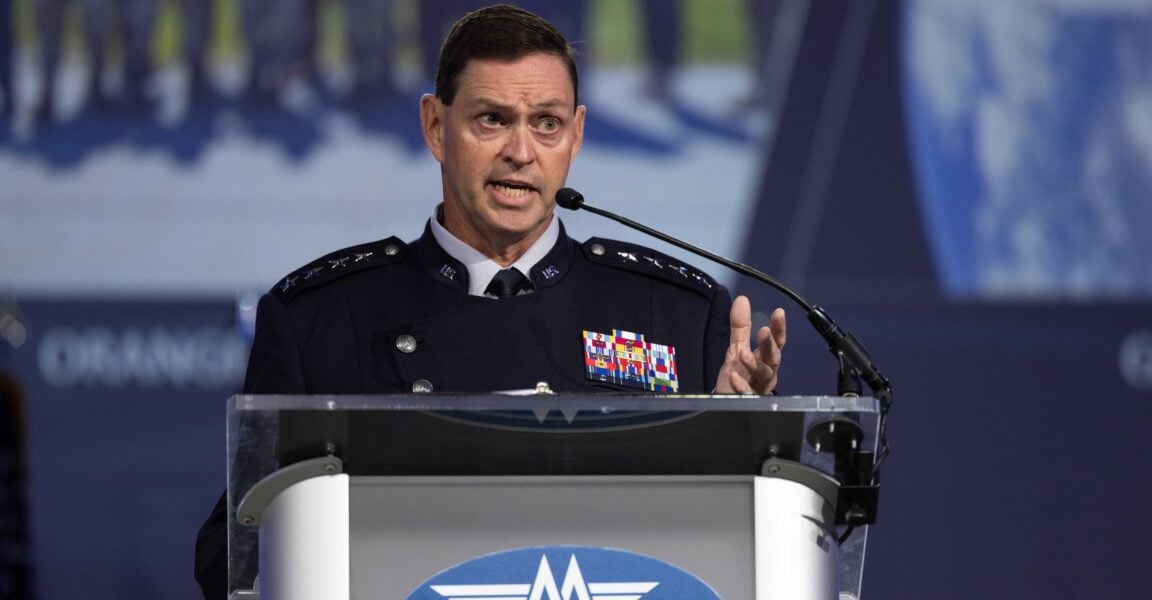
Space Force Chief of Space Operations Gen. B. Chance Saltzman delivers his keynote address, Sept. 23, 2025. (Jud McCrehin/Air & Space Forces Association)
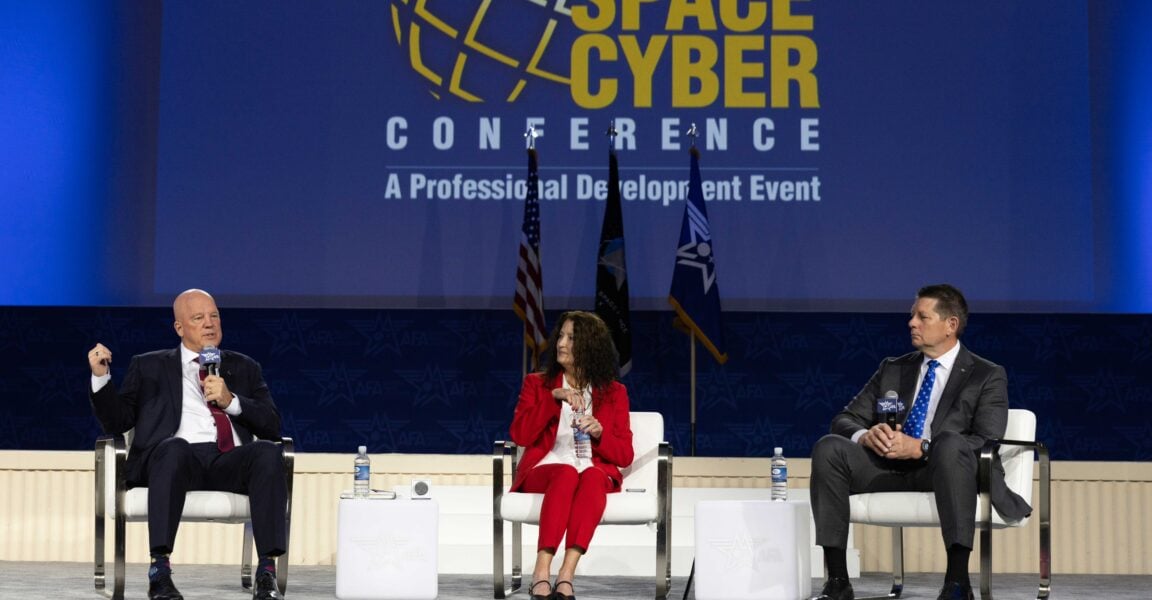
Jay Raymond (left), former Space Force chief of space operations, and David Thompson, former vice chief of space operations, speak on a panel moderated by Nina Armagno, former Space Force staff director, Sept. 23, 2025. (Jud McCrehin/Air & Space Forces Association)
Griffon Aerospace displays its Valiant vertical takeoff-and-landing drone, designed for field reconnaissance on the go, Sept. 23, 2025. (Aaron Mehta/Breaking Defense)
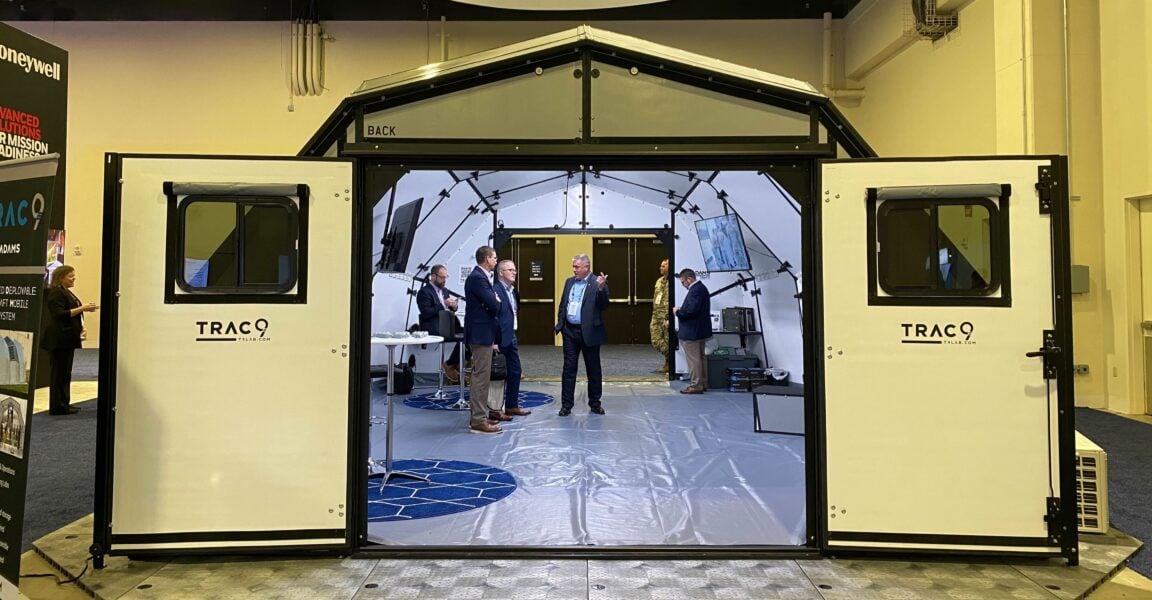
Trac9 shows its Advanced Deployable Aircraft Mobile System, a portable hangar, Sept. 23, 2025. (Aaron Mehta/Breaking Defense)
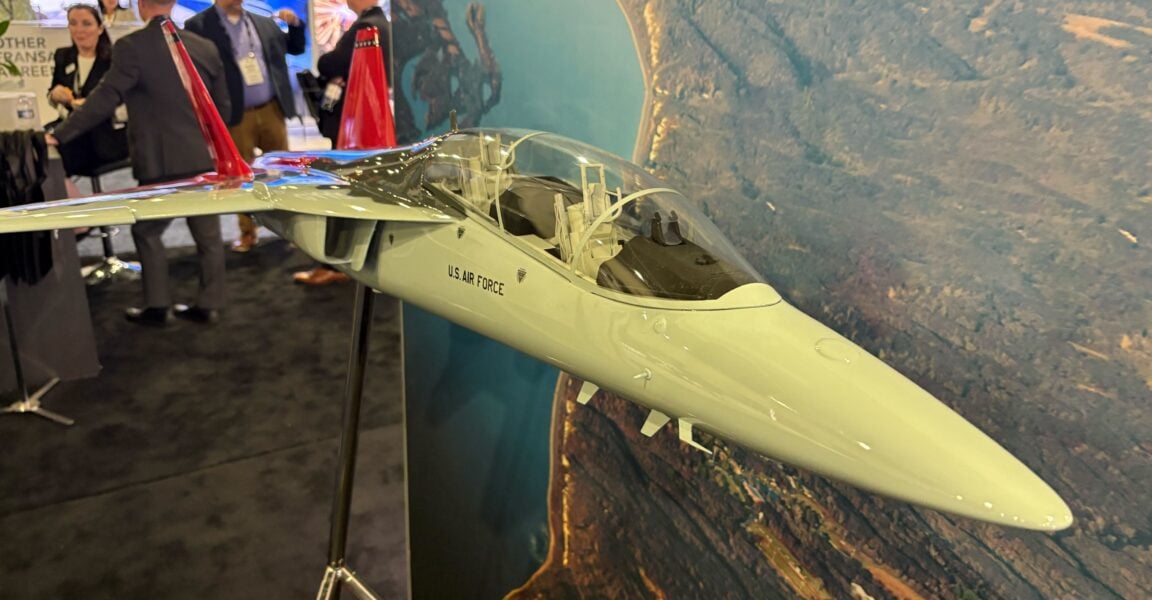
A model of Saab-Boeing's T-7 Red Hawk jet trainer, Sept. 23, 2025. (Daniel Woolfolk/Breaking Defense)
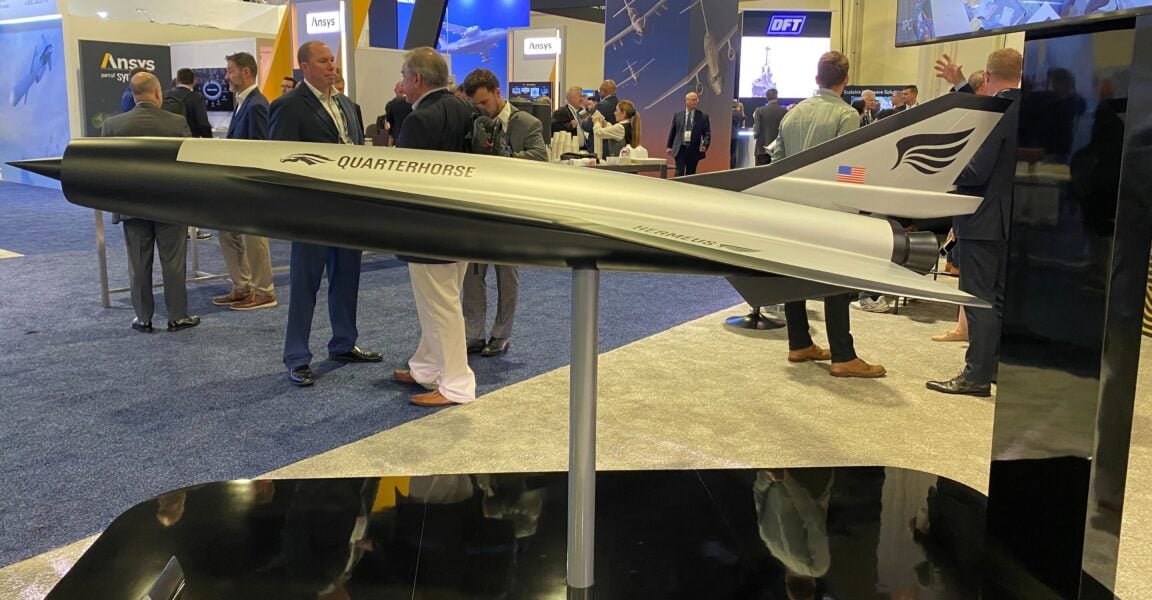
A 1/6th-size model of the Hermeus supersonic jet sits below a live feed of the company's production line in Atlanta, Ga., Sept. 23, 2025. (Aaron Mehta/Breaking Defense)
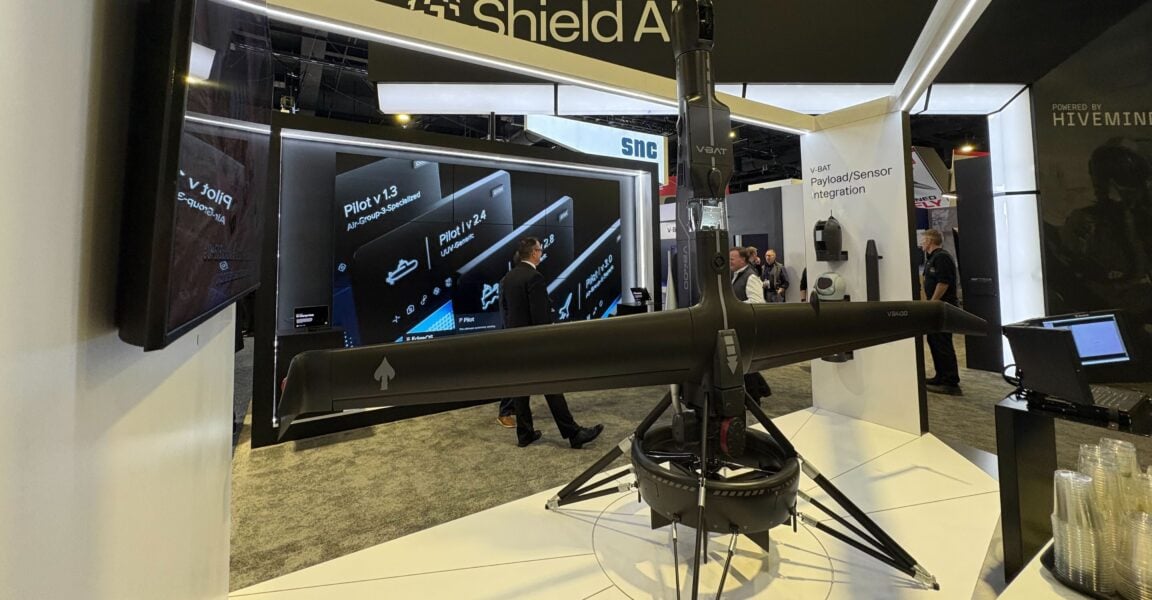
Shield AI's V-BAT vertical takeoff-and-landing drone, sits on display, Sept. 23, 2025. (Daniel Woolfolk/Breaking Defense)
The Air Force Research Laboratory displays a missile designed under its "Angry Tortoise" program, a partnership with Ursa Major, that looks to develop hypersonic missiles that can be deployed en masse for millions of dollars less than more traditional munitions, Sept. 22, 2025. (Rachel Cohen/Breaking Defense)
Anduril’s YFQ-44A Fury drone, an entrant in the Collaborative Combat Aircraft drone wingman program, sits on display, Sept. 22, 2025. (Daniel Woolfolk/Breaking Defense)
General Atomics’ YFQ-42A, another CCA entrant, sits on display, Sept. 22, 2025. (Rachel Cohen/Breaking Defense)
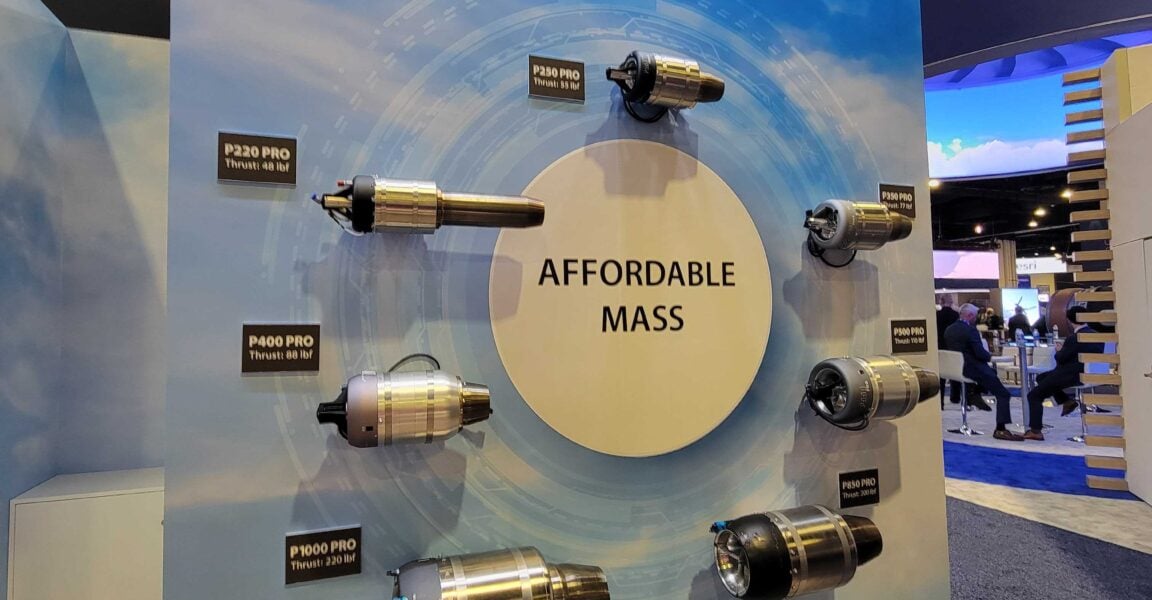
JetCat shows several small jet engines designed to power munitions or kamikaze drones at a fraction of the cost of larger engines, Sept. 22, 2025. (Rachel Cohen/Breaking Defense)
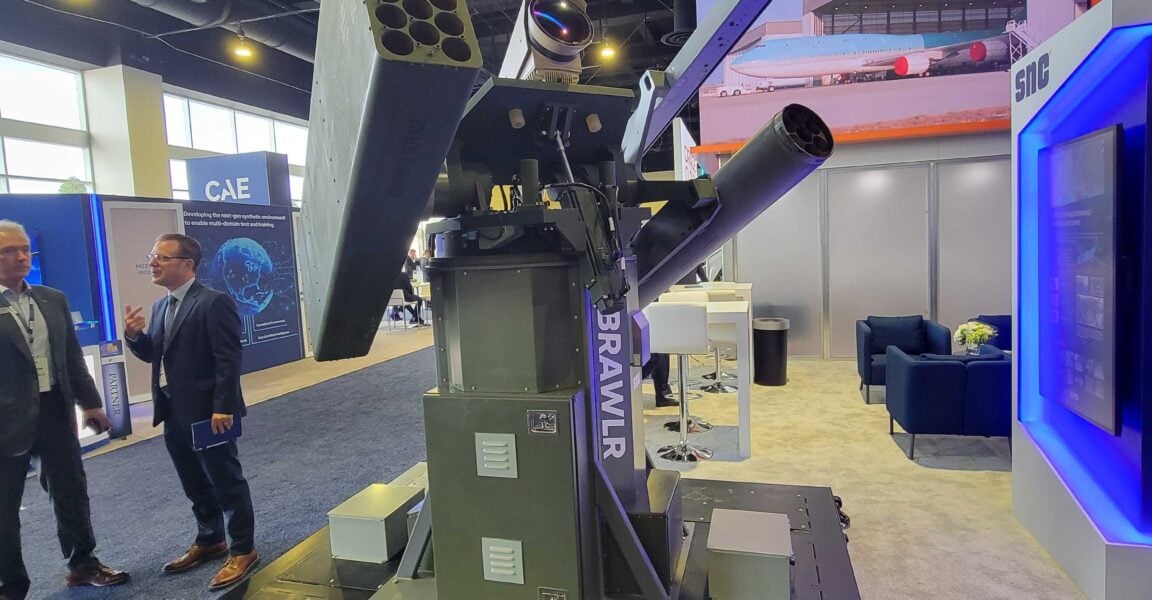
Sierra Nevada Corp.’s Battery Revolving Adaptive Weapons Launcher (BRAWLR), a reconfigurable counter-drone system in use by at least one classified foreign customer, makes its defense trade show debut, Sept. 22, 2025. (Rachel Cohen/Breaking Defense)
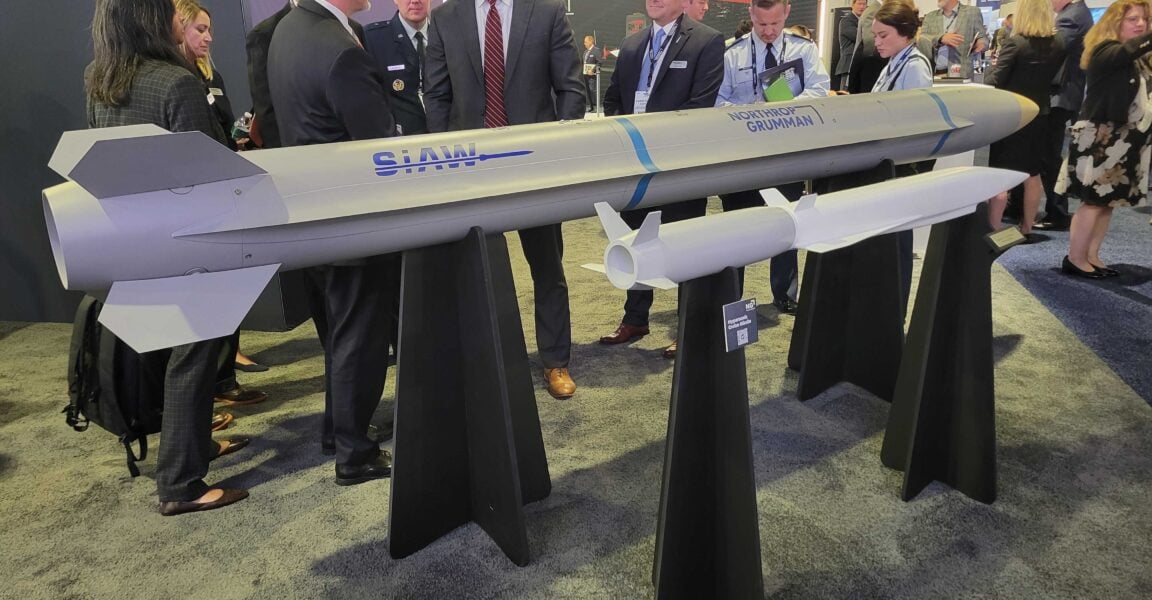
Air Force Undersecretary Matt Lohmeier visits the Northrop Grumman booth, where the Stand-In Attack Weapon and Hypersonic Cruise Missile are on display, Sept. 22, 2025. (Rachel Cohen/Breaking Defense)
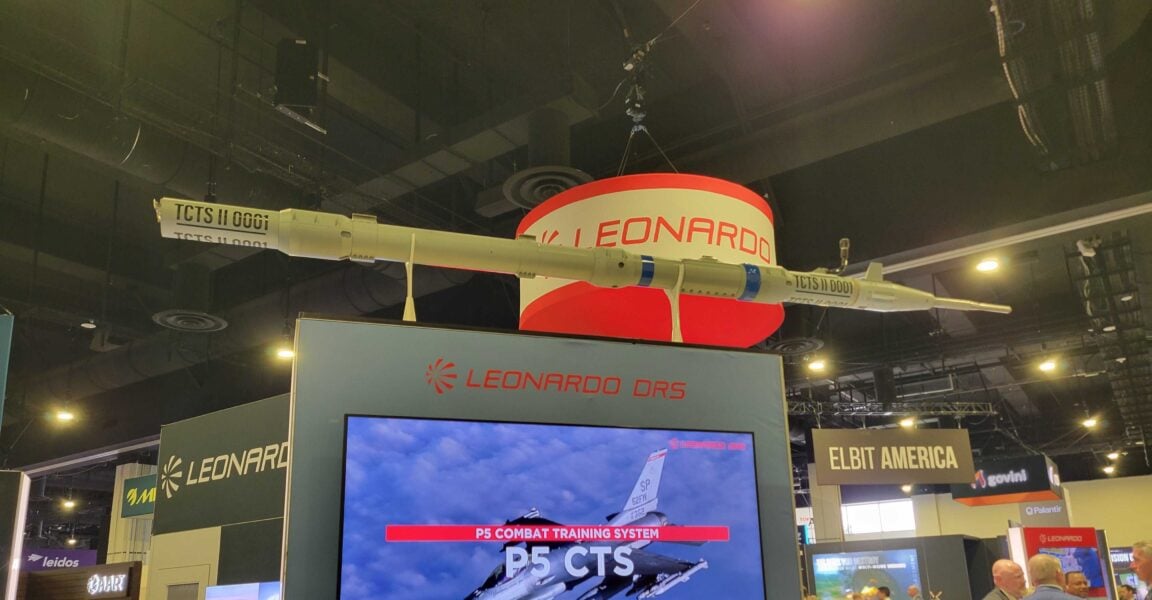
The Tactical Combat Training System Increment II connects live aircraft to a simulator in training, allowing remote troops to practice in real-world conditions. (Rachel Cohen/Breaking Defense)

Could you fly Embraer’s C-390? (Daniel Woolfolk/Breaking Defense)

Embraer aims to convince the Air Force that its C-390, shown in miniature on Sept. 24, 2025, could be a boon to the service’s airlift fleet. (Daniel Woolfolk/Breaking Defense)
J.P. Nauseef, president and chief executive officer of JobsOhio speaks during ASC, Sept. 24, 2025. (Jud McCrehin/Air & Space Forces Association)
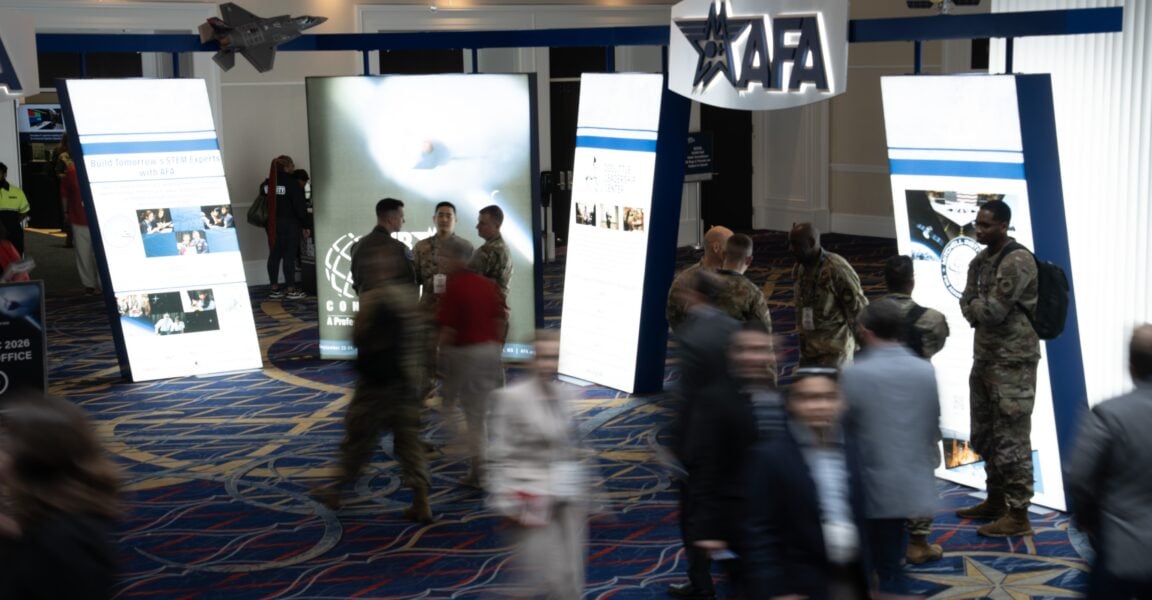
Attendees traverse the show floor on the final day of the conference, Sept. 24, 2025. (Daniel Woolfolk/Breaking Defense)
Attendees mill about near the main show floor doors at the Gaylord National Resort & Convention Center, Oxon Hill, Md., Sept. 24, 2025. (Daniel Woolfolk/Breaking Defense)
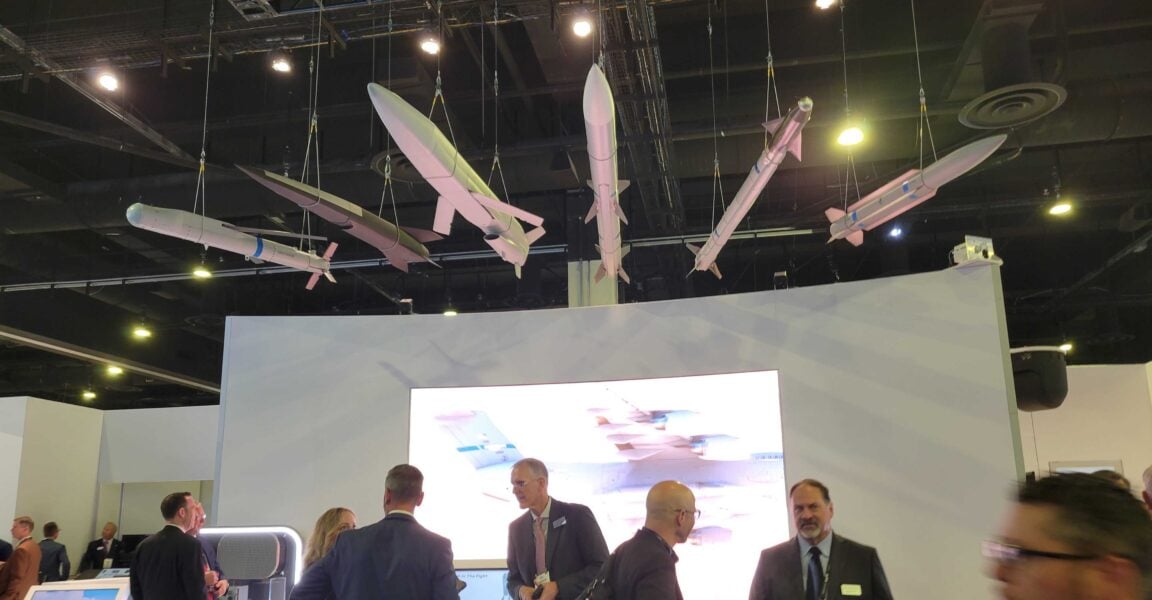
RTX shows off munitions at its booth on the show floor, Sept. 22, 2025. (Rachel Cohen/Breaking Defense)