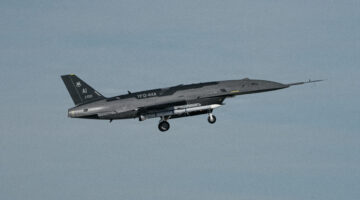
In first, Air Force fires live shot off CCA wingman drone
“It wasn’t just an AMRAAM that came off,” Air Force Chief of Staff Gen. Kenneth Wilsbach told Breaking Defense. “It was tracking the target.”
“It wasn’t just an AMRAAM that came off,” Air Force Chief of Staff Gen. Kenneth Wilsbach told Breaking Defense. “It was tracking the target.”
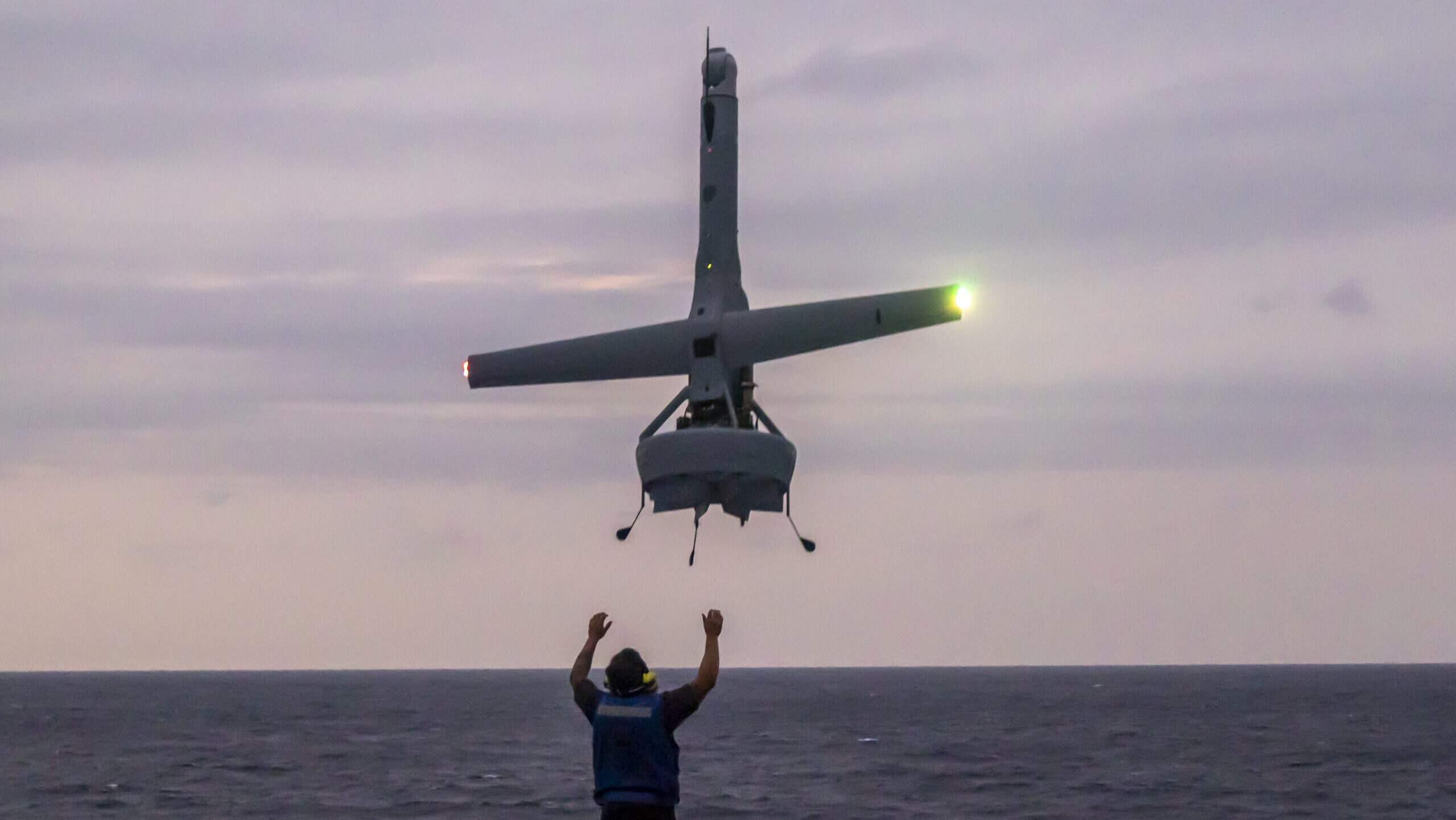
In Ukraine, V-Bat drones have withstood electronic warfare attacks that have downed other UAVs.

Lightning Surge exercises are turning soldier feedback on NGC2 into operational software changes in days, not years.
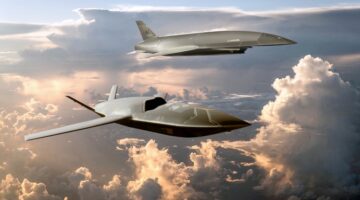
Anduril, Shield AI and Collins have been tapped to develop the autonomy system for the collaborative combat aircraft.
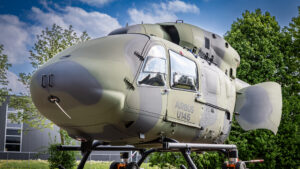
Other military roles for the drone cover armed scouting, surveillance, crewed-uncrewed teaming as well as acting as a “mothership” for air launched effects, according to the European prime.
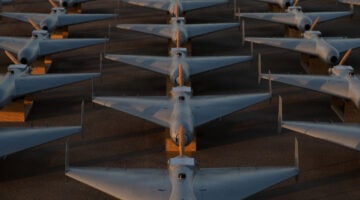
The company says it will integrate its Hivemind software on the drones, with plans to demo its swarming capability later this year.
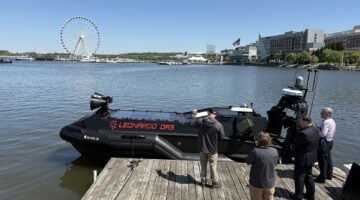
Check out a selection of photos from the show floor.

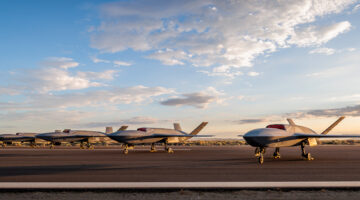
GA-ASI is serious about retaining its position as the leading provider of UAS to the United States and its allies.
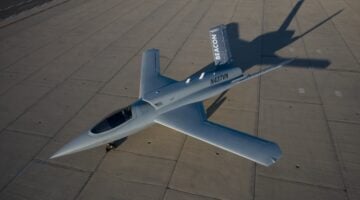
“While the aircraft was flying, the software was queued up so that we could have different companies’ behaviors take control of the platform and fly [it]," said Dan Salluce, Northrop’s senior director for aerospace systems.
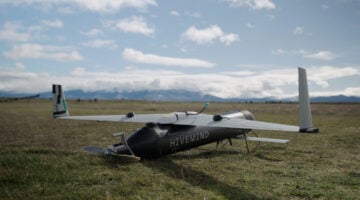
Despite the absence of customers, the companies are hoping that the demonstration could tempt European air forces looking for cUAS solutions that can reduce reliance on crewed aircraft.

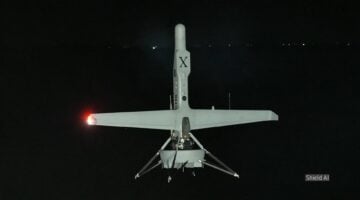
Continuation of UAS operations in contested and GPS-denied environments is key.
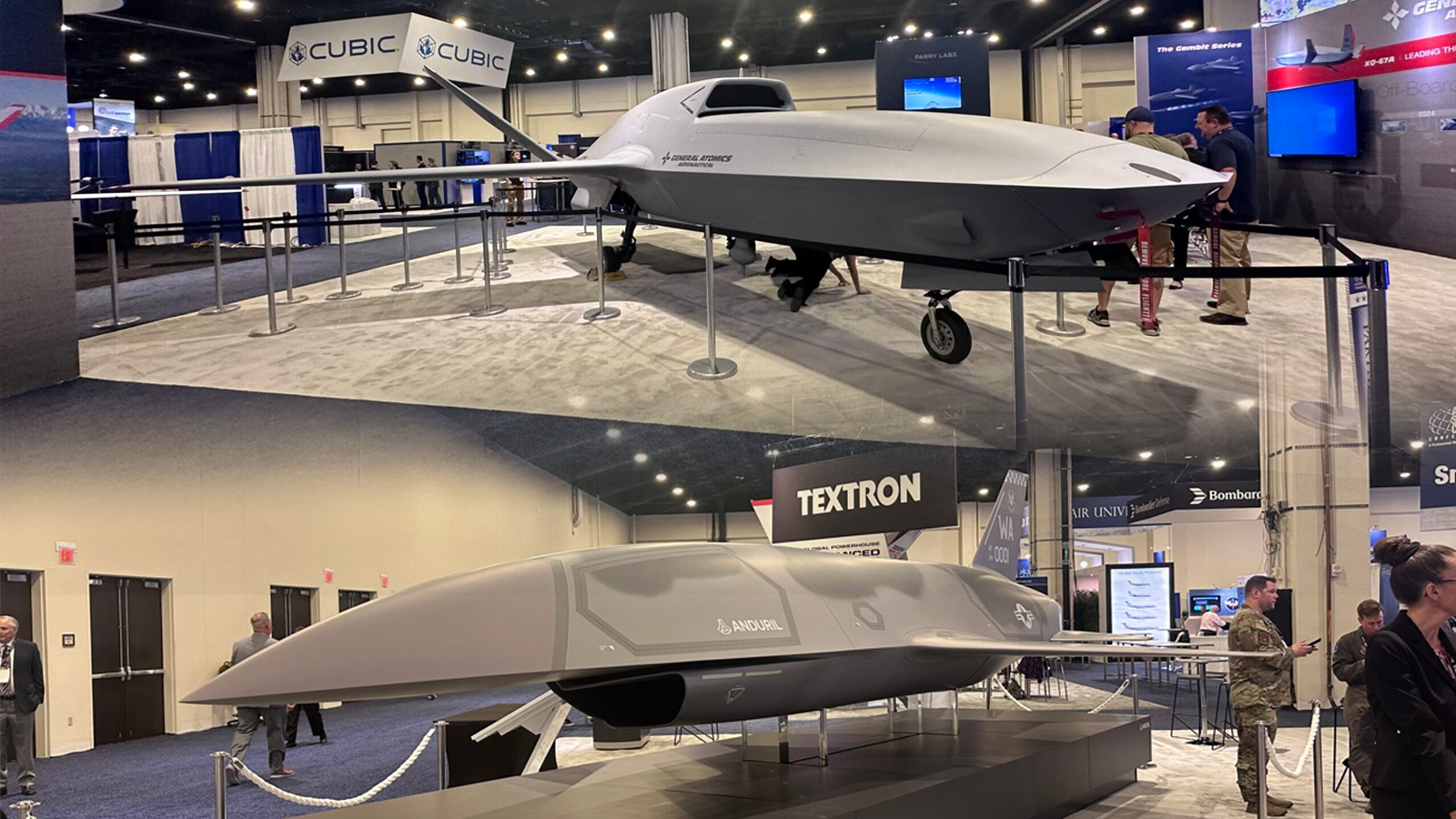
Sometime in 2026, the Air Force will make a decision about what designs to produce for the first round of its drone wingmen program. The service is also expected to home in on what it wants next.

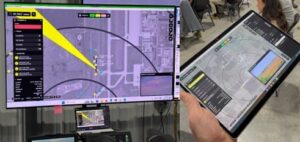
Architecture that linked sensors, C2, RF effects, and lasers into a distributed c-UAS kill chain.

The designs selected for the next group of Collaborative Combat Aircraft represent a “broad spectrum” of concepts, which will be narrowed down at a later date for prototyping, an Air Force spokesperson told Breaking Defense.
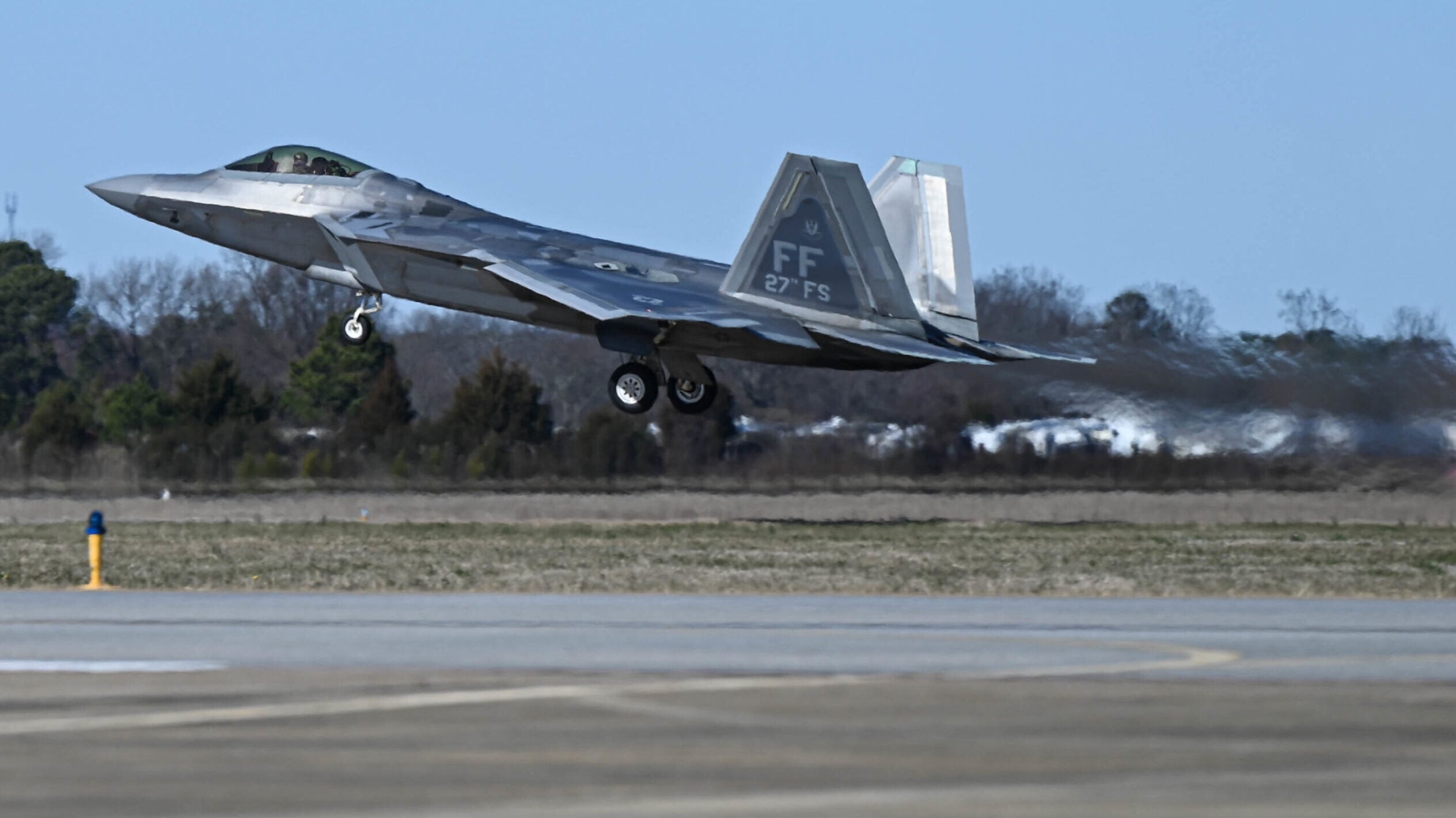
“We already know the F-22 will play a critical role in crewed-uncrewed teaming operations, and General Atomics is in a unique position to get this started now,” company spokesman C. Mark Brinkley told Breaking Defense.
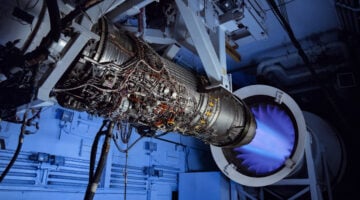
The announcement marks the first official partnership for GE on a drone wingman platform.
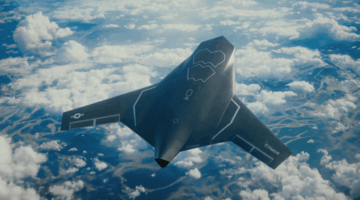
"When you see it, I believe that you'll probably think to yourself, 'Holy s--, that thing is f--- cool,'" said Shield AI President and Co-founder Brandon Tseng at a Tuesday event.