WASHINGTON — Ground autonomy provider Forterra has acquired mesh networking company goTenna, the companies announced today.
The companies are not disclosing the dollar amount of the sale.
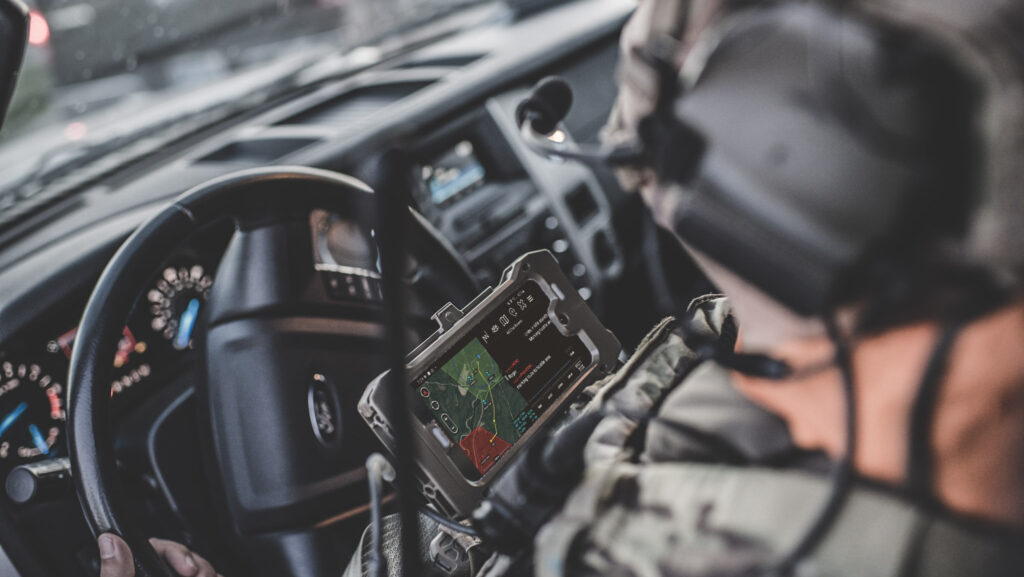
The new partnership provides Forterra light-weight, attritable communications equipment with low electromagnetic signatures that can easily plug into its autonomous capabilities, allowing for greater situational awareness of platforms and assets on the battlefield.
“For us, goTenna provides, really that critical mesh networking capability on top of an organization and culture that already has built of very talented people focused on delivering very relevant tech to warfighters,” Forterra CEO Josh Araujo said in an interview with Breaking Defense.
“We were always about transporting data around that battlefield, whether it is contested, uncontested … because situational awareness leads to safety,” Ari Schuler, CEO of goTenna, said in an interview with Breaking Defense. “Our ability to take all of that communications capability and then join up with Forterra, where you’re adding in all that autonomous capability, means that together we can circle any area on the planet, any mission on the planet and we can provide the right mix of comms to the individual dismounted user, to autonomous platforms and with a shared infrastructure, blanket the whole battlefield or the whole operational area, in a way that means you’ve got that ability to communicate, you’ve got superb situational awareness and then you can complete whatever your mission might be.”
For Forterra, the benefit is the goTenna system is already native on the Android Tactical Assault Kit ecosystem, meaning soldiers don’t have to learn something new, and the company and Army don’t face integration challenges.
“It ties in immediately. You set it up in seconds. It’s resilient comms, hard to jam, you can mesh together large numbers of nodes and networks,” Araujo said. “When you’re looking at autonomous systems running inside unit formations, you want the ability for every soldier to know where these robots and drones and other assets are putting large, expensive radios that emit a high amount of EW signal on them, is just not feasible for that when you get into large numbers of systems and people.”
The CEOs both pointed out that this partnership will allow platforms to receive both a mix of autonomy and communications that are vital for success.
It also allows for the potential for a wider array of partners across the joint and even international sphere. goTenna’s technology is not ITAR controlled, Schuler said, meaning there’s not a concern of letting some highly bespoke proprietary radio fall in the hands of a partner who may or may not be a partner in five or 10 years.
That arrangement can create situations where US forces have more bespoke capabilities than partners leading to possible interoperability concerns on the battlefield.
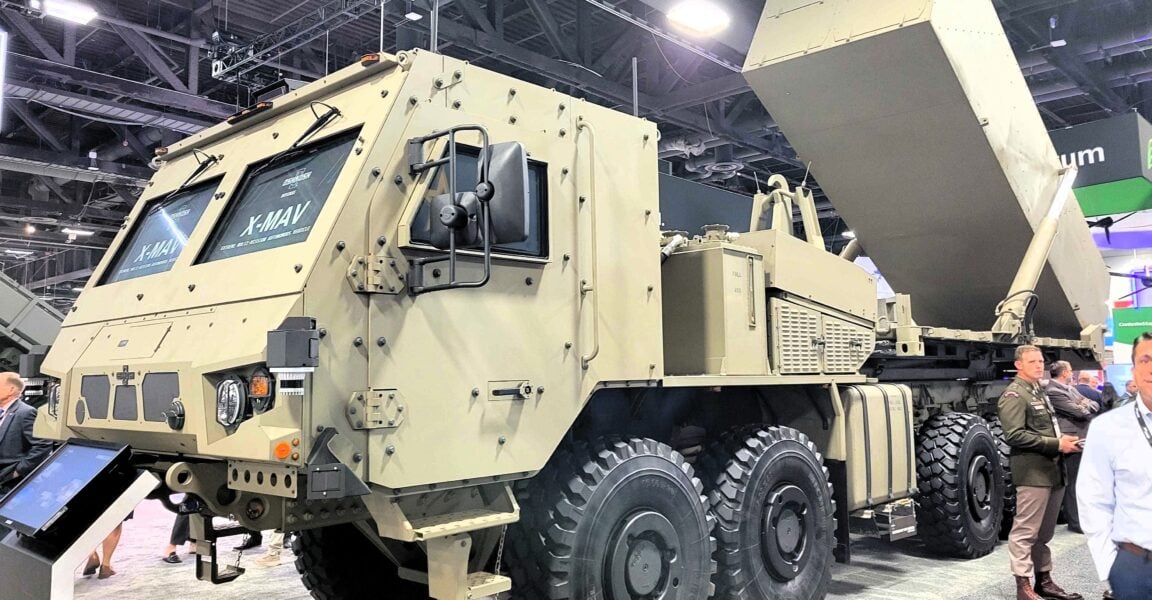
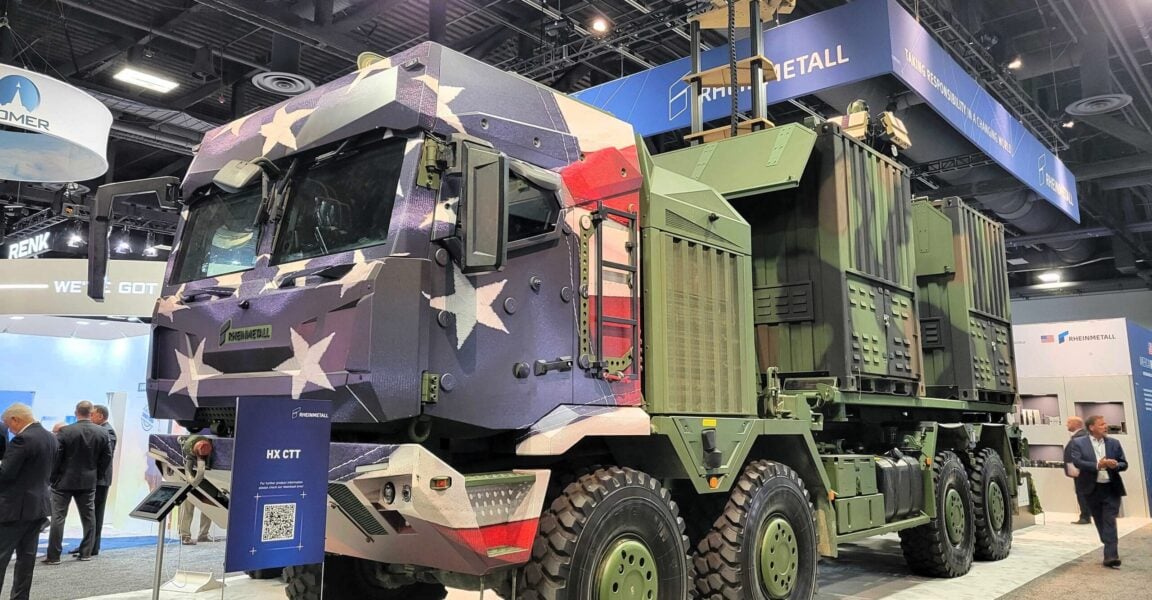
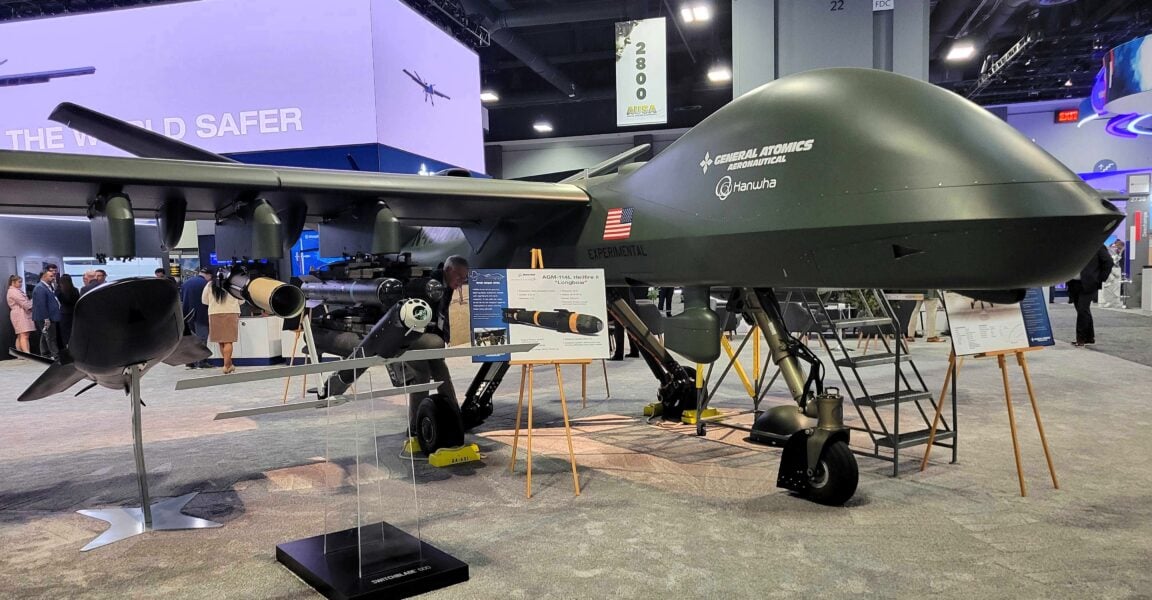
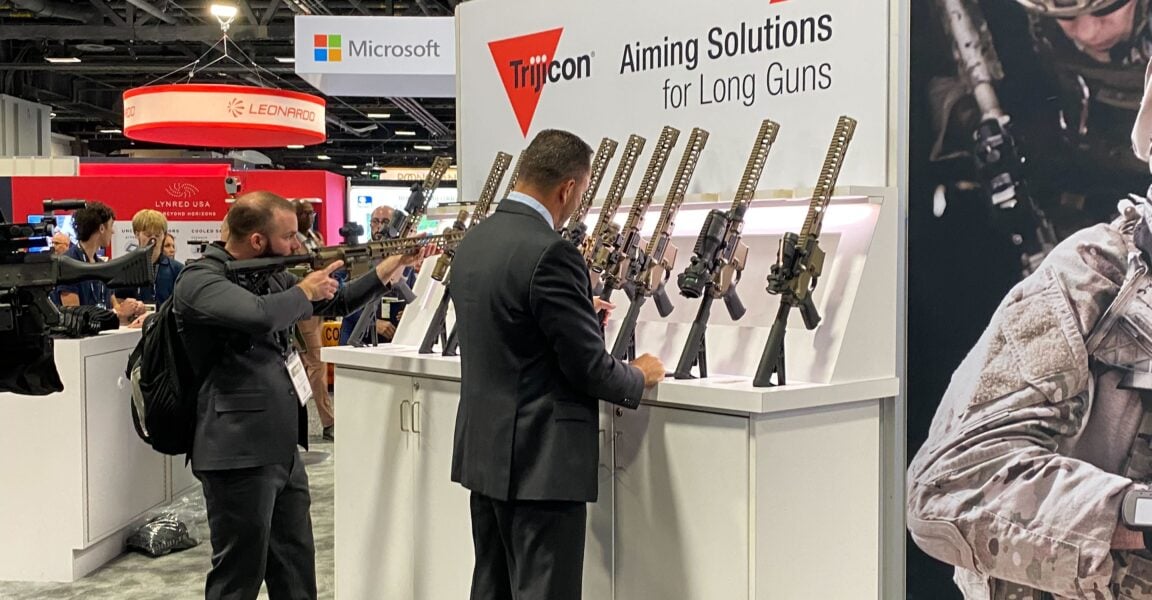
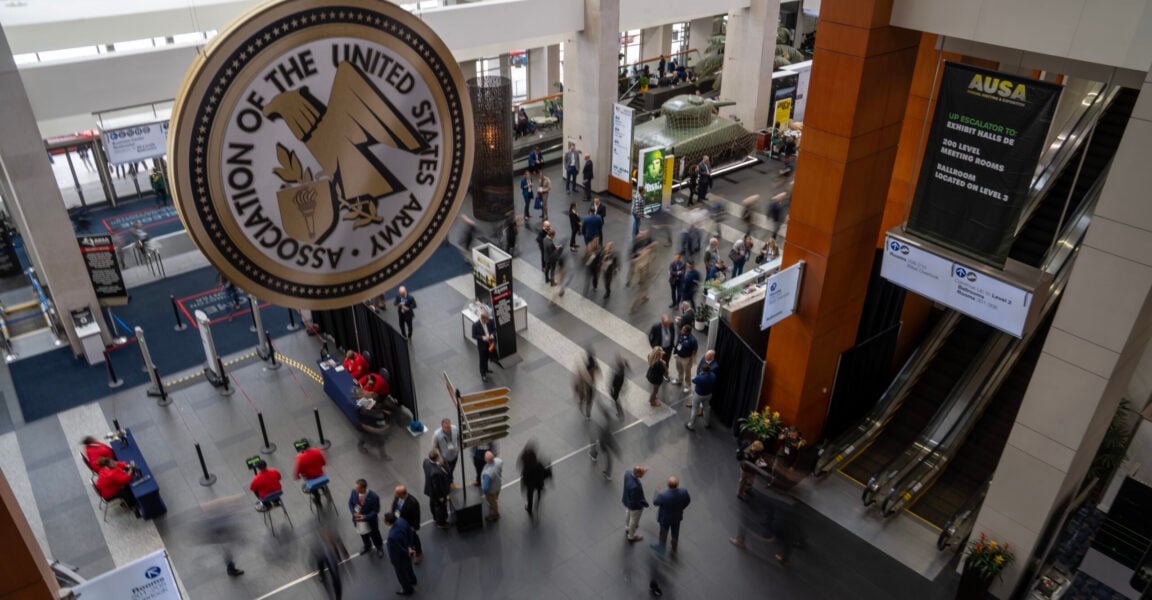
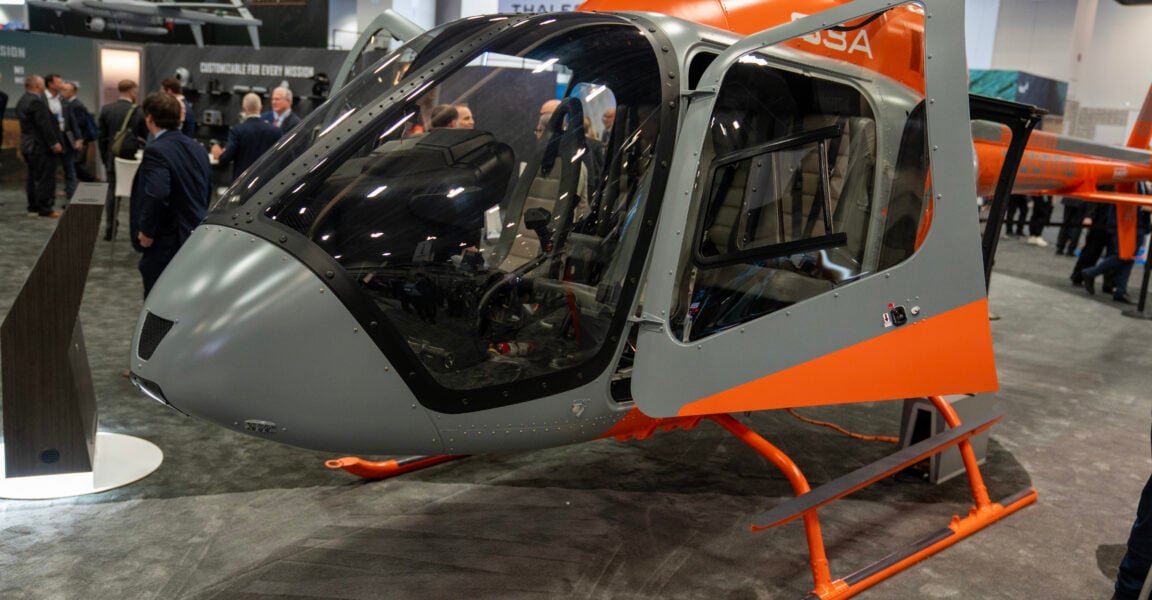
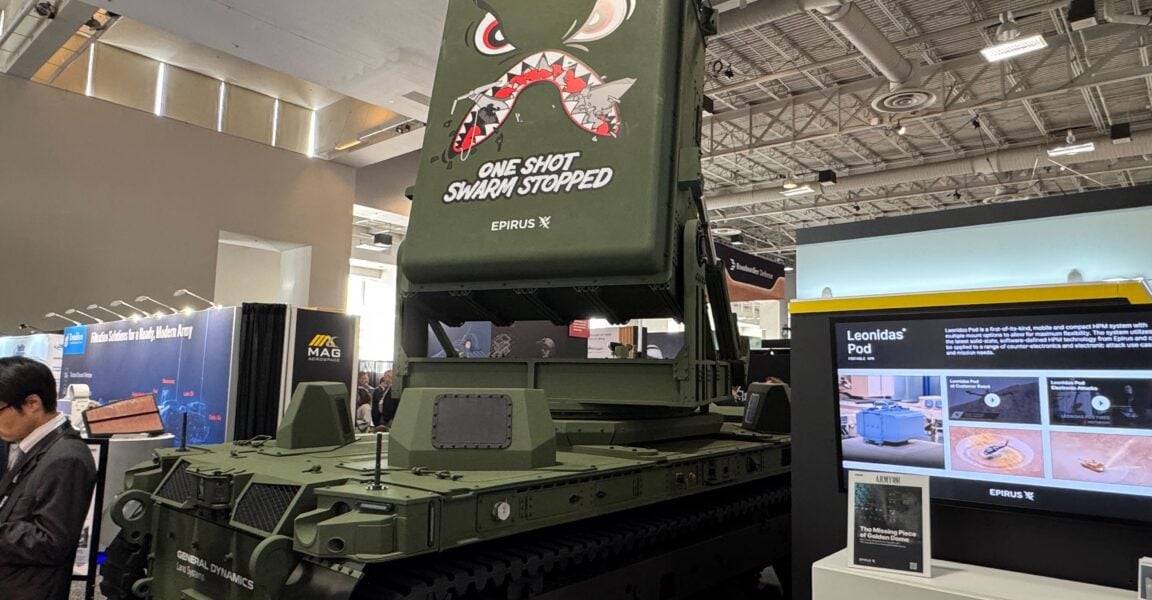
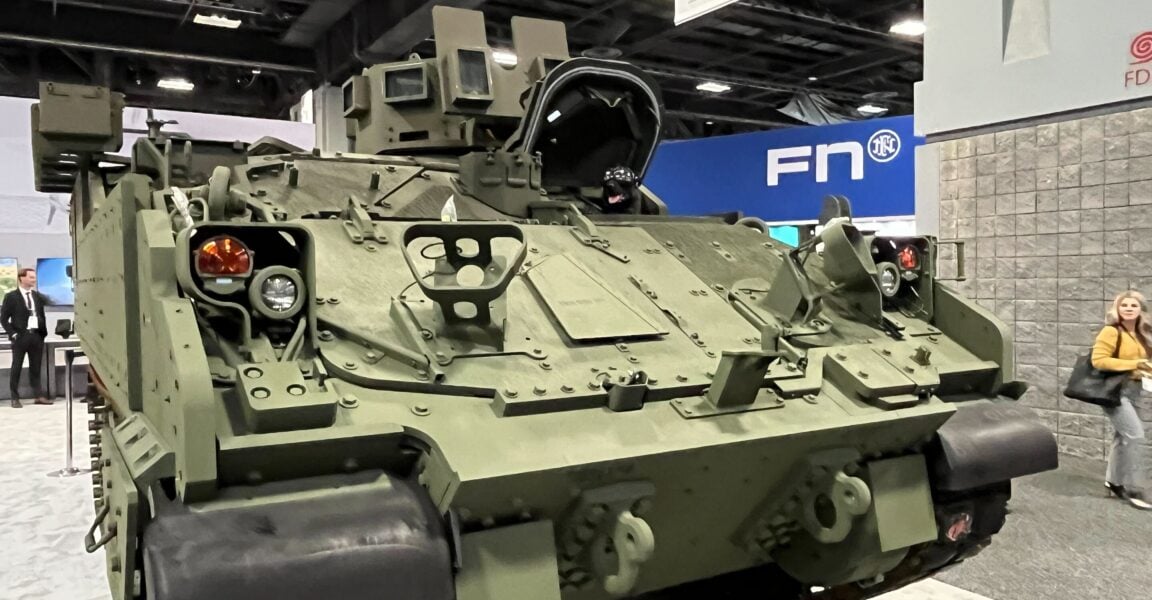
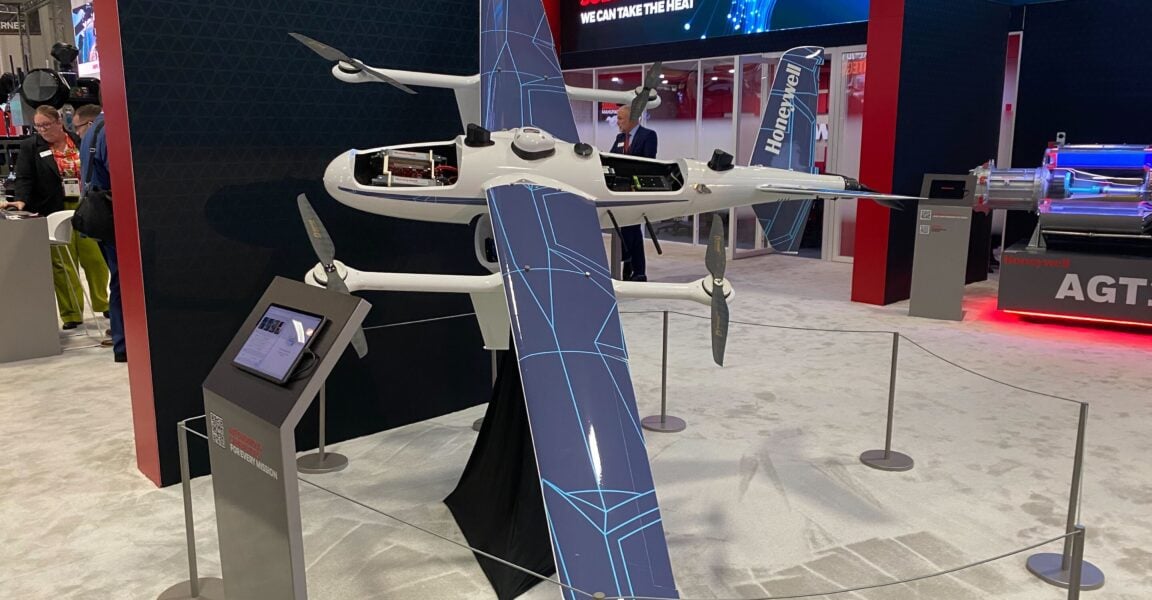
PHOTOS: AUSA 2025
 Gallery







Breaking Defense Video