Networks & Digital Warfare

PDW unveils multi-mission payloads for C100 drones

The multi-mission payloads will allow the drones to operate in denied environments.

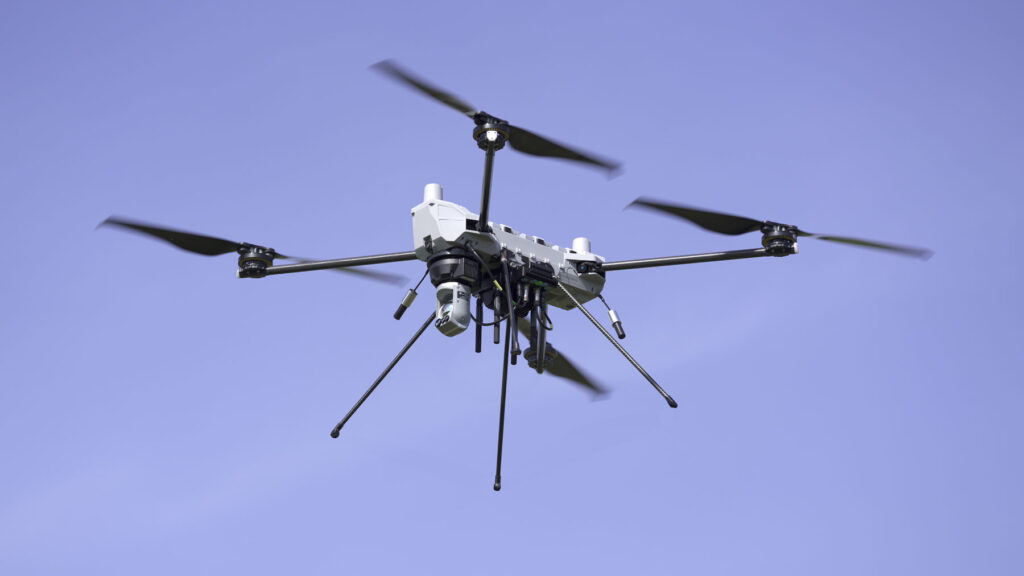
PDW C100 Drone with Silvus SteamCaster (Photo courtesy: PDW)

WASHINGTON — PDW has announced a new three-pronged set of multi-mission payloads for its C100 unmanned platform.

Those multi-mission payloads — each distinct, modular variants that forces can mix and match depending on their environment or mission — allow for greater flexibility and survivability on the battlefield in contested or GPS denied environments, according to the company.

They include:

  • A spectrum awareness tool in partnership with CACI Mastodon for direction finding to better understand signals of interest in the environment for better situational awareness, threat mitigation and operational flexibility;
  • A communications relay in partnership with Silvus for a mesh networking capability to extend the communications of a variety of different radios, critical at the edge in instances where it can be difficult to put a signal out father, especially in mountainous terrain or electronic warfare environments, and;
  • An assured position, navigation and timing capability using video cameras based upon satellite images to navigate when GPS is denied or jammed.

“Any military unit operating in contested environments would benefit from these capabilities and we are actively producing and ready to deliver on this need,” PDW CEO and Cofounder Ryan Gury said in a release.  

PDW has previously scored a $20 million contract with the Army to provide its C100 drones to transformation in contact units. TiC aims to speed up how the Army buys technologies and designs its forces by providing units with emerging capabilities for experimentation during exercises and deployments.

In an interview with Breaking Defense, Gury noted that the multi-mission payload concept was derived from the company’s work with the Army and TiC units.

“The idea of the TiC program is getting feedback from the customer, iterating on their work as fast as possible. In this instance, these MMPs were something that TiC has really helped foster and it’s just an awesome way of working together in a world where velocity is so pertinent,” he said. “TiC has been really beneficial to companies like ours.”

PHOTOS: AUSA 2025

PHOTOS: AUSA 2025

A view of a show floor at the 2025 Association of the US Army's Annual Meeting & Exposition in Washington, DC, Oct. 13, 2025. (Rachel Cohen/Breaking Defense)
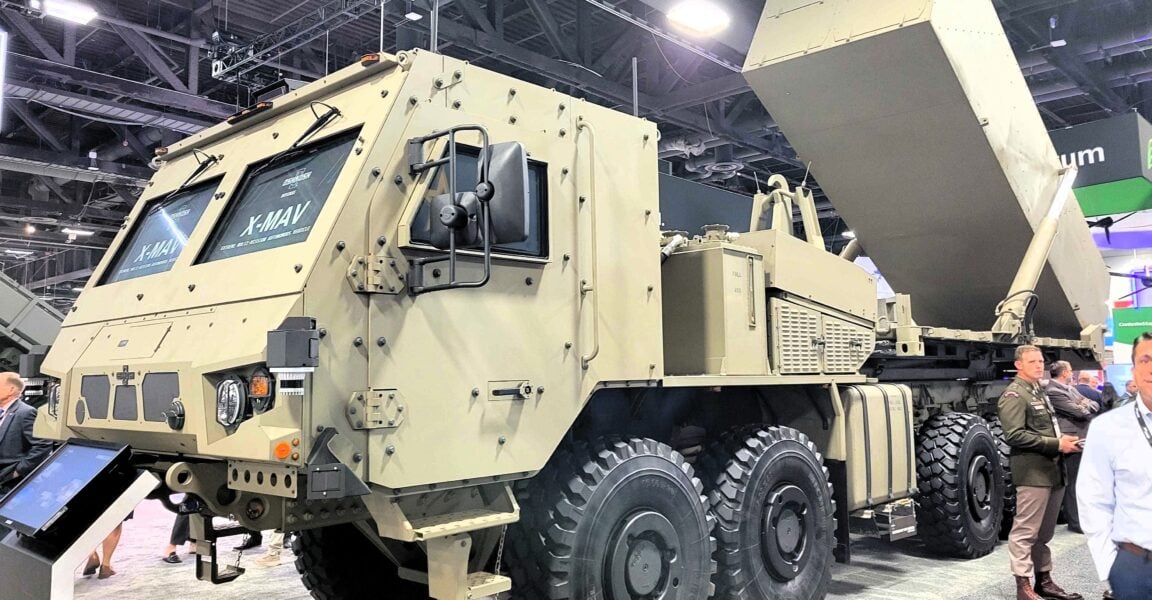
Oshkosh Defense debuts its Extreme Multi-Mission Autonomous Vehicle (X-MAV), an "autonomous-capable launcher solution that is engineered to support the future of long-range munitions," Oct. 13, 2025, at the Association of the US Army's Annual Meeting & Exposition in Washington, DC. (Rachel Cohen/Breaking Defense)
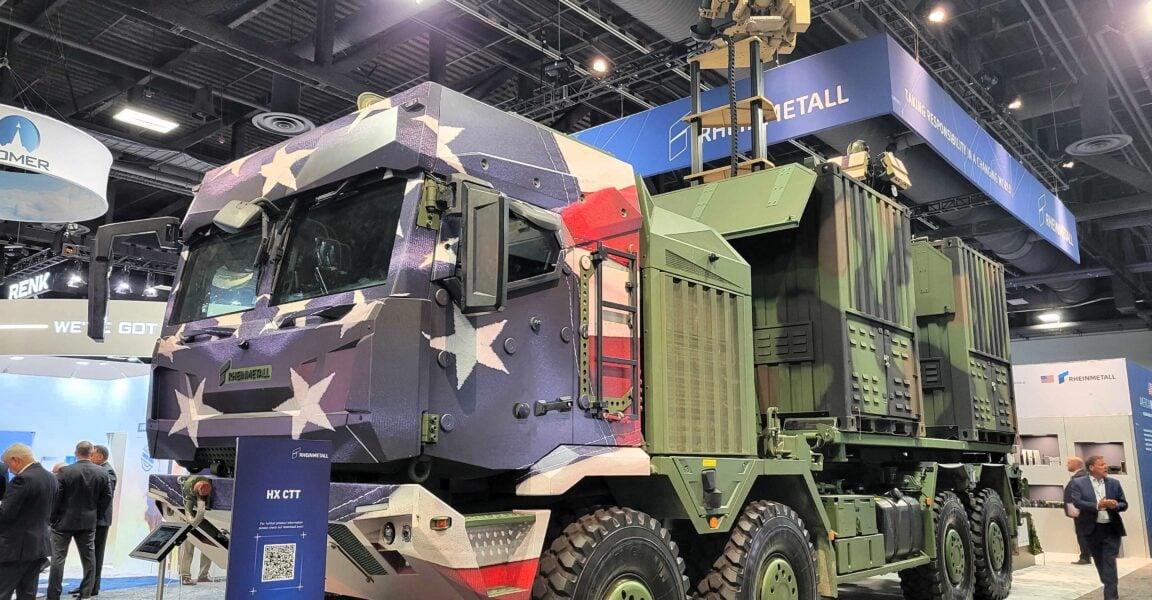
Rheinmetall brought its HX Common Tactical Truck, built in partnership with GM Defense, to the Association of the US Army's Annual Meeting & Exposition, Oct. 13, 2025. (Rachel Cohen/Breaking Defense)
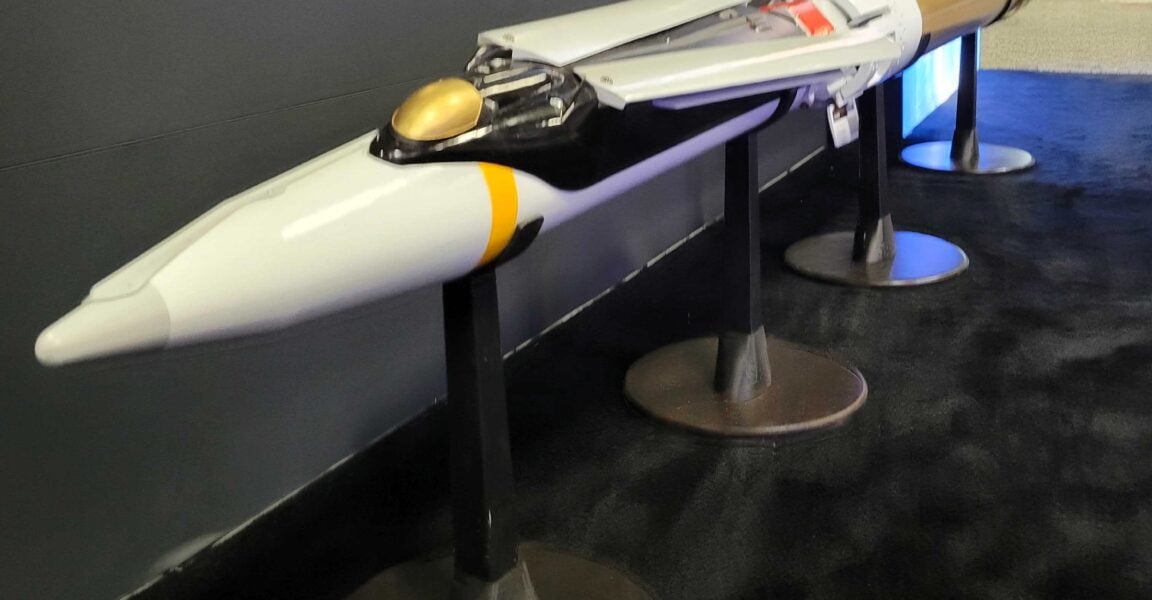
Saab's Ground-Launched Small Diameter Bomb is based on Boeing's SDB and Lockheed Martin's Multiple Launch Rocket System. (Rachel Cohen/Breaking Defense)
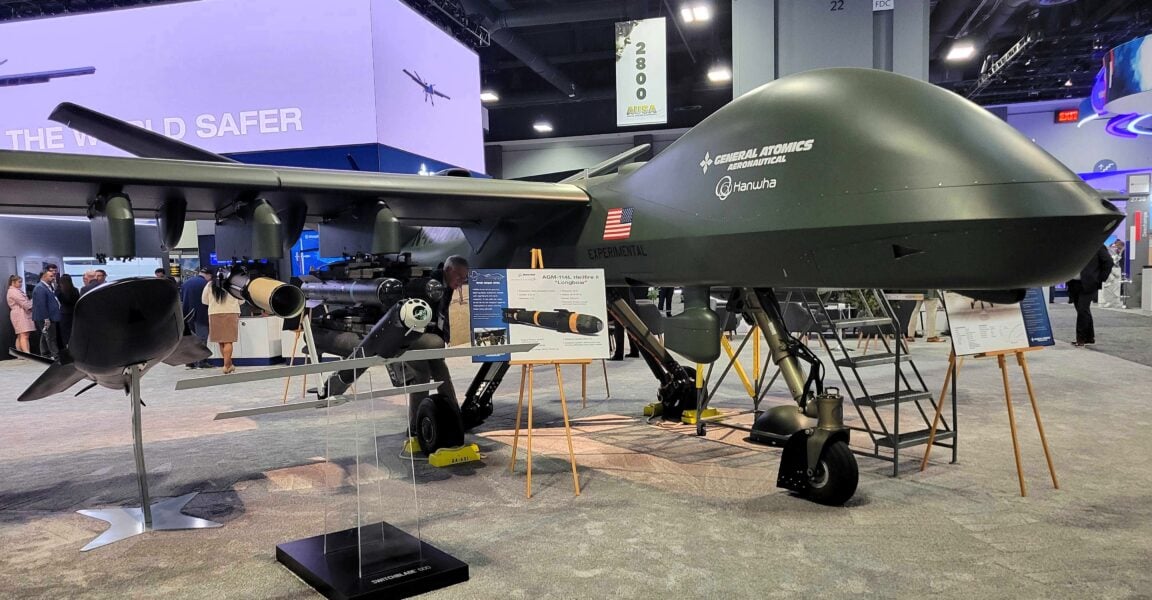
General Atomics Aeronautical Systems and Hanwha Aerospace are collaborating on a short takeoff-and-landing version of the MQ-1C Gray Eagle drone. (Rachel Cohen/Breaking Defense)
Rafael's Iron Beam is a 100kW-class laser weapon on track for operational use this year. (Aaron Mehta/Breaking Defense)
Honeywell's SAMURAI anti-drone system is one of myriad counter-drone technologies on display at AUSA 2025. (Daniel Woolfolk/Breaking Defense)
Hanwha Defense USA pitches its 155 mm, 52-caliber K9 Thunder self-propelled howitzer at the Association of the US Army's Annual Meeting & Exposition in Washington, DC. (Rachel Cohen/Breaking Defense)
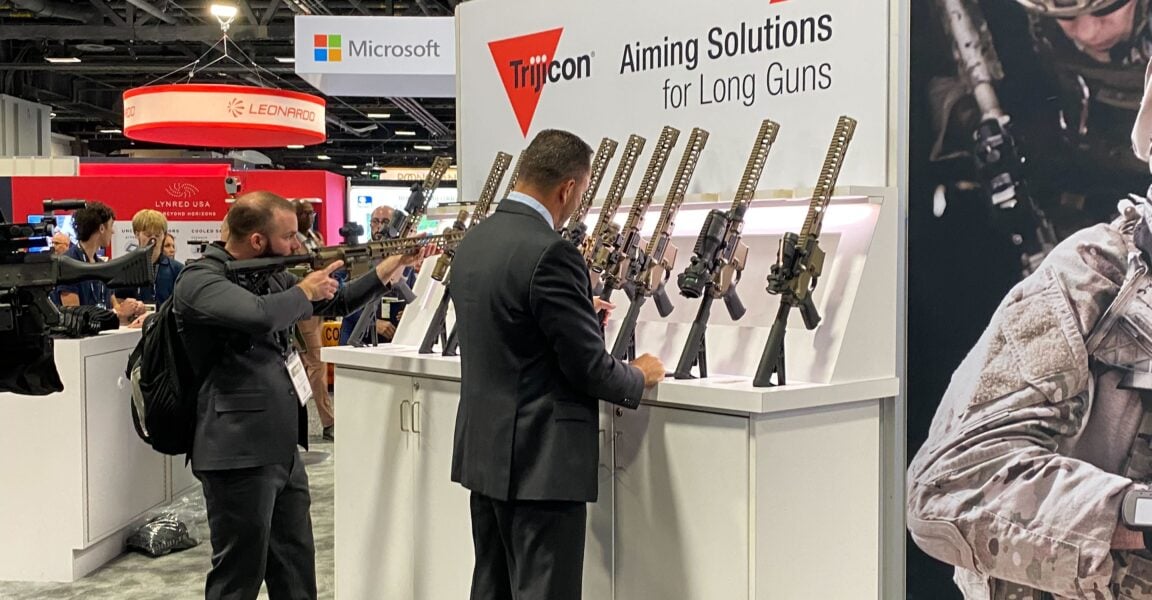
Conference attendees try out Trijicon's firearm sights and scopes. (Aaron Mehta/Breaking Defense)
Attendees roam the halls of the Walter E. Washington Convention Center in downtown Washington, DC, Oct. 13, 2025. (Daniel Woolfolk/Breaking Defense)
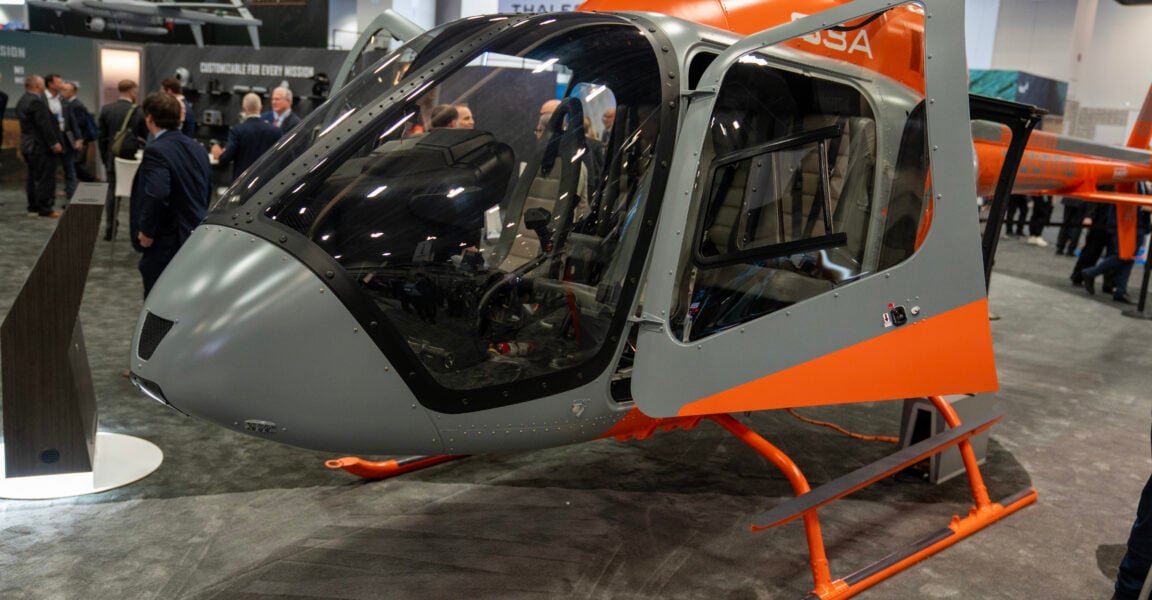
The Bell 505 Jet Ranger X is a contender for the Army's Flight School Next program. (Daniel Woolfolk/Breaking Defense)
GM Defense's Infantry Squad Vehicle-Utility is based on the Chevrolet Colorado ZR2 and can be adapted to carry mortars, counter-drone equipment and more. (Aaron Mehta/Breaking Defense)
Name a more iconic duo. I'll wait. (Aaron Mehta/Breaking Defense)
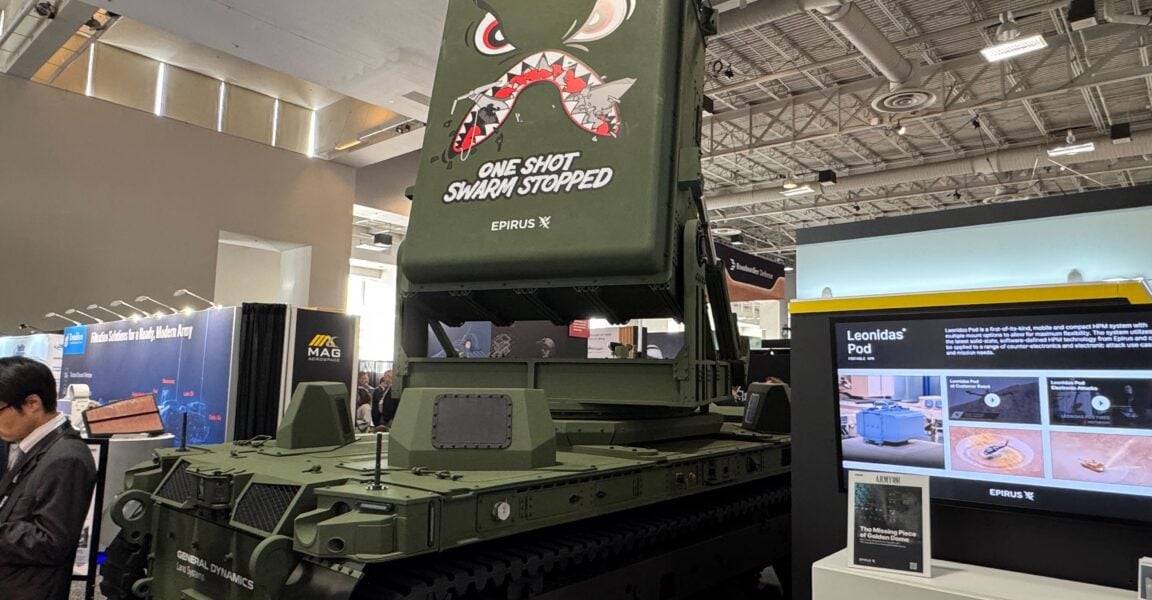
Epirus’s Leonidas high-powered microwave system is mounted on top of a General Dynamics land vehicle. (Michael Marrow/Breaking Defense)
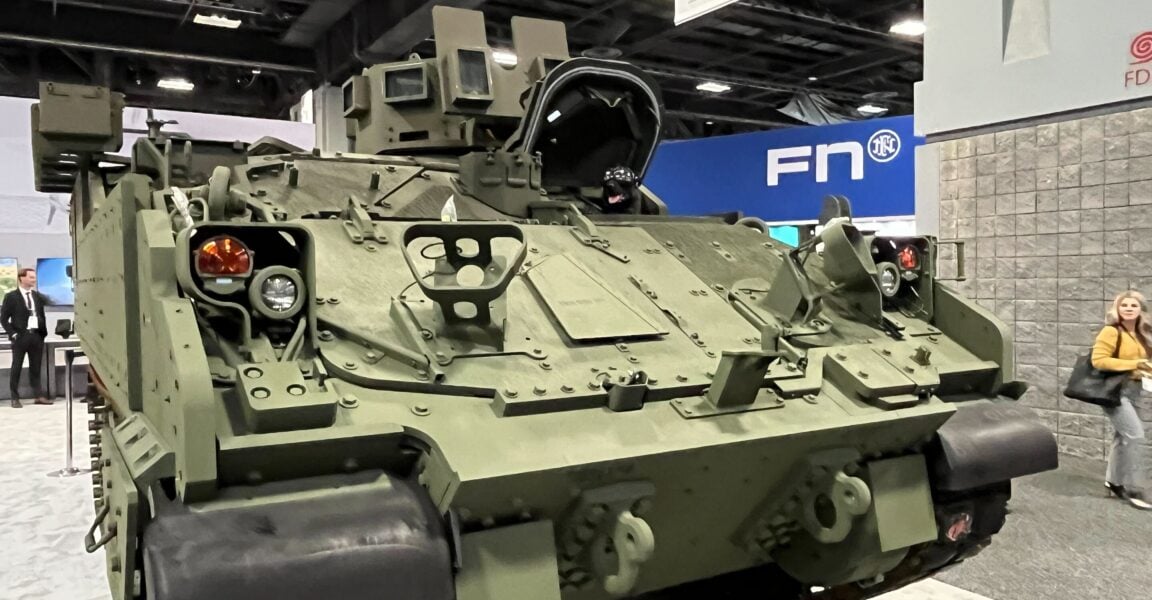
A four-legged attendee checks whether the infantry carrier variant of BAE Systems' Armored Multi-Purpose Vehicle can also carry canines. (Sydney Freedberg/Breaking Defense)
It wouldn't be a defense trade show in 2025 without a robot dog on hand. (Aaron Mehta/Breaking Defense)
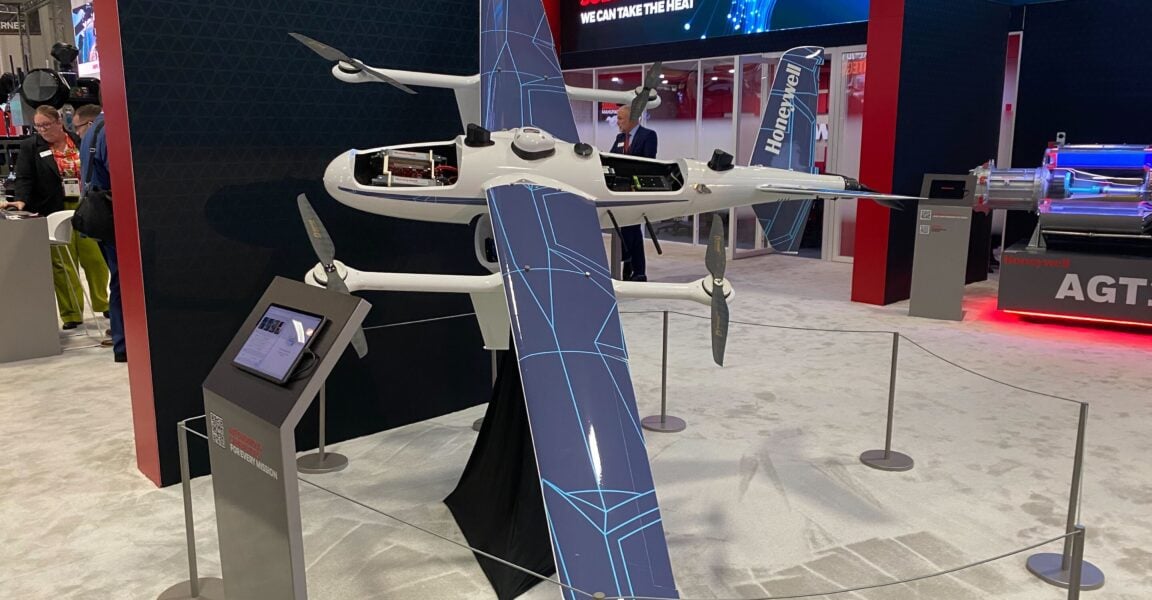
Honeywell showcases a hybrid quadcopter/fixed-wing drone on the show floor. (Aaron Mehta/Breaking Defense)
RTX displays its missiles and a Lower Tier Air and Missile Defense Sensor. (Aaron Mehta/Breaking Defense)