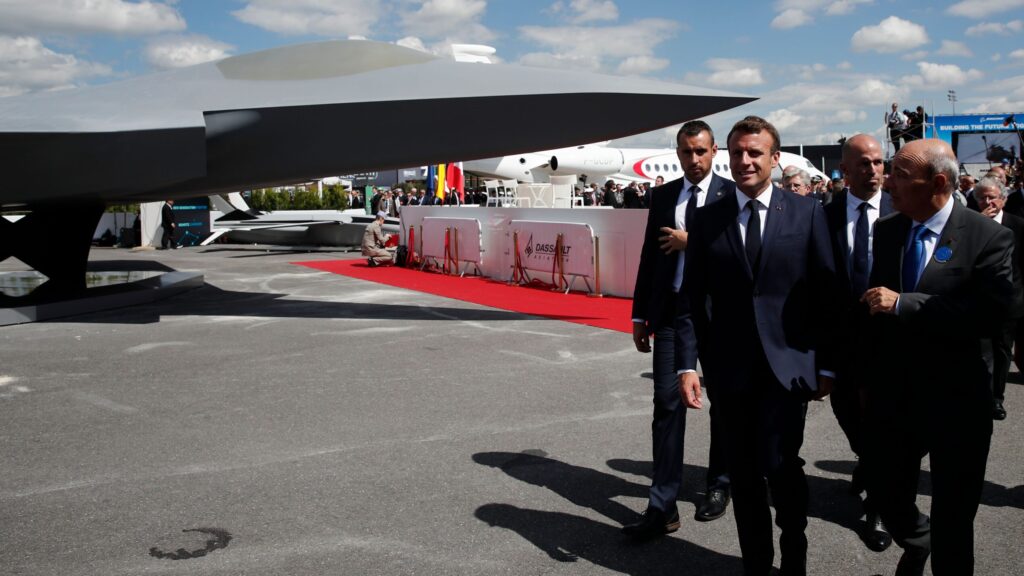
MILAN — The Franco-German-Spanish Future Combat Air System (FCAS) has collapsed following the failure of industrial mediation between Dassault and Airbus on several issues, multiple reports said Monday.
According to information reported by Der Spiegel, Reuters, the Financial Times and others, the German and French governments have agreed to terminate the flagship program intended to replace the countries’ Eurofighter and Rafale aircraft starting from 2040. Reports indicate the final decision was made by the German side.
However, as noted by the Financial Times, German Chancellor Friedrich Merz has proposed that the partner nations continue to jointly develop the so-called combat cloud communication network. Once integrated, this software architecture would act as the driving force of the project, connecting sensors, radars, drones and other components.
The viability of additional FCAS components, including drones and engines acting independently of the core crewed aircraft, remains uncertain. Requests for comment to the French and German governments were not immediately returned.
Since its launch in 2017, the €100 billion project has encountered a number of setbacks. The long-standing issues between French company Dassault and Airbus have centered primarily around project leadership, workshare distribution, and conflicting perspectives on the future jet’s design.
Breaking Defense reported in March that the manufacturers were attempting a last-ditch effort to align on a common approach regarding the New Generation Fighter (NGF). Airbus has previously supported an alternative two-fighter-jet approach, leaving France to build its own separately, as it requires an aircraft capable of carrying nuclear weapons.
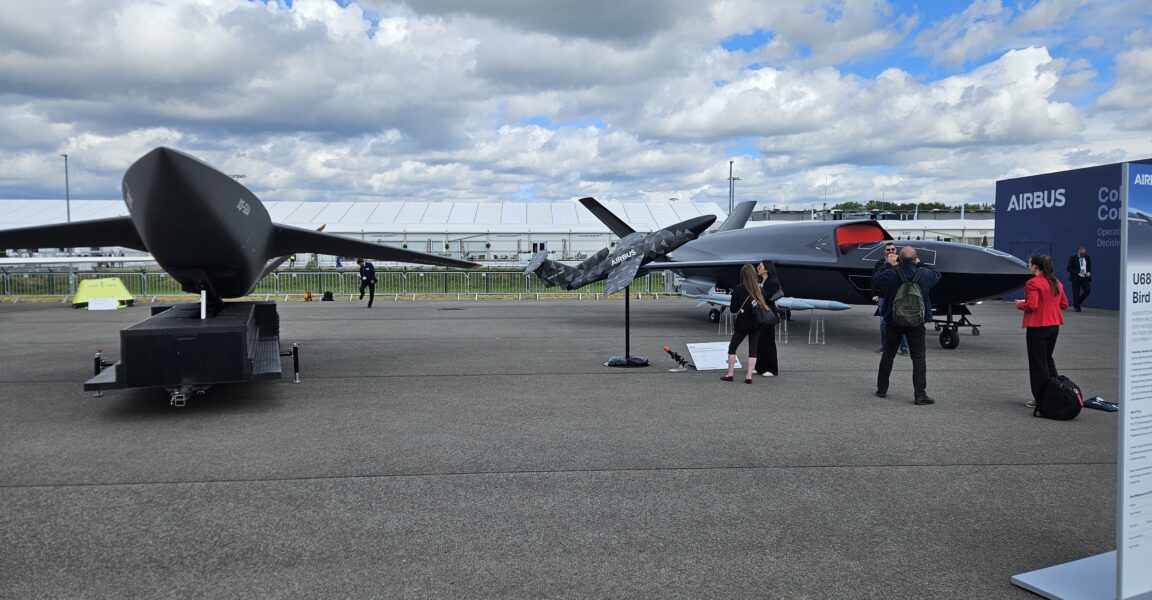
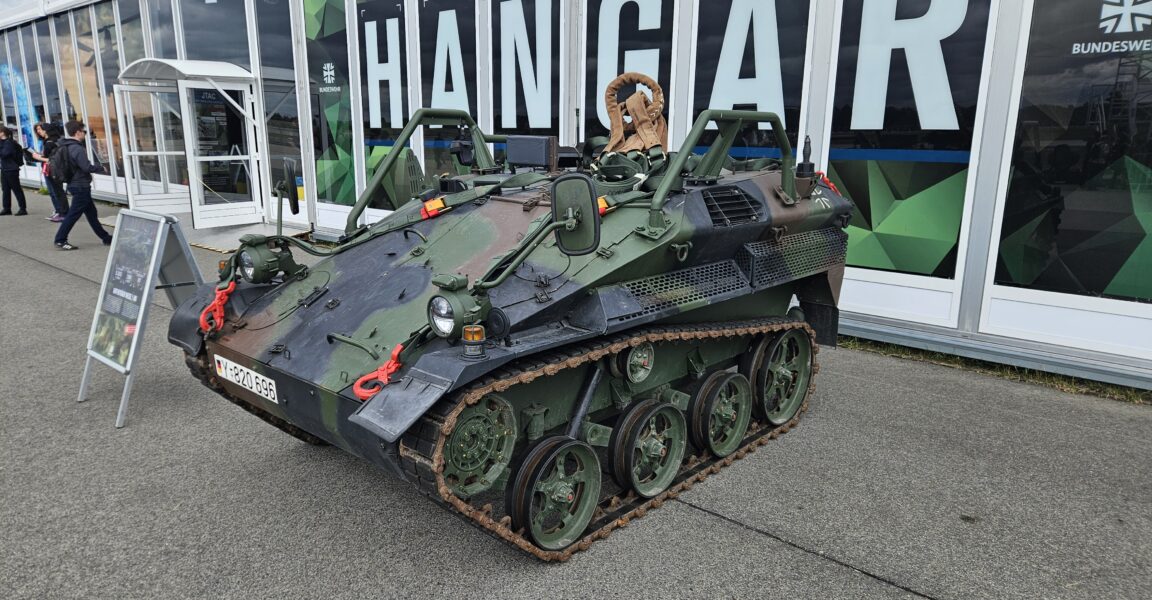
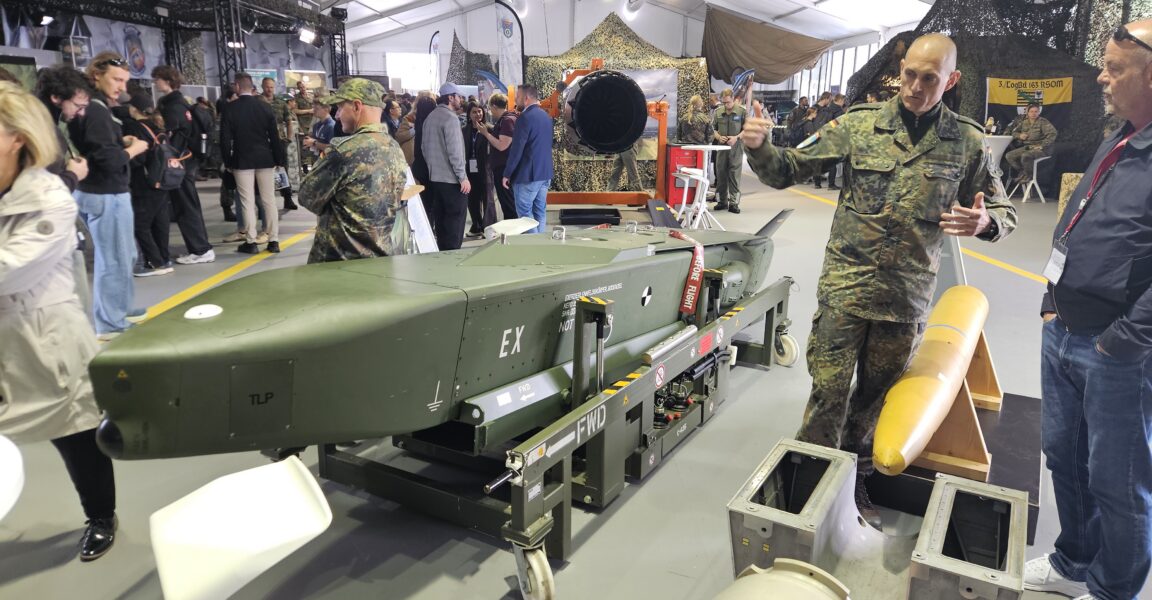
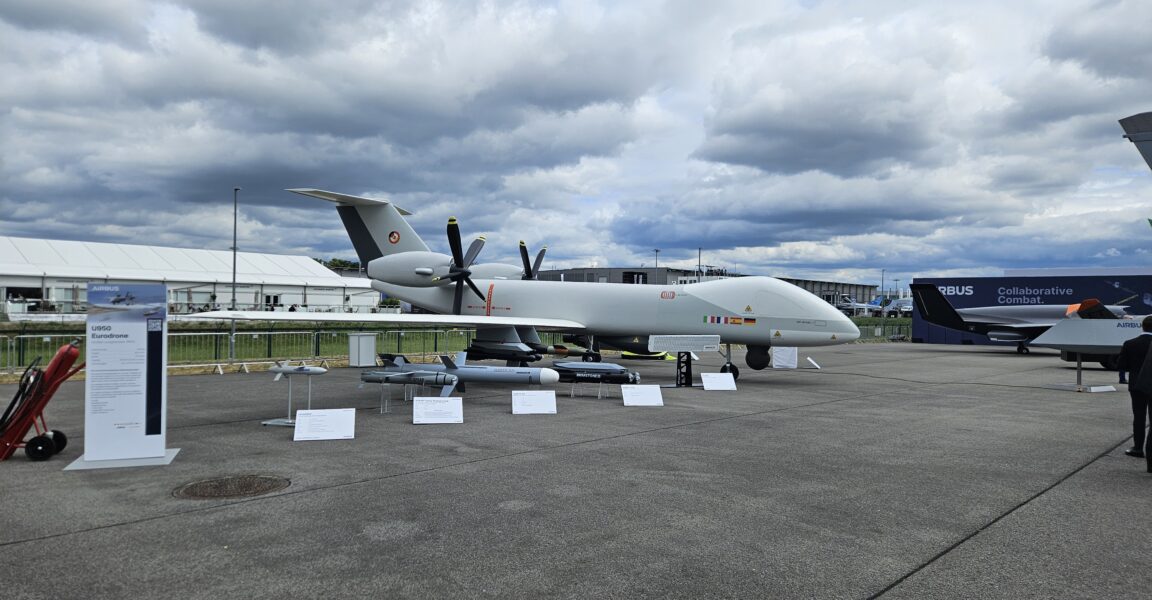
PHOTOS: ILA Berlin 2026
 Gallery