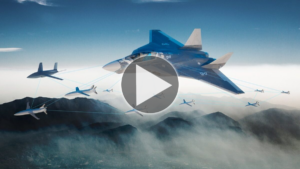
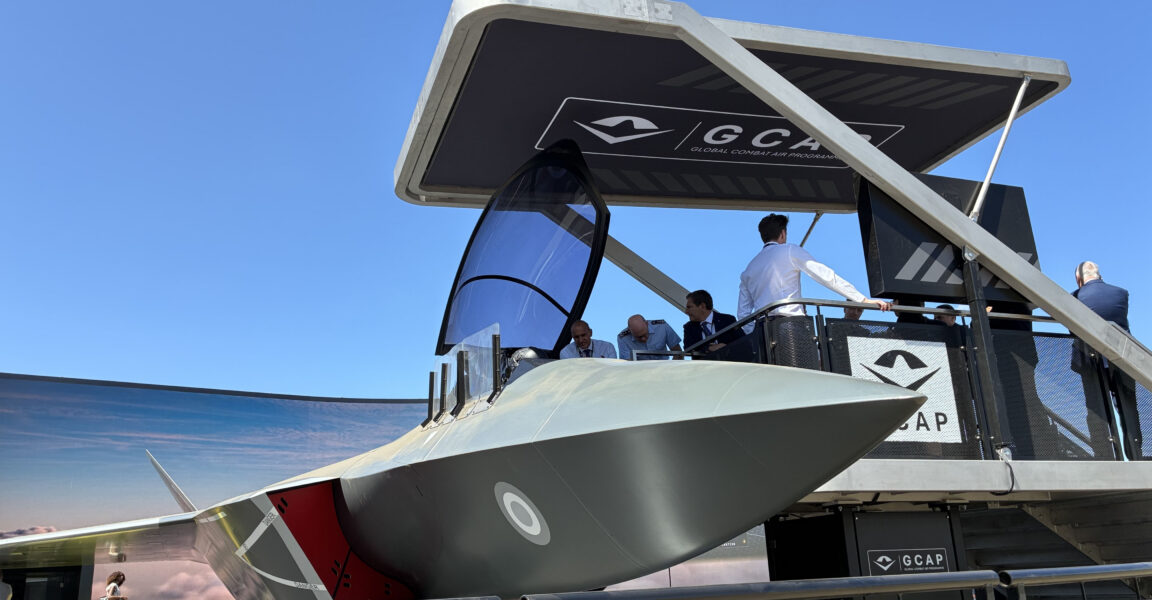
MILAN — Canada is expected to officially join the British-Italian-Japanese Global Combat Air Program (GCAP) as an observer, according to multiple reports, in a move that marks a strategic effort to bolster European defense ties while Ottawa assesses its long-term fighter jet alternatives.
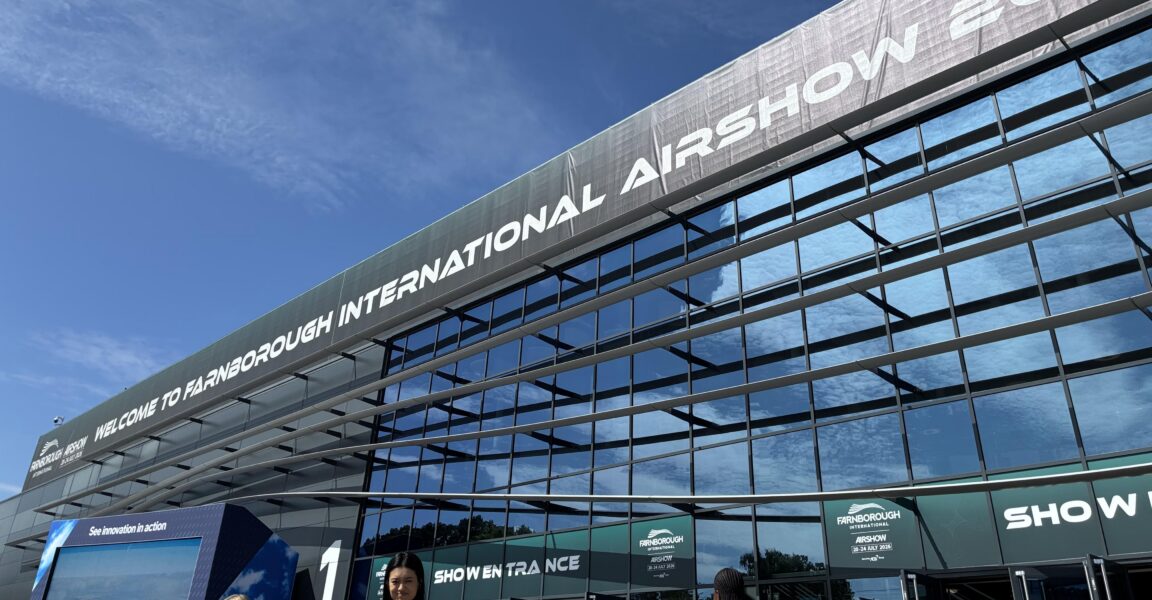
Politico first reported the news on Wednesday, citing anonymous sources, stating that the agreement will be announced on July 21 in London, where country officials are expected to meet as the Farnborough International Airshow takes place.
According to the Politico report, as an observer, Ottawa would not actively participate in the various contracts for the next-generation fighter program, but could gain access to the project’s sensitive information, and it may contribute flight-simulation training technology.
A UK government spokesperson did not confirm the development but told Breaking Defense that the country, alongside its program partners, remains “open to others joining GCAP while keeping it on track and delivering future military capabilities.” Representatives for Canada and other governments involved in the program did not respond as of press time or declined to comment on the matter.
Last month, Canadian Defense Minister David McGuinty spoke publicly for the first time about Ottawa’s interest in the sixth-generation fighter jet program. At a meeting with his Japanese counterpart in Tokyo, he said the country was “interested in learning more about” the project and called it a “promising initiative.”
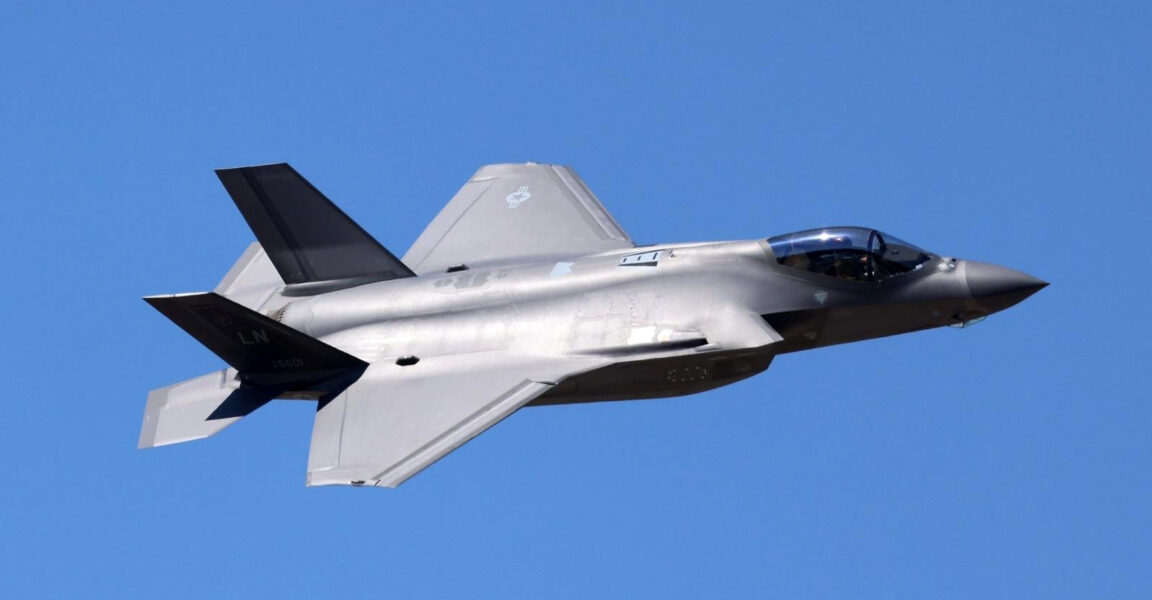
While Canada previously confirmed its first order for 16 Lockheed Martin F-35s, it has spent the last year reviewing its initial plans to acquire an additional 72 aircraft and has left open the possibility of a mixed fleet pairing the US aircraft with the Saab-made Gripen. It remains unclear where a potential GCAP fighter acquisition could come into play.
Regarding force structure, Mark Cancian, senior adviser at the Washington, DC-based Center for Strategic and International Studies, warned that Canada could have difficulty sustaining a multi-aircraft fighter force if it were to also include a sixth-generation fighter.
“Its fleet is not that large and has sustainment issues in any case. Having two supply chains makes sustainment more difficult,” he told Breaking Defense.
As for Canada’s potential to provide flight simulation technology to the international program, the national leader in that space is CAE, which produces advanced multi-domain training systems.
The International Flight Training School in Sardinia, Italy, relies on CAE’s military flight simulators and cockpit replicas to help train pilots on the T-346 trainer jet. The Canada-based company is also one of the key suppliers to the UK Ministry of Defense as a “leading training systems integrator and synthetic training equipment provider.”
The company did not immediately respond to a request for comment for this report.
A Coveted Status
The potential for Canada to gain GCAP status comes as another interested party, Saudi Arabia, is still waiting in the wings.
Riyadh is reported to be facing opposition from Tokyo, but one analyst said that including Ottawa is also a more straightforward proposition overall.
“As of now, Ottawa seems to want to pursue a purely observing status, while Saudi Arabia was probably seeking a more structural participation,” said Federico Borsari, non-resident fellow at the Center for European Policy Analysis. “It is fair to say that Canada presents fewer security and political integration problems, since it is a founding NATO member and already operates within established Western systems for classified information sharing and possesses a substantial aerospace industry.”
Since becoming prime minister of Canada last year, Mark Carney has made a priority to diversify the country’s military partners, amid a major economic rift with the US. He has actively positioned Ottawa as one of Europe’s most sought-after defense-industrial partners and described Canada as “the most European of non-European countries.”
Borsari highlighted that the decision to join the European fighter project shows that Canada is proactively seeking closer defense partnerships with the continent’s major players to strenghten its defense industrial base and supply-chain away from procurement of US weaponry. The US is currently developing its own sixth-generation fighter, the F-47.
“GCAP would be the next step after the major submarine deal with Germany’s TKSM and the ongoing negotiation with Saab for the GlobalEye,” he said.
In June, Canada became the first non-European country to gain access to the European Union’s Security Action for Europe (SAFE) rearmament plan.
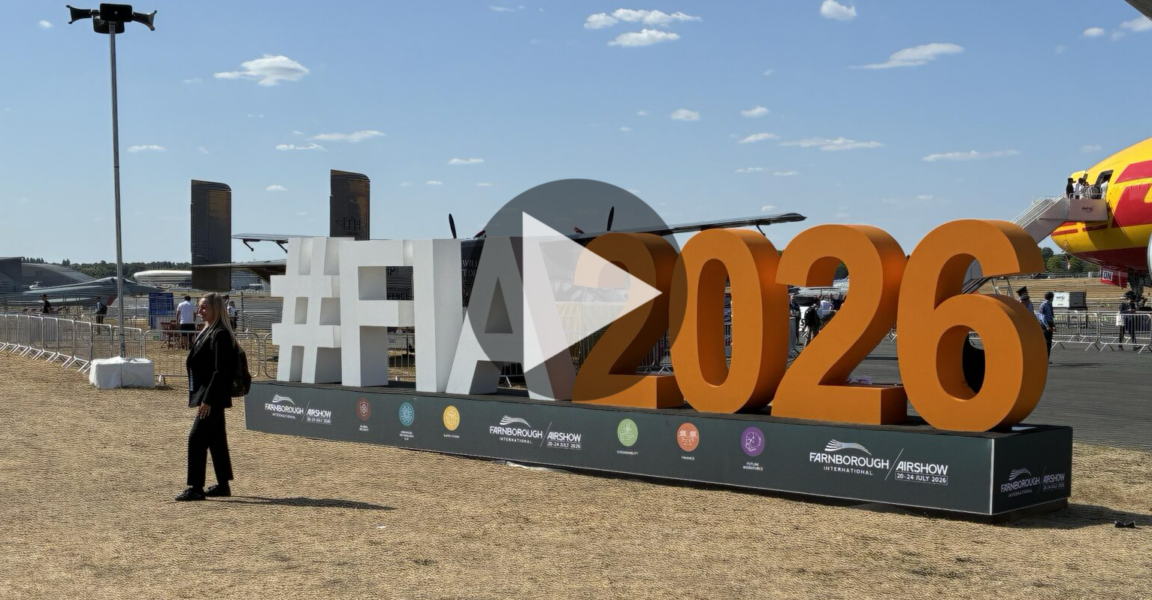
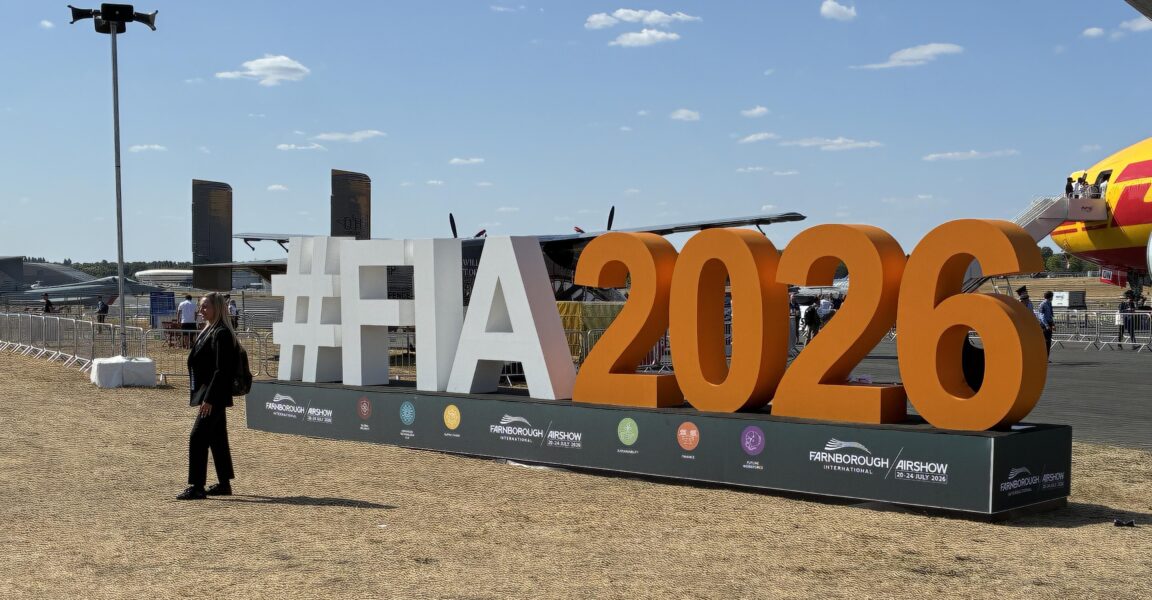
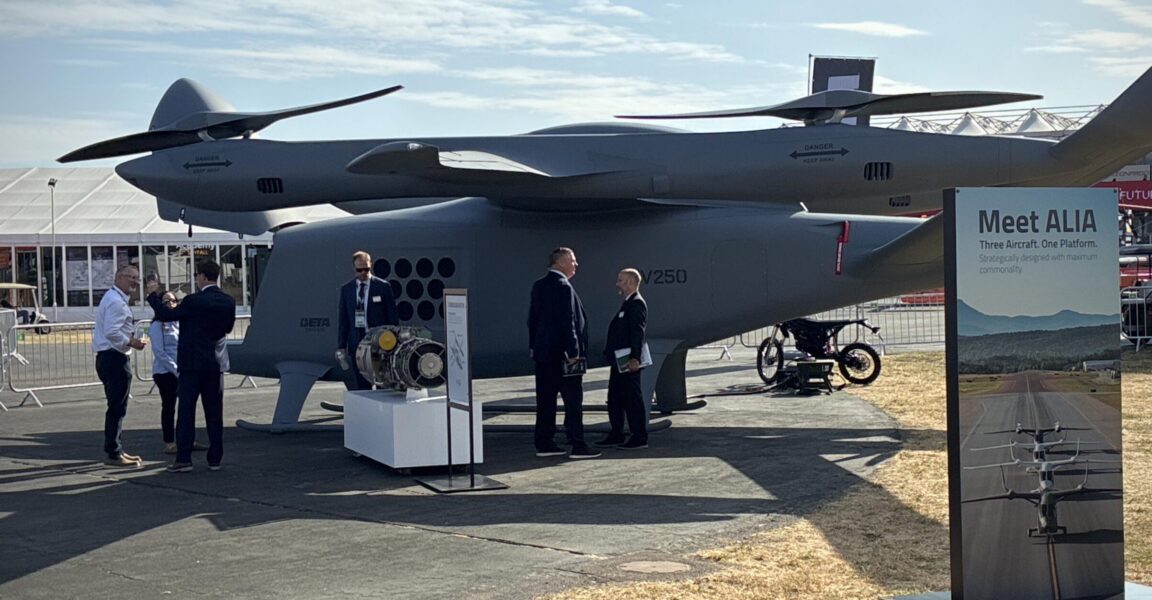
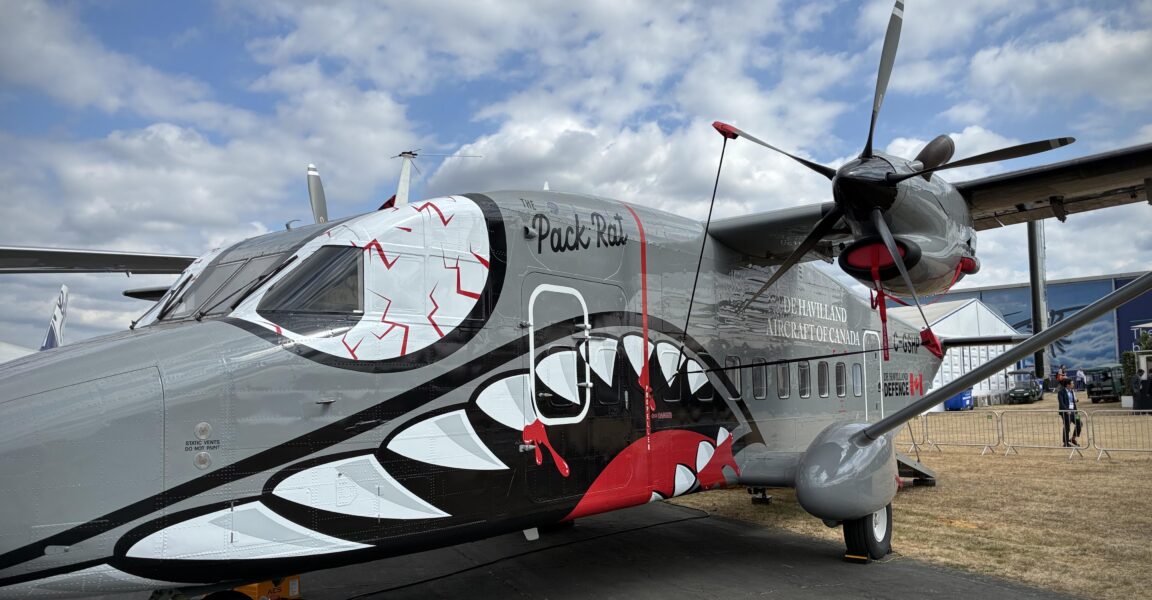
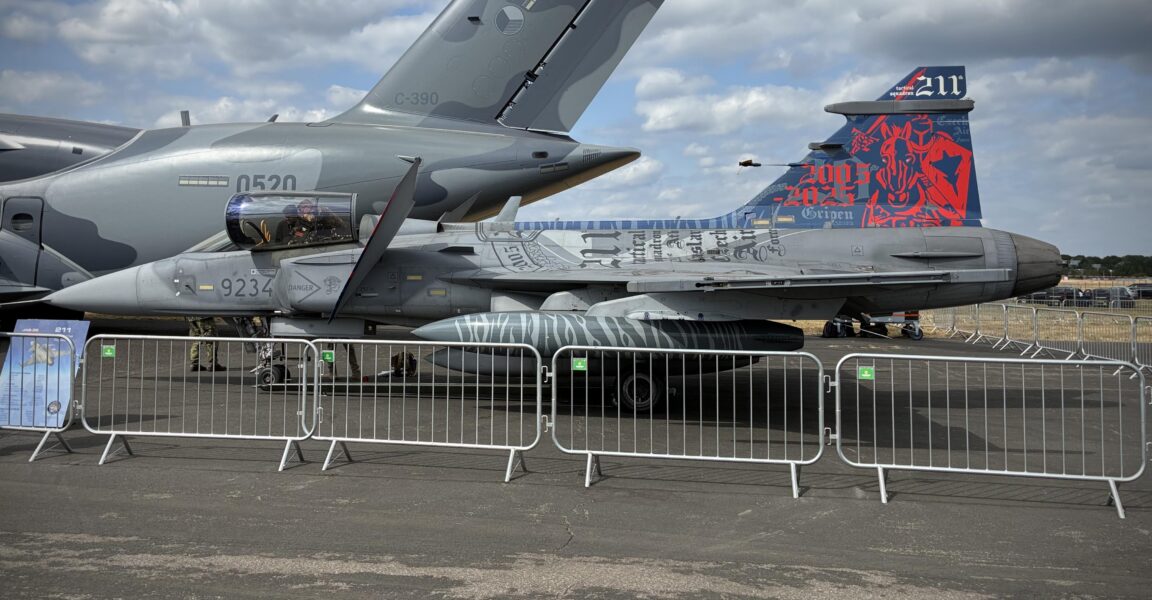
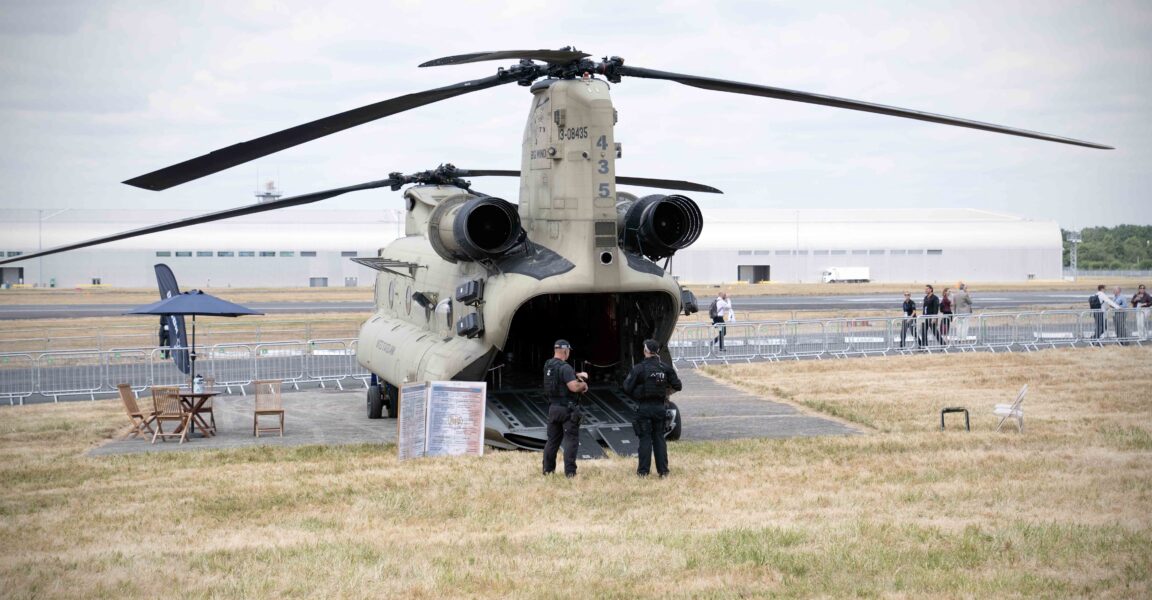
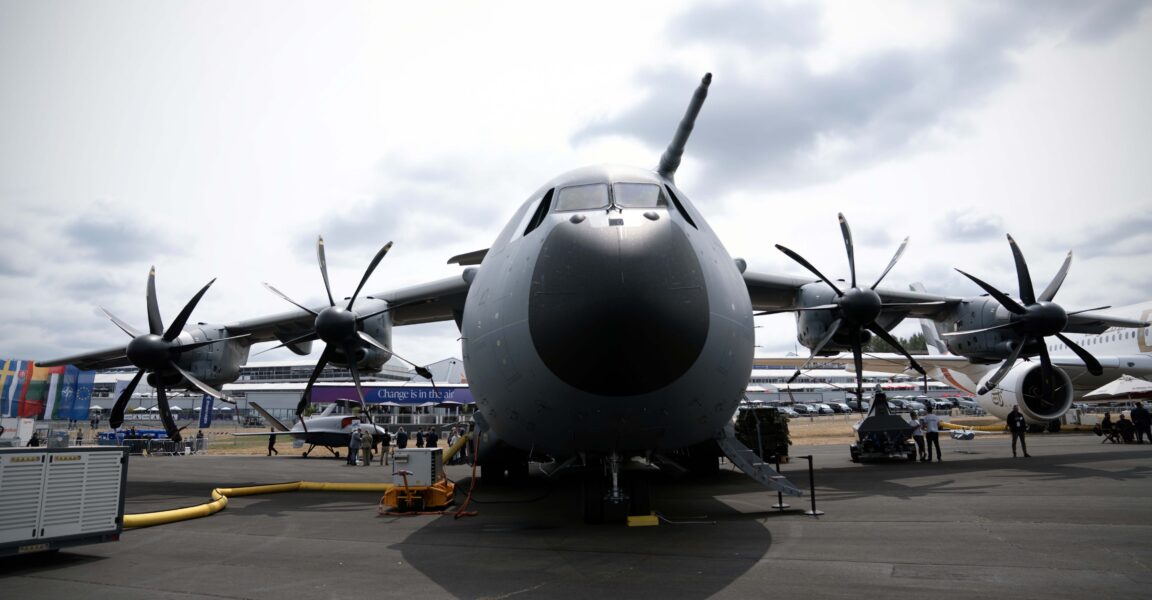
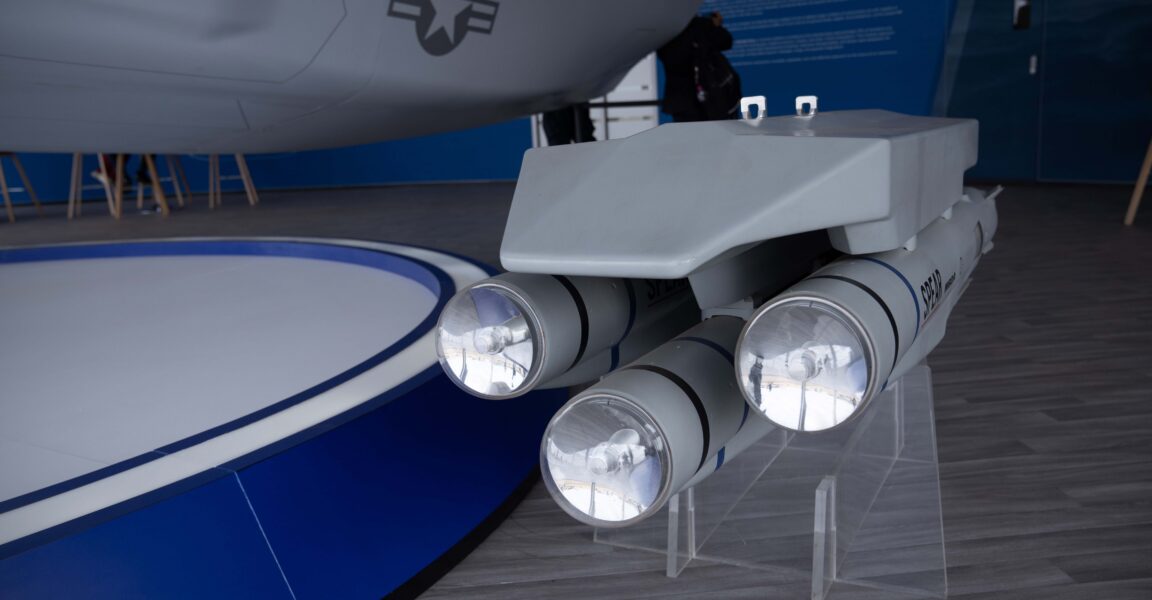
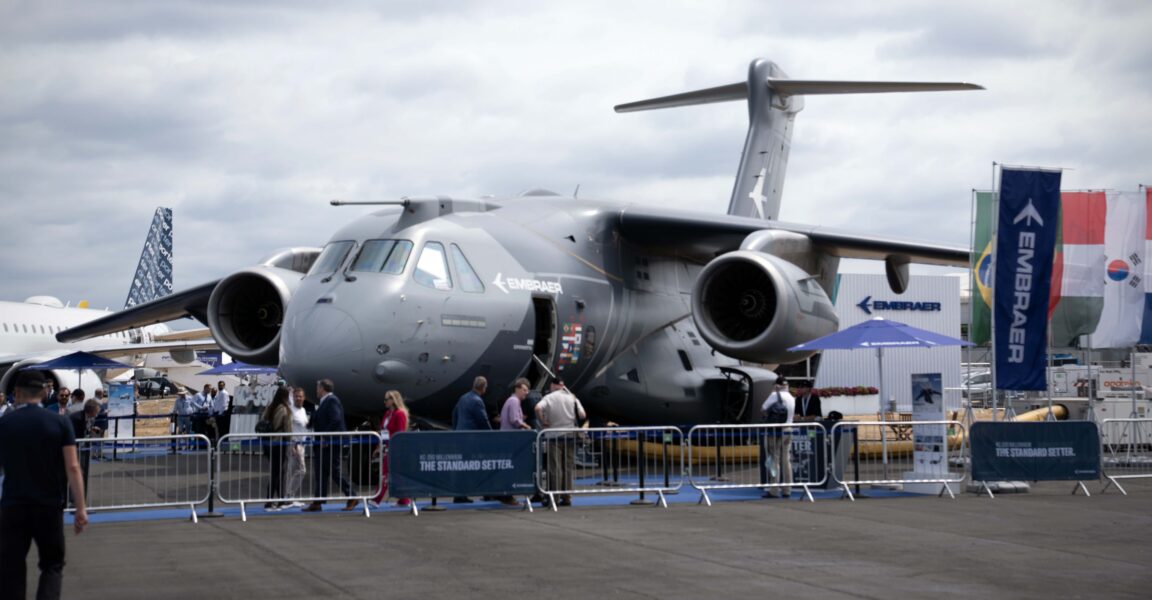
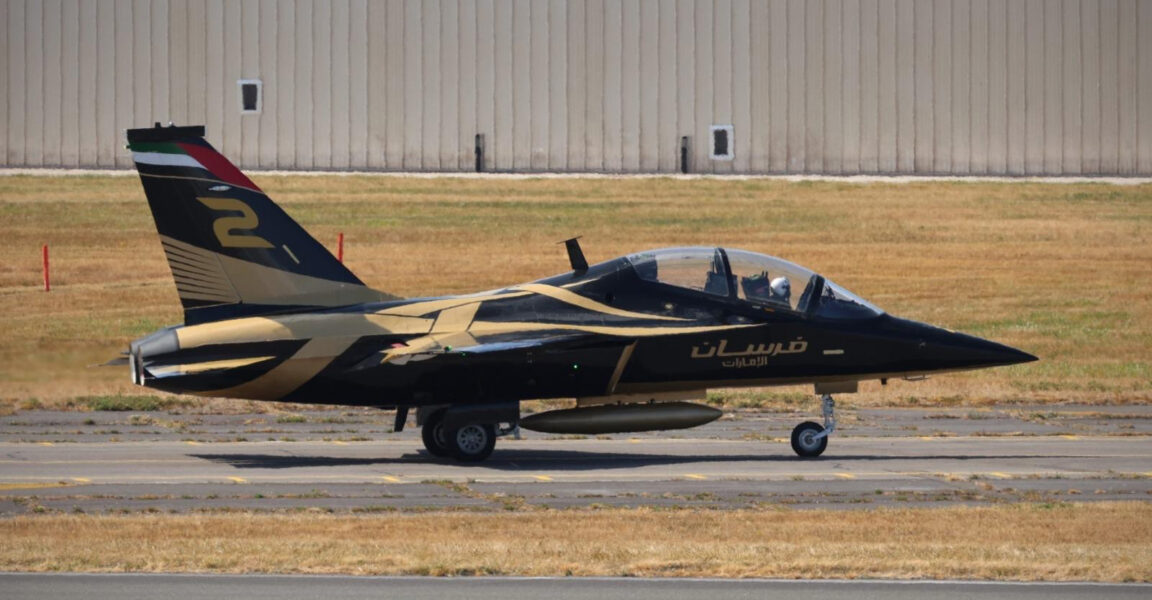
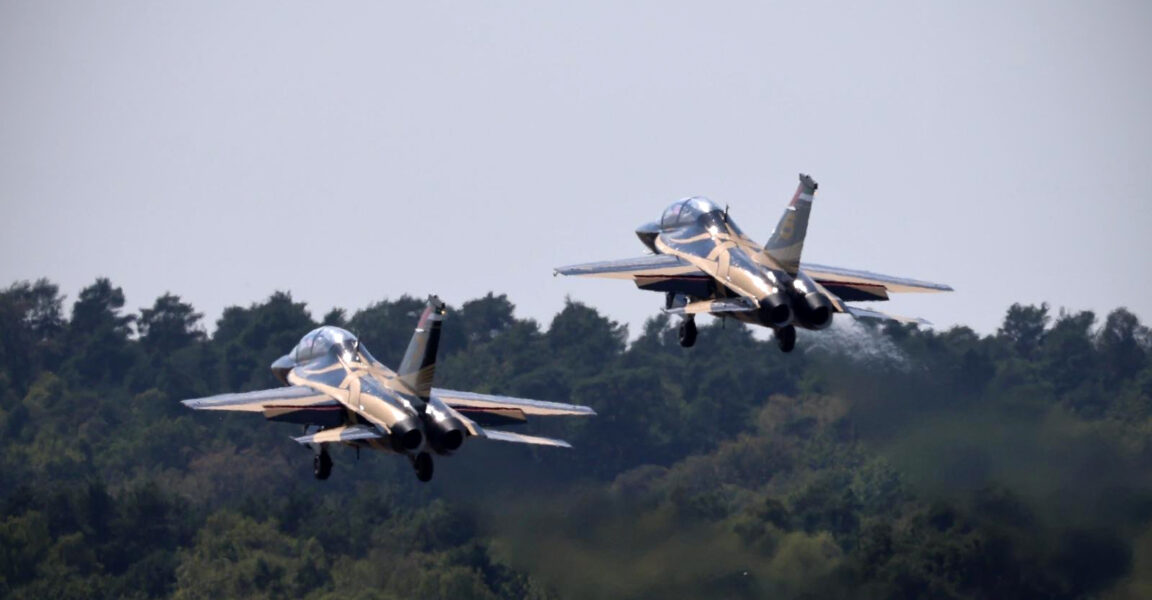
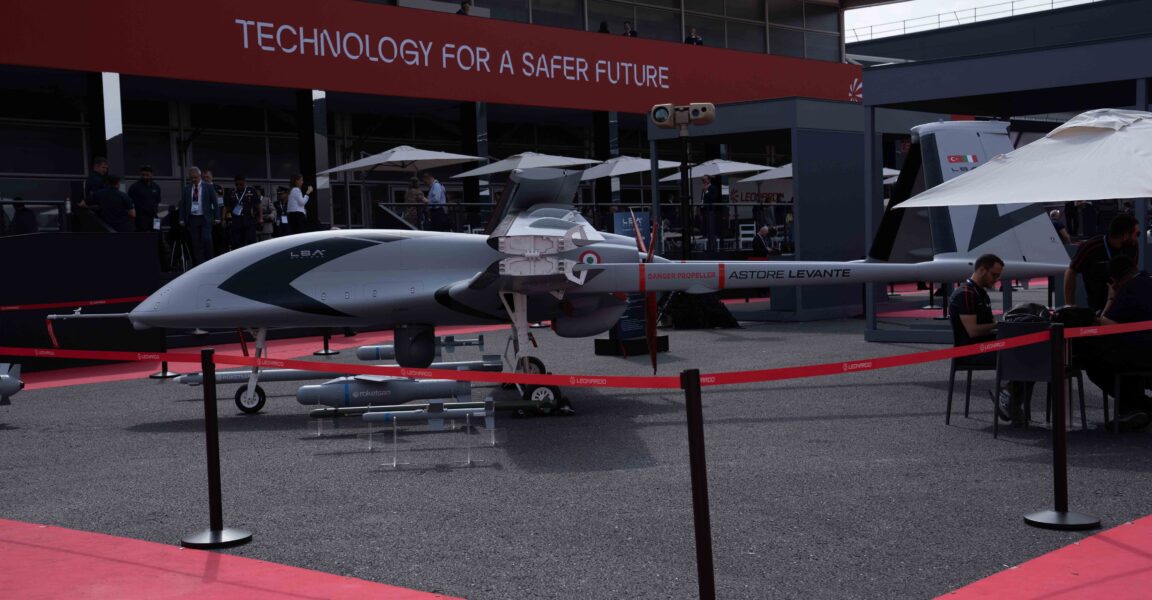
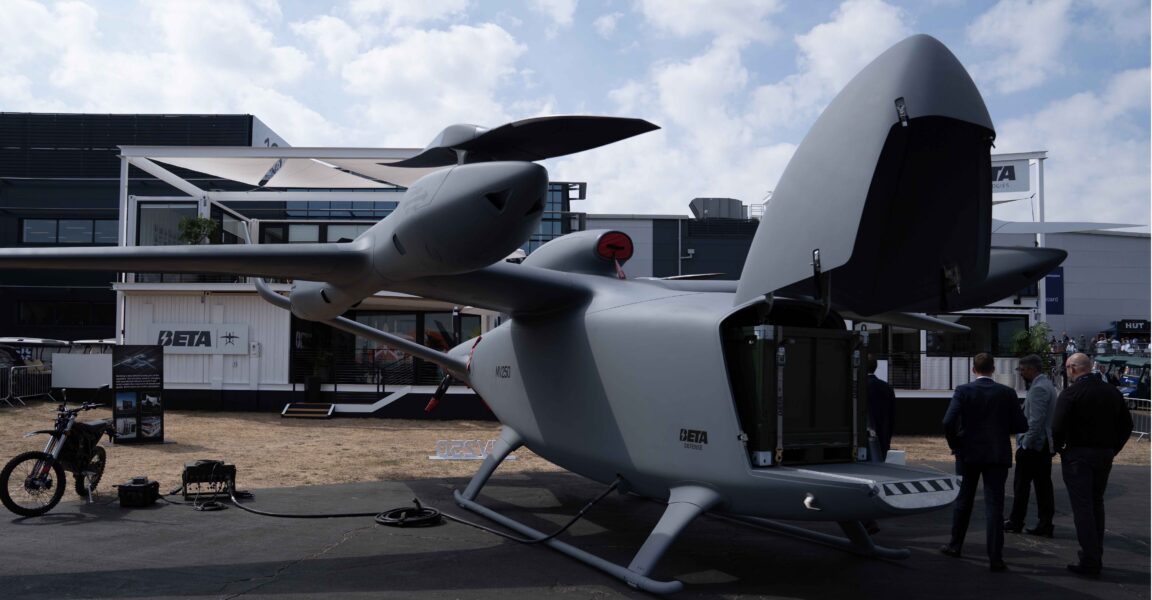
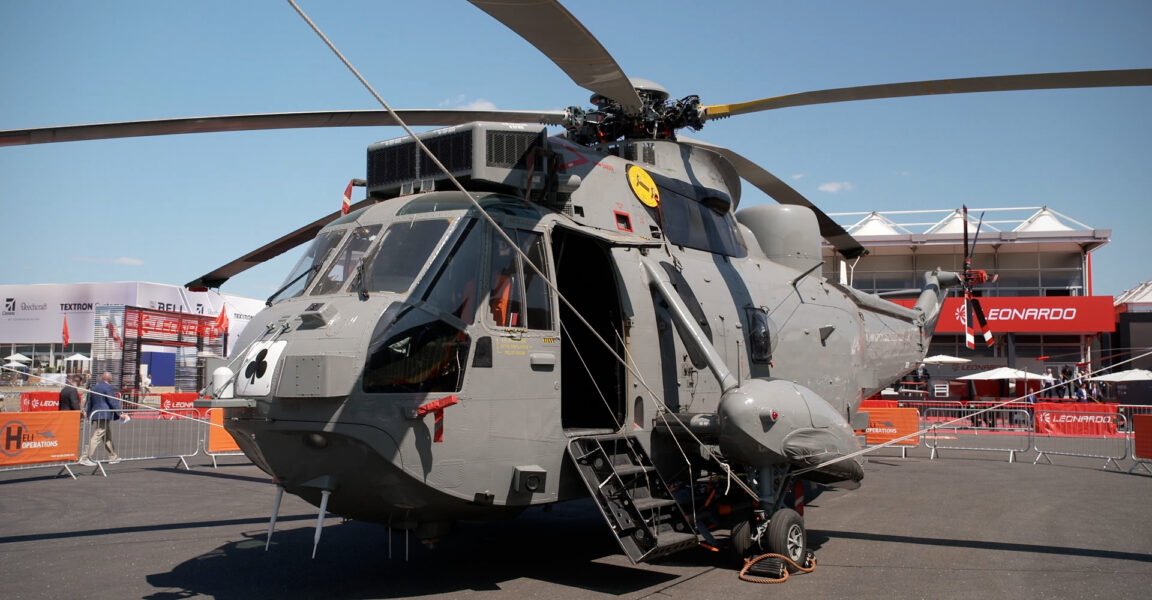
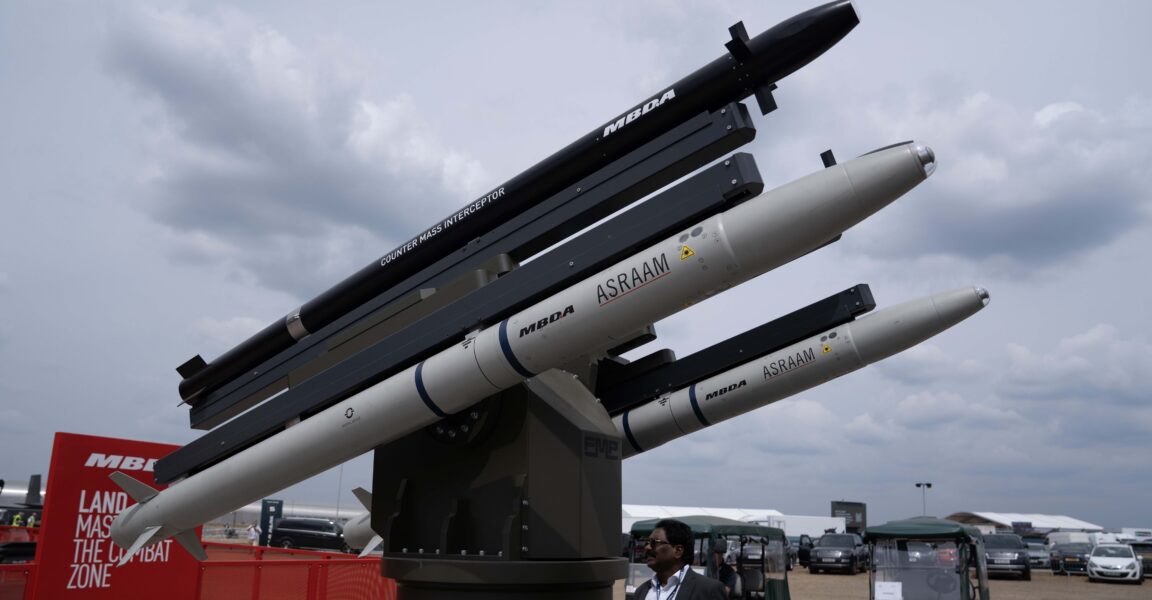
PHOTOS: Farnborough 2026
 Gallery







Breaking Defense Video