LONDON — Honeywell Aerospace, the freshly spun off defense and aerospace arm of Honeywell, is focused primarily on organic growth near-term, including major investments into its supply chain, CEO Jim Currier said Sunday.
However, he did not rule out merger & acquisition activity in the future, with the company open to M&A both domestically and internationally if it makes sense.
“We know exactly where we want to deploy capital, and it’s all going to be around driving organic growth of the business going forward,” Currier said at a media event here, held before the Farnborough Airshow. The demand for Honeywell Aerospace’s products has been increasing, Currier said, “and that just drives us to be able to have this focus around capital deployment that’s really geared 100% to the desired outcome of the business, [which is] to drive shareholder value.”
Asked to expand on that statement, Currier said he views capital allocation in four tiers of descending priority: organic growth, inorganic growth, dividends and stock buybacks.
The company currently has a $19 billion order backlog, up 20 percent from the previous year, so “it would be foolish on my part and that of my management team if we were not investing to unlock and drive more growth out of the business,” Currier said.
Before COVID, the firm had spent years consolidating its supply chains for efficiencies, looking to single-source as much as possible. However, the firm is now reversing course and investing in dual-sourcing where possible, which is where “a lot” of capital expenditures are going, he said.
That includes insourcing on core capabilities, or investing money in buying machine shop equipment for key suppliers to help assure their stability.
However, those investments being top priorities does not rule out M&A “by any stretch,” Currier said. It just has to make a difference for the firm, preferably with technologies that either help match the high demand the company is seeing or hits a customer Honeywell Aerospace isn’t fitting with currently.
Currier described the M&A options as “very, very robust and very rich with opportunities,” including internationally. The firm currently does about 30 percent of its defense business abroad, a number the company seems eager to expand.
The third and fourth capital priorities — dividends and stock buybacks — became a touchy subject earlier this year, when President Donald Trump lashed out at companies on social media about their spending in those areas. There is now language in the Senate’s version of the National Defense Authorization Act that would prohibit the use of those mechanics for defense firms.
However, speaking to Breaking Defense after the event, Currier said the dividend and buybacks he is looking at are fairly small — “fractions to the right of the decimal point compared to what others have been doing” — and, ultimately something that has to happen to appease corporate investors.
“I’ve got to satisfy investors that want to receive, you know, a dividend as part of their investment portfolio, because they have a mandate that [they] will not invest in a company that isn’t doing dividends,” he said. “Even if as small as it may be, they’ve got to be able to say you’re doing dividends as a result.”
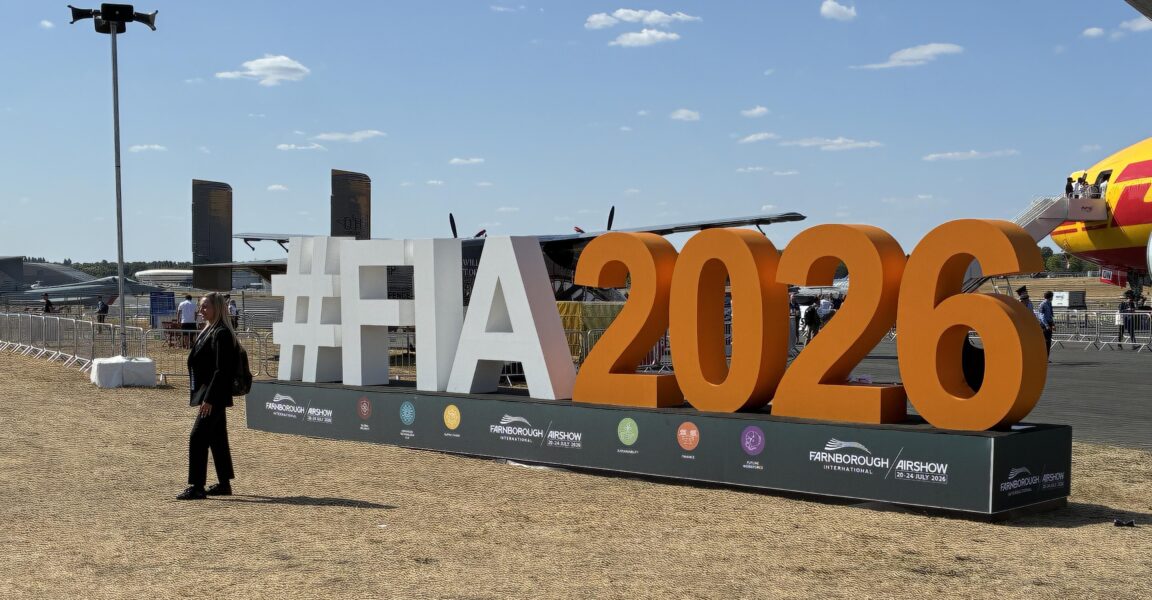
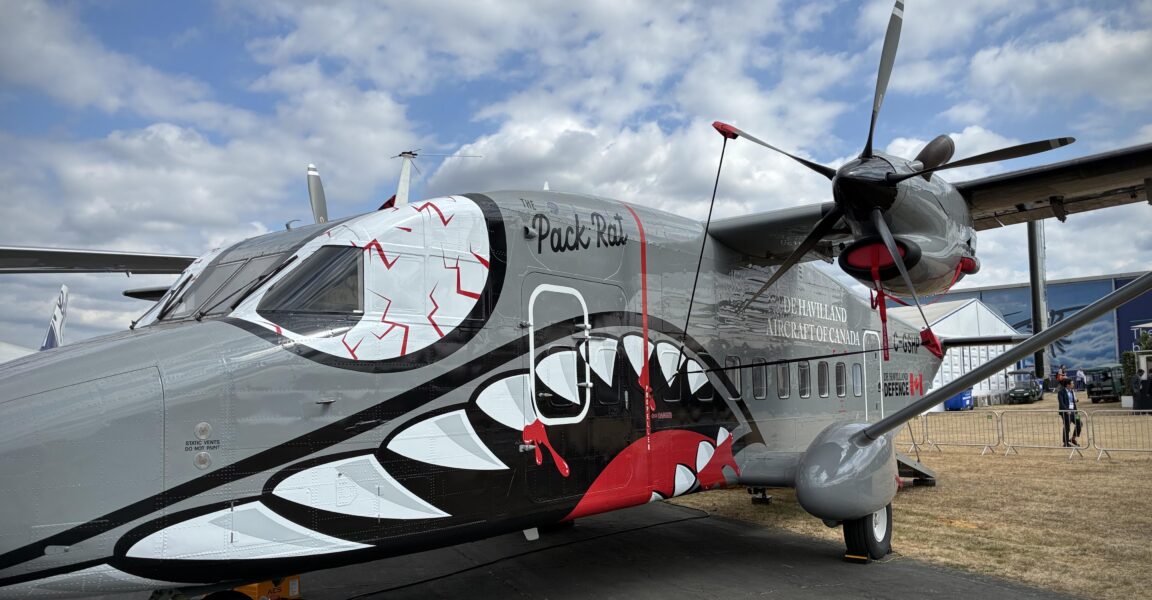
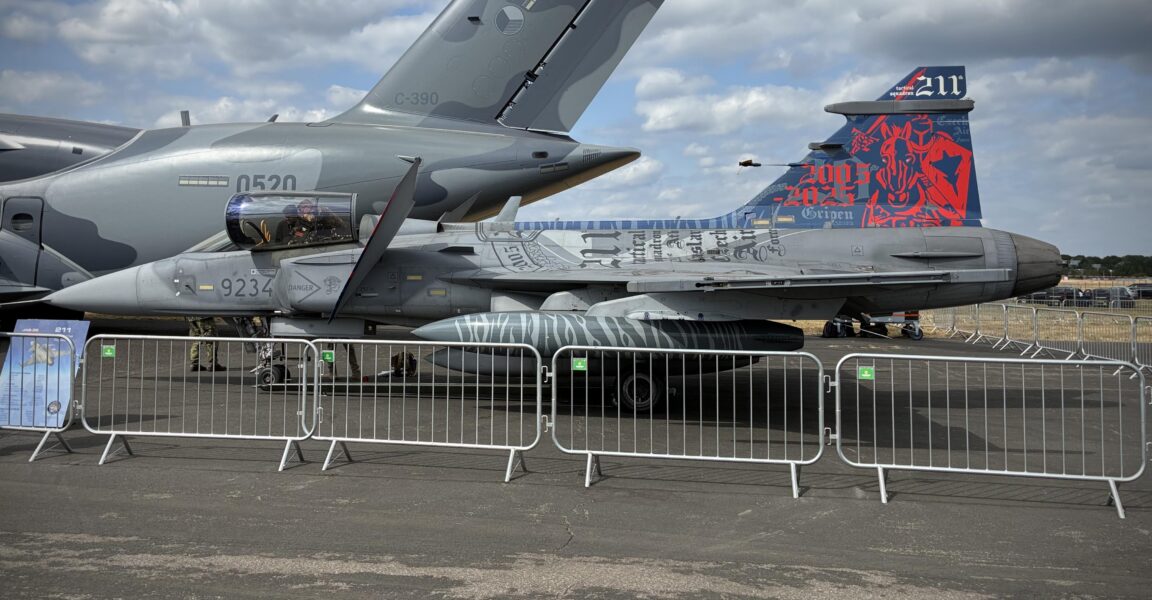
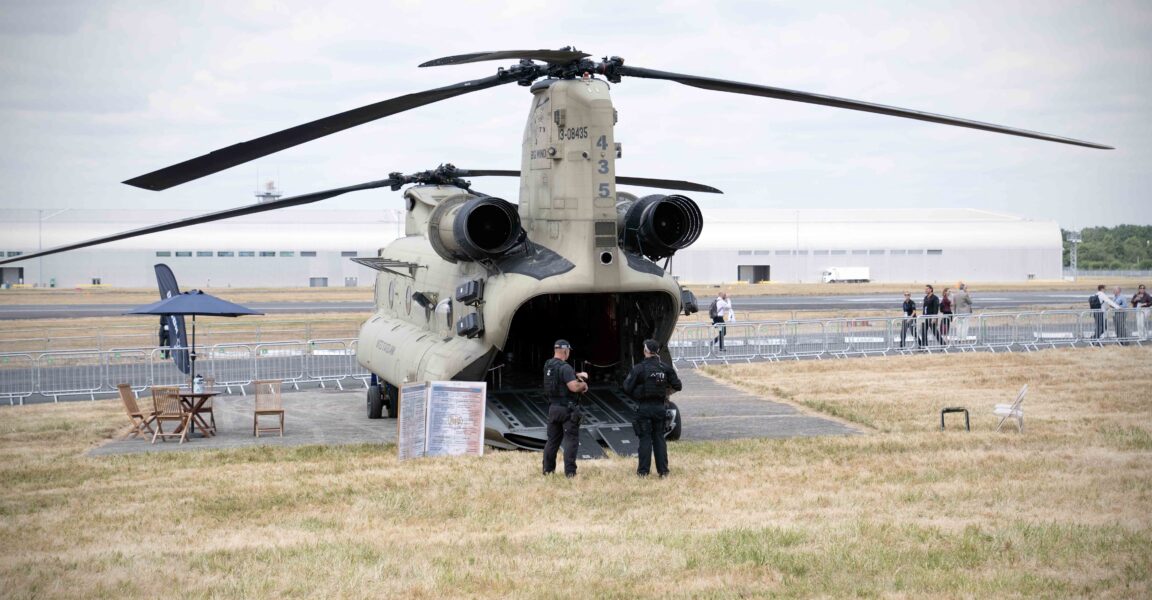
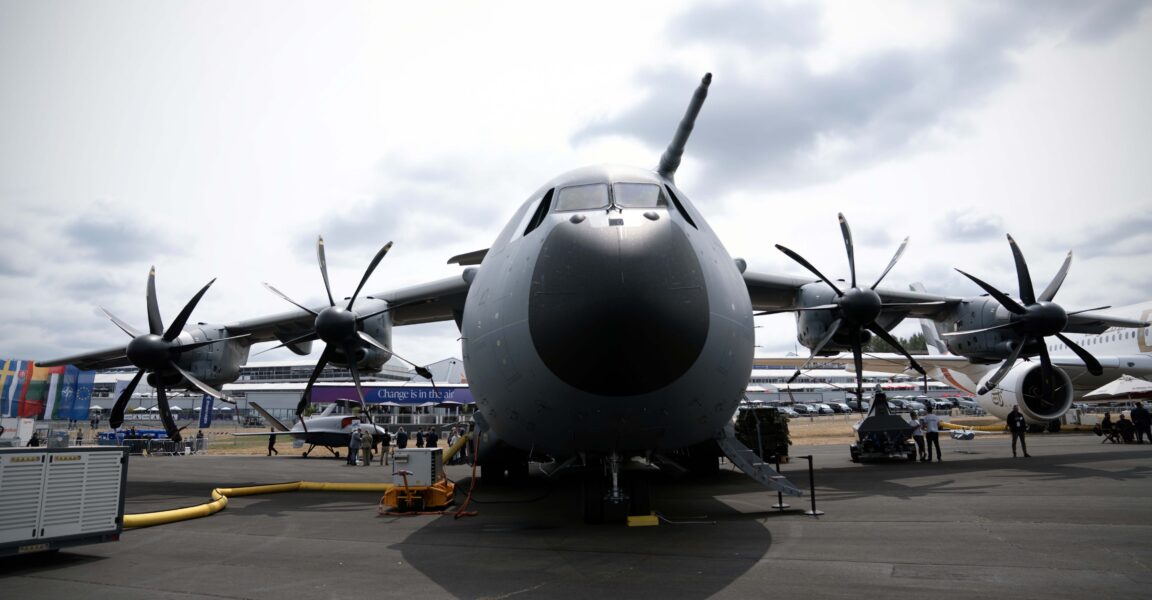
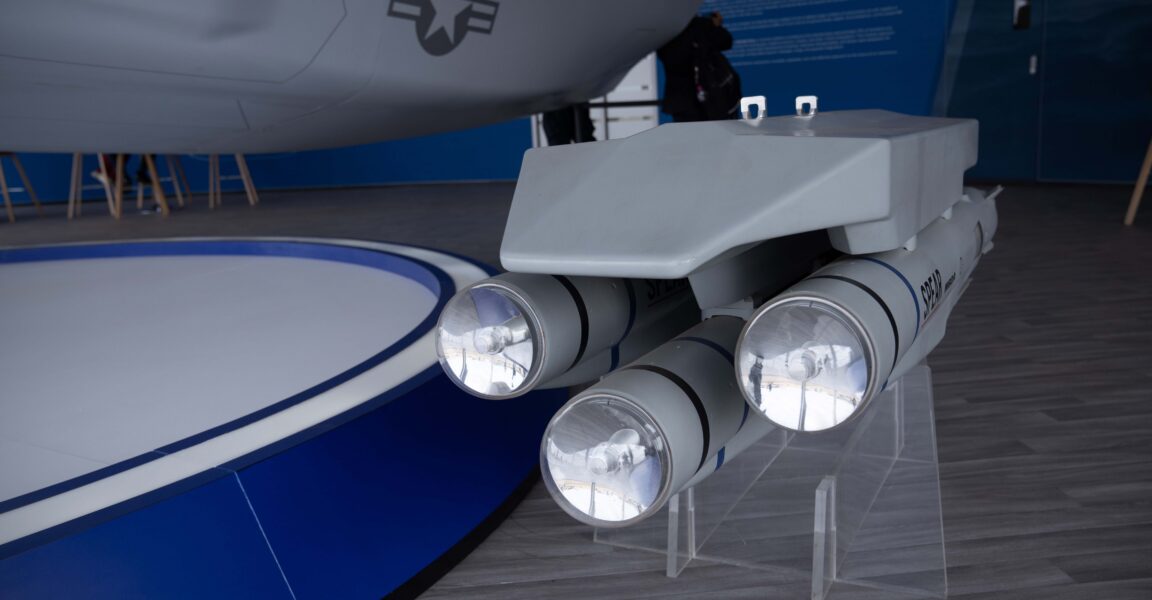
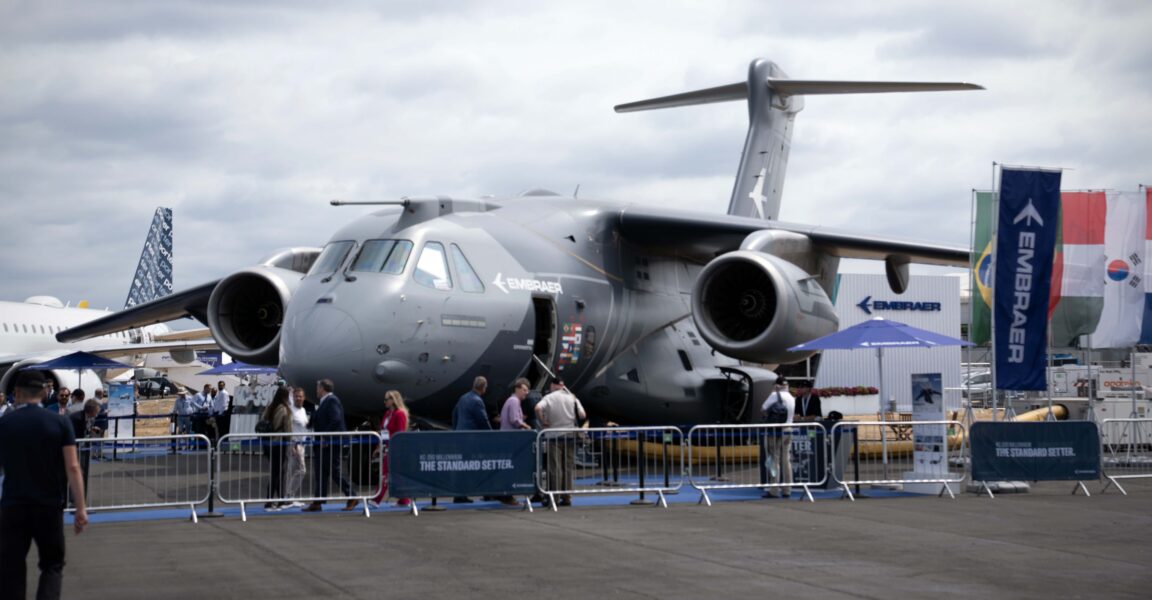
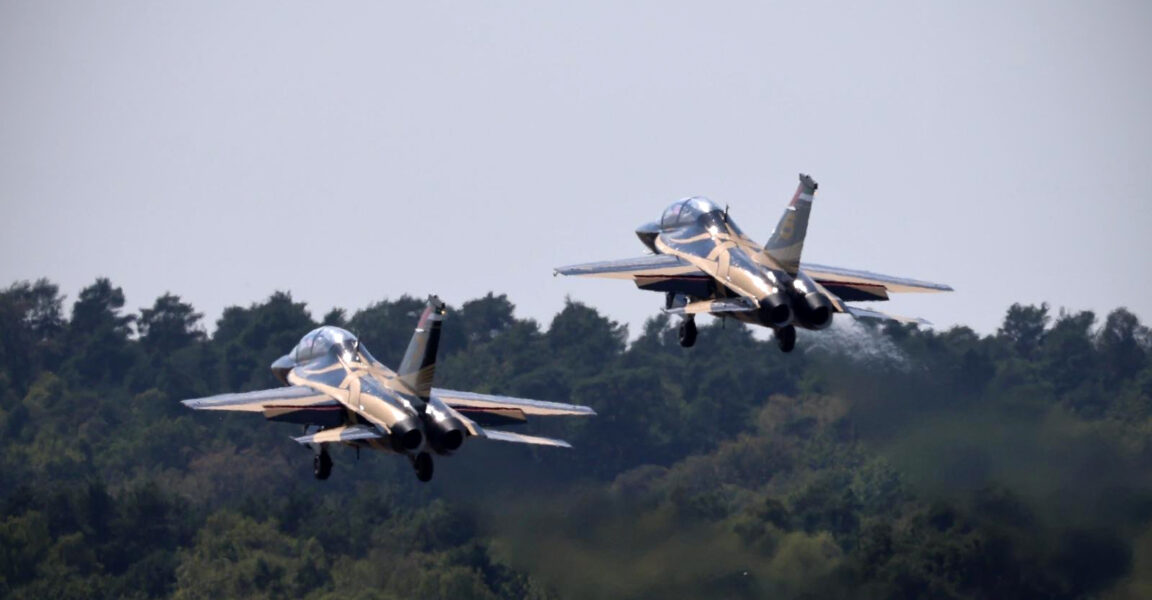
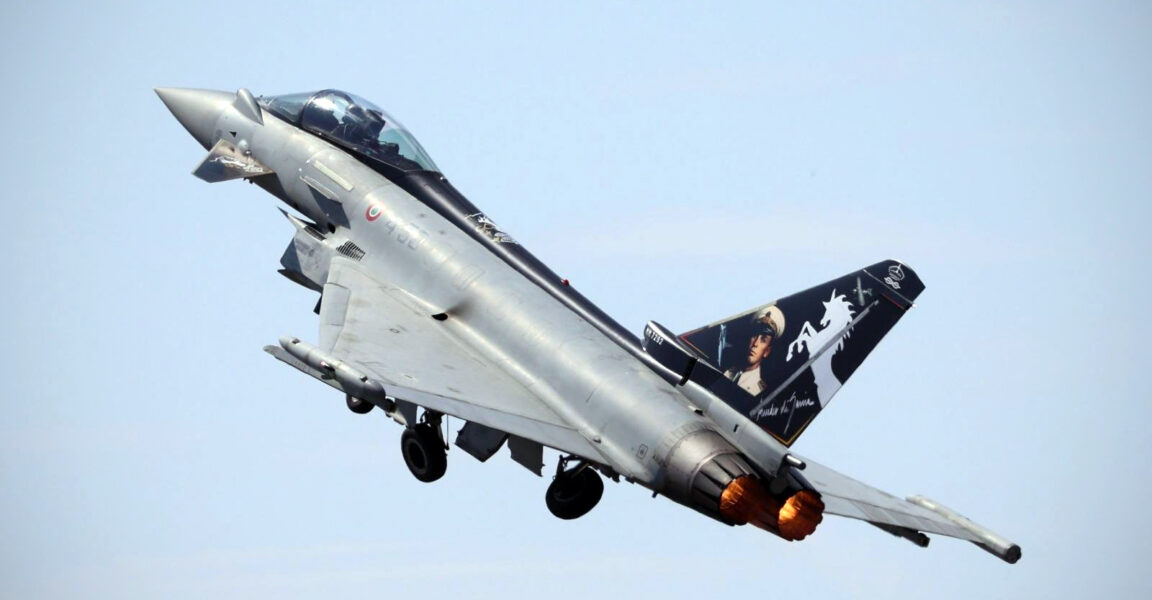
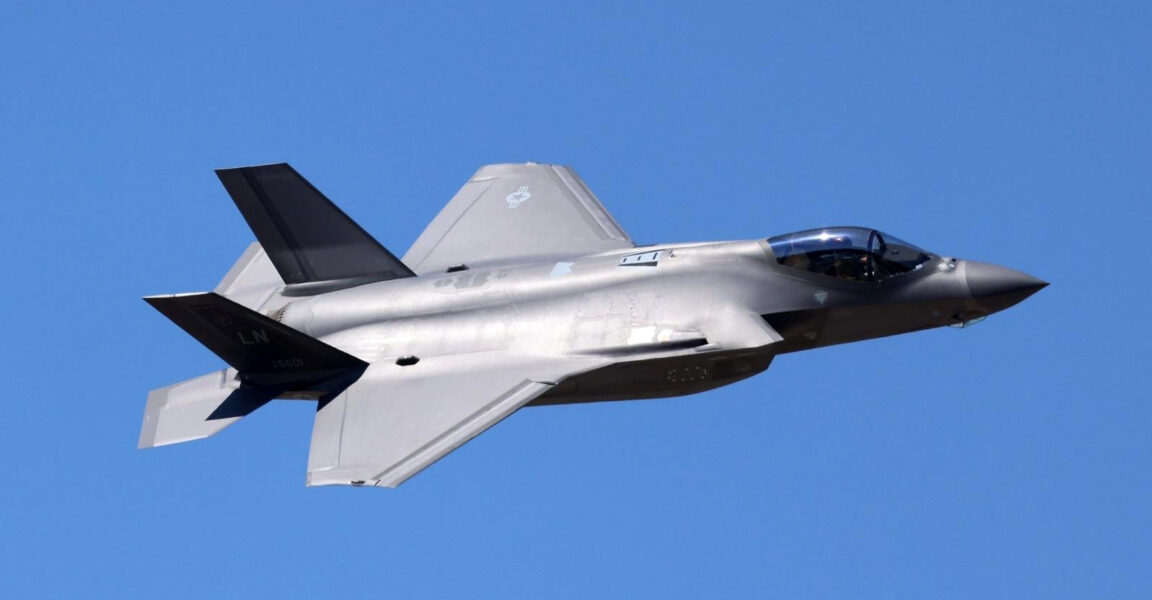
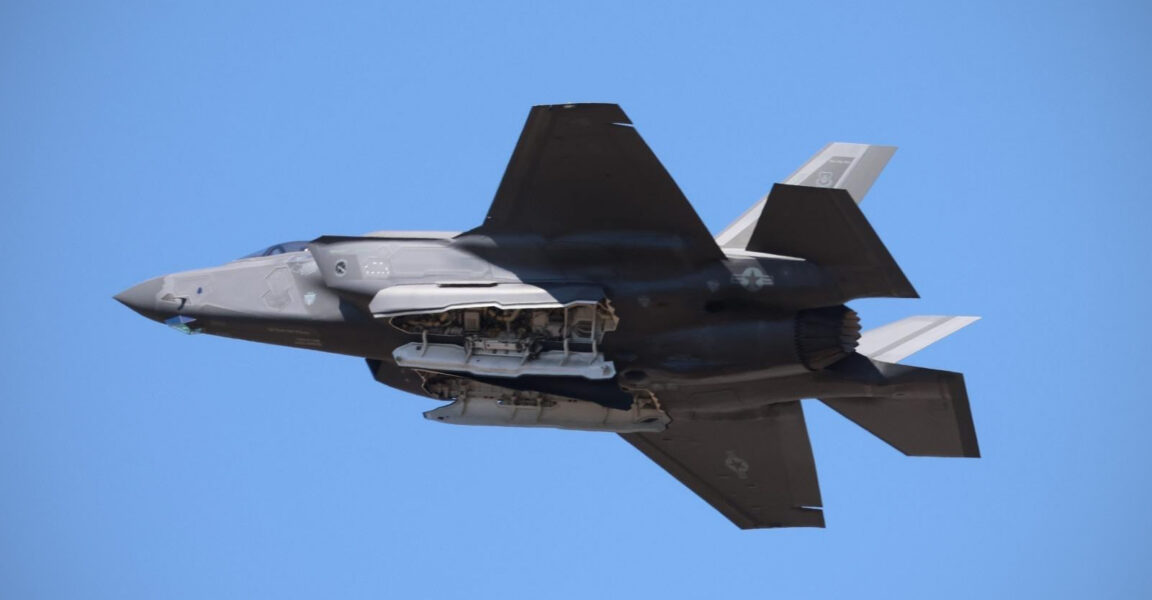
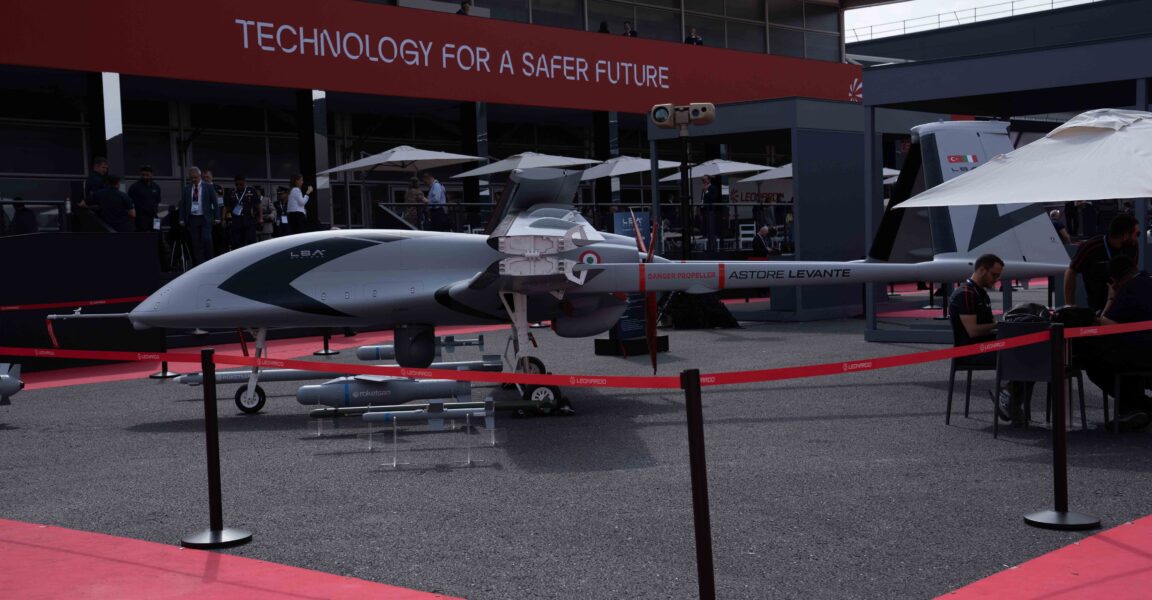
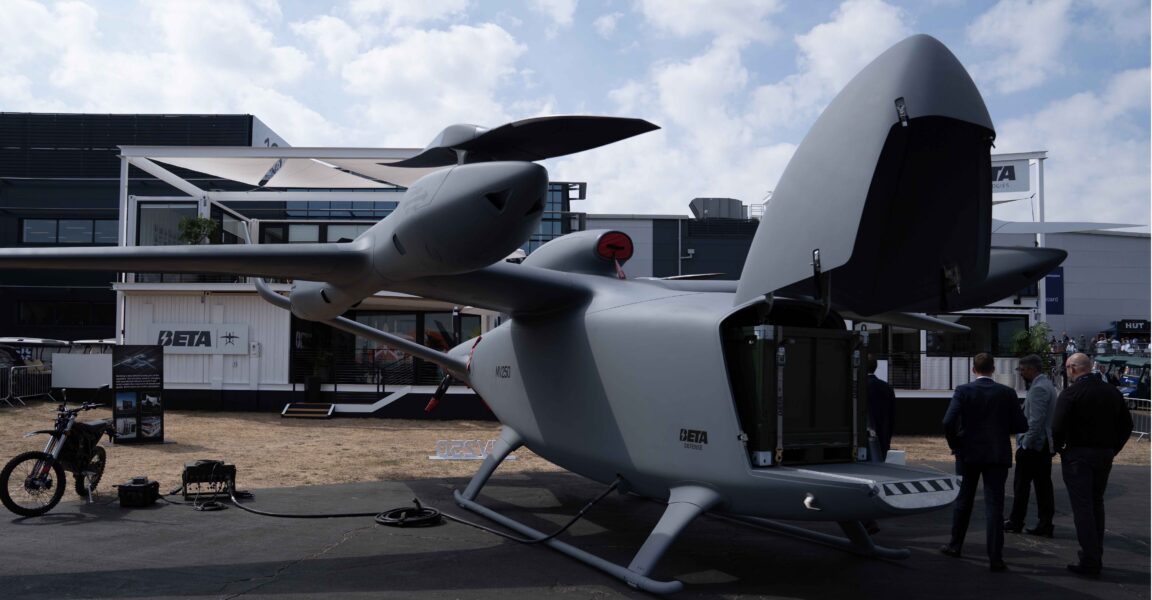
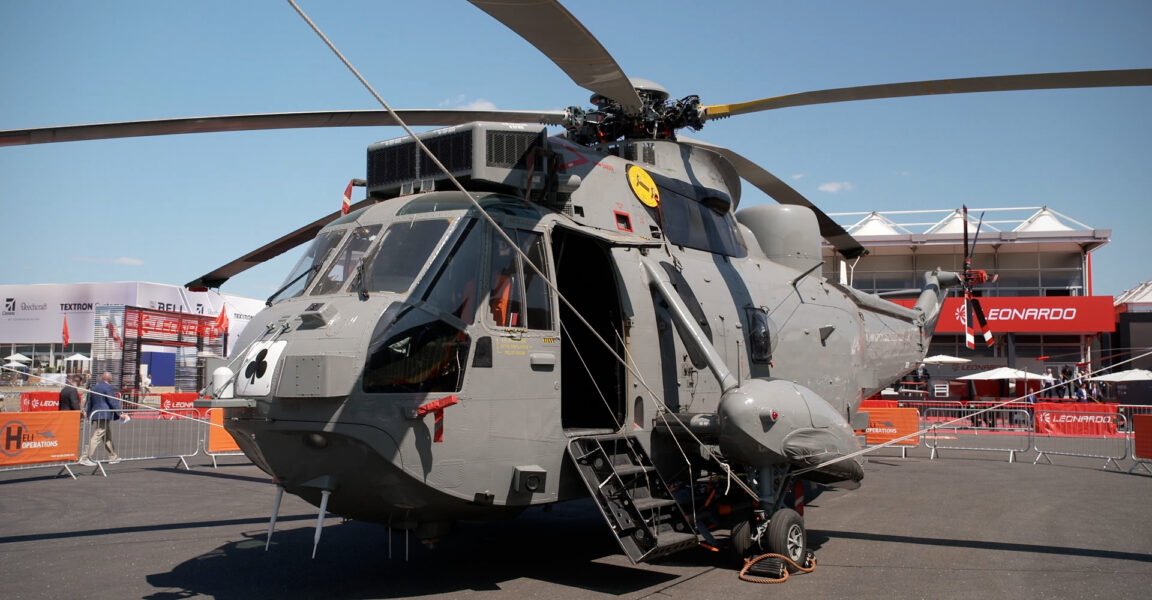
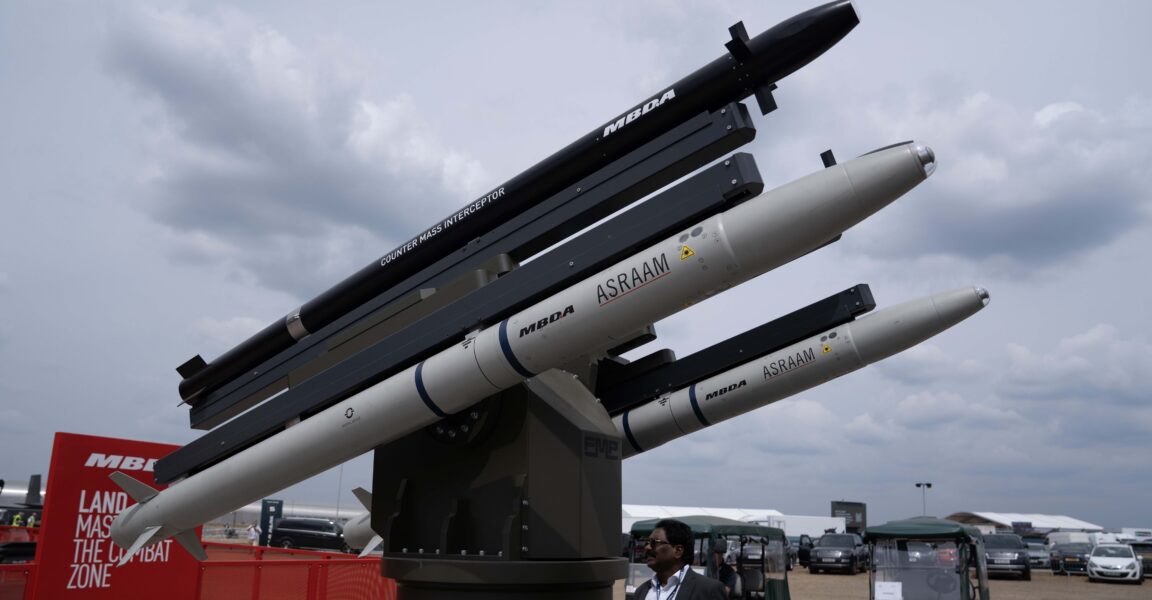
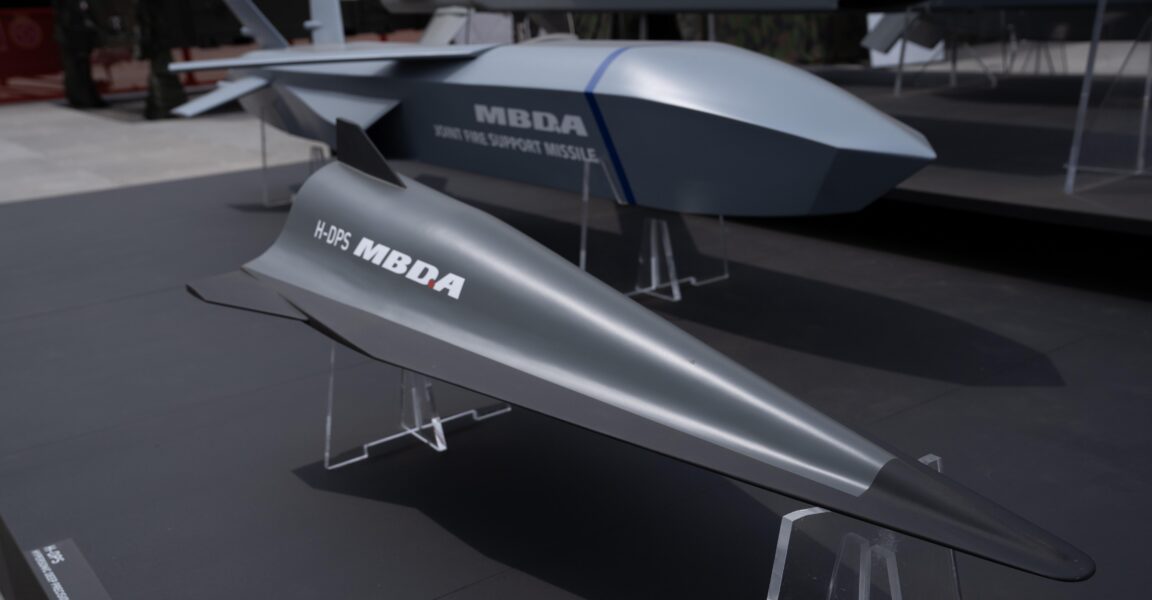
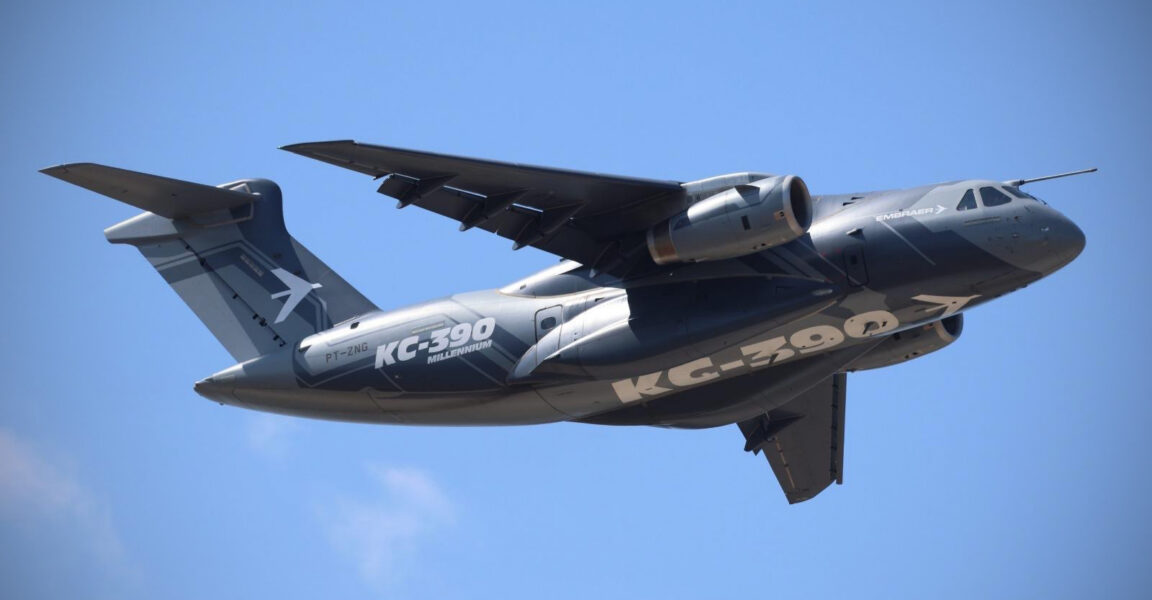
PHOTOS: Farnborough 2026

 Gallery











Breaking Defense Video