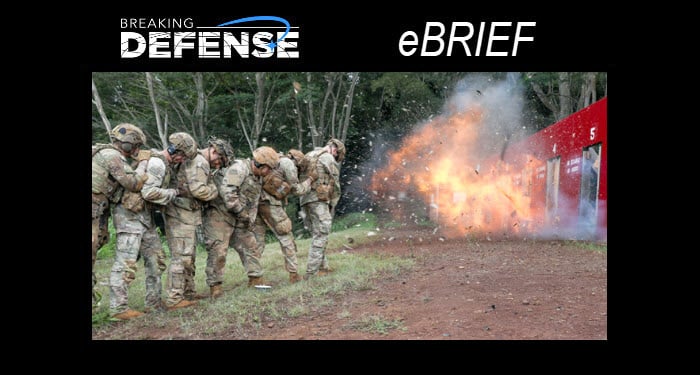
Autonomy changes everything about combat engineering
Sending robotic vehicles into the breach saves lives by removing humans from one of the most dangerous places on the battlefield.

Barry Rosenberg is an expert journalist in defense cybersecurity and information technology issues. He is former editor of the trade magazine C4ISRNET, which he helped relaunch in 2013. Before that he was editor of Defense Systems at 1105 Media, focusing on IT and C4ISR topics. He recently worked in key content roles at information technology firms SILA, which specializes in blockchain technologies and cyber security, and Trace Systems. Earlier in his career he was founding editor of Aviation Week’s Overhaul & Maintenance magazine, editor of Defense News’ show daily and managing editor of Aviation Week’s Show News. Rosenberg is a Philadelphia native, an avid writer and co-author of "Mavericks of the Sky: The First Daring Pilots of the U.S. Air Mail".
Sending robotic vehicles into the breach saves lives by removing humans from one of the most dangerous places on the battlefield.

Experts discuss SATCOM challenges and solutions for resilient, secure and more space-based comms across orbits.


APKWS® laser‑guidance kit provides reliable precision‑guided munitions across missions and platforms, delivered quickly to meet evolving operational demands.


There’s a renaissance in small UAS for intelligence, surveillance and reconnaissance, both in the way they’re procured and deployed.

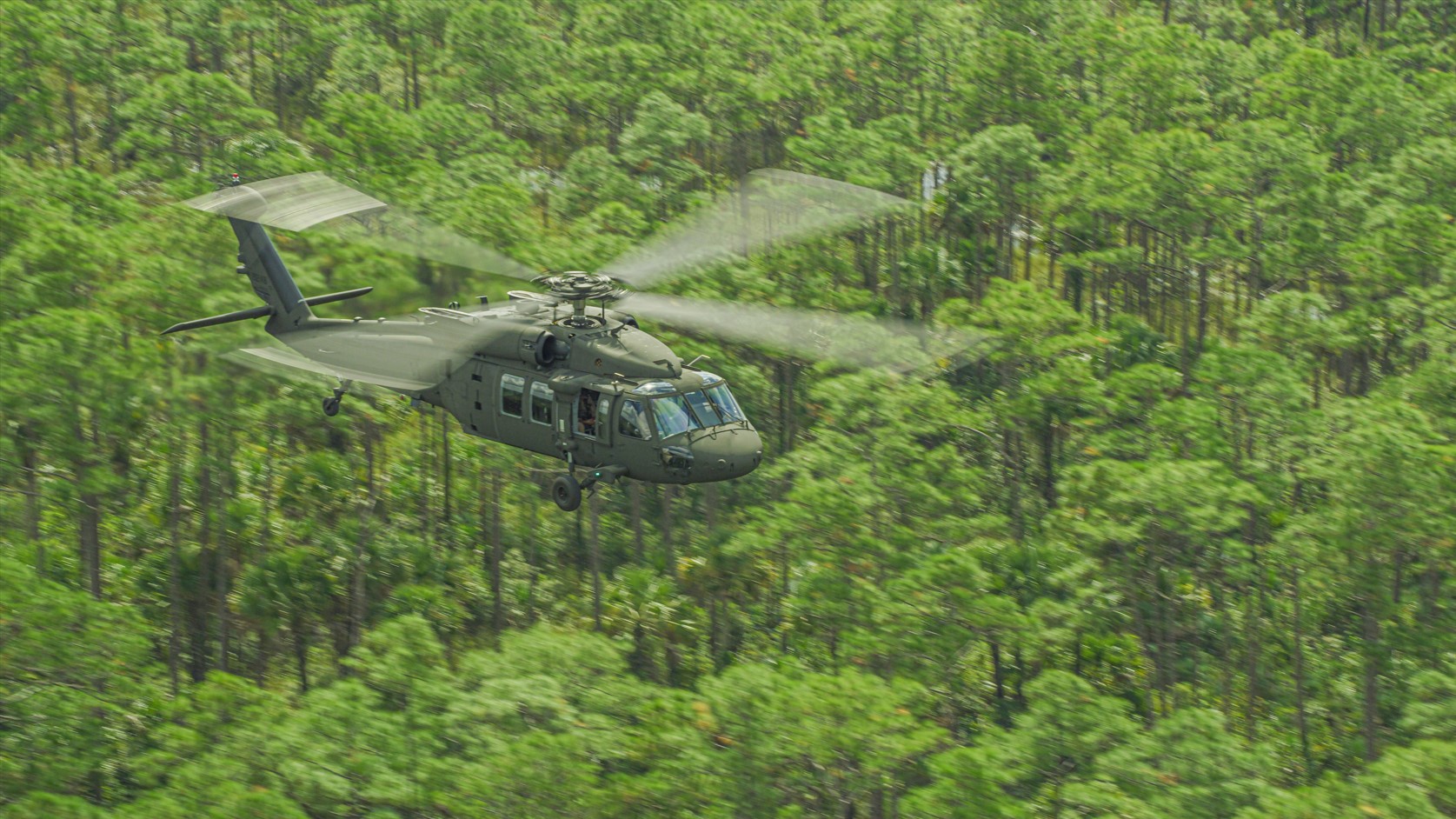
The role of rotary wing aircraft in a 21st century security environment include operations in multi-domain operations and Joint All Domain Command and Control.
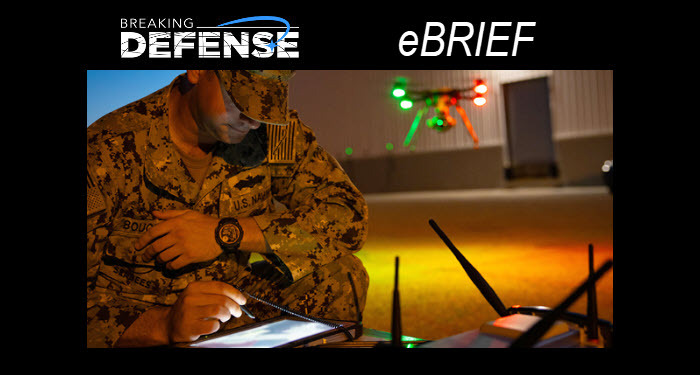
There’s a new battlespace called “air-ground littoral” where quadcopters and fixed-wing VTOLs now dominate.
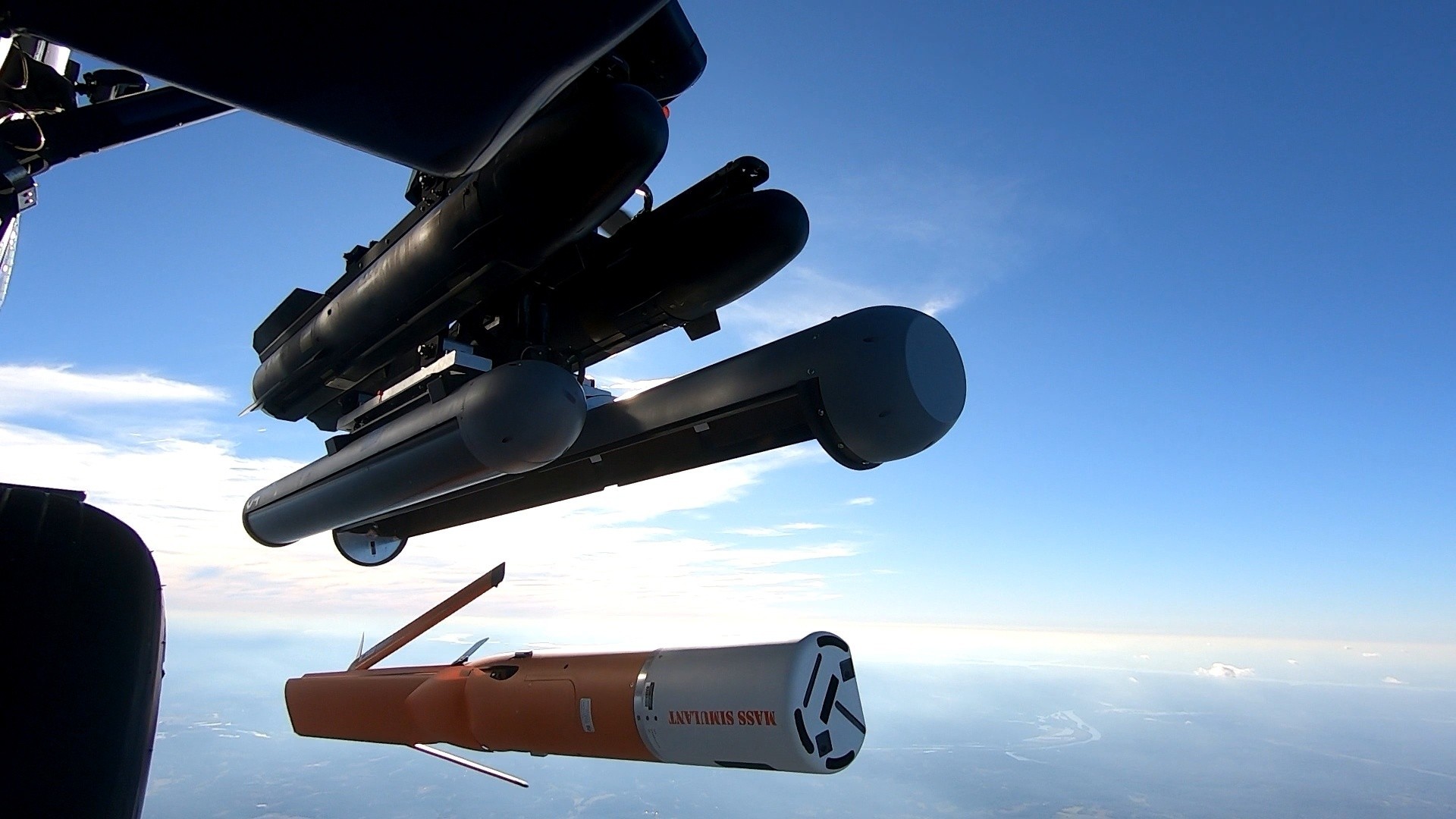
The Army has received its first two ITEP engines, and a re-engined Black Hawk will fly in late FY25/early FY26.

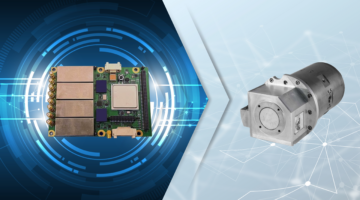
As threats continue to evolve, speed will increasingly depend on what is already available when the need emerges.

Cybersecurity leaders from the DoD CIO, USINDOPACOM, and APL discuss how they’re addressing the challenge in a Breaking Defense webinar.
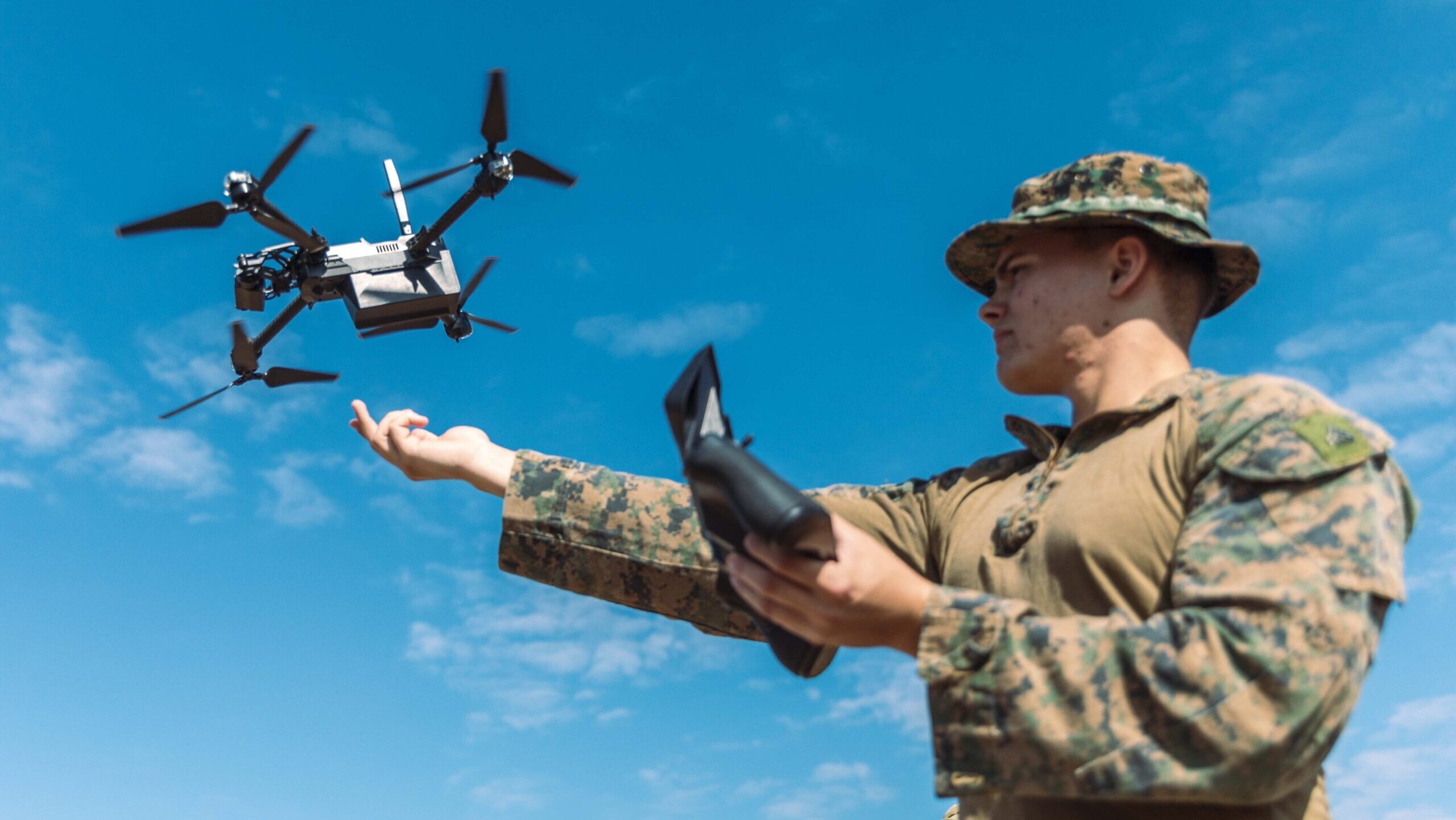
The Defense Innovation Unit will now conduct an annual competition for sUAS and quadcopters to either stay on the Blue List or be added to it, Blue UAS Project Lead Trent Emeneker told Breaking Defense.
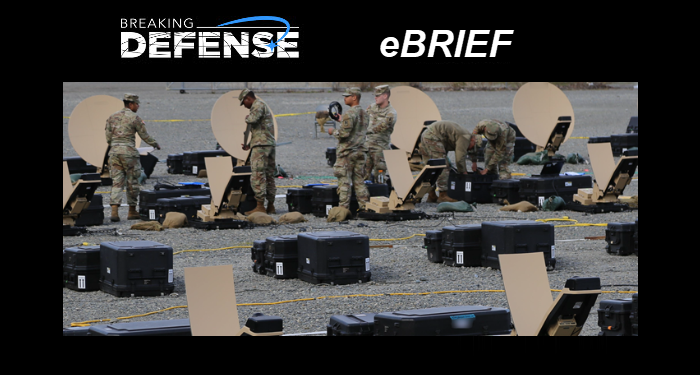
Satellite constellations in proliferated LEO and a new emphasis on mature capabilities like troposcatter is creating network resilience.


The Army’s next training systems contract, called Warfighter Training Readiness Solution, adds enterprise training for multi-domain operations.

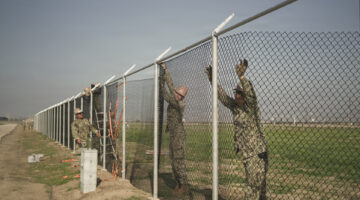
Traditional thinking about how to protect facilities must adapt to new threats such as drones or downstream attacks.
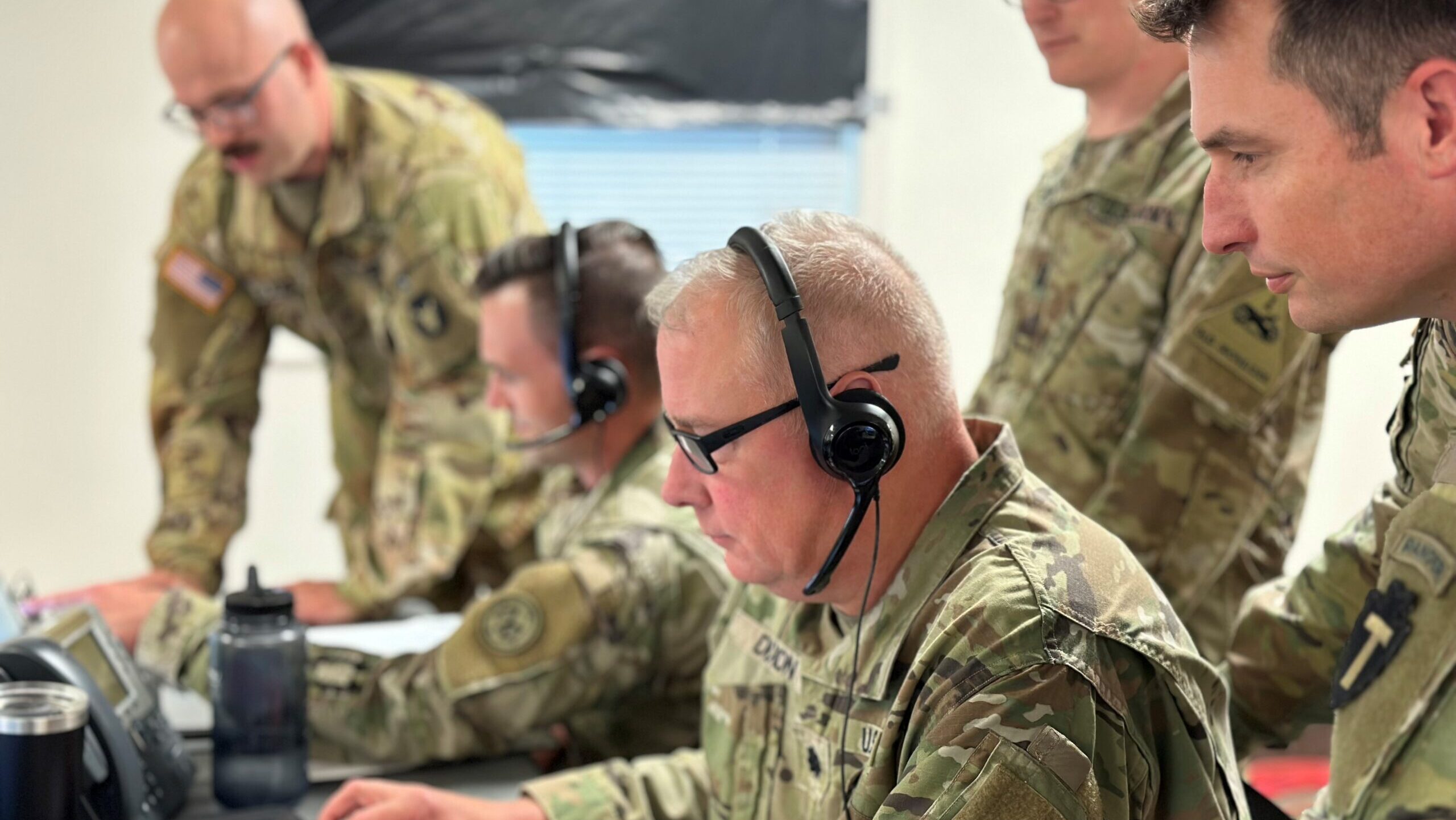
An enterprise change in some corps-level training moves higher control (HICON) from Fort Leavenworth to the service component command.

A Breaking Defense webinar with experts from CDAO, APL, and CNAS gets into the question of defining artificial intelligence vs machine learning.

Autonomy in the pursuit of interoperability is today’s path for ground robotics.

Responding to threats to European and NATO security, nations are buying fifth-generation fighters and standoff weapons.