
The Soldier’s Radar: Infusing LTAMDS With Advanced Capabilities
Being built under rapid prototype authority, the Lower Tier Air and Missile Defense Sensor radar has a 360-degree capability to sense threats from all directions.

Barry Rosenberg is an expert journalist in defense cybersecurity and information technology issues. He is former editor of the trade magazine C4ISRNET, which he helped relaunch in 2013. Before that he was editor of Defense Systems at 1105 Media, focusing on IT and C4ISR topics. He recently worked in key content roles at information technology firms SILA, which specializes in blockchain technologies and cyber security, and Trace Systems. Earlier in his career he was founding editor of Aviation Week’s Overhaul & Maintenance magazine, editor of Defense News’ show daily and managing editor of Aviation Week’s Show News. Rosenberg is a Philadelphia native, an avid writer and co-author of "Mavericks of the Sky: The First Daring Pilots of the U.S. Air Mail".

Being built under rapid prototype authority, the Lower Tier Air and Missile Defense Sensor radar has a 360-degree capability to sense threats from all directions.


Fresh off its first major win in the Army’s Infantry Squad Vehicle competition, GM Defense is bringing the commercial capabilities of General Motors to military vehicles.

Breaking Defense Europe will launch May 4 with Tim Martin and Elisabeth Gosselin-Malo as co-editors.
FMS has become arguably the nation’s preeminent tool for building and solidifying relationships with foreign nations. We take a look at why it's important, how it works and the FMS roles of DoD, Congress, State Department, Industry and allied nations.

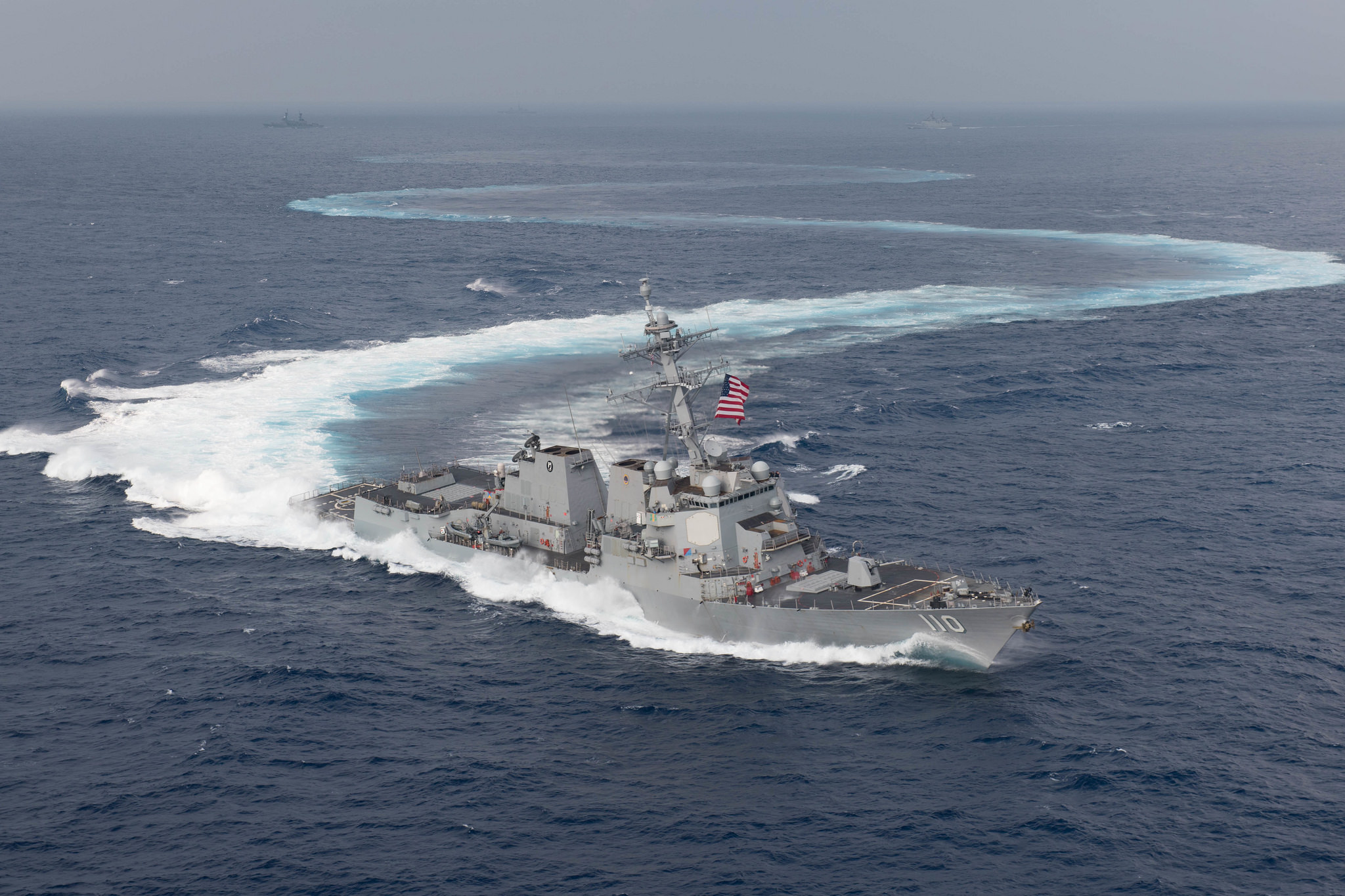
Higher-power radar systems and offensive/defensive systems such as directed energy lasers require new sources of power.

How the government-industry team of the Air Force and KBR rebuilt Tyndall.
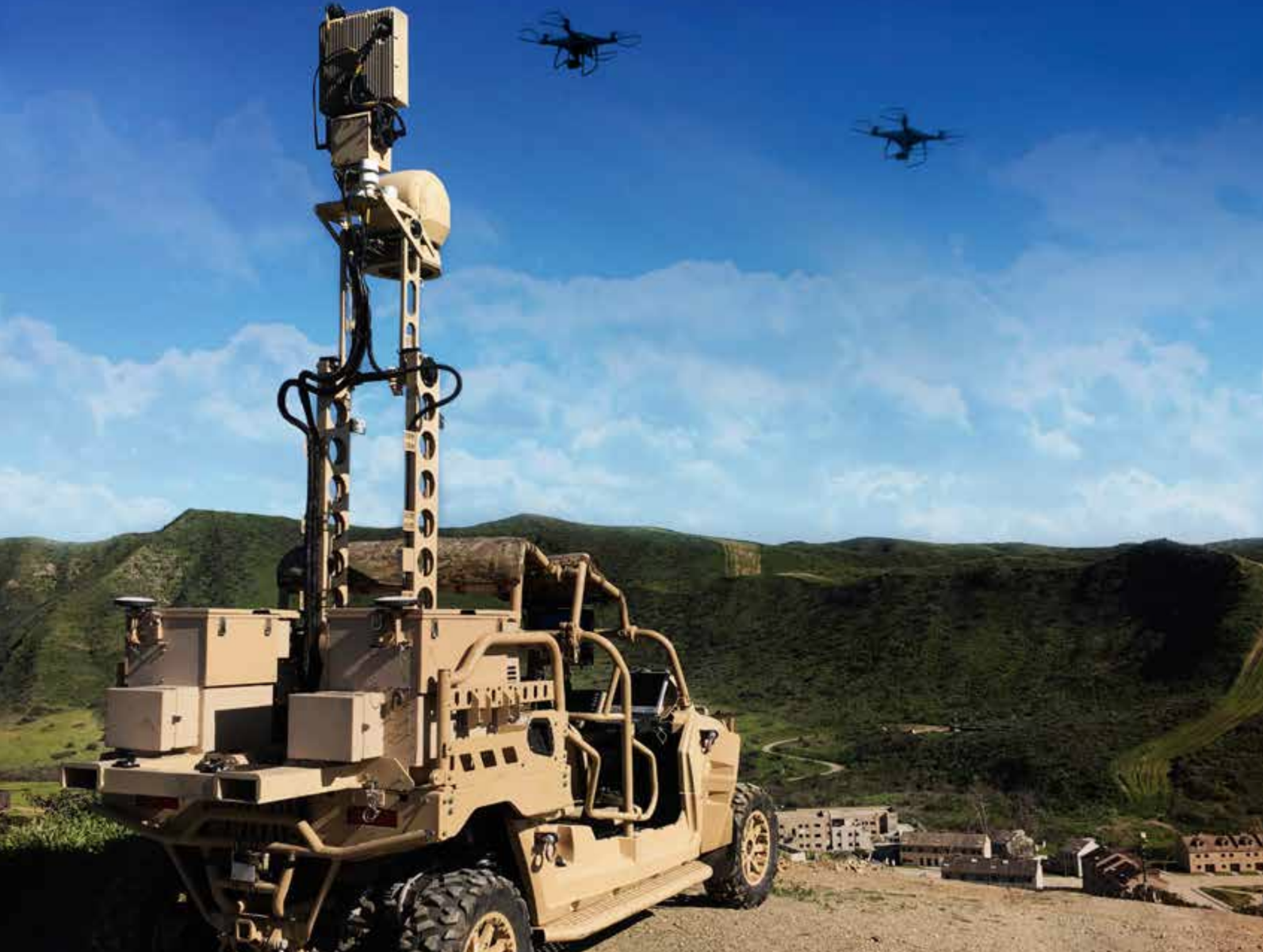
The emergence of drone warfare leads to new anti-drone technologies to detect, identify, and defeat unmanned threats.
Government can’t stop to update systems, so modernization has to happen without interruptions.
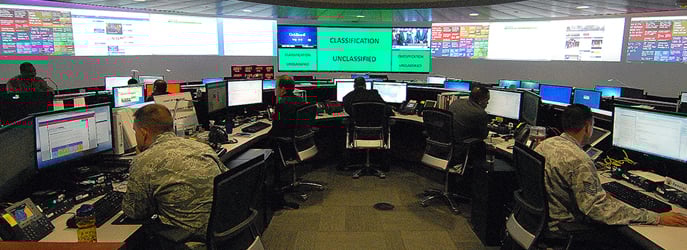
“We met with a vendor on the West Coast -- I can’t say who -- and saw how they had implemented it end-to-end in their own infrastructure. They looked at (cybersecurity) holistically from the user identity, to the identity of the endpoint, to the application. I was very impressed with what they had done," says DISA's Steve Wallace.
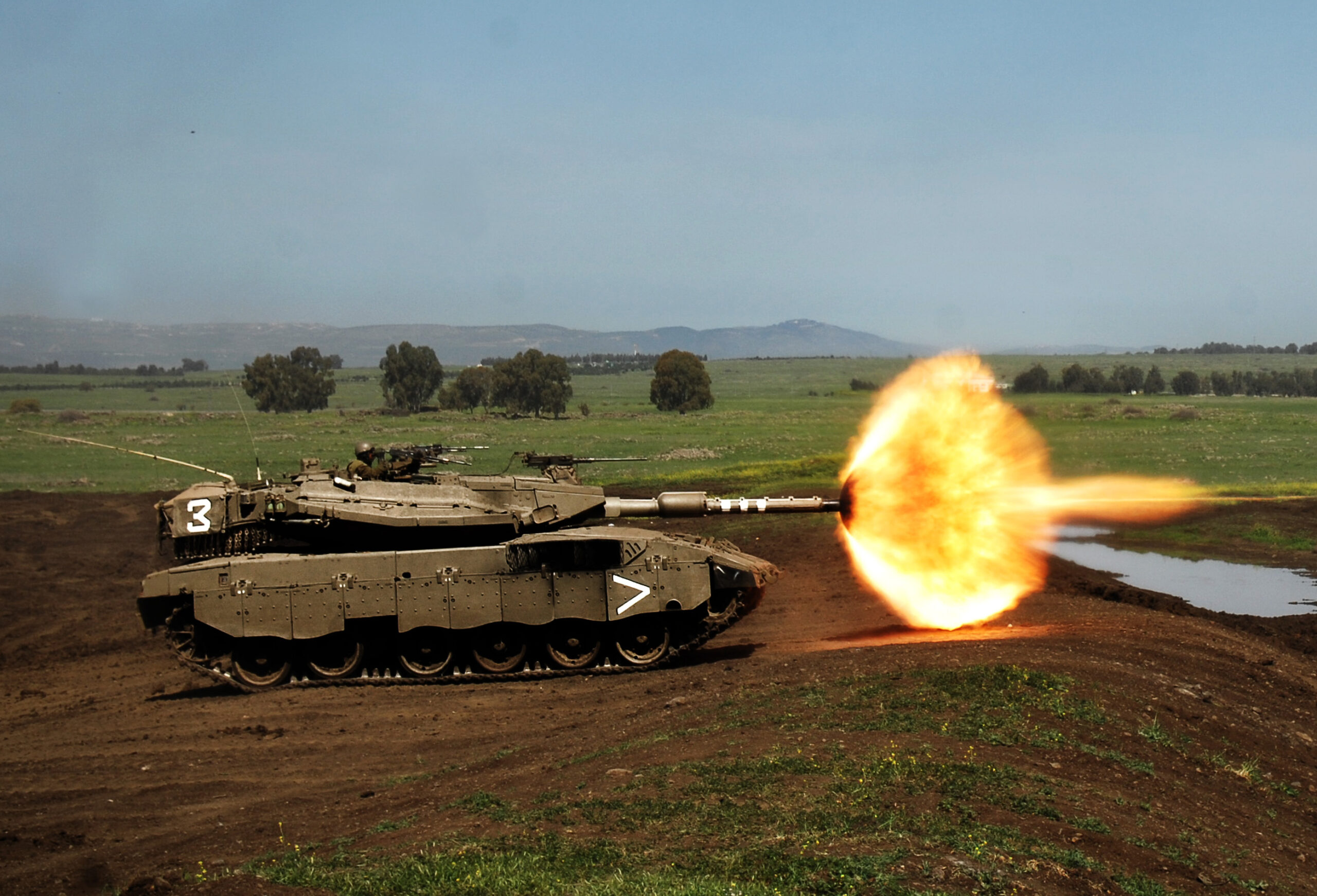
If there’s one thing that Army leadership agrees upon, it’s the need for improved survivability of soldiers and machines against modern anti-tank weapons like the Russian Kornet and Chinese HJ-8 guided missiles, as well as Russia’s tandem warhead RPG-29 rocket propelled grenade that can bore a hole into a tank with a molten jet of metal.

The Navy will replace all 115 of its aged TH-57 Sea Ranger training helicopters with Leonardo’s AW119 helicopter.
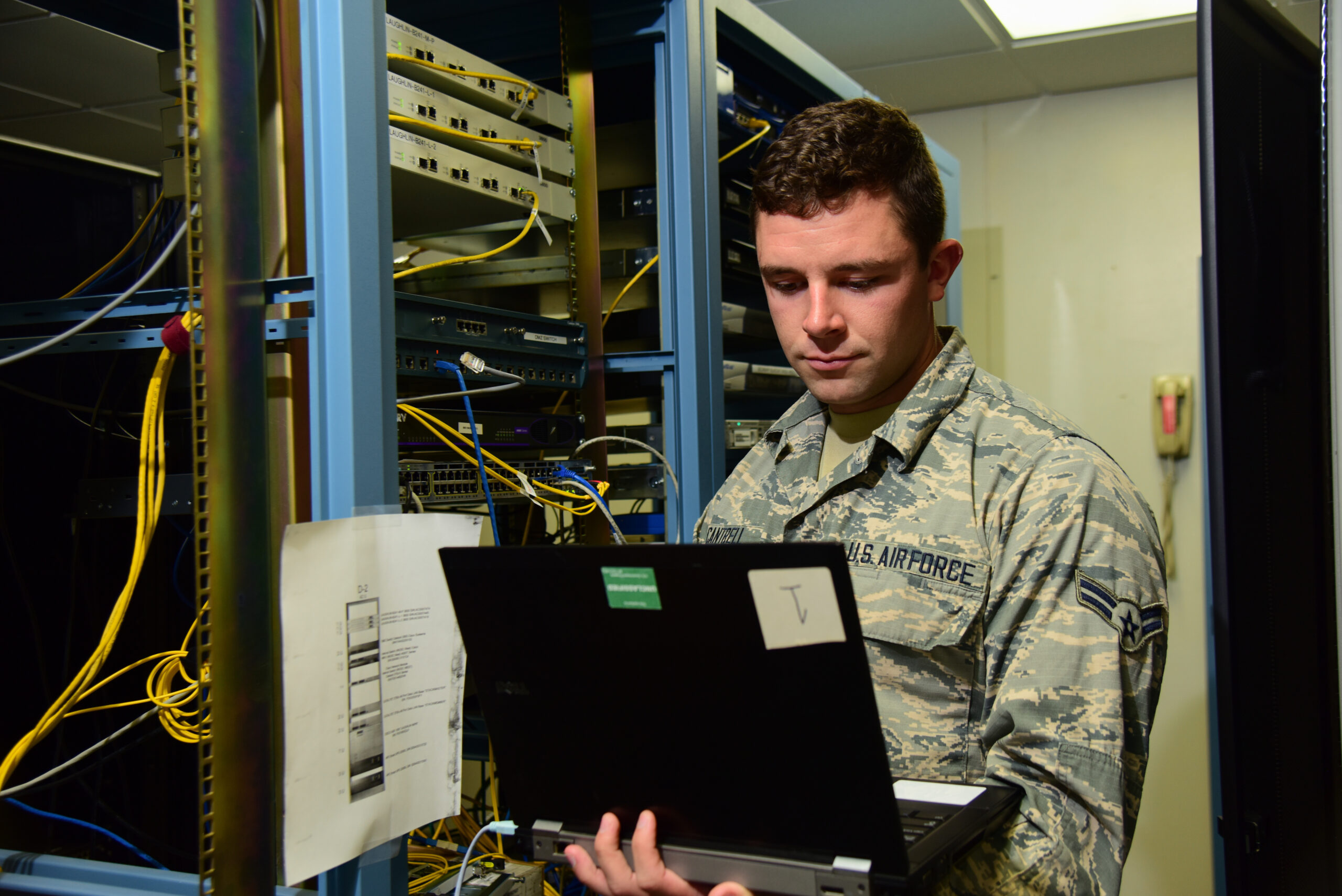
The experiment is expected to eventually lead to the wholesale replacement of the Air Force’s slow, cumbersome and ineffectual network with a modern, commercially procured one with improved speed, security and functionality.

Do more with less: streamline workflows, reduce duplication, invest upfront to save long-term.

As the Navy leans on the role of helicopters for an expanding surface fleet, modernized training for its helicopter pilots is essential.

DISA will offer industry multiple contract opportunities to provide third-party tools to defend against malware and Zero Day attacks.

Approximately 50 experts in cloud computing were responsible for selecting Microsoft for the JEDI contract, and were anonymous to prevent political influence from the White House.

“If you took all the bridging in NATO and put it together we couldn’t get a Brigade Combat Team across a 400-meter river," said the commanding general of the Army Corps of Engineers.