
In tiny Estonia, drones lead booming defense expansion
Estonian defense firms are projected to see $842 million in sales revenue in 2025, according to figures exclusively shared with Breaking Defense, representing a 347 percent growth since 2021.

Estonian defense firms are projected to see $842 million in sales revenue in 2025, according to figures exclusively shared with Breaking Defense, representing a 347 percent growth since 2021.
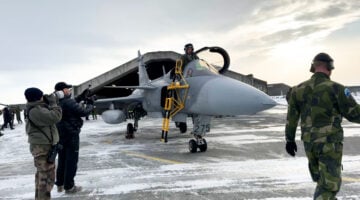
Deployment comes after Reykjavík adopted Iceland’s first-ever defense strategy in 70 years of NATO history.

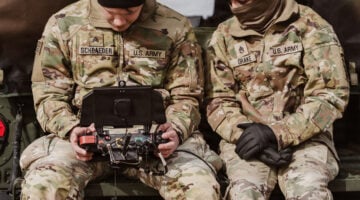
AI, autonomous systems, cyber, and EW converge as industry targets faster battlefield effects.
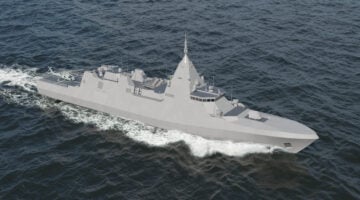
The partnership aims to bring together “a proven, export-ready design tailored to Sweden’s needs,” Saab’s spokesperson Ulrika Langels told Breaking Defense.

This marks a notable shift in Nordic defense acquisitions, which have traditionally relied heavily on European and American defense firms.

"I say that when we joined NATO, we are fully involved in all discussions, including those in Europe revolving around nuclear weapons," Prime Minister Ulf Kristersson said.
The decision reflects a shift in how Sweden’s military looks at air defense.


On today’s battlefield, mobility isn’t optional - it’s mission-critical.
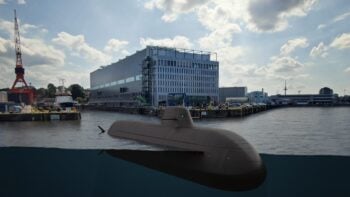
Oslo and Copenhagen have separately, and on the same day, confirmed significant additions to their naval forces, both aimed at strengthening surveillance and protection of undersea infrastructure and strategic maritime areas in the North European waters.
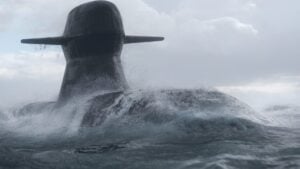
The deal for three submarines is expected to be a 10 billion Polish zloty ($2.52 billion) investment.
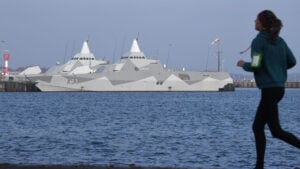
France's defense minister was in Stockholm today pitching Naval Group's offering.
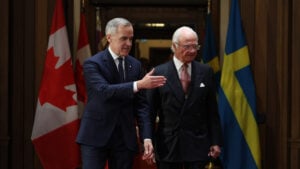
Sweden's king and queen joined the country's defense minister in visiting Canada this week as part of a broad push that included support of defense sales.


As global navies adapt to evolving underwater threats, ASELSAN’s integrated sonar, countermeasure, and sonobuoy solutions offer a scalable, future-ready approach.
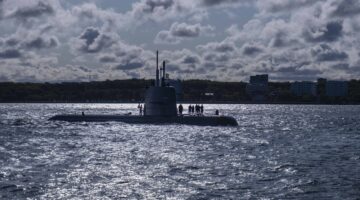
Sweden’s entry into NATO has dramatically shifted the formerly non-military aligned nation’s naval doctrine: no longer just defending its own shores, the Swedish navy now guards the alliance’s eastern flank.

"This is the beginning of a long journey, but it takes us one step closer to a major export deal for Saab and Sweden and Ukraine," the Swedish prime minister said.

“In an increasingly uncertain world, NATO needs a credible nuclear capability to prevent attacks against the Alliance. Steadfast Noon contributes to ensuring this,” Prime Minister Ulf Kristersson said in a written statement Friday.
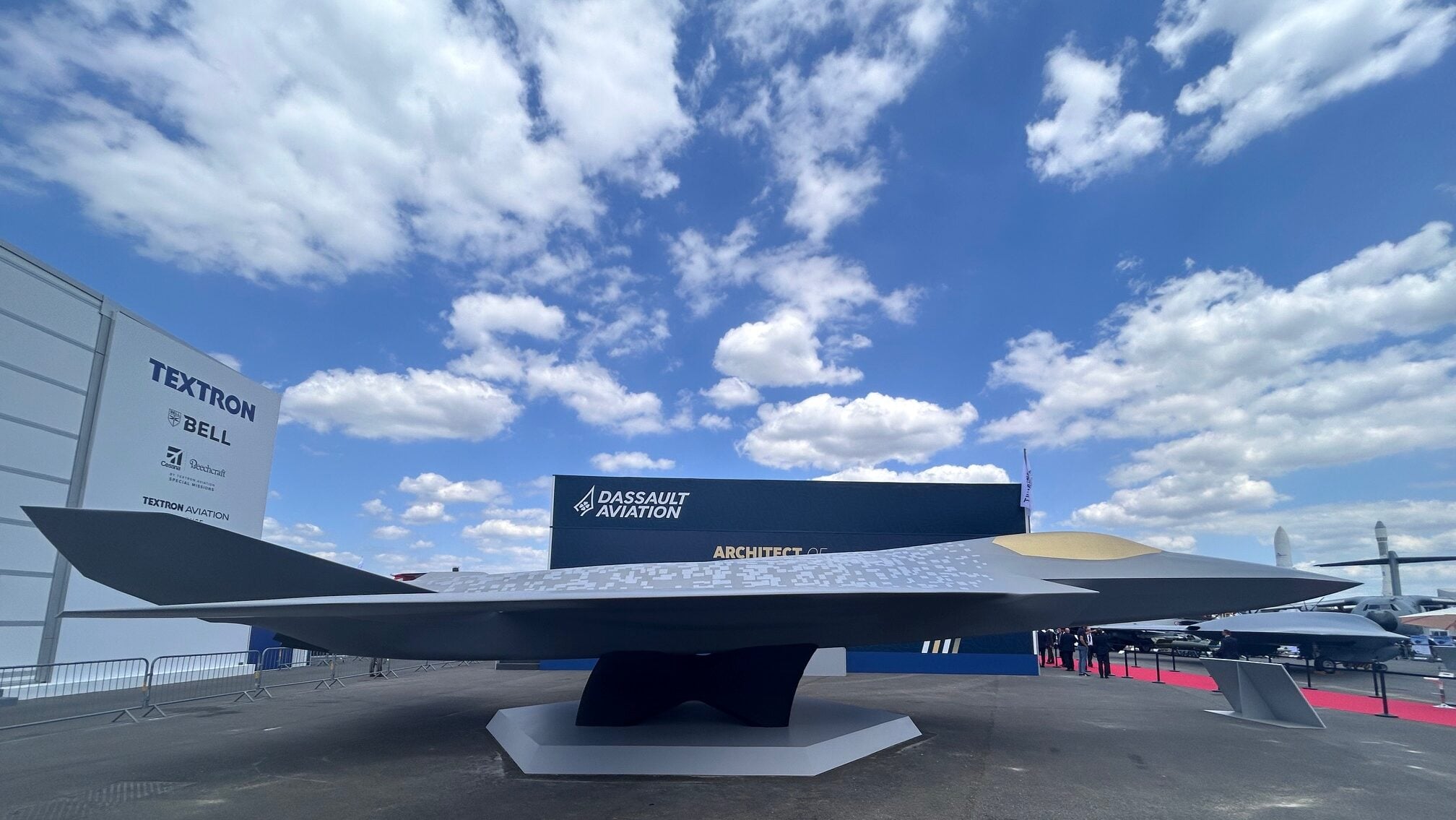
"A decision must and will be made regarding whether and how FCAS will continue” said German defense minister Boris Pistorius.