
Post success at The Hague summit, the real NATO work remains
Joshua Huminski in this op-ed explores next steps now that NATO allies have signed an agreement to spend 5 percent GDP on defense.

Joshua Huminski in this op-ed explores next steps now that NATO allies have signed an agreement to spend 5 percent GDP on defense.
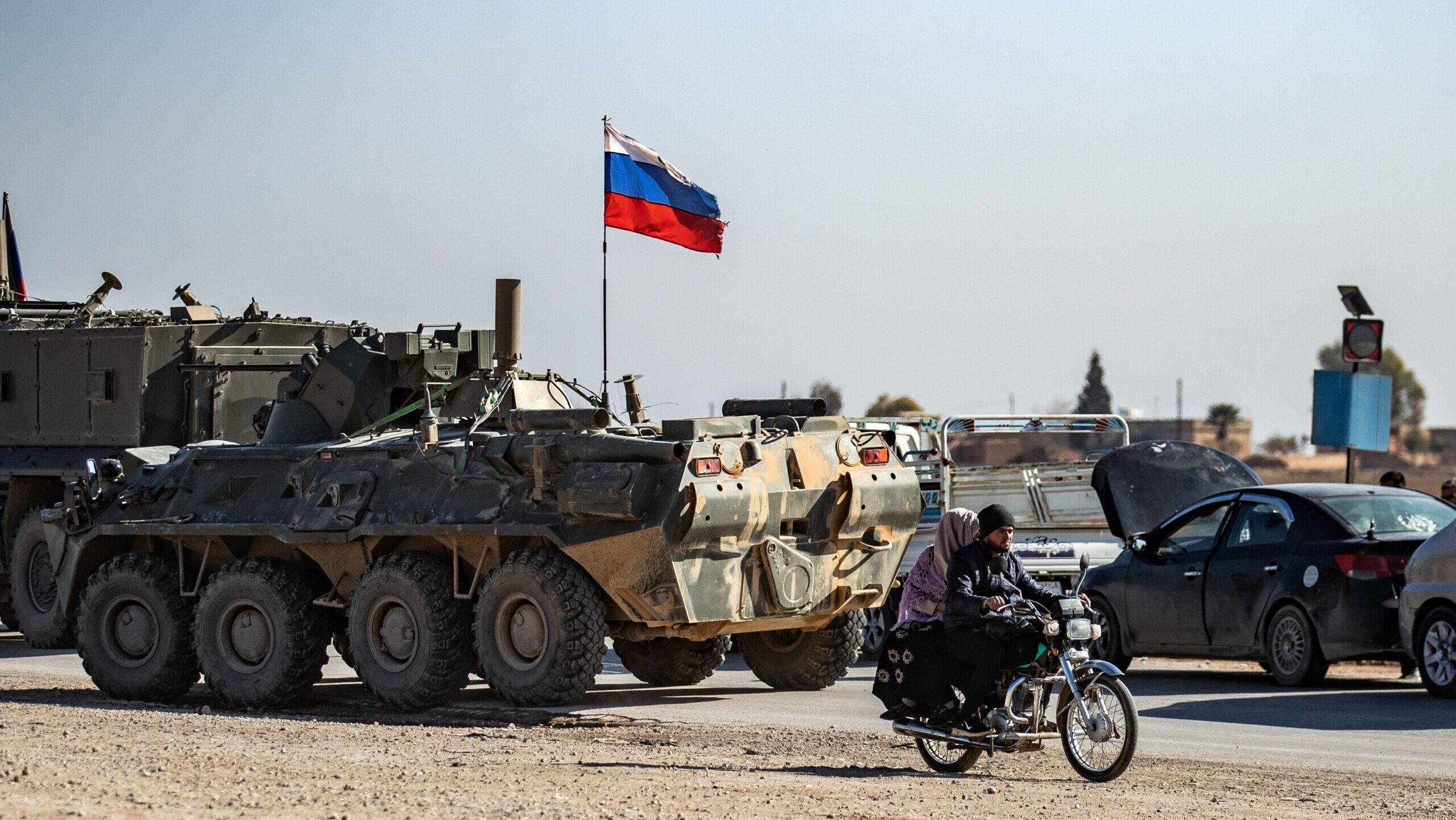
Russia’s failure to intervene as Bashar al-Assad’s regime fell may signal less about the Kremlin’s weakness than its cold strategic calculus.


The Network Tactical Common Data Link system enables secure comms and ISR for carrier strike groups and their air and naval assets.
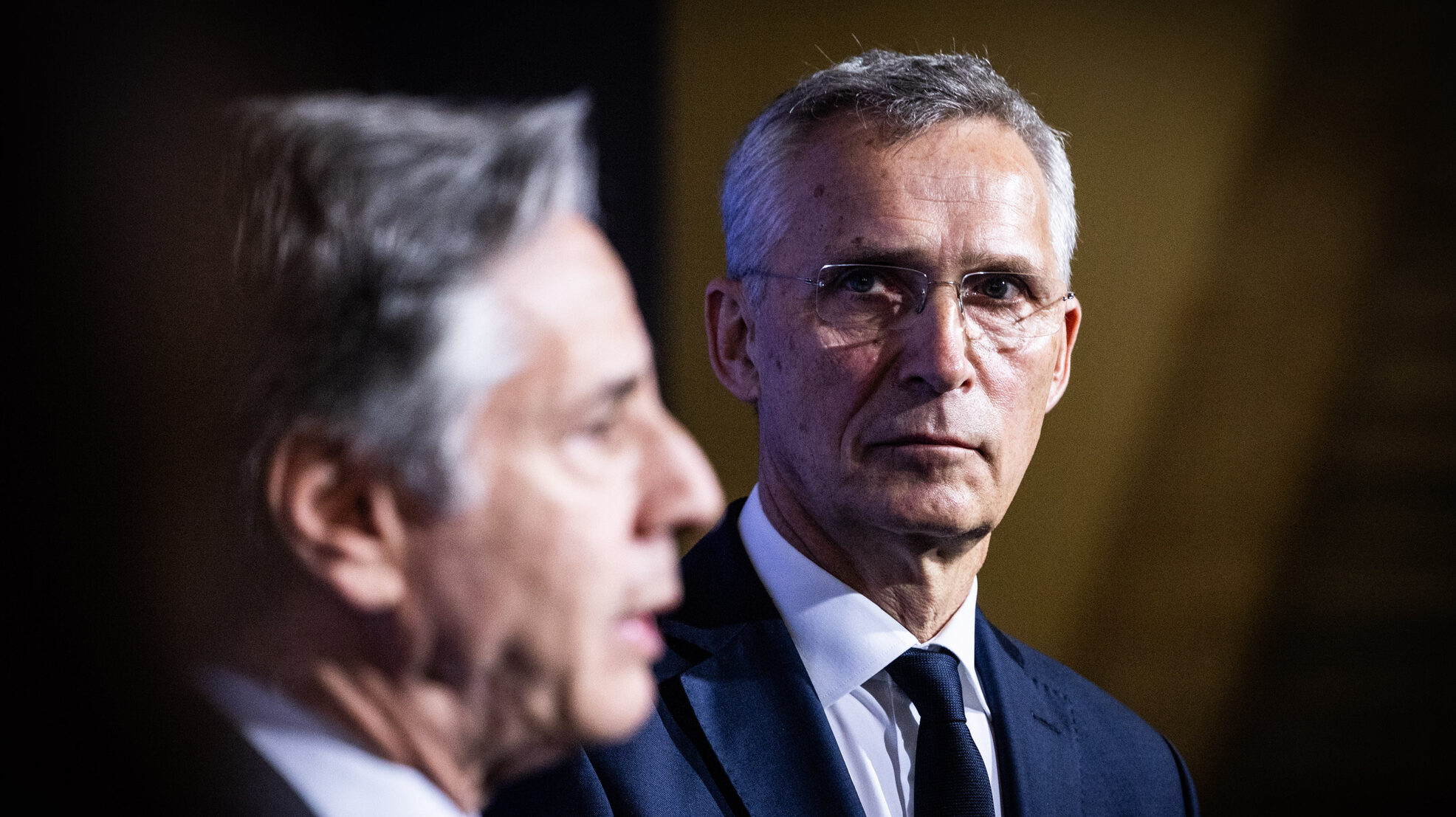
In this op-ed analyst Joshua Huminski lays out what officials should focus on during one of the most crucial meetings in the alliance’s history.
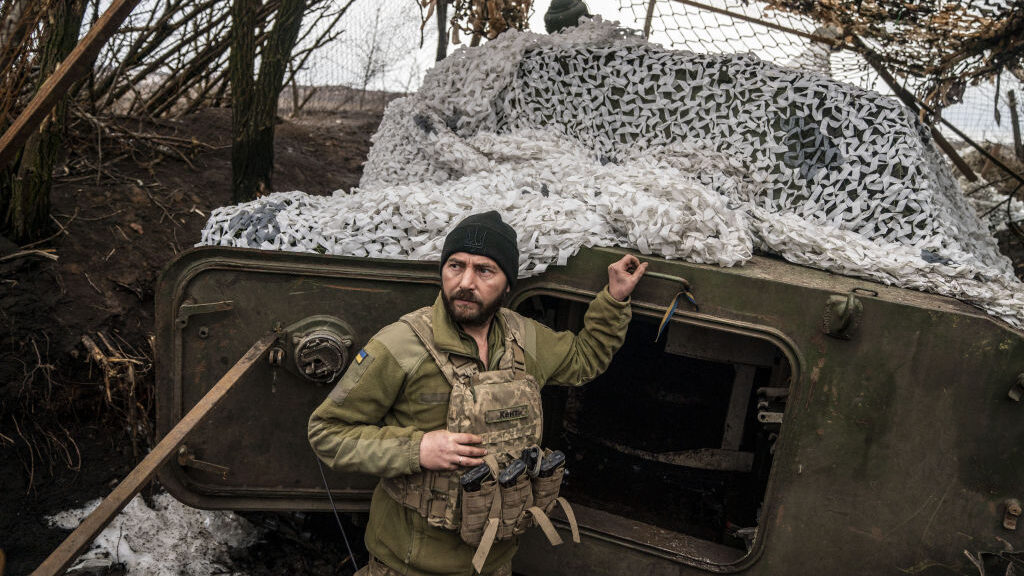
Analyst Joshua Huminski asks, "What, in the end, is the balance Kyiv is willing to strike between what it wants to achieve (and at what cost) and what it actually can?"

CSPC's Joshua Huminski argues in this op-ed that with the war still raging, it's not too early to push Western investment in Ukraine's defense industrial base.

Analyst Joshua Huminski argues the US should push Europe to become more independent in the defense space, even at the expense of American defense contractors and American influence on the continent more generally.


On today’s battlefield, mobility isn’t optional - it’s mission-critical.

The Center for the Study of the Presidency & Congress's Joshua Huminski argues that while it's good that the US is learning from the war in Ukraine, it must be selective in what it applies more broadly.
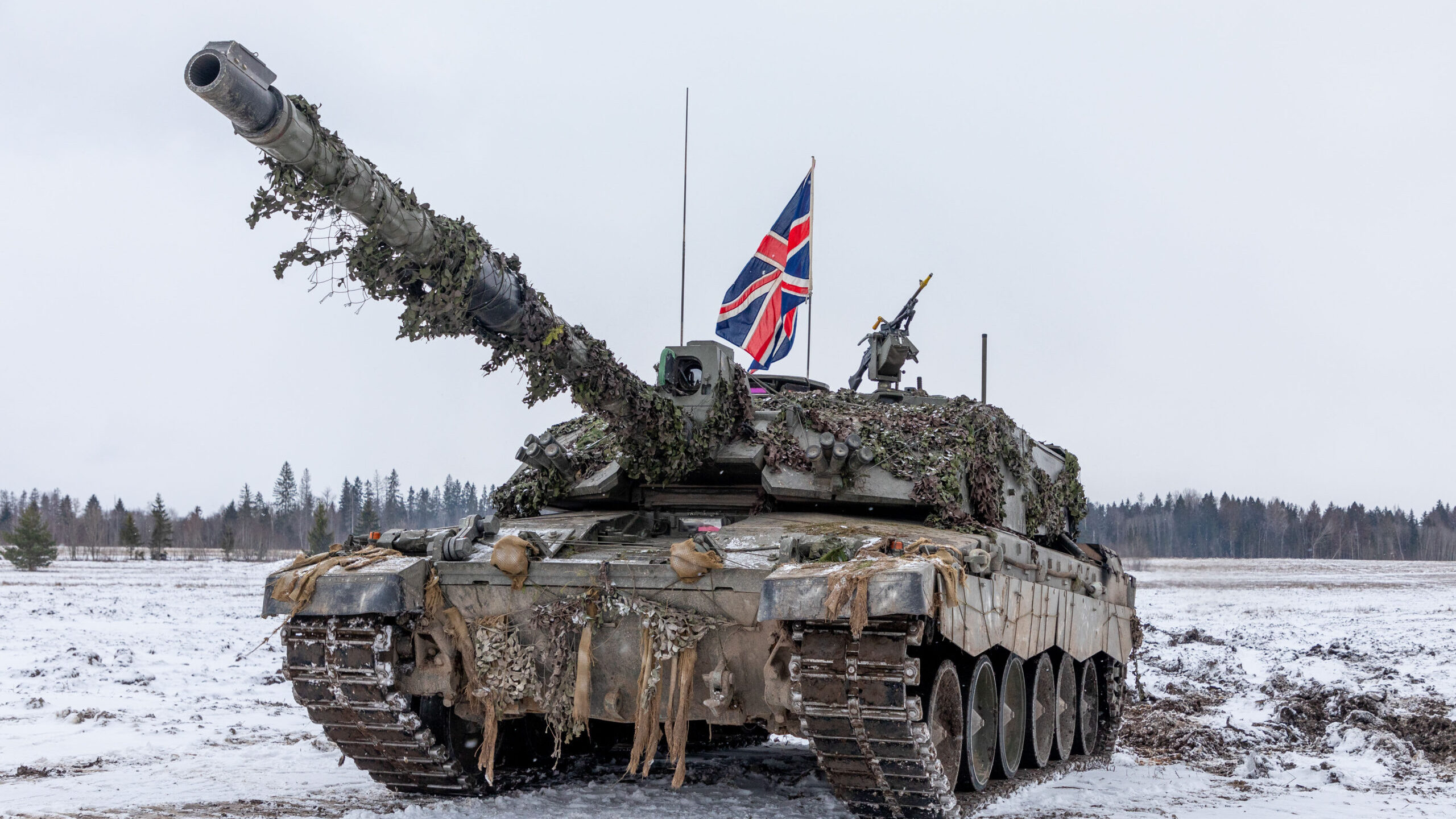
Joshua Huminski, director of the Mike Rogers Center for Intelligence & Global Affairs, sees prudence in the UK's most recent strategic review, though challenges loom.
More than lofty promises, pragmatic realism is in Britain’s best interest, writes analyst Joshua Huminski.

The US and other NATO nation's must pursue a dual-tracked strategy of weapons procurement in the wake of Ukraine: both traditional arms and new gadgets proving to be effective.


Midsized companies can offer flexibility and agility while keeping intellectual property in the hands of the government.
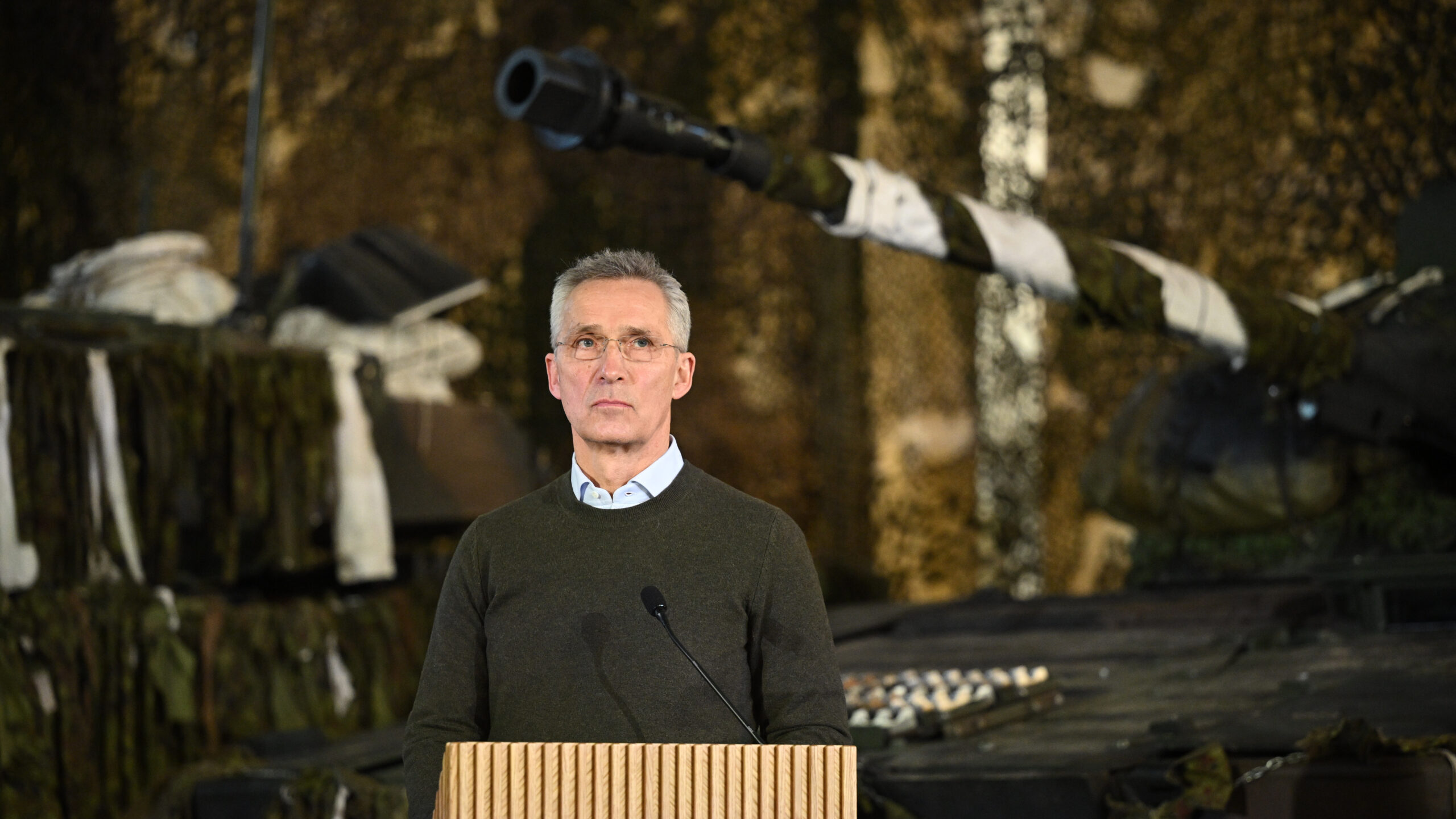
"Now is the moment to consider what changes may be needed to ensure the alliance is strong, healthy and focused on its core task of keeping alliance members out of Russia’s grasp," writes Joshua Huminski of the Center for the Study of the Presidency & Congress.

The second moon race is on, and the US needs better eyes in the sky and coordination on the ground, writes Mike Rogers Center for Intelligence & Global Affairs Director Joshua Huminski.

Usually a tool to inform policy, the US government used intelligence itself for strategic effects – which could have implications for the future of conflict and diplomacy, writes Joshua Huminski.

As the Ukraine conflict enters a new phase, Joshua Huminski says it’s time to examine questions about the end game and how to get there.