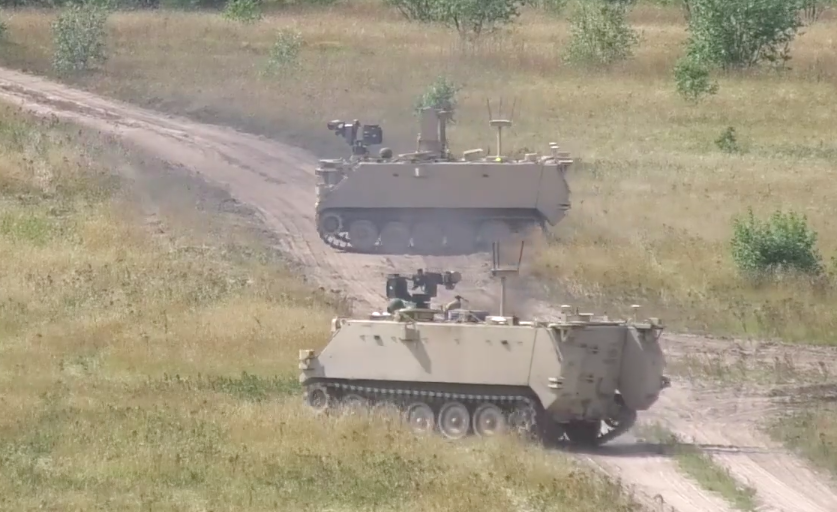
Army Robots Go Rolling Along – Ahead Of Schedule
Industry’s prototype Robotic Combat Vehicles are proving more capable than the Army expected, Brig. Gen. Richard Ross Coffman told me: “It is really exciting.”

Sydney J. Freedberg Jr. has written for Breaking Defense since 2011 and served as deputy editor for the site's first decade, covering technology, strategy, and policy with a particular focus on the US Army. He’s now a contributing editor focused on cyber, robotics, AI, and other critical technologies and policies that will shape the future of warfare. Sydney began covering defense at National Journal magazine in 1997 and holds degrees from Harvard, Cambridge, and Georgetown.
Industry’s prototype Robotic Combat Vehicles are proving more capable than the Army expected, Brig. Gen. Richard Ross Coffman told me: “It is really exciting.”

But building a global 3D terrain database will require wrangling huge amounts of data, Maj. Gen. Maria Gervais told us.

Breaking Defense Europe will launch May 4 with Tim Martin and Elisabeth Gosselin-Malo as co-editors.
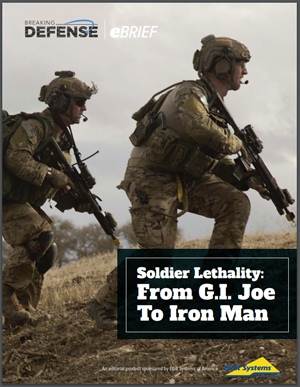
The American Soldier is evolving from low-tech grunt to high-tech warrior. For decades, the infantry have gotten the least investment in new equipment. Now that’s changing. 
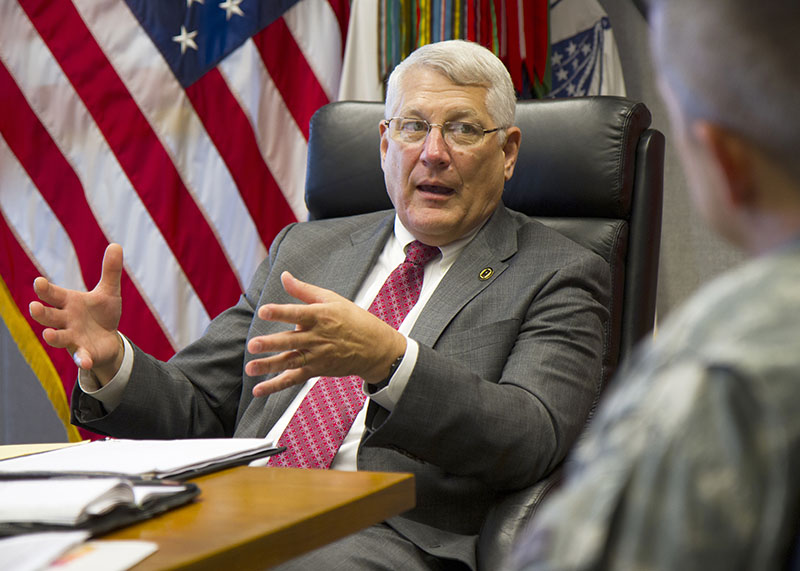
“The last few years have been quite good for the association's annual meeting and for the Army,” the AUSA president told us, but “I'm very, very worried” about the 2020 budget.

The services are collaborating as never before, officials said, as they outsource non-combat networks through new "IT as a service" contracts.
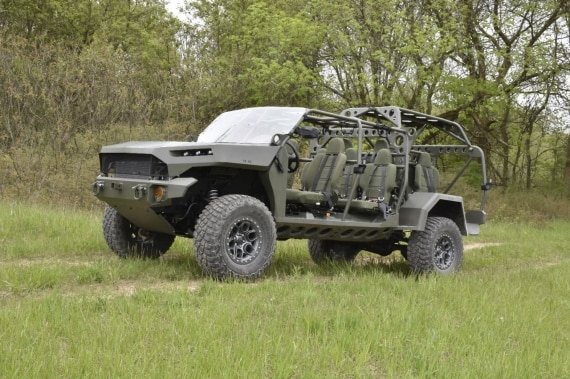
Auto giant General Motors is the outsider in a competition against two teams of companies with decades of defense experience: Oshkosh-Flyer and Polaris-SAIC.


The Sixth Domain is not defined by geography. It’s a new kind of conflict in which autonomy and networked systems allow thousand-dollar consumer electronics to destroy multi-million-dollar conventional weapons systems.
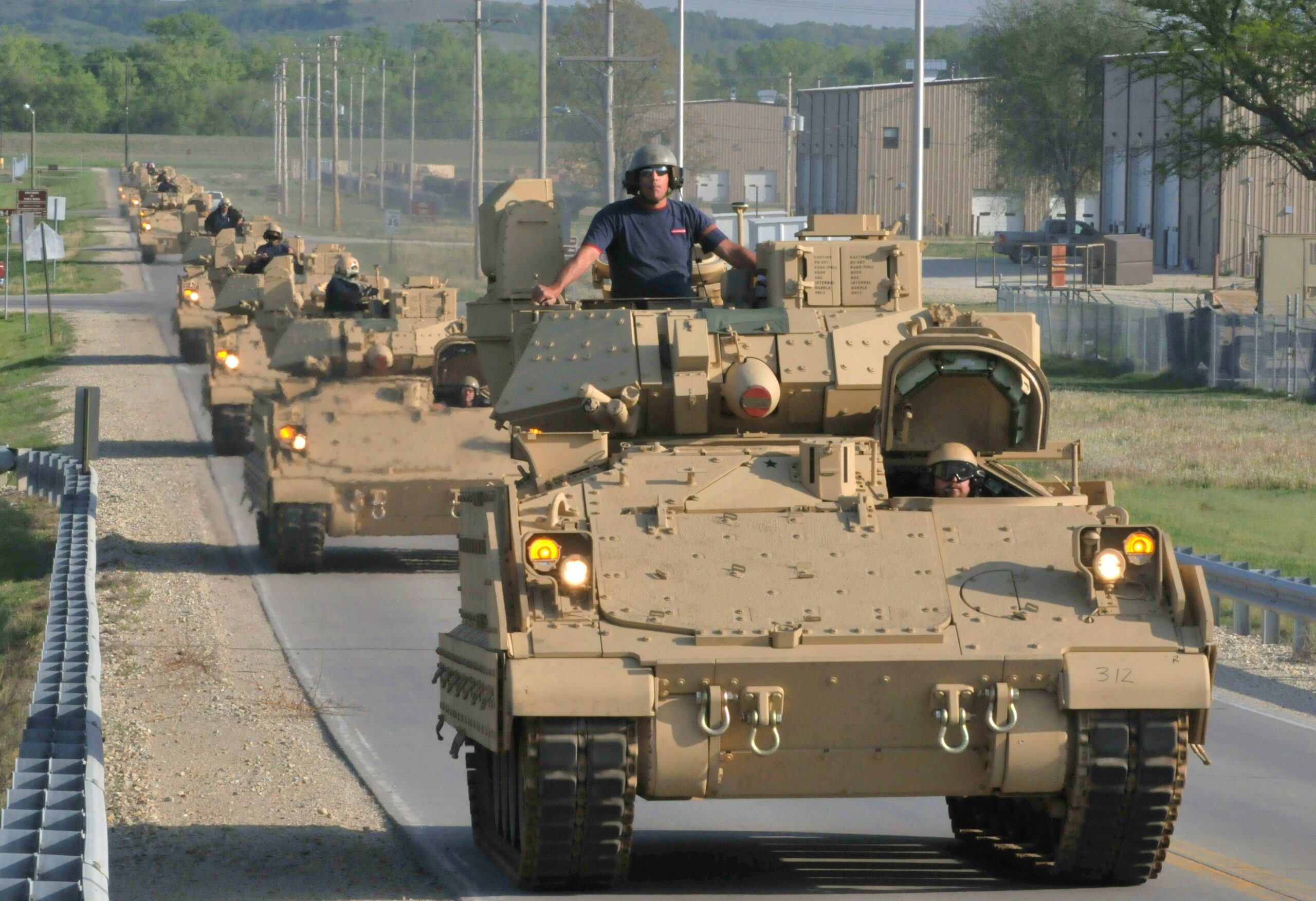
With the surprise disqualification of the Raytheon-Rheinmetall Lynx, the Army has effectively left itself with one competitor for the Optionally Manned Fighting Vehicle, General Dynamics -- unless the Pentagon or Congress intervene.

A new policy orders organizations across the Army to embrace advanced manufacturing to “fundamentally change” both modernization and readiness.
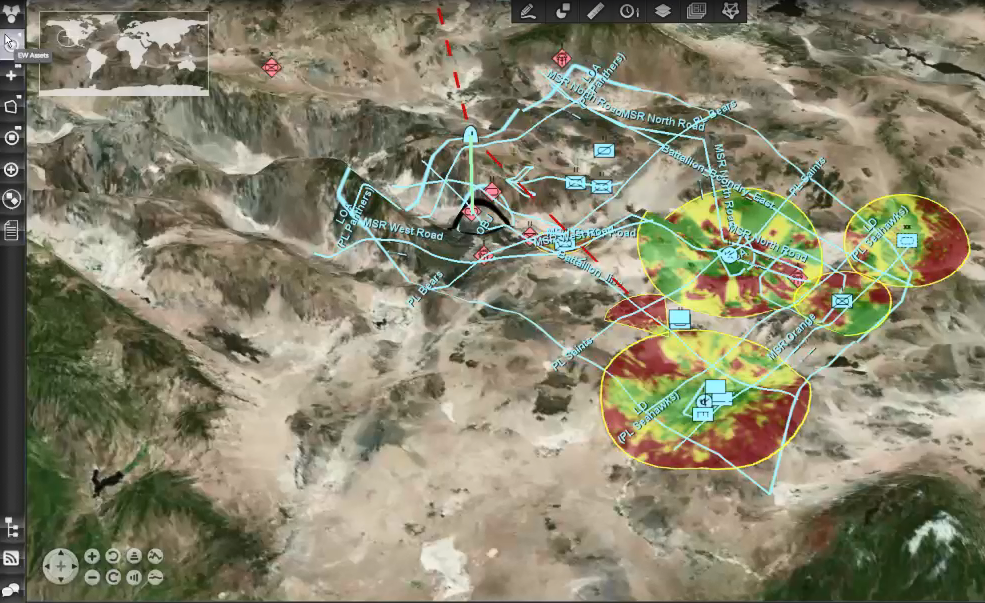
With the new Raytheon software, the Army will no longer be fighting blind against enemy radio jamming — but its own jammers to strike back remain years away.
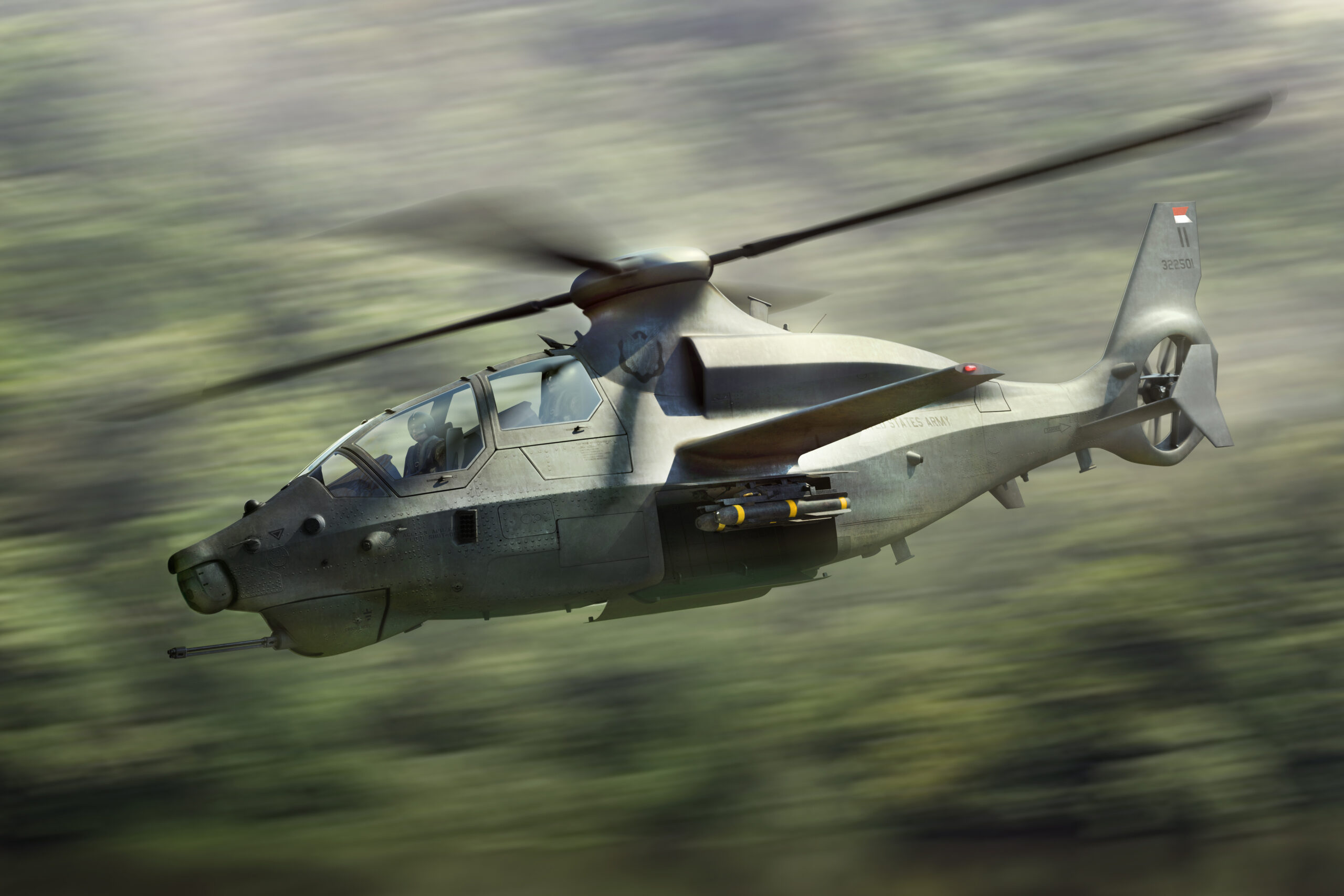
With its trademark tiltrotors too big for the Army’s FARA requirement, Bell is squeezing every ounce of performance out of a helicopter. Will it be fast enough?

As threats rapidly evolve, digital engineering, manufacturing capacity and robust supply chains are critical to meeting challenges.

If you count next year’s budget, the president will be actually selling himself short. But his other superlatives are not justified.

Subtle, significant differences in what the two men said about foreign allies reveal one of the potential fault lines between Trump and Milley.

It’s not all about AI and software. You need hardware compact enough -- and secure enough -- to deploy into a war zone.
The Joint Artificial Intelligence Center won't automate nuclear response -- but it is working towards AI on conventional weapons and leery of arms control.