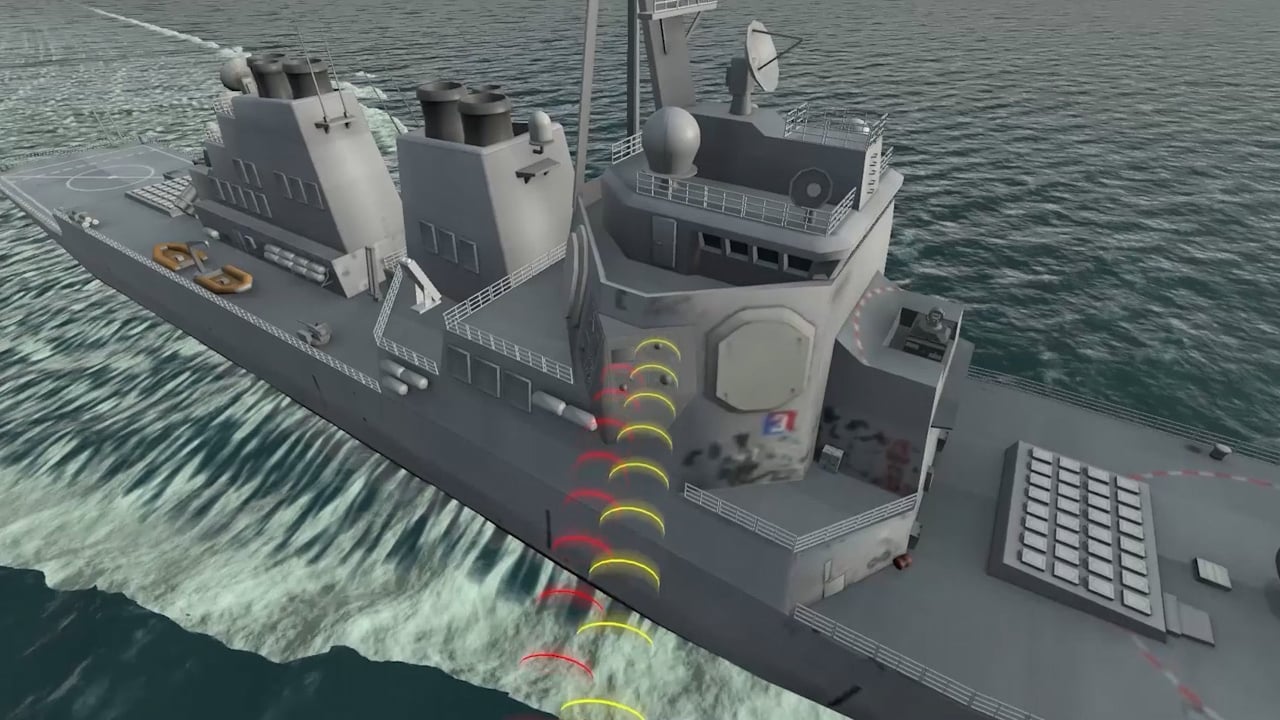
Naval sensors to surveil and attack in the modern battlespace
These expeditionary systems provide new layers of defense against evolving threats and enable non-kinetic attack.

These expeditionary systems provide new layers of defense against evolving threats and enable non-kinetic attack.

Throughout his 26 years at Lockheed Martin, Scott has largely held positions in the finance realm, including as the company’s treasurer and as chief financial officer of two business units.


Do more with less: streamline workflows, reduce duplication, invest upfront to save long-term.

“We’ve got protection in our contracts from tariffs,” one defense industry executive told Breaking Defense. “There are fixed priced contracts that that would hurt on, but for the most part, we’re not super worried about it, to be honest.”

“The 360-degree XR environment allows engineers to assess the health of a platform, regardless of where the fleet is located,” according to a statement from the companies.

Hung Cao, a retired Navy officer, has been nominated to become the under secretary, but has yet to be confirmed.

Networks reporter Carley Welch joins the show to explain Defense Secretary Pete Hegseth's big IT cuts. Then naval reporter Justin Katz talks Sea Air Space.

Government can’t stop to update systems, so modernization has to happen without interruptions.

The service wants a ship that can be launched within three years of a contract award being issued, according to a recent request for information.

The three countries, working together, are "arguably the grouping best suited to deliver tangible results when it comes to the balance of military power in the Indo-Pacific," a new report argues.

The changeover at the White House and the firing of senior officers could be felt at this year's Sea Air Space exposition.

“The reality is, we're already doing AUKUS Pillar II stuff with many of our allies and partners,” Vice Adm. Rob Gaucher, the US Navy’s top submariner, said.


As threats rapidly evolve, digital engineering, manufacturing capacity and robust supply chains are critical to meeting challenges.
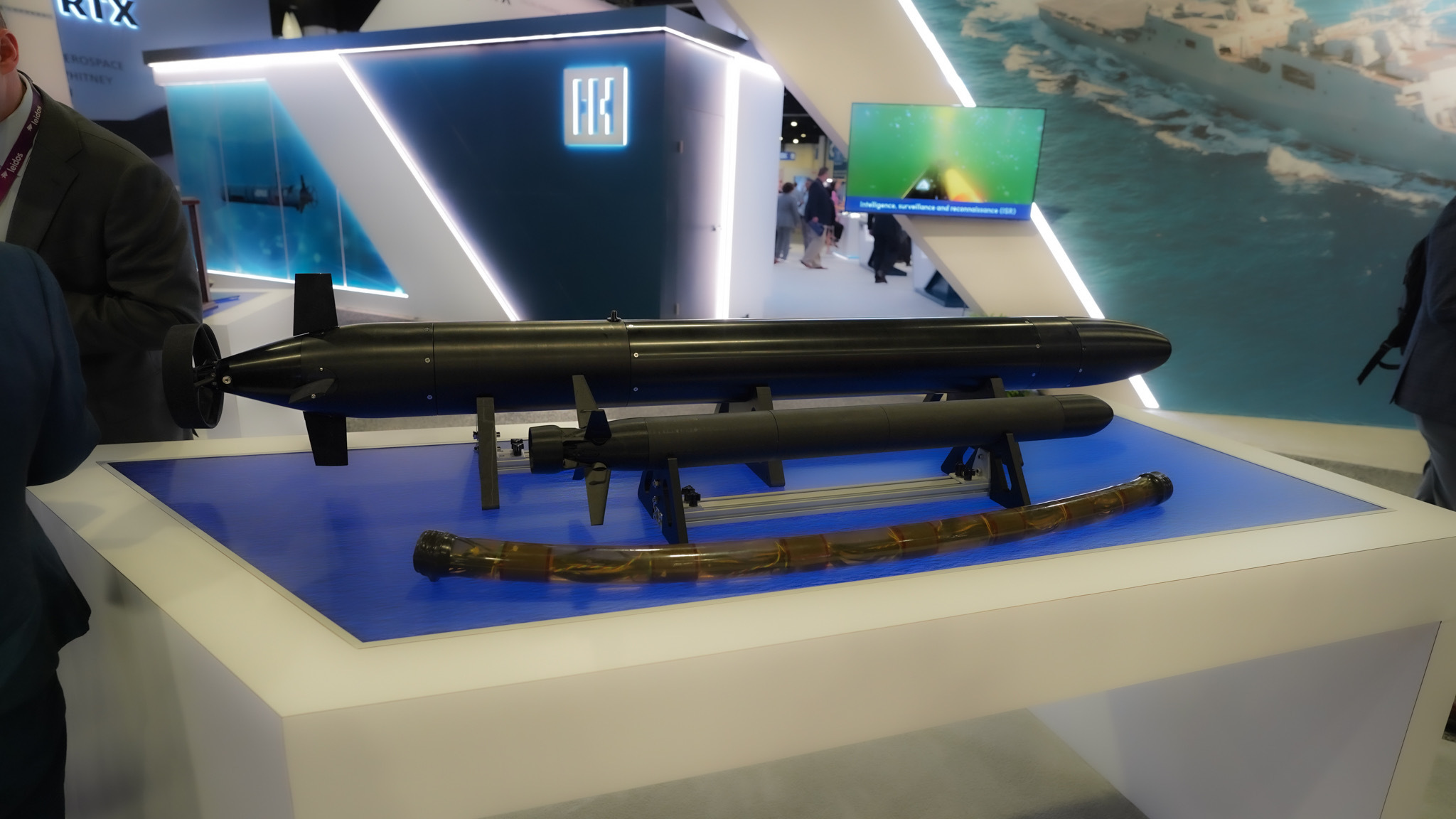
The Sea Dart starts at around $150,000, a Leidos official told Breaking Defense, and works with various payloads and software packages.
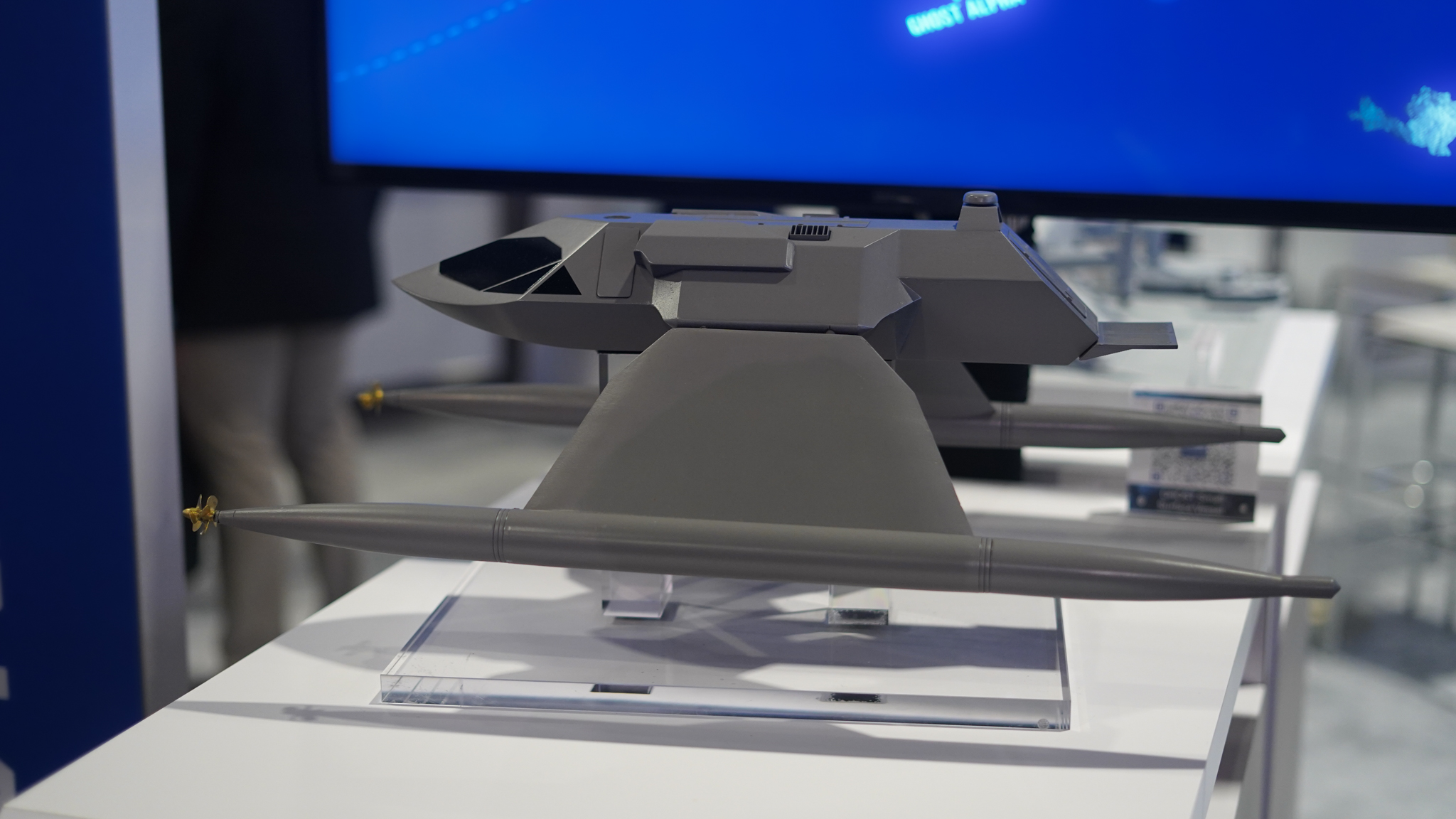
A selection of photos from day three of Sea Air Space.

Editor-in-Chief Aaron Mehta and Naval Reporter Justin Katz discuss the three-day Sea Air Space conference and share their big takeaways in this video.

The new Executive Order, signed by President Donald Trump today, gives the Pentagon 90 days to review all of its major defense acquisition programs and compose a list of poor-performing programs for potential termination.