
Rheinmetall announces 155mm ammunition mega order from Germany
“The order is primarily intended to increase the stocks of the German Armed Forces and its allies and to support Ukraine in its defensive struggle” said the German manufacturer.
“The order is primarily intended to increase the stocks of the German Armed Forces and its allies and to support Ukraine in its defensive struggle” said the German manufacturer.

Northrop’s coproduction agreement is the first publicly acknowledged deal between a US defense prime and the Ukrainian government for a manufacturing project inside Ukraine.


On today’s battlefield, mobility isn’t optional - it’s mission-critical.
"The establishment of the ... ammunition factory in Lithuania will reduce our dependence on long supply chains, which currently pose great challenges in meeting the needs of the armies throughout the European Union and the world," said Laurynas Kasčiūnas, Lithuania’s Minister of National Defense.

The contracts are going to France’s Nexter Munitions and Germany’s Junghans Microtec for 155mm rounds, a desperately needed ammo type in Ukraine and one NATO nations are looking to fill their own stocks.

The Army spent 2023 looking for ways to refill its weapon stockpiles, preparing for future conflicts and welcoming a new chief.
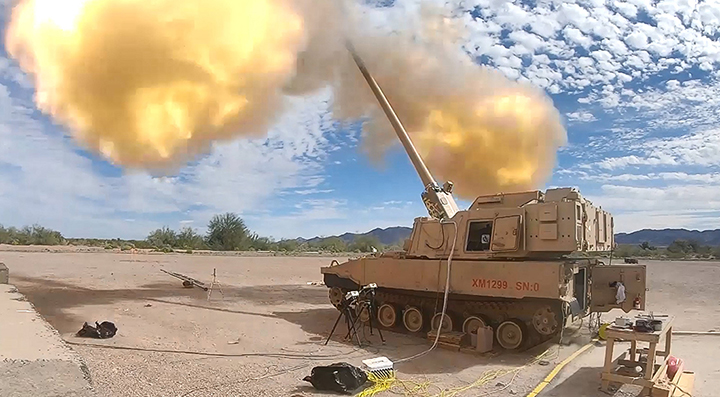
“If the… 58-cal cannon solution can't deliver on a timeline we want, what are the other options? That can be munitions…new munitions with old cannons and it can be different cannons,” said Army acquisition head Doug Bush.


The MQ-9B and Gambit Series represent parallel capabilities that address global challenges for security head-on.

“If we have to do like most of America does, and tighten our belts a little bit, we may have to push a project or two to the left,” Marion Whicker, Army Materiel Command’s executive deputy to the commanding general, told Breaking Defense.

Morten Brandtaeg, CEO of Norway’s Nammo, said that 10- to 15-year production contracts should be agreed “because that’s what it takes” to sustain industry investments.
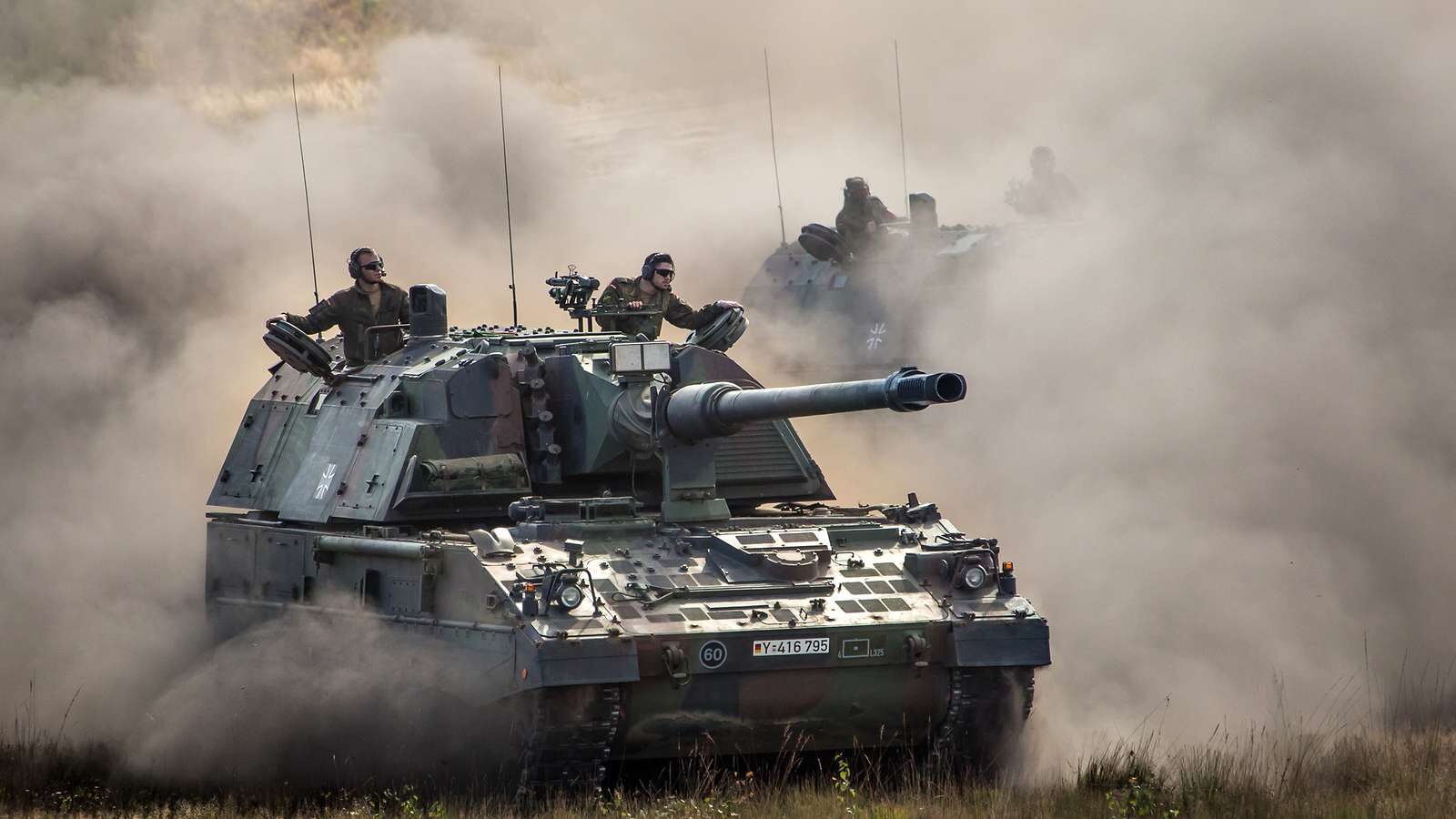
The 155mm rounds have been procured for loading on French Caesar, Polish Krab, German Panzerhaubitze 2000 and Slovakian Zuzana self-propelled howitzers.
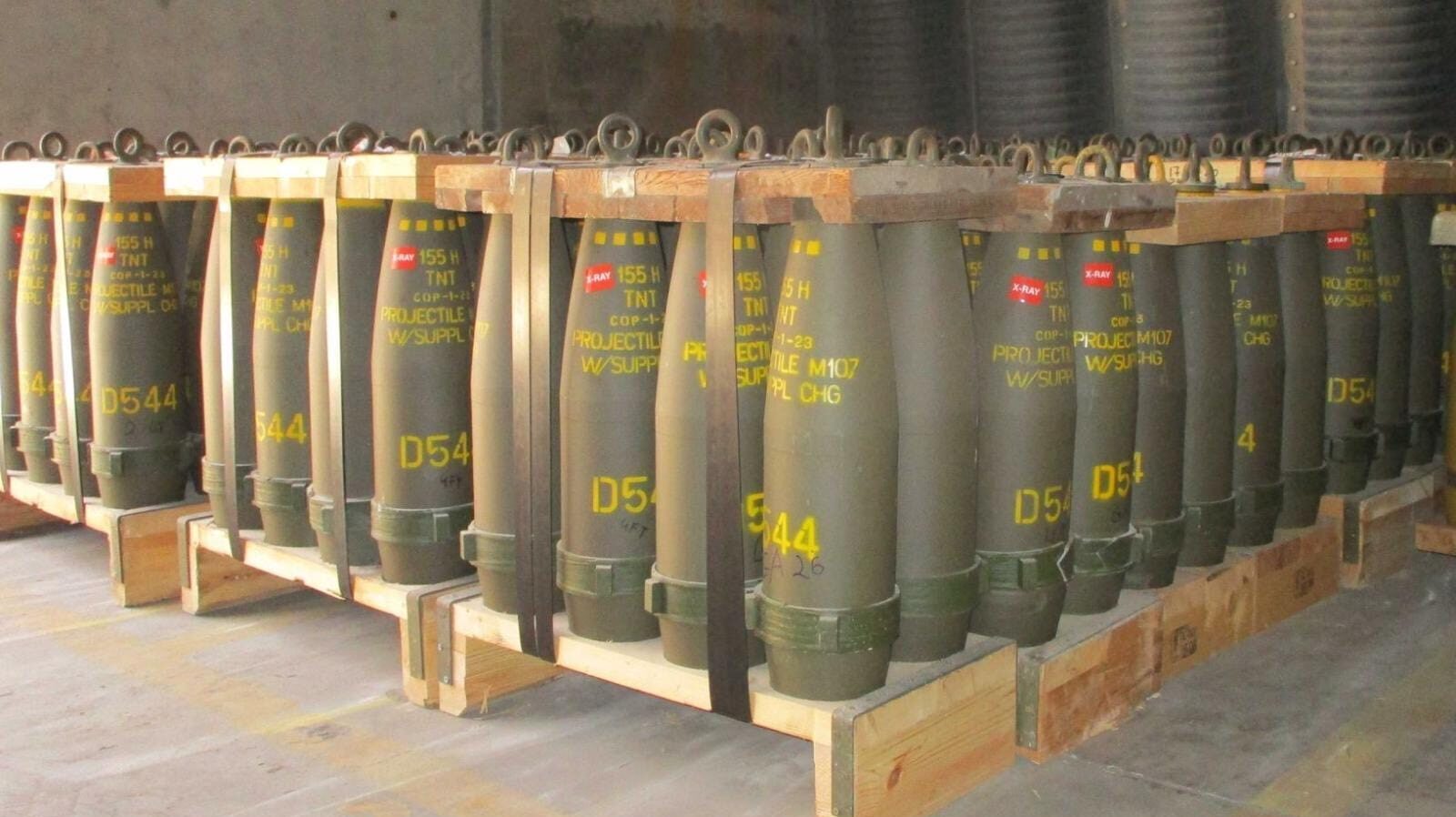
The $60 million deal with Israel's Elbit Systems comes months after the US reportedly pulled 155mm shells from pre-positioned stocks in Israel.


Partnerships with outside industry are a cornerstone of the kingdom’s ambitious growth strategy.
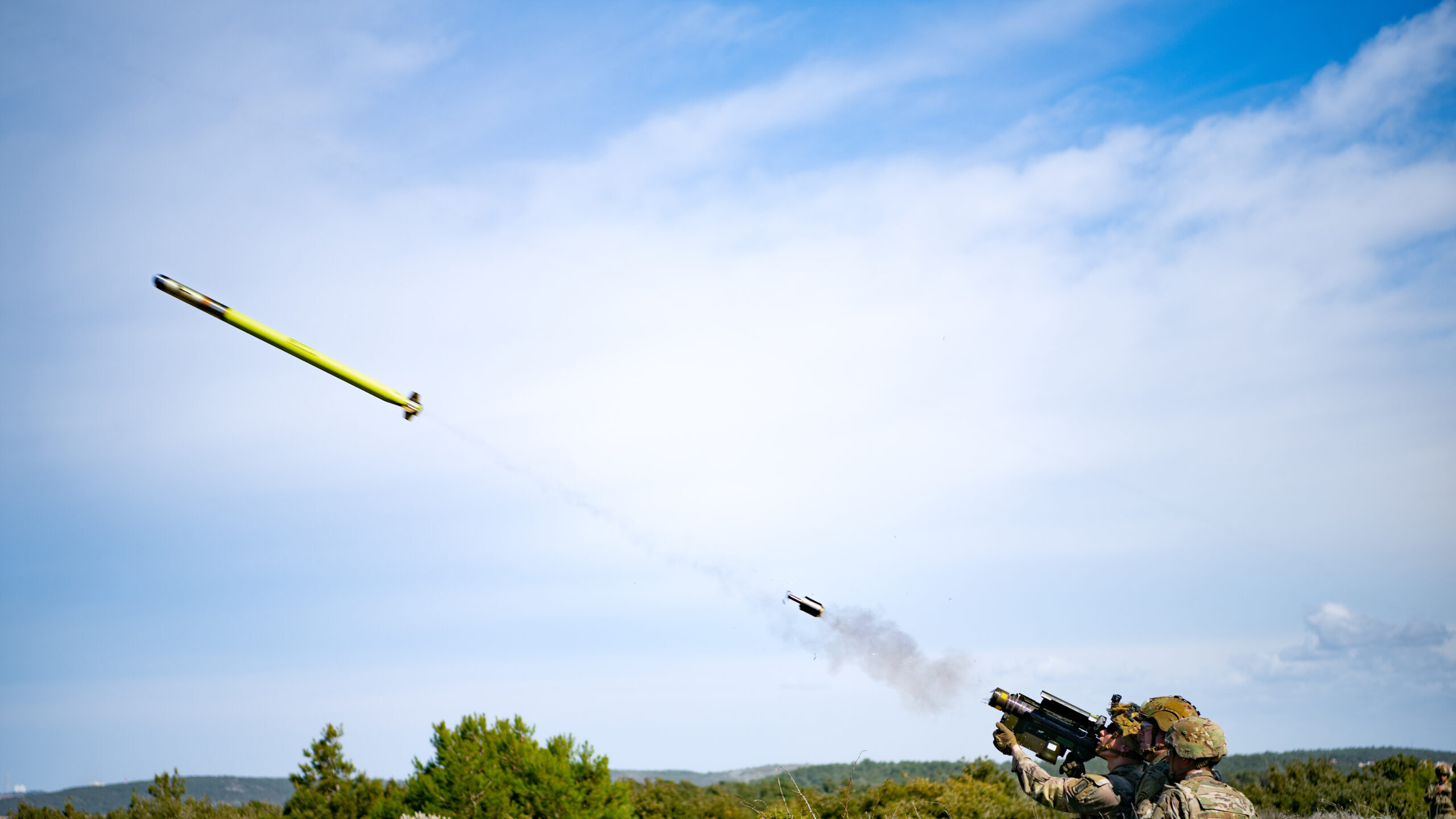
“So we don’t have nearly what we had at the heart of the Cold War. Now you add that we’re giving a lot of munitions away to the Ukrainians — which I think is exactly what we need to do — but now we’re getting dangerously low and sometimes, in some cases even too low that we don’t have enough,” said Gen. James Hecker.

Kyiv’s call for 350,000 artillery shells a month shows demand has effectively doubled since a Ukrainian official said in June that its armed forces were expending between 5,000 to 6,000 artillery rounds a day.