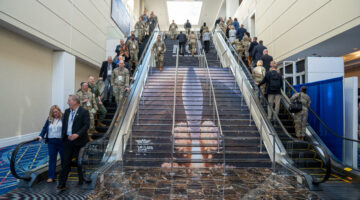
Rocket engines, helmet displays and ground robots: Last looks from AFA Day 3
Here are some parting sights from across the show floor at this year's conference.
Here are some parting sights from across the show floor at this year's conference.

"Space Operational Energy is a growing focus for us. We hope to host industry days and create avenues for collaboration with industry partners in the near future," an Air Force spokesperson told Breaking Defense.

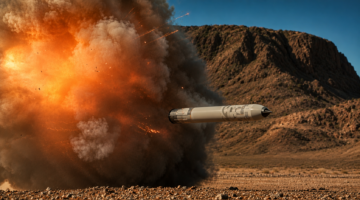
The goal of such weaponization is to tie warfighter needs to the RDT&E cycle.

Meanwhile, the Air Force Research Laboratory is gearing up to launch its experimental cislunar monitoring satellite, called Oracle Prime, next year.

The move widens Intuitive Machines' past focus on the Moon to the space market closer to Earth.

The Air Force Research Lab’s award to the NYC-based startup is also a vote of confidence in the idea of using quantum particles for secure communications — an idea of which the NSA has long been skeptical.

Vulcan's heaviest version, which will use six solid rocket motors, still awaits Space Force certification.

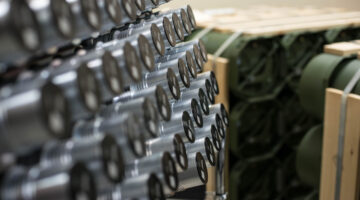
APKWS® laser‑guidance kit provides reliable precision‑guided munitions across missions and platforms, delivered quickly to meet evolving operational demands.

HSA is aimed at creating a "hack-proof" internet in space comprising commercial and government SATCOM birds to underpin the Defense Department's Combined Joint All Domain Command and Control concept to link sensors and shooters in real time.

“This will be a next-generation capability being introduced by Ursa Major for hypersonic technology,” Ursa Major CEO Dan Jablonsky told Breaking Defense.

The deal gives AFRL scientists access to manufacturing tools developed by PsiQuantum and GlobalFoundries, allowing them to build experimental designs for barium titanate chips that use particles of light instead of electricity.
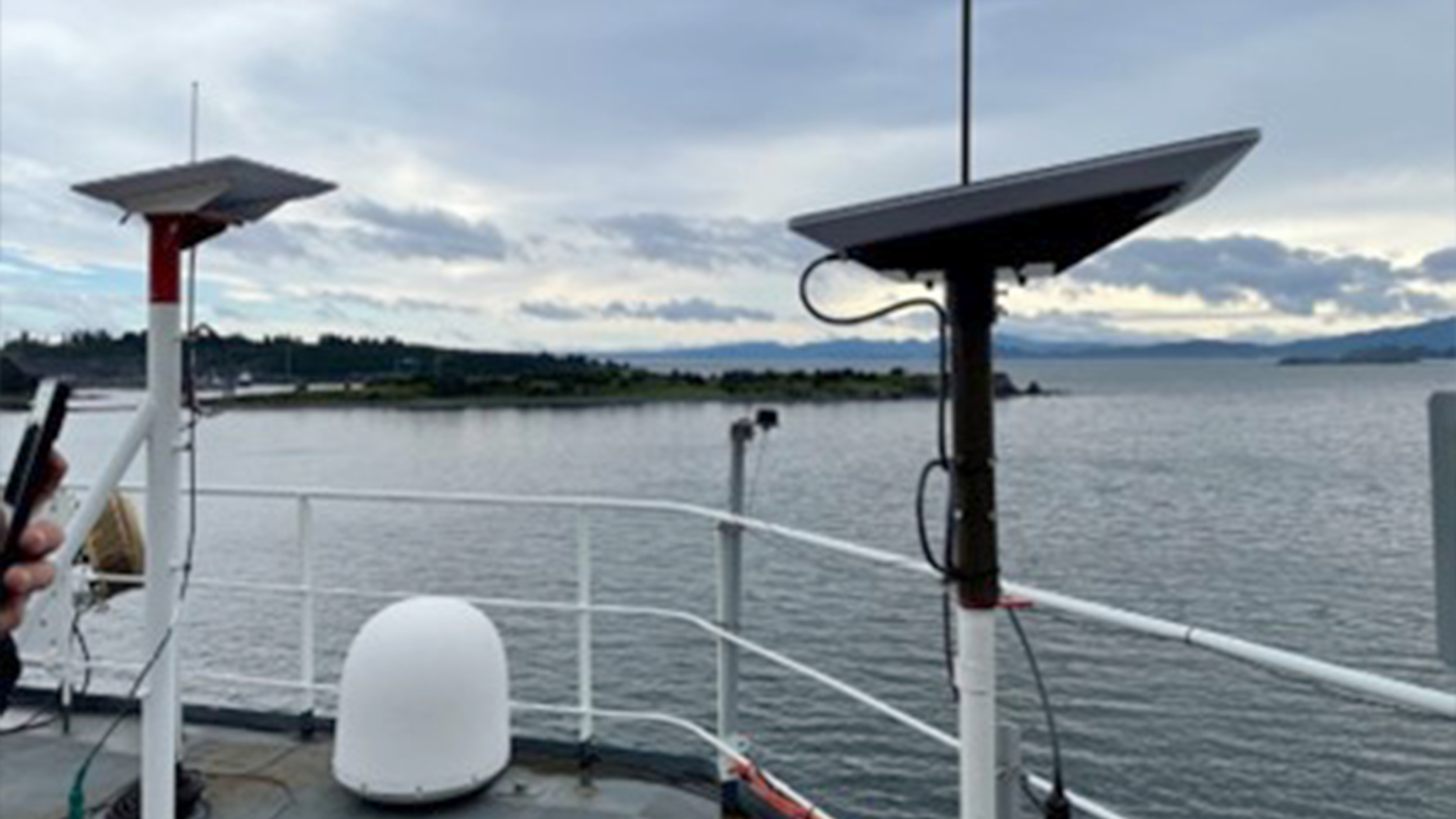
"The expectation is that we will bounce between those constellations in the same flight, so we'll move between them. Now, I don't think anybody should be guaranteeing that on flight one," said AFRL's head engineer for Global Lightning Brian Beal. "We're going to improve as we go and get to that, but that is the goal of the program."

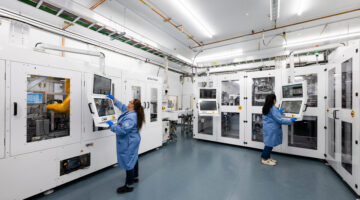
Lithium-metal batteries are one way to break the weight and endurance limits of today’s unmanned systems.
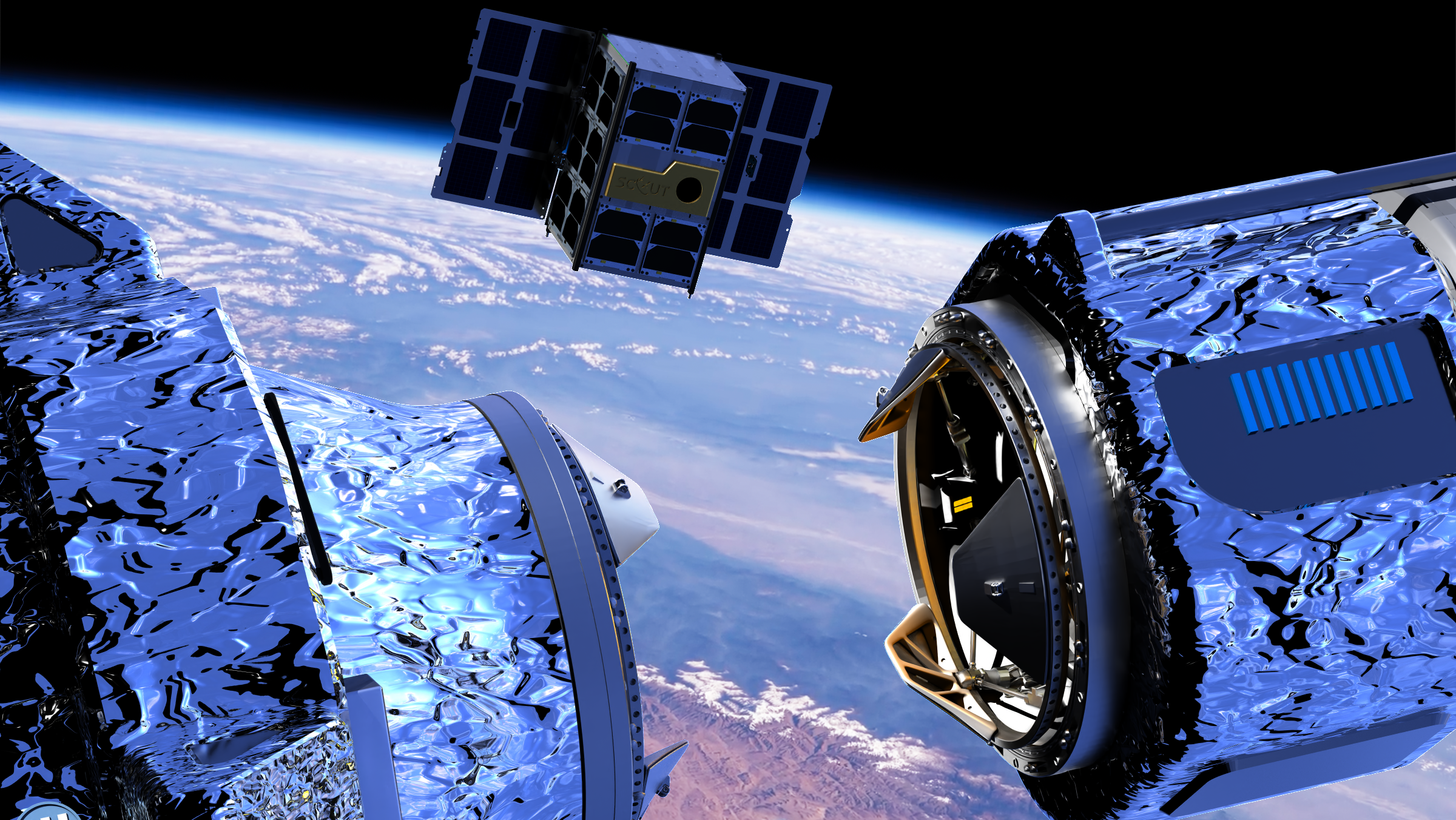
The BRIDGES project is Scout's first with DARPA, but the company's SDA-related software and hardware — including its "plug and play" optical sensor packages designed as hosted payloads — already have caught the eye of Space Force officials.

AFRL's fiscal 2025 budget plans show that the lab hopes to complete testing of the capability to air-drop cargo pallets down from Starship during FY25, and to launch a demonstration flight to "transport 30 to 100 tons of cargo to an austere site" in late FY25 or early FY26.

Under the Science and Technology Applied RF Systems program, estimated to cost a total of nearly $95 million over six years, AFRL is looking to award up to three indefinite delivery, indefinite quantity contracts.


‘Store Now, Decrypt Later’ attacks must be thwarted now with Zero Trust cybersecurity.