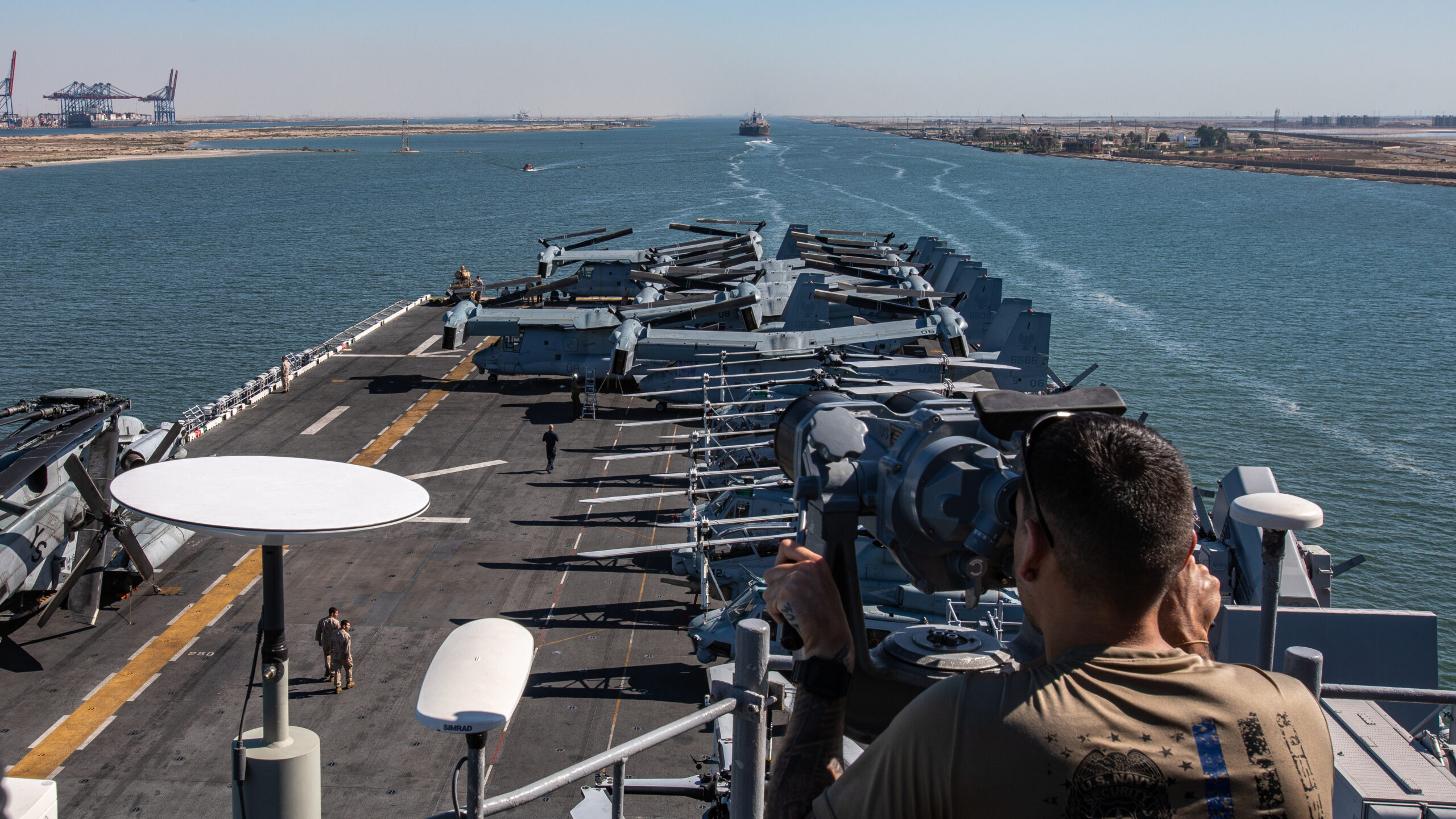
Navy, Marine Corps amphibious readiness board launches as services put issue on ‘front burner’
The Amphibious Force Readiness Board gathered for the first time on Thursday, and will continue to meet monthly.
The Amphibious Force Readiness Board gathered for the first time on Thursday, and will continue to meet monthly.

"When you see that visible signature, it's a reminder to all hands that it's all hands on deck time to get the amphibs ready," said Gen. Eric Smith, the Marine Corps commandant.

AI, autonomous systems, cyber, and EW converge as industry targets faster battlefield effects.
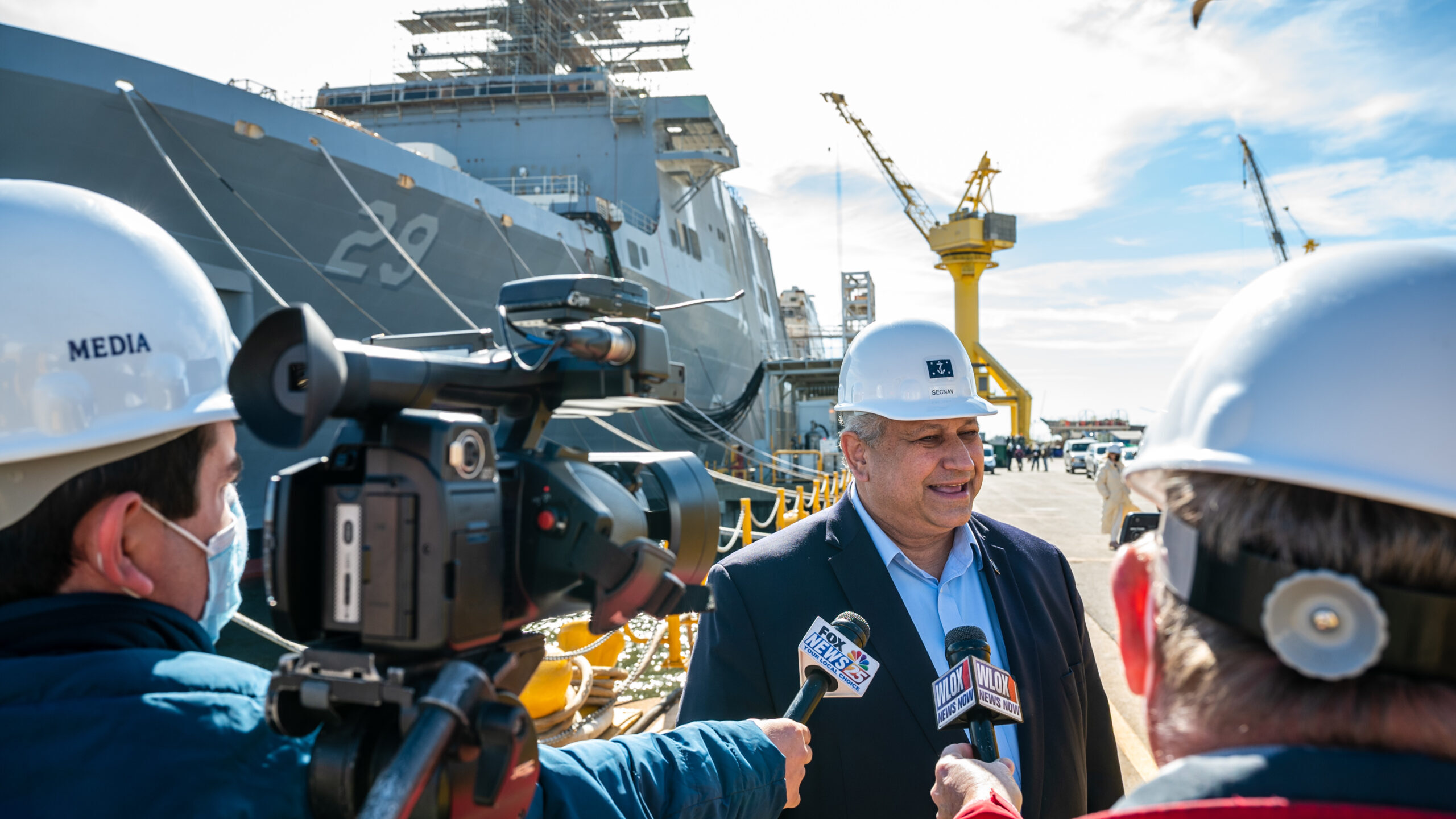
An Ingalls executive told reporters the company is acutely aware that affordability is top of mind for the Navy and Marine Corps when it comes to amphibious shipbuilding.

In comments to Breaking Defense, a Marine Corps spokesman forcefully pushed back against the new budget request’s failure to seek new amphibious warships.
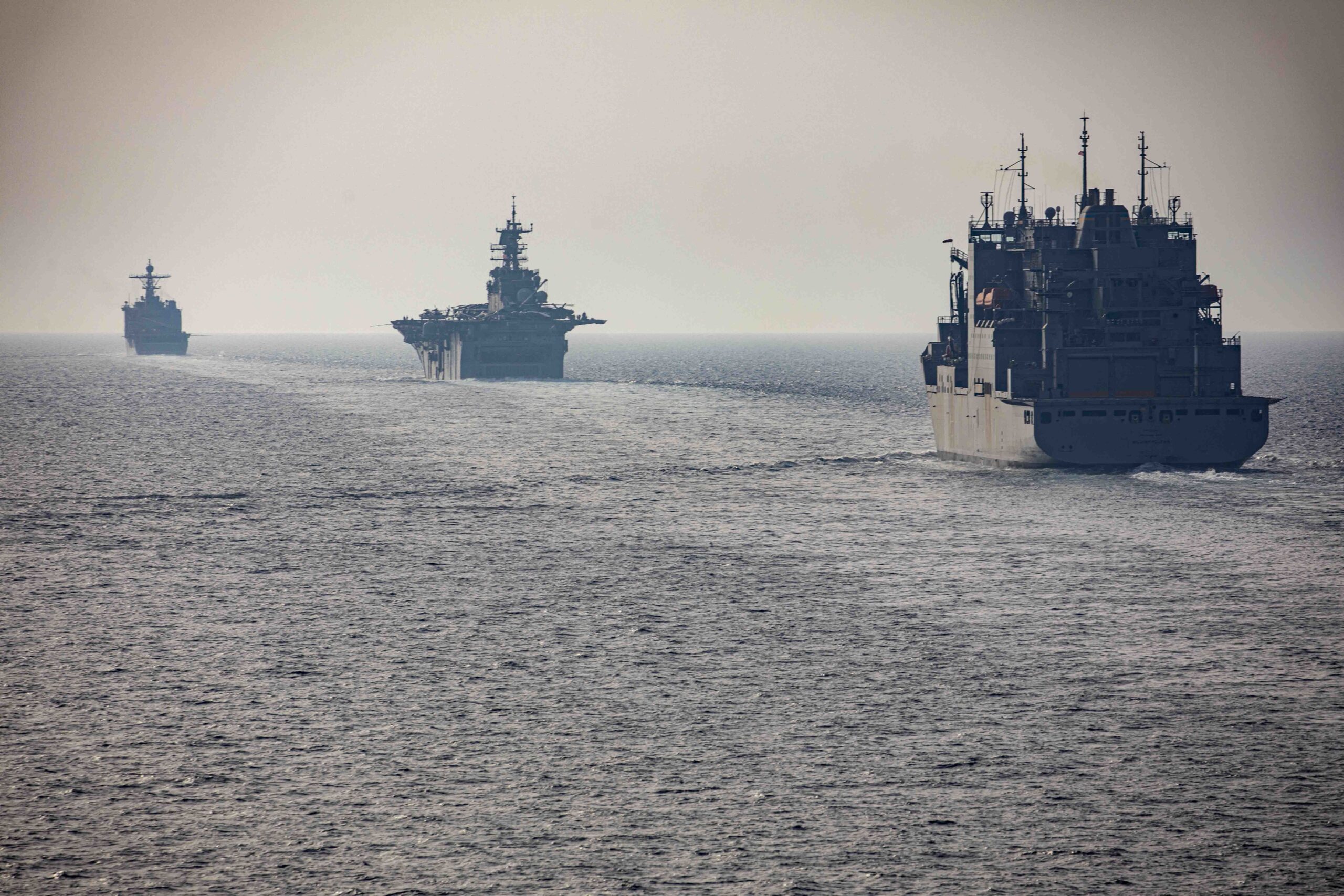
The Senate's draft defense policy bill calls for the Navy secretary to produce a business case analysis for buying amphibious ships using block buy authorities.
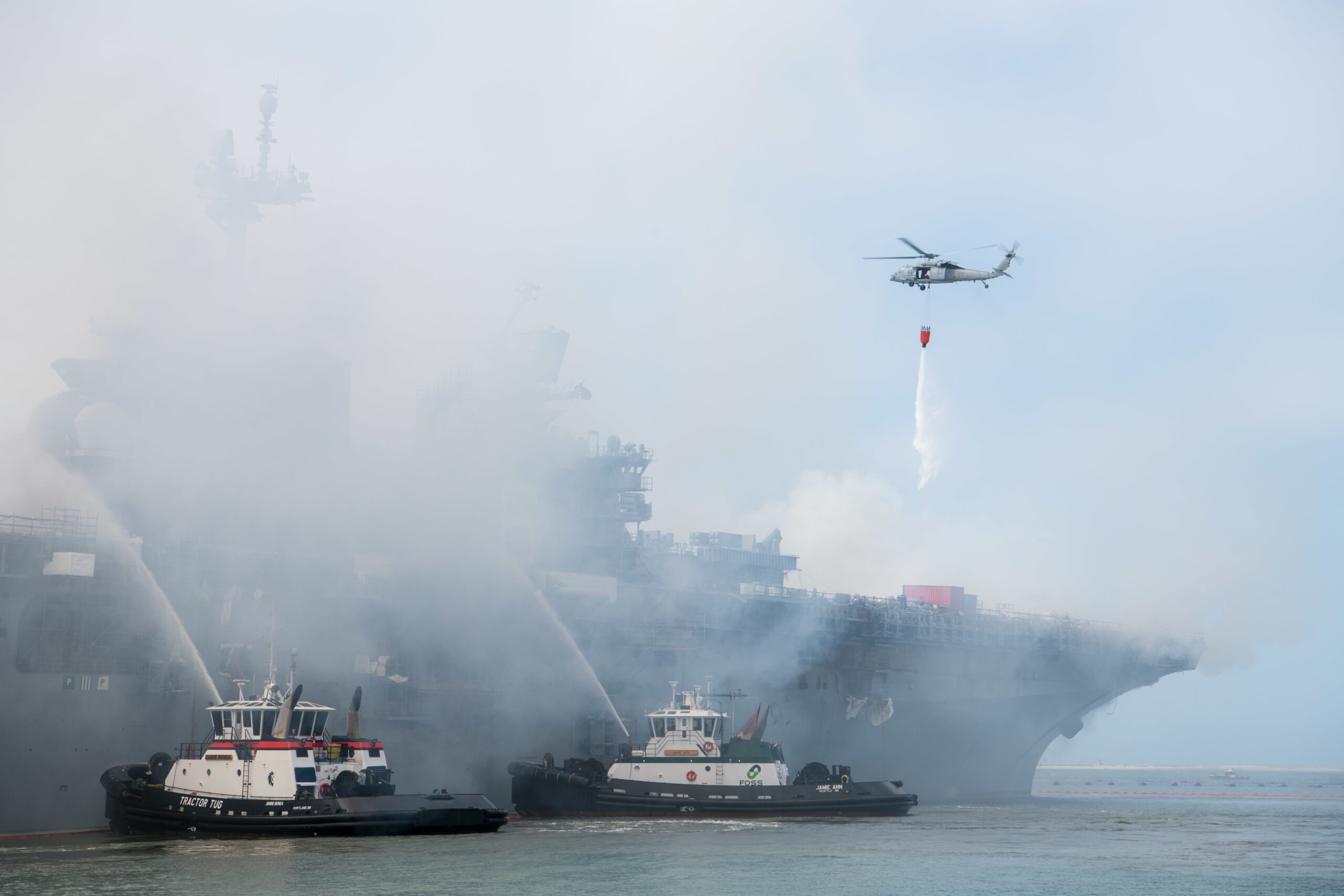
With repair costs coming in at about $3.2 billion, the navy is forced to walk away from one of 10 amphibious ships slated to play a big role in the competition with China

As threats rapidly evolve, digital engineering, manufacturing capacity and robust supply chains are critical to meeting challenges.
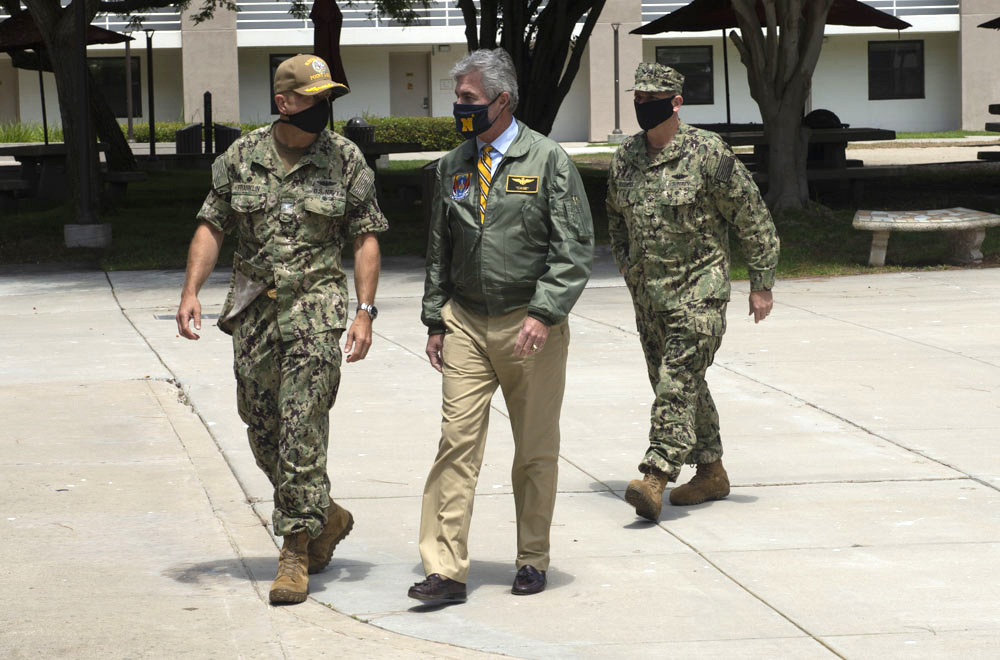
In his first substantive public comments about the fleet since assuming the job in May, Kenneth Braithwaite talks about carrier cuts, pumping up shipbuilding budget, and promises from Defense secretary Esper
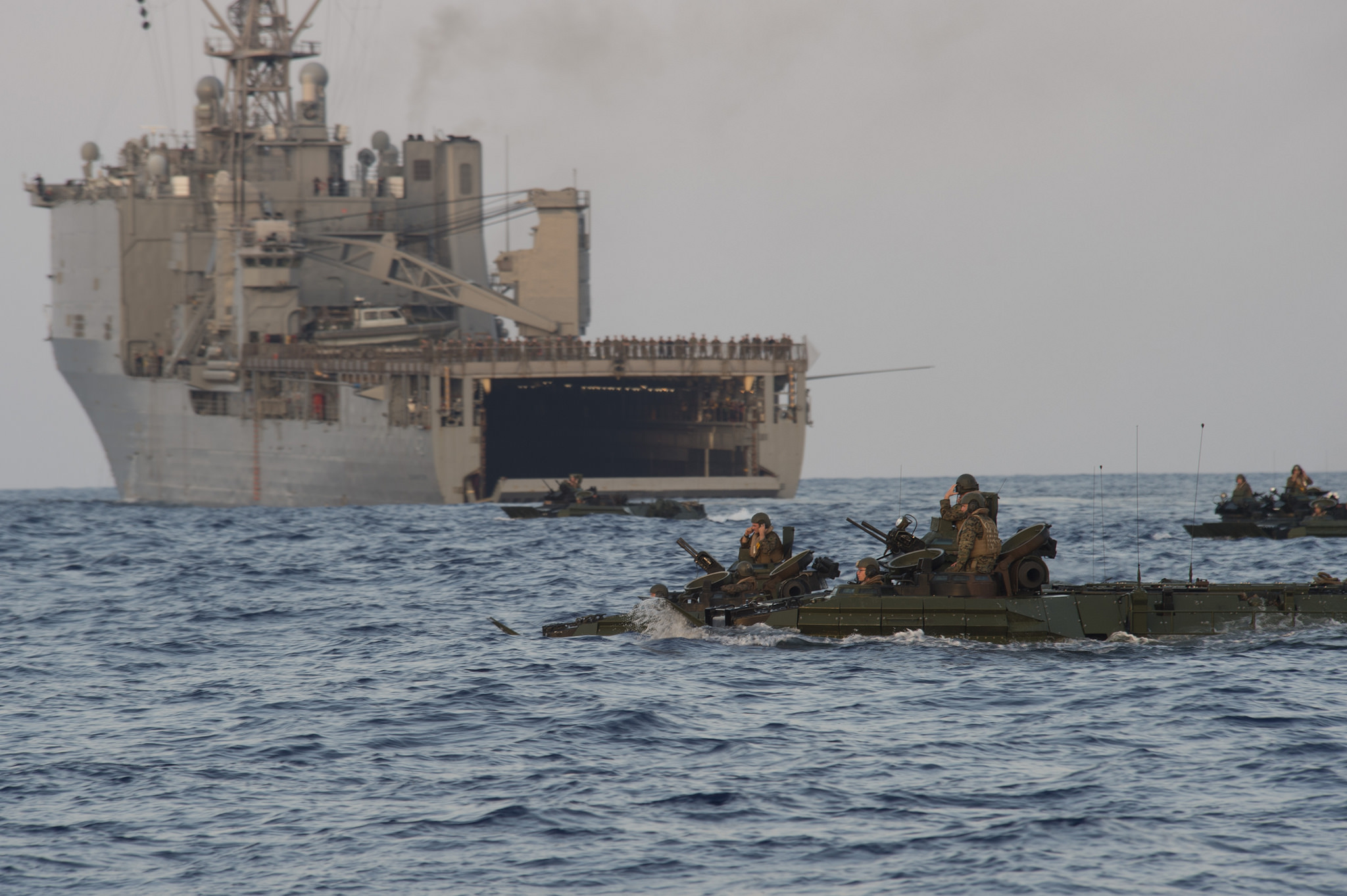
The Corps is looking for a unit that is "very low signature and that give us the firepower that we need to be a relevant force that provides consequences, should we get past the deterrence phase," Maj. Gen. Kevin Iiams, assistant deputy commandant of Combat Development, said.
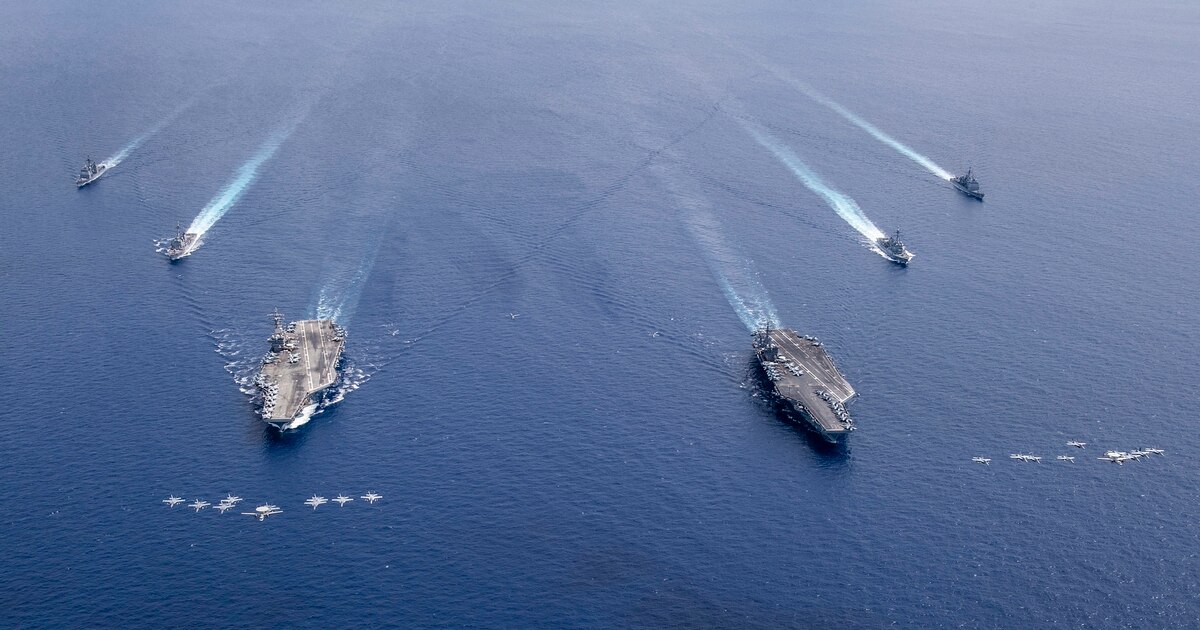
The data show the deployment of an amphibious ready group was effective, as was the movement of an aircraft carrier strike group. Deploying ground forces and land-based air forces in significant numbers also were effective attention-getters.

“You don’t have to be a doctor or a four-star general to understand that spending billions on new helicopters, combat vehicles, and fighter jets is not the solution” to the COIVD problem, said Rep. Adam Smith, Chairman of the House Armed Services Committee.


As global navies adapt to evolving underwater threats, ASELSAN’s integrated sonar, countermeasure, and sonobuoy solutions offer a scalable, future-ready approach.

Breaking Defense has obtained an email from Adm. Michael Gilday detailing the damage of 11 of the amphibious ship’s 14 decks.
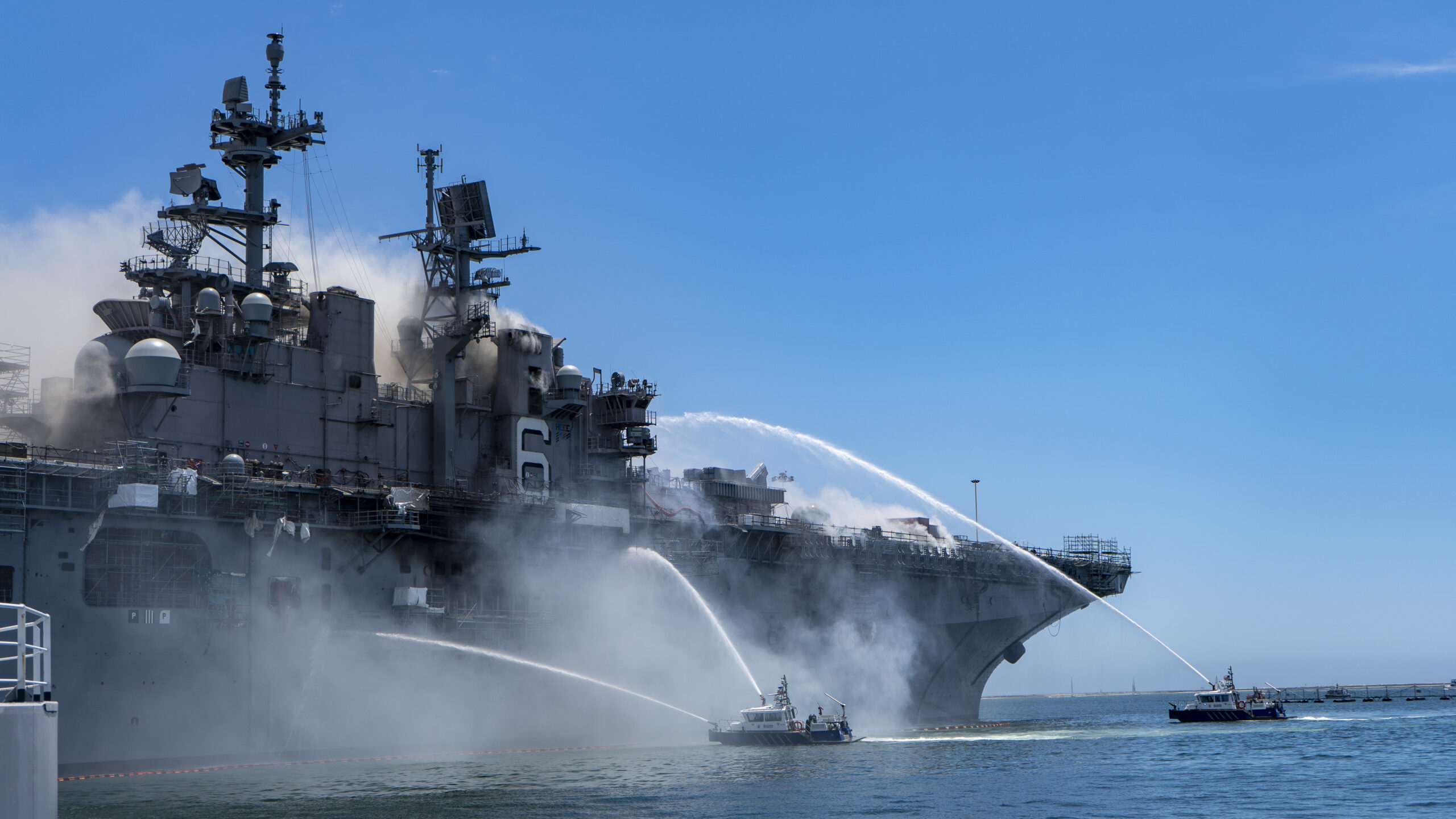
Whether the ship can be repaired is a question Pentagon leaders will grapple with in coming weeks, along with discussions over the US presence in the Pacific, and the Navy’s modernization schedule.
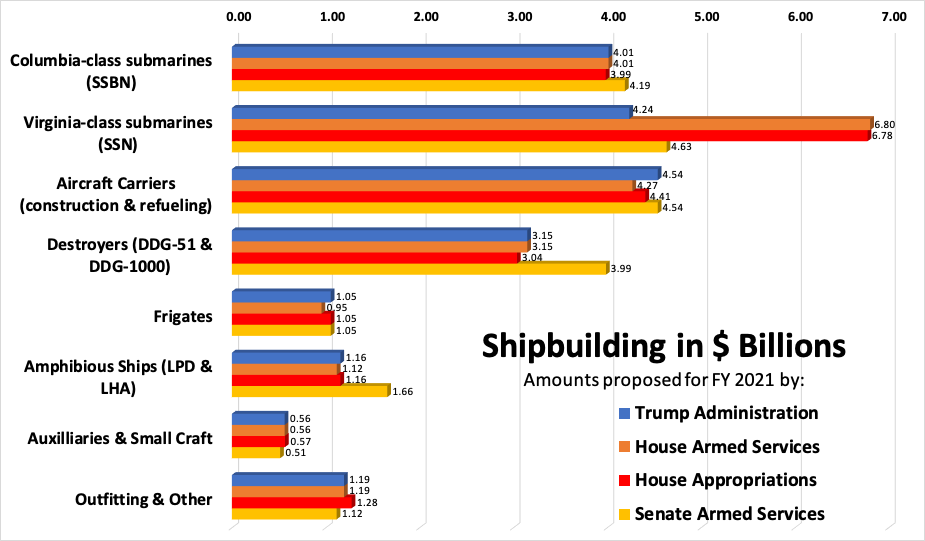
House Democrats want to add $2.5 billion to build a second Virginia-class submarine next year. Senate Republicans would rather spend on destroyers and amphibious ships.
“Replacing ships lost in combat will be problematic," Marine Commandant Gen. David Berger writes in a forthcoming paper. "Our industrial base has shrunk while peer adversaries have expanded their shipbuilding capacity. In an extended conflict, the United States will be on the losing end of a production race.”