
Balloons vs. satellites: Popping some misconceptions about capability and legality
There may not be an agreement on where airspace ends and space begins, but experts say other questions floated during the balloon saga have down-to-earth answers.
There may not be an agreement on where airspace ends and space begins, but experts say other questions floated during the balloon saga have down-to-earth answers.

There are a host of open questions bedeviling national and international policy- and law-makers as they struggle to get a better grip on both the explosion of commercial players with innovative ideas for space utilization and the growing military interest in space as a tool of, and venue for, war.

Government can’t stop to update systems, so modernization has to happen without interruptions.

From solar power in space to the evolving roll of commercial satellites, 2022 saw more activity, and more controversy, in the heavens.
France just last week became the ninth nation to publicly join the moratorium — following Canada, New Zealand, Germany, Japan, the United Kingdom, South Korea, Switzerland, and Australia.

"I think the FCC needs some remodeling," Chairwoman Jessica Rosenworcel said, announcing the new bureau as well as a new, separate International Affairs office.

"There are ongoing reviews to find other other commitments that we can make, specifically around national security space activities," said the State Department's Richard Buenneke.


The Sixth Domain is not defined by geography. It’s a new kind of conflict in which autonomy and networked systems allow thousand-dollar consumer electronics to destroy multi-million-dollar conventional weapons systems.

"We may say that we don't want to, and we stand behind not doing, kinetic debris creating testing, but that does not mean that we should not have that capability," said Mitchell Institute Senior Fellow for Spacepower Studies Tim Ryan.
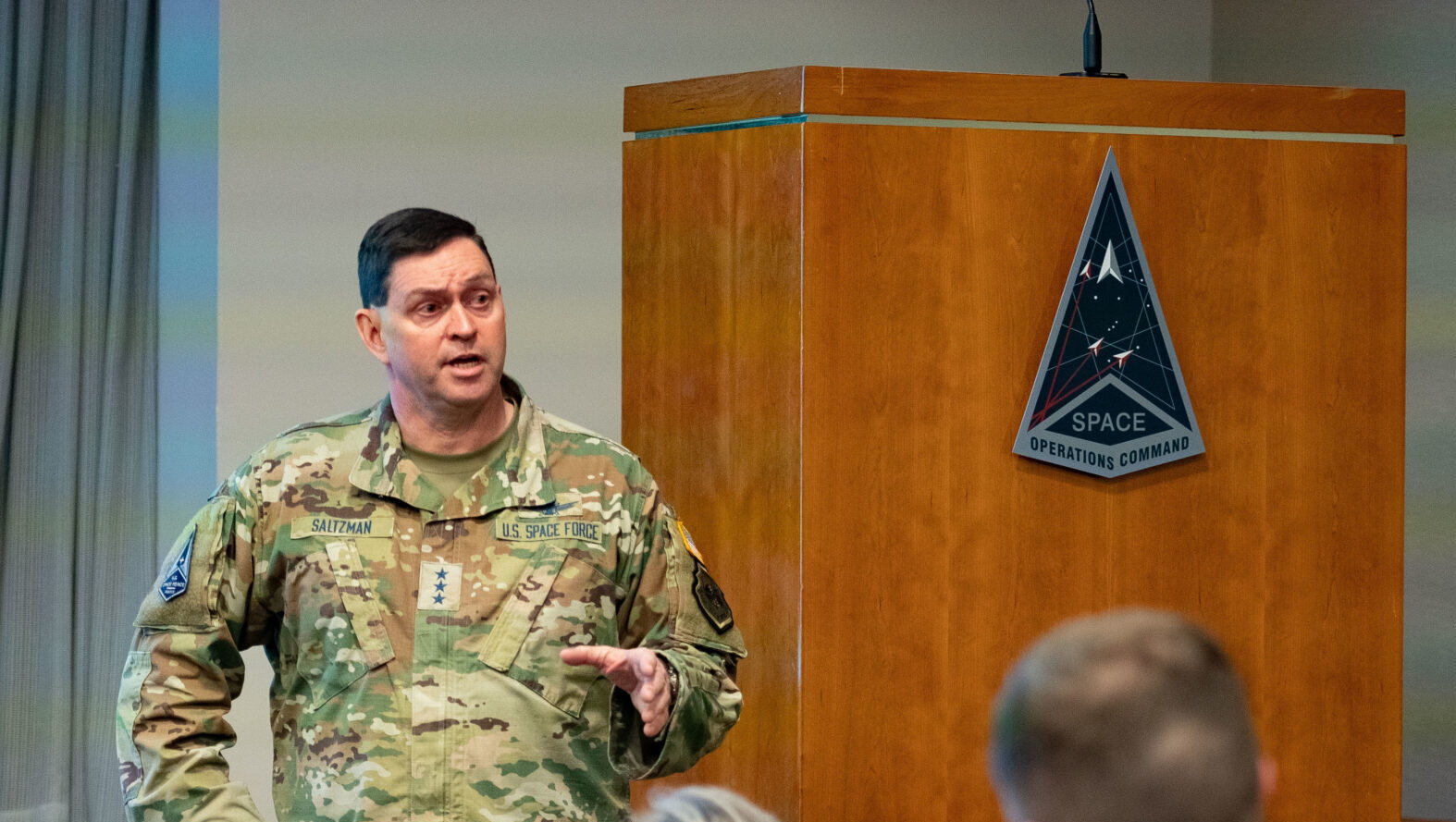
The Senate Armed Services Committee confirmation hearing for Gen. Chance Saltzman as the next, and second, Space Force chief was free of major fireworks — suggesting an easy 'yea' vote.

Up to now, only Canada and New Zealand have joined the US in unilaterally pledging not to test destructive ASAT missiles, but diplomats expect others to join in.

America’s adversaries are developing tools to trick or destroy current missile tracking capabilities. It’s time to get back ahead of the curve, writes Christopher Stone of the Mitchell Institute.

As threats rapidly evolve, digital engineering, manufacturing capacity and robust supply chains are critical to meeting challenges.

"The space industry is evolving, expanding at an extremely fast pace. As new players come on board the number of risk rises but so does the number of opportunities," said French Ambassador Philippe Étienne.

Though even global rivals had substantive discussions this time, "I imagine that it will start to get spicier," an allied expert said of the next meeting of the UN group that will focus on threatening behavior by military space operators.

"There’s not a lot of detail, but from what there is, there’s no need to hyperventilate," said Laura Grego, an astrophysicist at MIT.
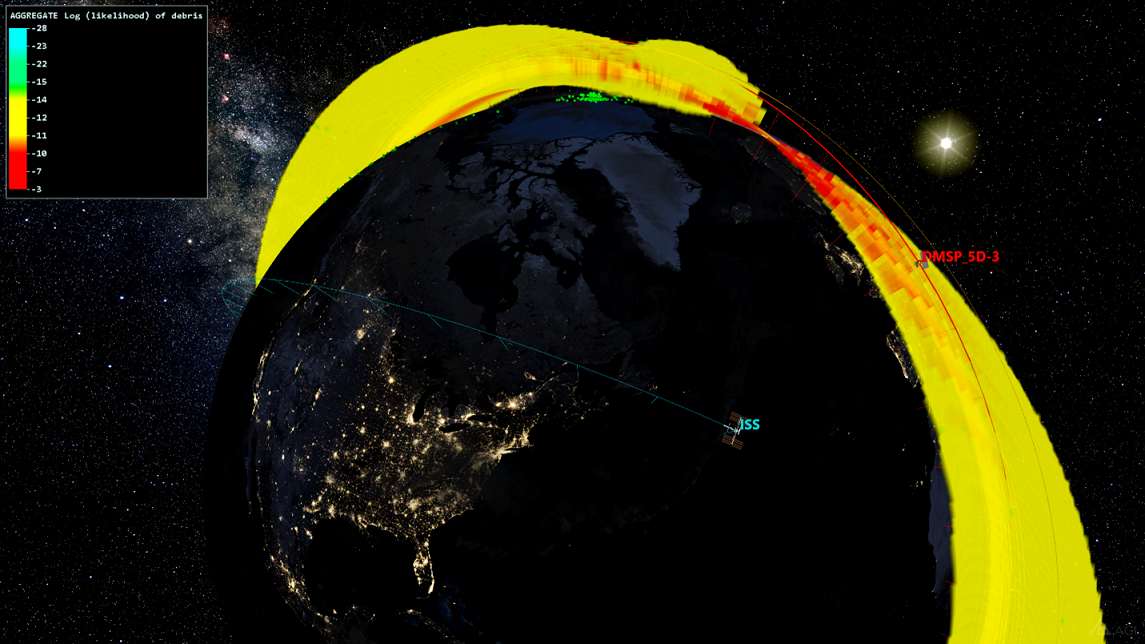
Until now, no US administration was willing to do anything formal, even if only making a public pledge, that would tie the military's hands in any way regarding the use of ASATs.