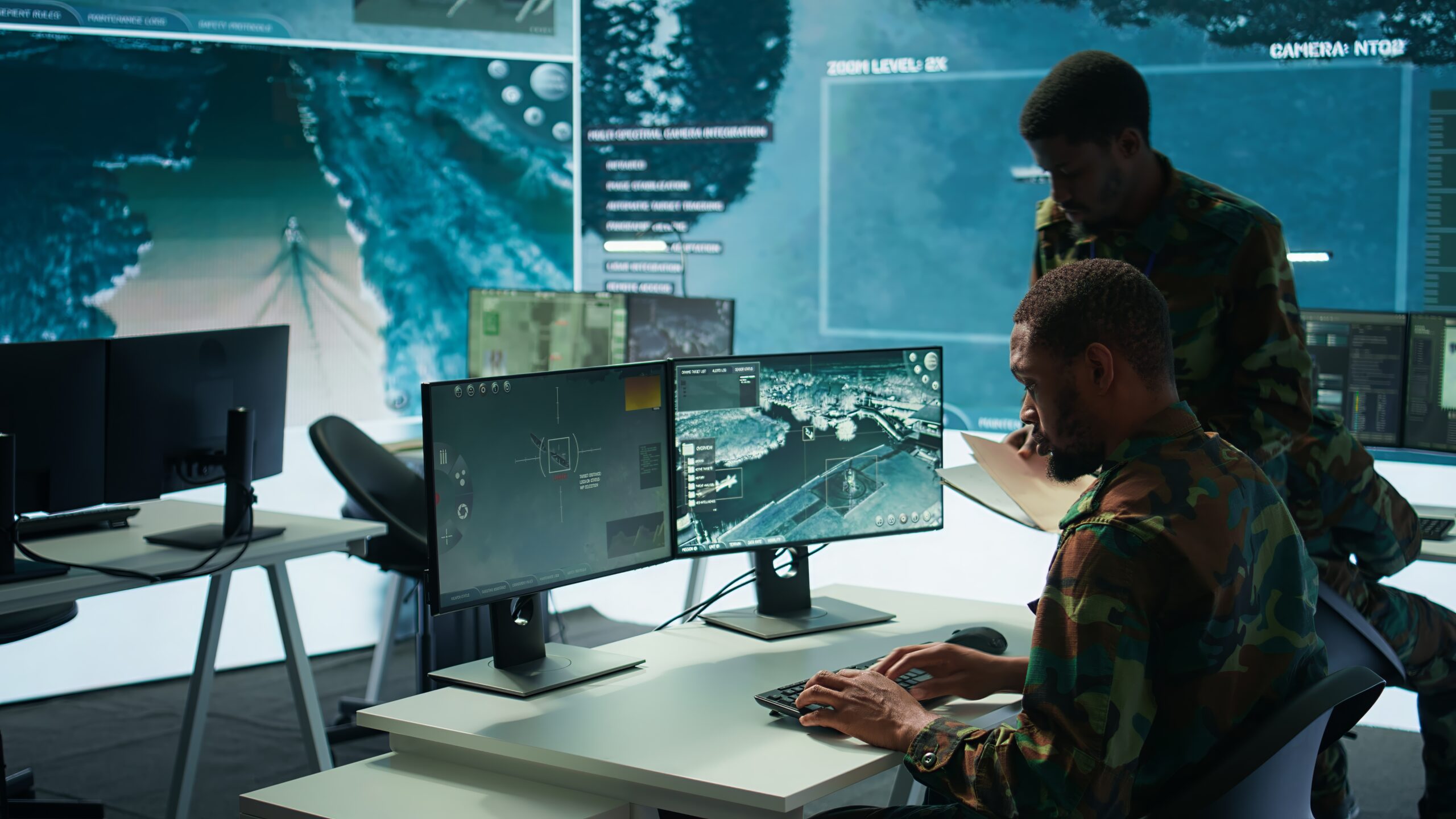
Setting national security priorities in a changed world
In an unpredictable world, a strong and innovative military is essential to protect the United States and its economic interests.

In an unpredictable world, a strong and innovative military is essential to protect the United States and its economic interests.

“If we don't turn our recruiting situation around, I can't guarantee you that the Army won't have to make some more substantial potential force structure reductions,” Army Secretary Christine Wormuth told senators.


Knowing when to build on commercial systems and when to develop something new can be the difference between parity and information dominance.

The post-COVID budget crunch – and the need to grow seapower and airpower for a Pacific contest with China – make it all too tempting to cut the Army. But that would be a grave mistake, warns retired three-star general Tom Spoehr.

The Pentagon is about to pitch Congress on a plan to move $5.7 billion from legacy programs to new modernization efforts. Some offices are going to feel some pain.
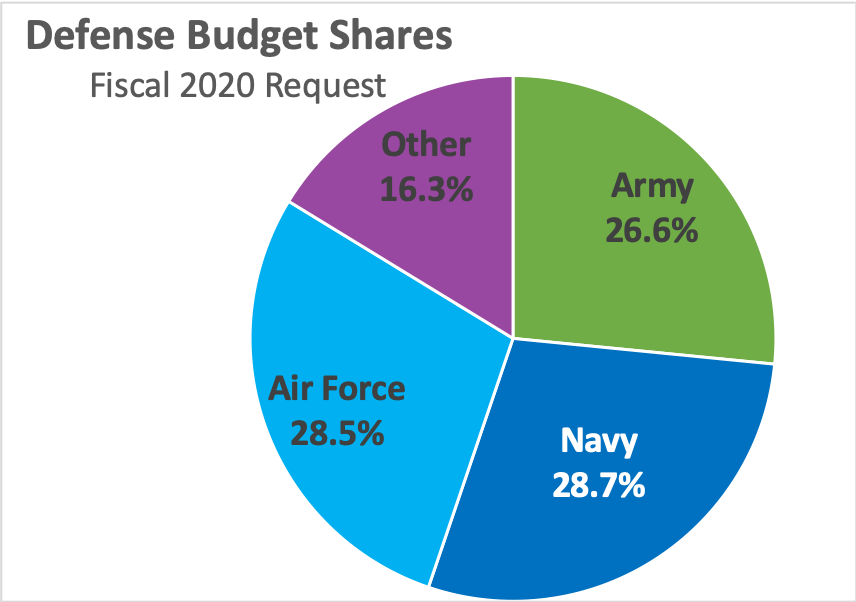
The Navy’s top admiral says he needs a larger share of the Pentagon budget. The Army Secretary retorts his service already gets less than either the Navy or the Air Force.

Pentagon officials seek to show they are reorienting to great power competition with China by shifting money under the flat defense topline. The goal is to spend a more defense dollars on high-end capabilities to match the National Defense Strategy instead of pleading for more, new money. The tradeoffs will become very real for members […]

The military space sector is evolving fast. Get the latest from Space Force and industry officials on what’s next for acquisition, policy and training in a new Breaking Defense eBook.

The Army may need to delay the rollout of the new technology, scale it down, or both.

"But make no mistake…if in fact a war starts or extends into space, everyone loses," Air Force Chief of Staff David Goldfein told the AFA 2019 conference. "I don’t see any winners.”
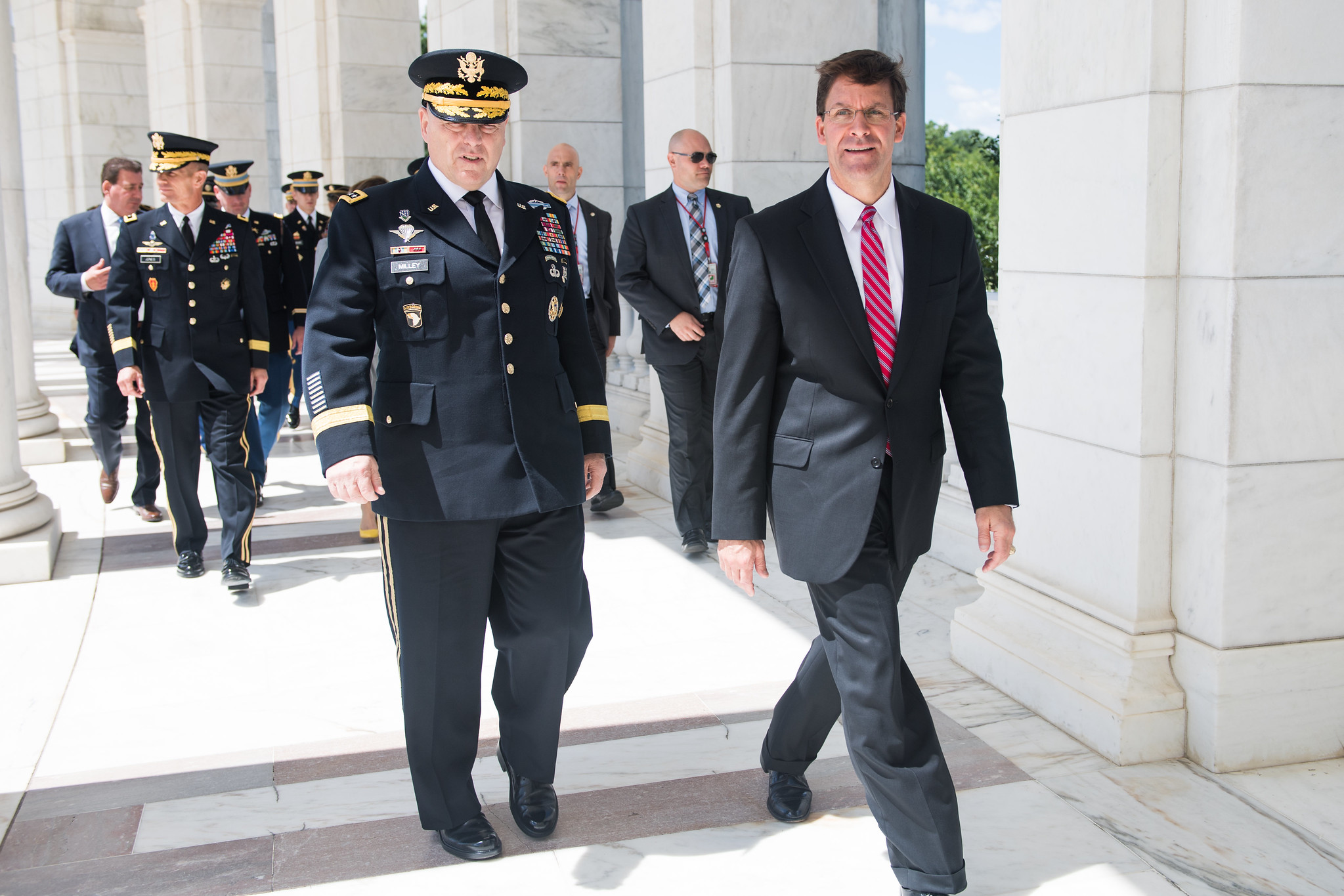
Over the past several weeks Esper has held a series of internal reviews at the Pentagon, in which offices outline programs they’re working on. Those are cross-checked with other parts of the Defense Department to see if there’s duplication of effort.
If the Army wants to get its Big Six right, it must talk, and talk and talk with Congress and the press and industry. And be ready to drop failures.
Zero Trust is the Pentagon’s foundation for its modern cybersecurity strategy.

No Army vice-chief has won the top job since Eric Shinseki. But Gen. McConville brings some unique credentials.
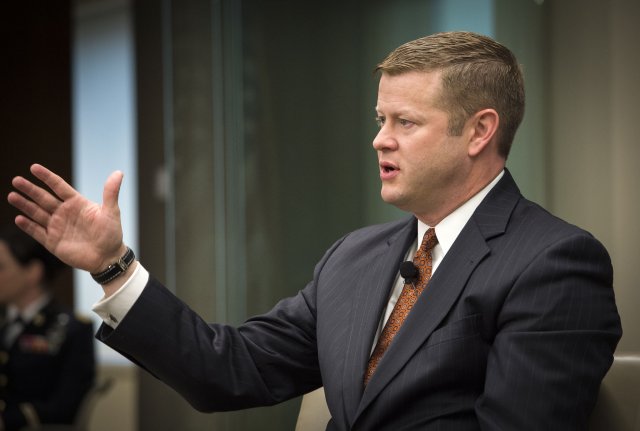
That's $6 billion more than previously announced -- but it all comes at the cost of almost 200 cut, cancelled, or slowed-down programs, each with backers in Congress.