
AUKUS defense chiefs to descend on London to discuss Pillar I and II roadmap
“With changing governments, it provides an opportunity to review progress and sets a path for continued work,” said Pentagon spokesman Army Maj. Pete Nguyen.
“With changing governments, it provides an opportunity to review progress and sets a path for continued work,” said Pentagon spokesman Army Maj. Pete Nguyen.
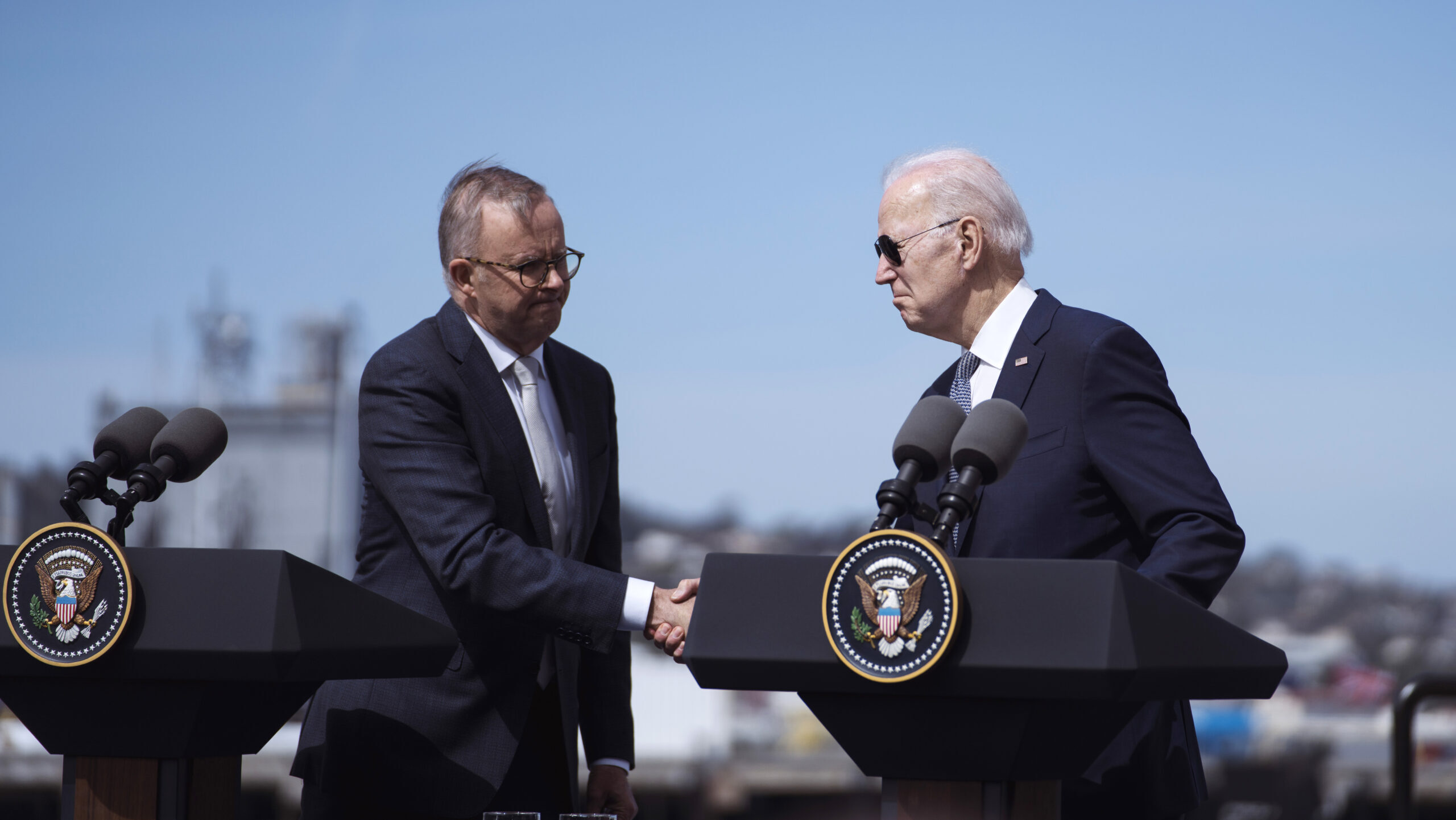
"Early indications are that the 3 countries are missing an opportunity to craft a shared defense export control framework devoid of the well-understood structural problems associated with the ITAR," the US Studies Centrre report's authors write.

Partnerships with outside industry are a cornerstone of the kingdom’s ambitious growth strategy.
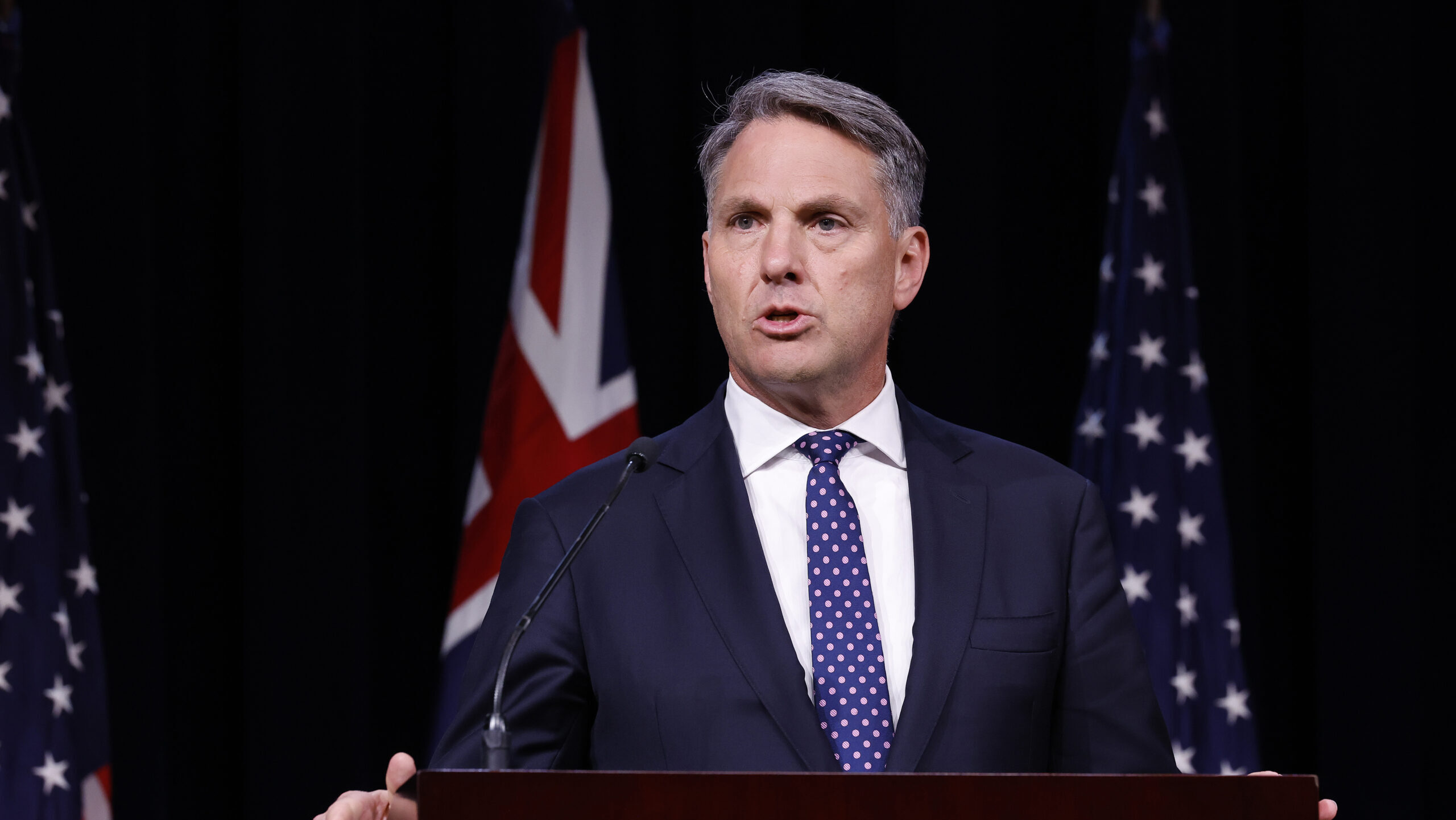
"Look, AUKUS is new. People are coming to terms with it. With anything that's new, people have anxiety," Marles said in an interview with Breaking Defense.

In this op-ed, Mohammed Soliman and Elliot Silverberg make the case for why Canada should be brought into AUKUS Pillar II.

“We are at that stage of planning” around what we should include, Saltzman noted, adding that all three nations see a potential Pillar II space agreement “as a valuable tool.”
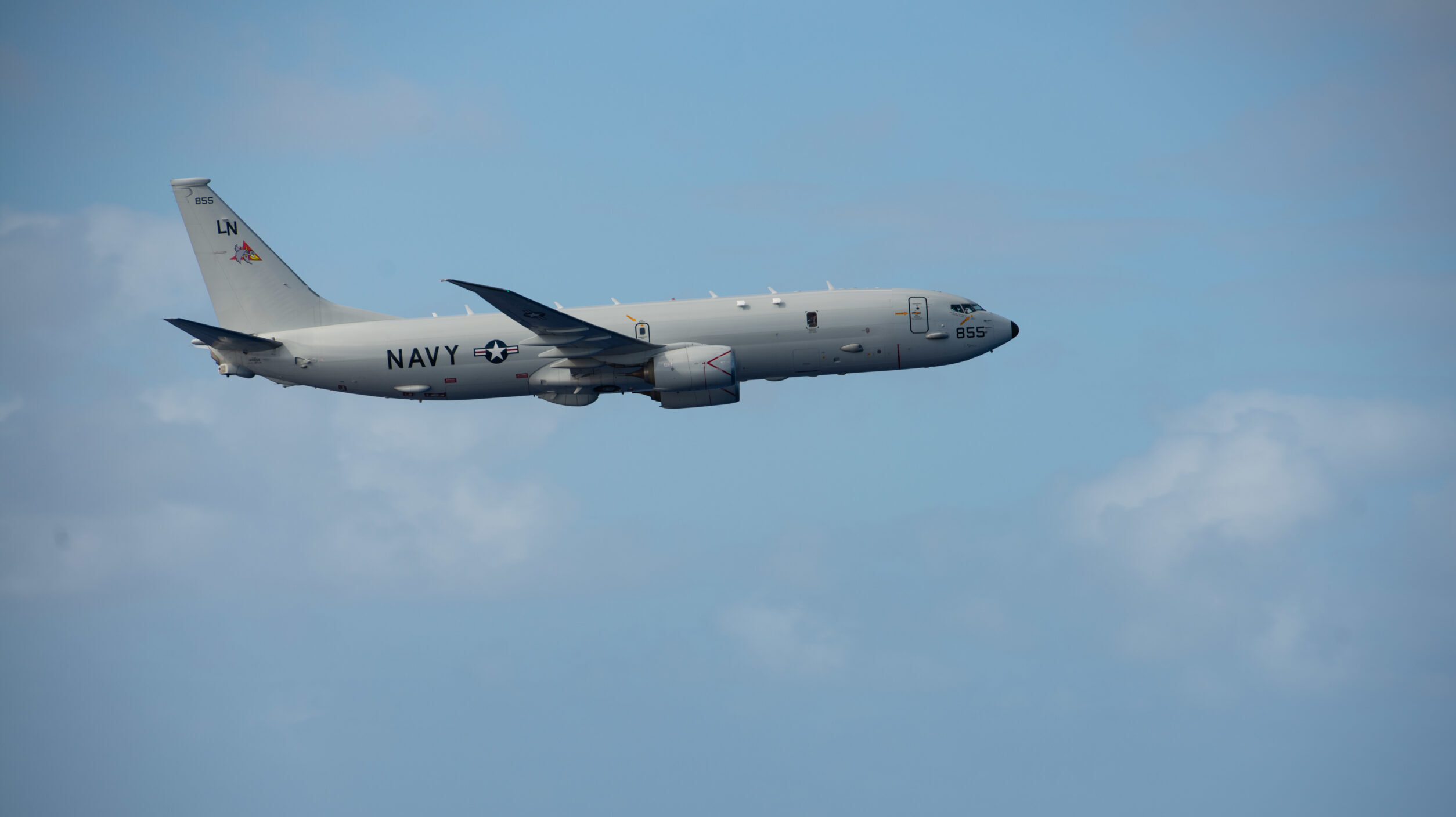
“The most important things that we do in Pillar II of AUKUS haven't been invented yet,” Michael Horowitz, whose office serves as the Pentagon's day-to-day lead on AUKUS issues, told Breaking Defense in an exclusive interview.


On today’s battlefield, mobility isn’t optional - it’s mission-critical.

"So that's one thing I would encourage the [Australian] government to do, is be transparent as possible on what the plans ahead are so industry can can respond and be ready," Northrop Grumman executive Tom Wears said.

The US Army chief, Gen. Randy George, offered an intriguing possible win for AUKUS Pillar 2: "a common controller" for unmanned systems, allowing the three allies to exchange systems.