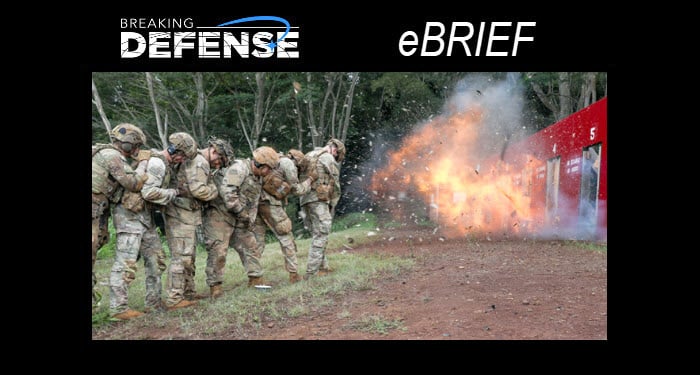
Autonomy changes everything about combat engineering
Sending robotic vehicles into the breach saves lives by removing humans from one of the most dangerous places on the battlefield.
Sending robotic vehicles into the breach saves lives by removing humans from one of the most dangerous places on the battlefield.


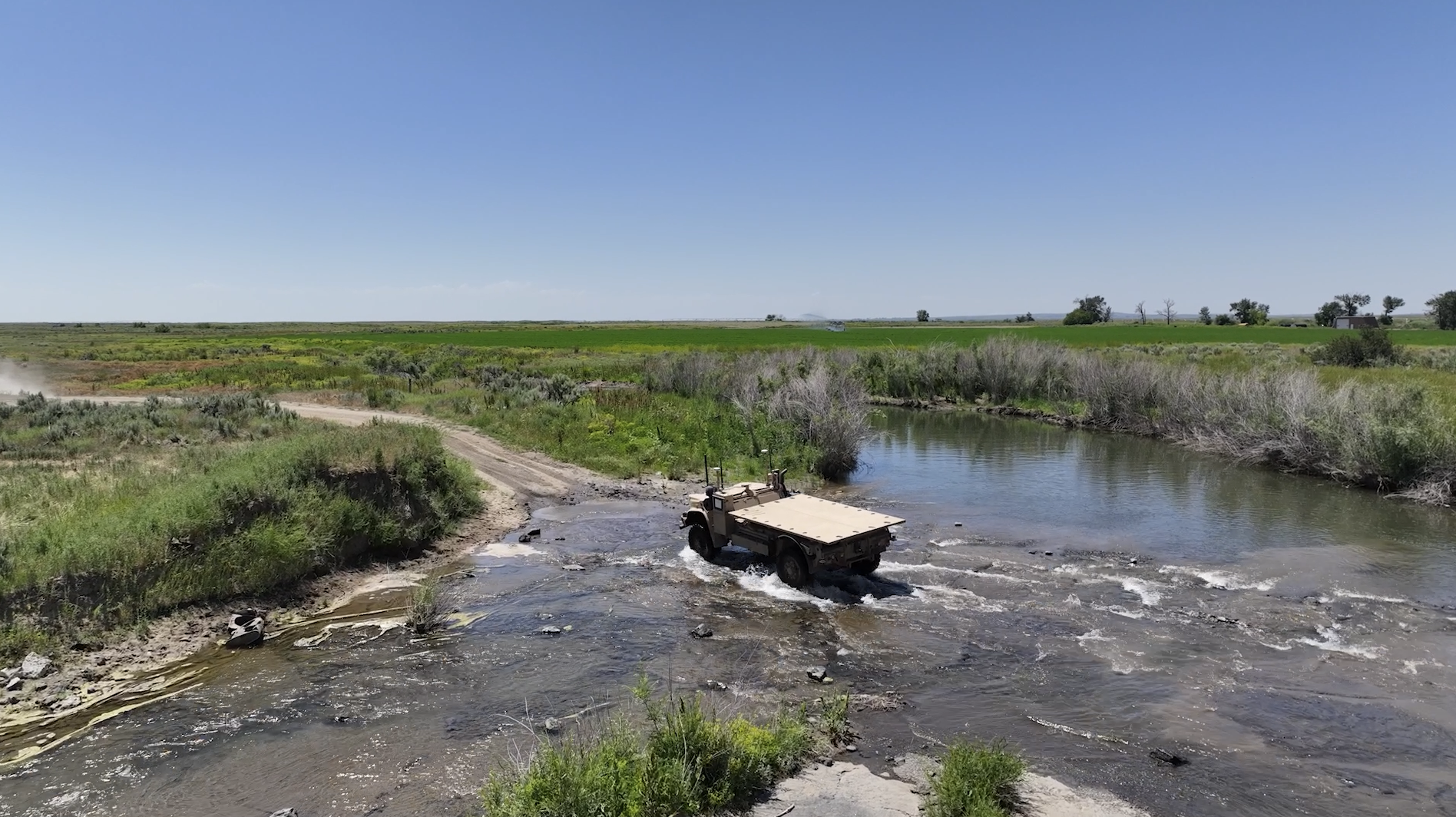
Contested logistics means resupplying Soldiers and Marines at the edge, and doing so with autonomy that doesn’t risk lives.

Balancing security and access to data are critical to providing users with trustworthy, reliable data for real-time decisions.
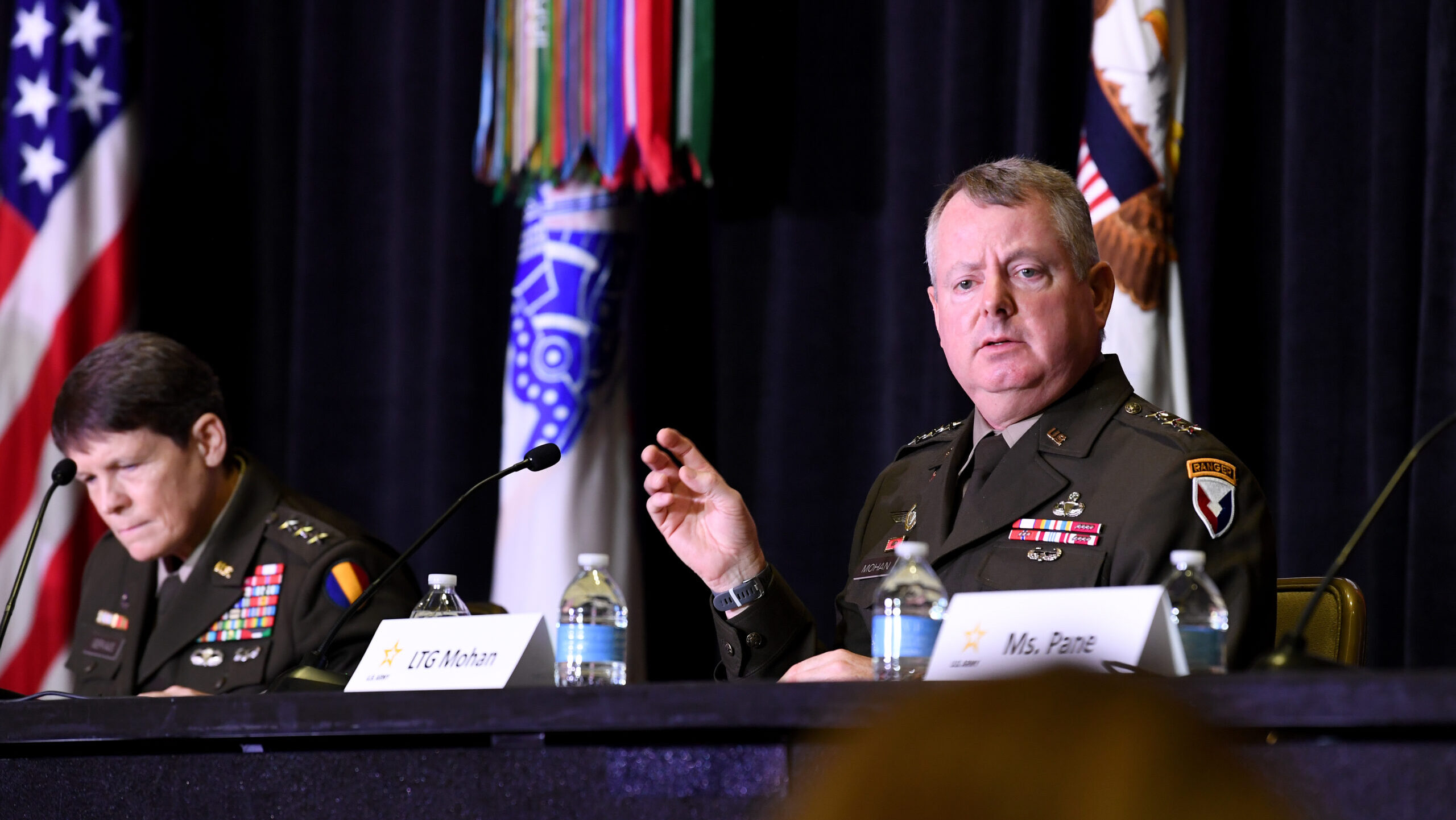
"Our Ukrainian partners, because of necessity, are pushing the boundaries on how they do [3D printing] — both at the tactical level and all the way back at their depot system as well. The world has a lot to learn from how our Ukrainian partners are working," Lt. Gen. Christopher Mohan told Breaking Defense.

Robotic missile batteries maneuver and fire faster than crewed systems, keeping operators at standoff distances.

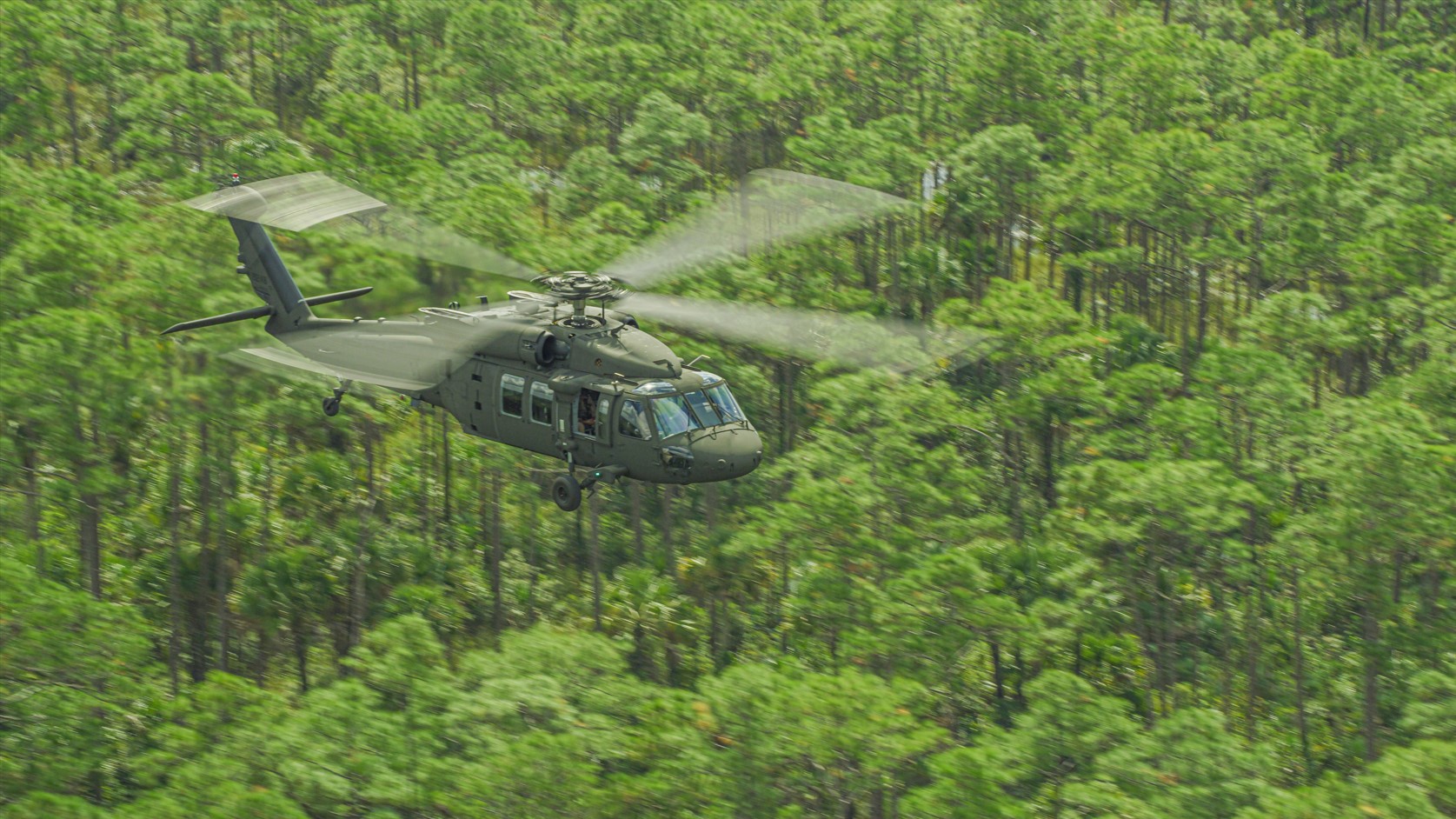
The role of rotary wing aircraft in a 21st century security environment include operations in multi-domain operations and Joint All Domain Command and Control.

The Cyber National Mission Force's commander "has that team of expertise as a tool that when she’s got a hard problem, she can use that task force as one of the solutions."

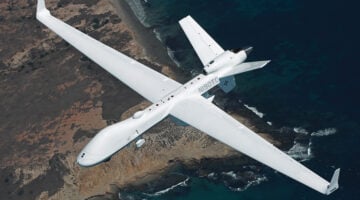
The MQ-9B and Gambit Series represent parallel capabilities that address global challenges for security head-on.


The use of computer vision and perceptive autonomy can have a profound impact on speeding the Observe, Orient, Decide and Act (OODA) loop.
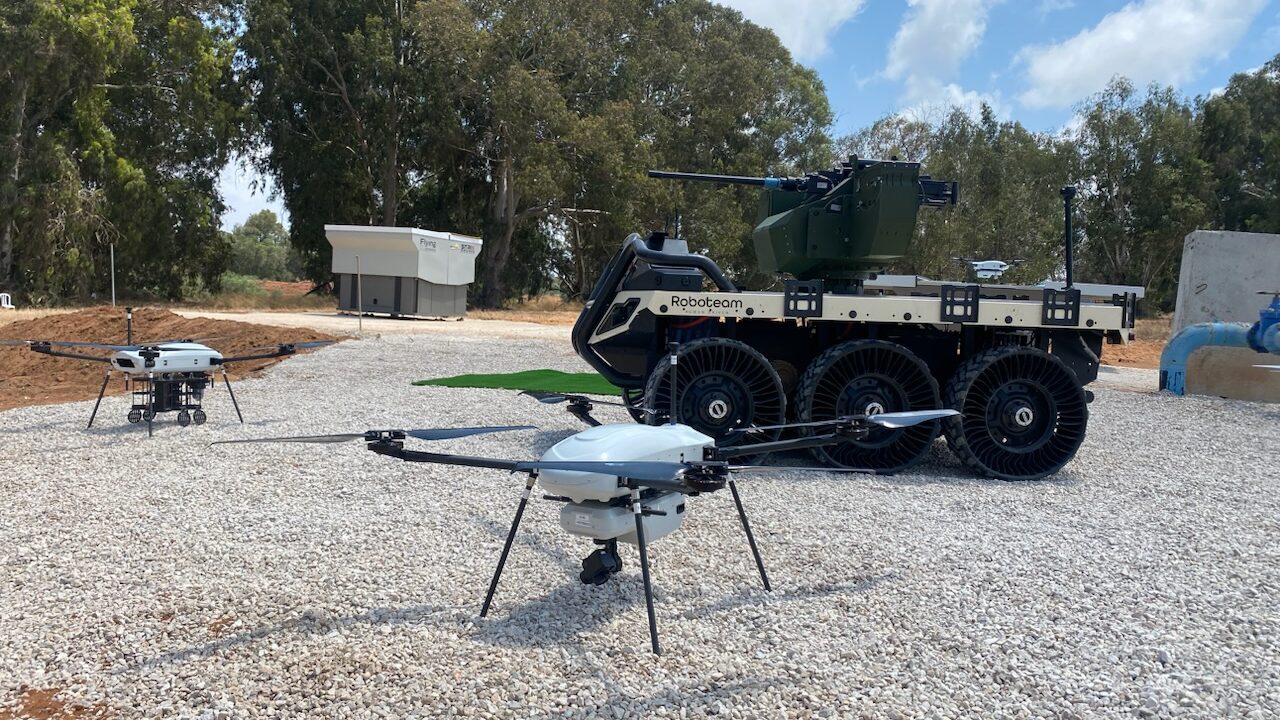
The system is meant to provide a vision into the "digital battlefield" based on inputs from a variety of systems.

“I think one of… the things we sought to accomplish in the course of the update is clarifying the language to ensure a common understanding both inside and outside the Pentagon of what the directive says,” said Michael Horowitz, director of the Pentagon’s Emerging Capabilities Policy Office.

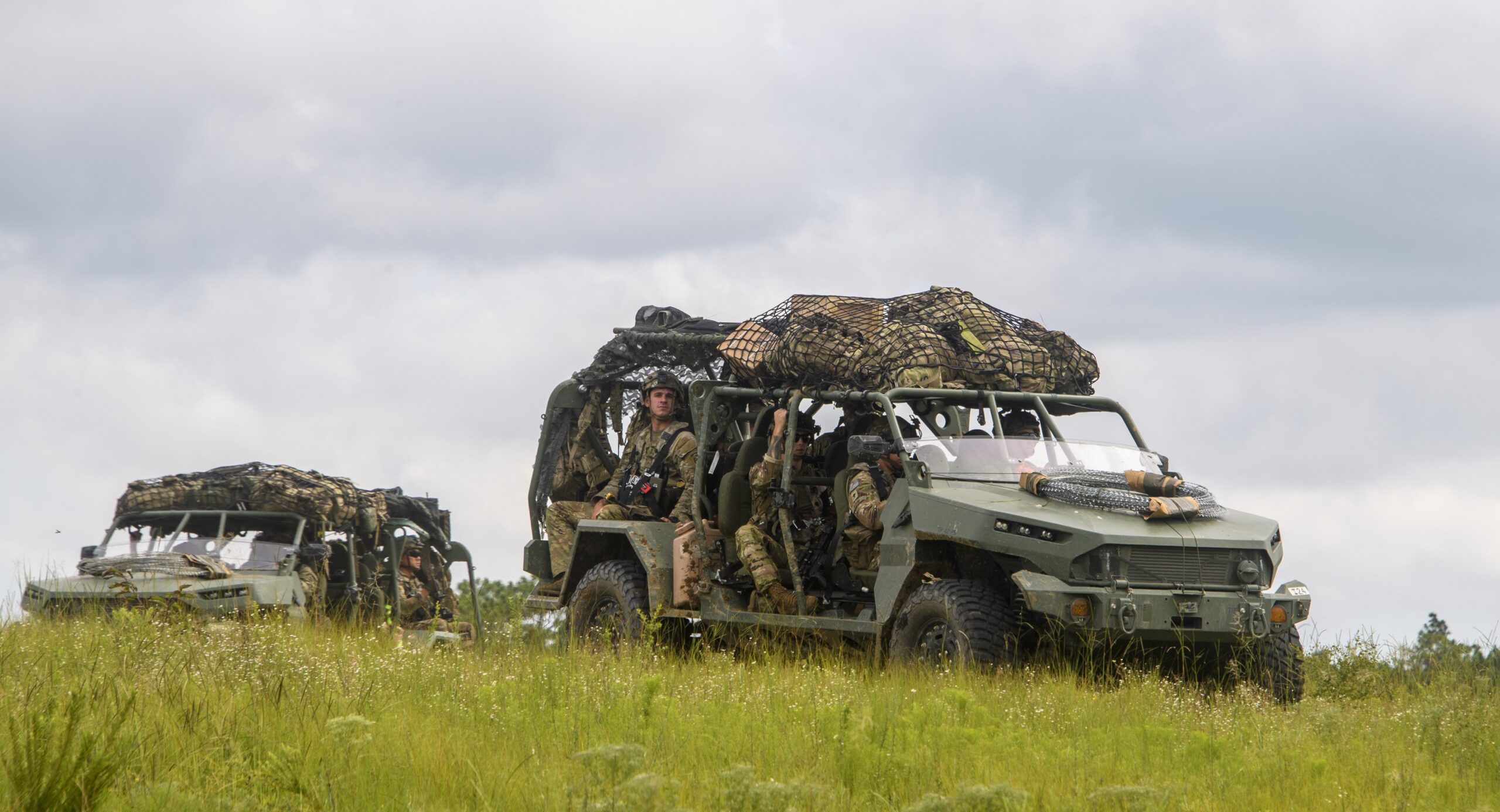
There are ways to leverage proven commercial technology that enables warfighters to more quickly benefit from modern capabilities.

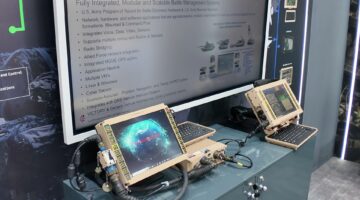
Partnerships with outside industry are a cornerstone of the kingdom’s ambitious growth strategy.
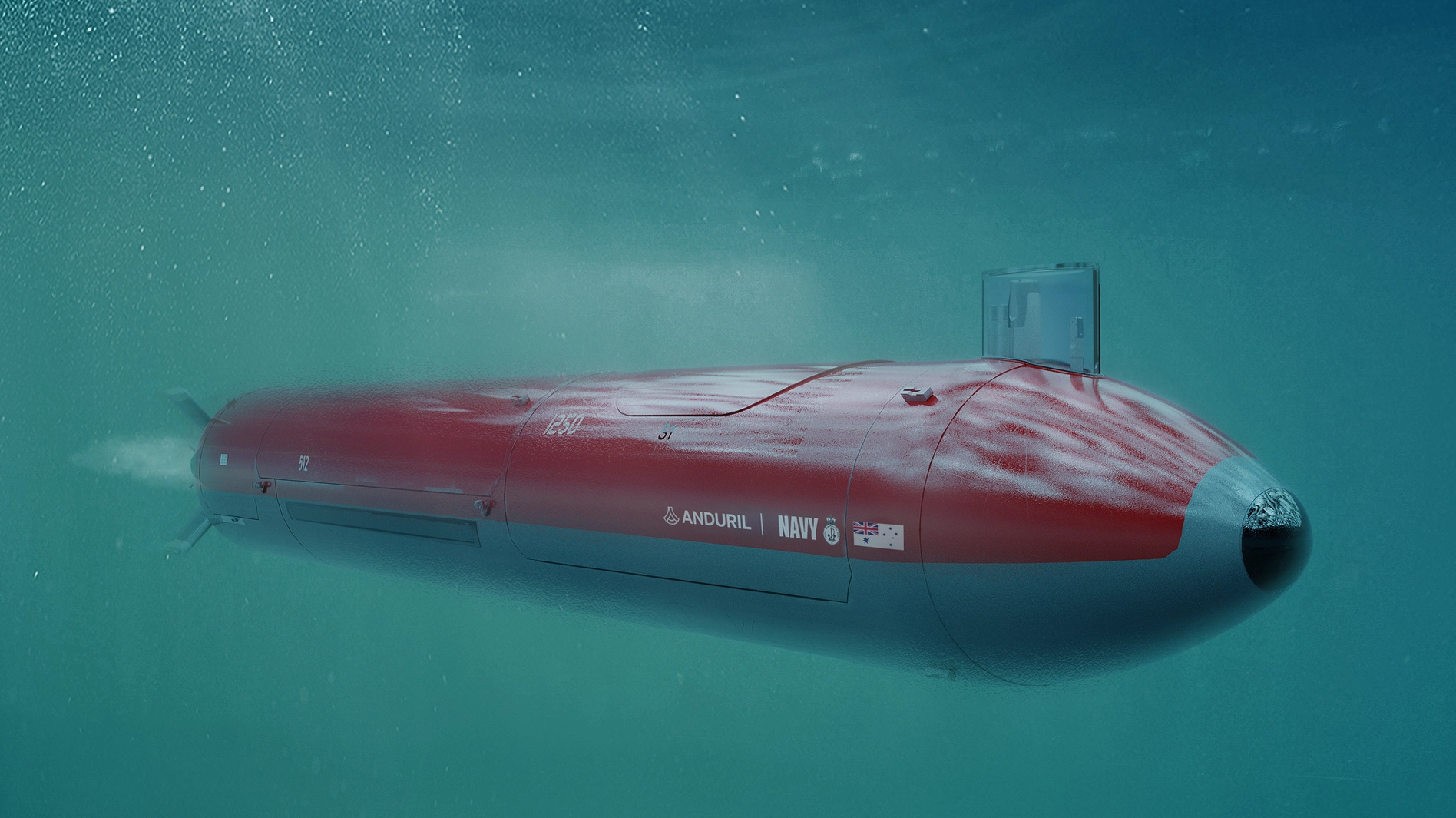
CEO and chairman David Goodrich told Breaking Defense the $100 million USD effort to build three prototype Extra Large Autonomous Undersea Vehicles (XL-AUVs) in three years is just the beginning of ambitious plans for the company.

"We want to make sure, of course, that the directive still reflects the views of the department and the way the department should be thinking about [autonomous] weapon systems,” Michael Horowitz told Breaking Defense in an exclusive interview.
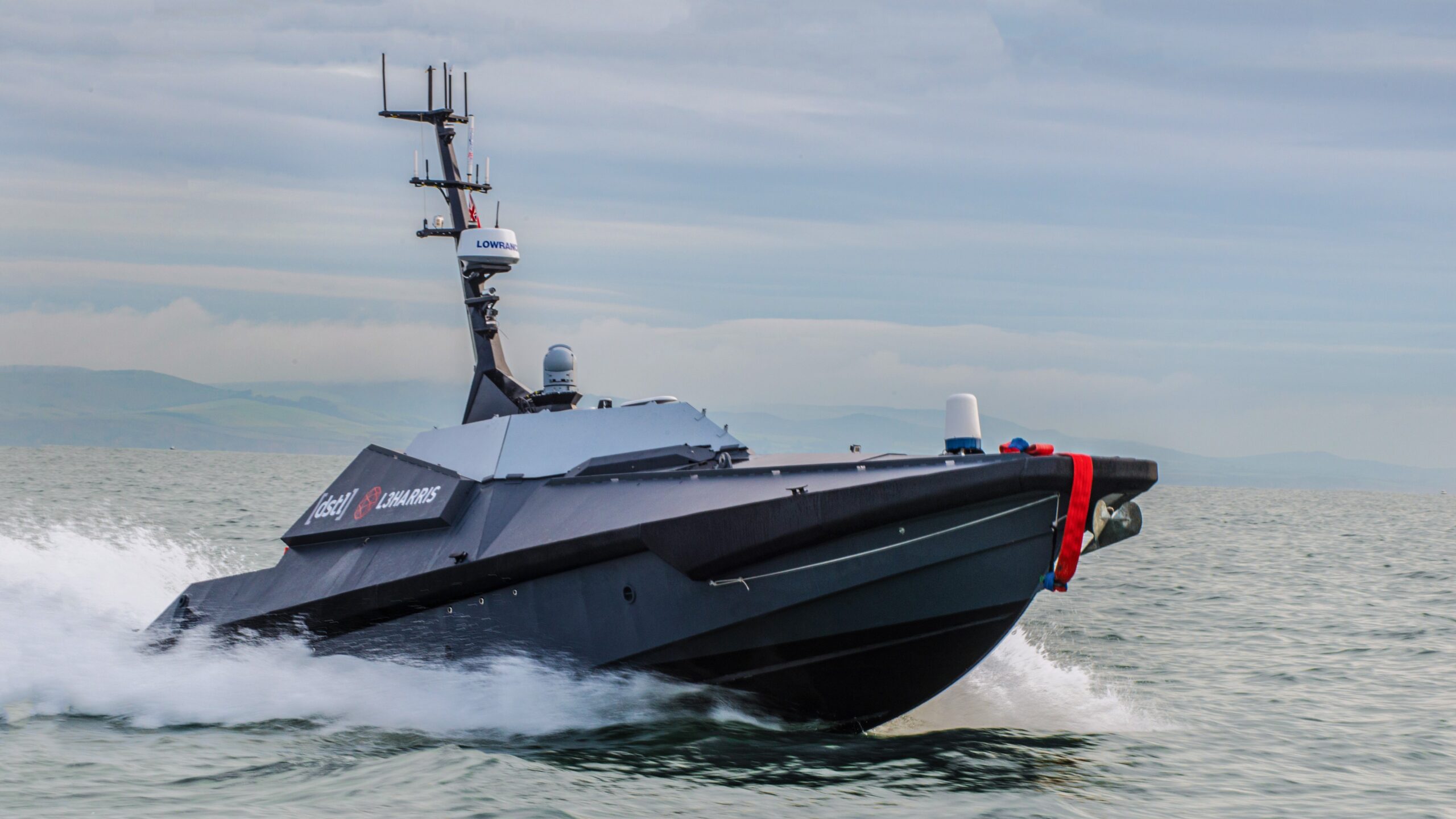
Now in its fifth iteration, the MAPLE 5 architecture has moved away from the individual command and control of single platforms towards operating multiple platforms and the development of operational concepts at force level.

The UAE is both investing heavily in a domestic UAV industry and learning first-hand the risks from unmanned systems.