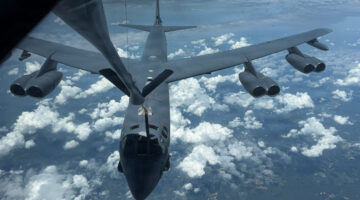
Air Force awards $766 million for B-52 radar modernization
One contract worth up to $603 million was issued to RTX subsidiary Raytheon, while a second valued at roughly $163 million was issued to B-52 prime contractor Boeing.
One contract worth up to $603 million was issued to RTX subsidiary Raytheon, while a second valued at roughly $163 million was issued to B-52 prime contractor Boeing.
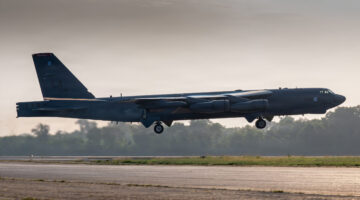
A new audit from the Government Accountability Office found concerns with the Air Force’s modernization of the B-52 Stratofortress, which is planned to fly through the middle of the century.


A decorated combat aviator and biotech CEO advocates preparing for novel viral threats before the next crisis.

A program to upgrade the radar for the Eisenhower-era bomber suffered a tragic setback after a fatal crash in California.
Col. James Hayes, deputy commander of the 412th Test Wing at Edwards Air Force Base, said that the crash was deemed "unsurvivable."

“It’s a lot of money. Some of us watch that money very carefully,” said Rep. Clay Higgins.

The loss of an American fighter jet over Iran would appear to be the first manned American aircraft downed over Iran during Operation Epic Fury.

Lightning Surge exercises are turning soldier feedback on NGC2 into operational software changes in days, not years.
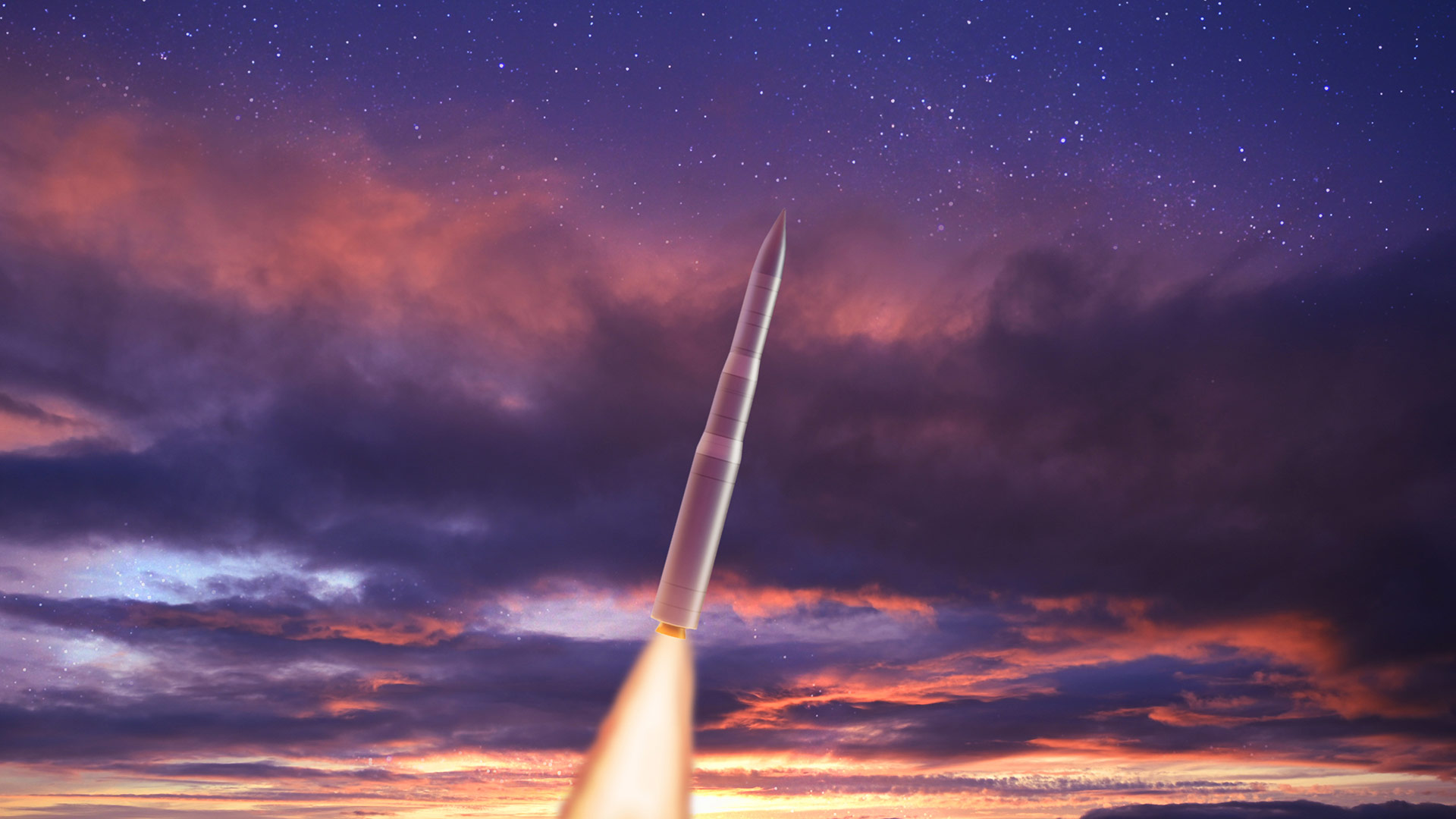
Lt. Gen. Andrew Gebara said that the Air Force’s plan to build fresh silos for the Sentinel ICBM will save time and cost, but that a small number may not fit on existing federal lands.
The Government Accountability Office’s annual weapon system assessment also found that the Air Force is moving to field a hypersonic attack cruise missile in 2027, despite delays driving a compressed flight testing schedule.
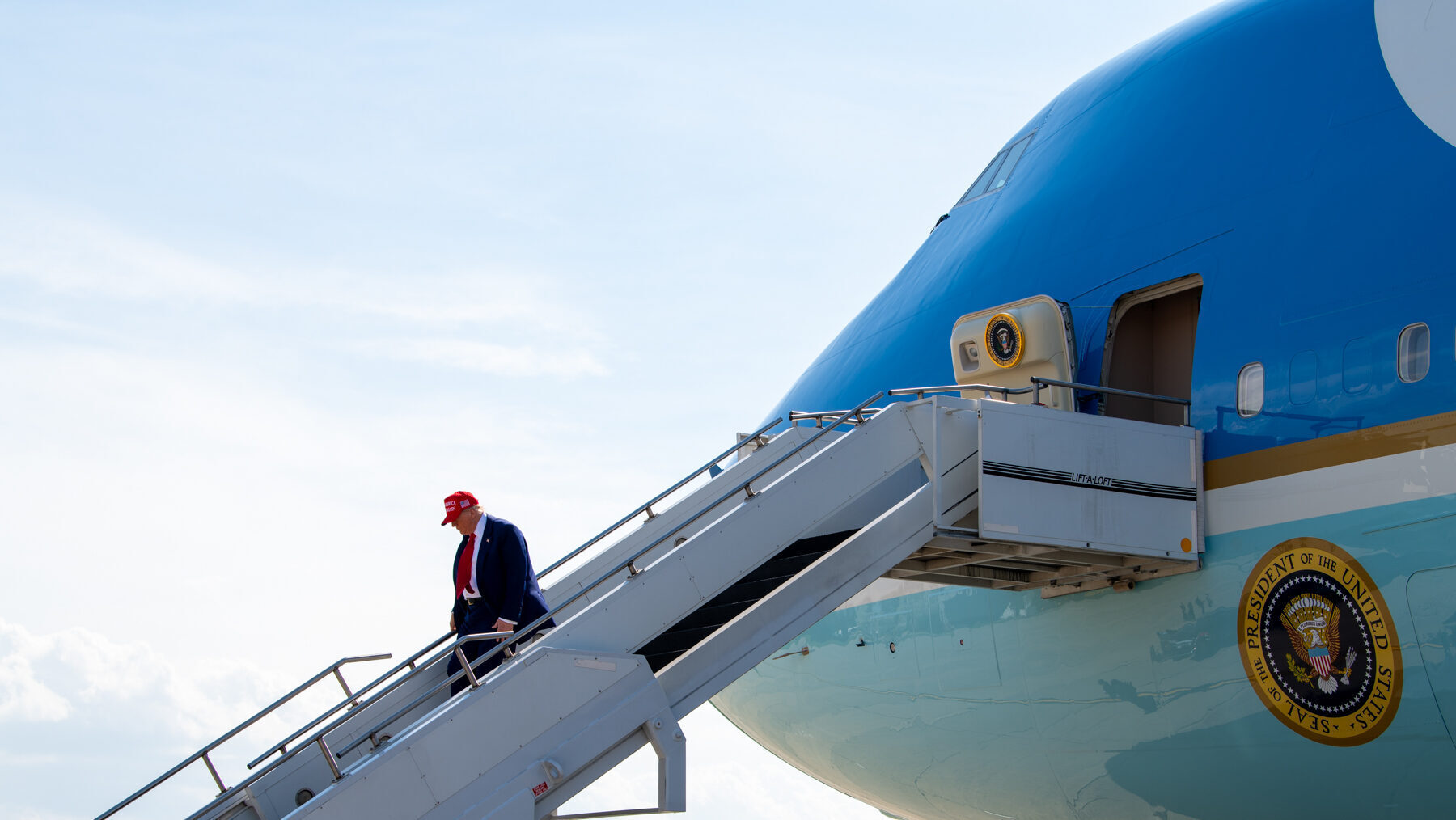
A separate Boeing project to integrate a new radar on the B-52 Stratofortress bomber has also suffered a cost breach, said Air Force official Darlene Costello.

Key schedule dates to integrate a new radar into the Air Force’s B-52 fleet could be delayed by as much as a year, and a separate effort to deploy a ground-based radar is also experiencing schedule slips, the Pentagon’s top weapons tester found in a new report.


Models that replicate real-world physics streamline design, testing and iteration processes.
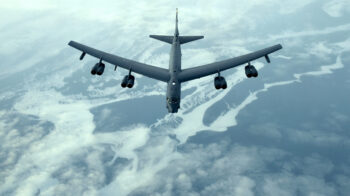
The company is expected to produce over 600 engines to breathe new life into the Air Force’s B-52 fleet, now expected to fly well into the 21st century.
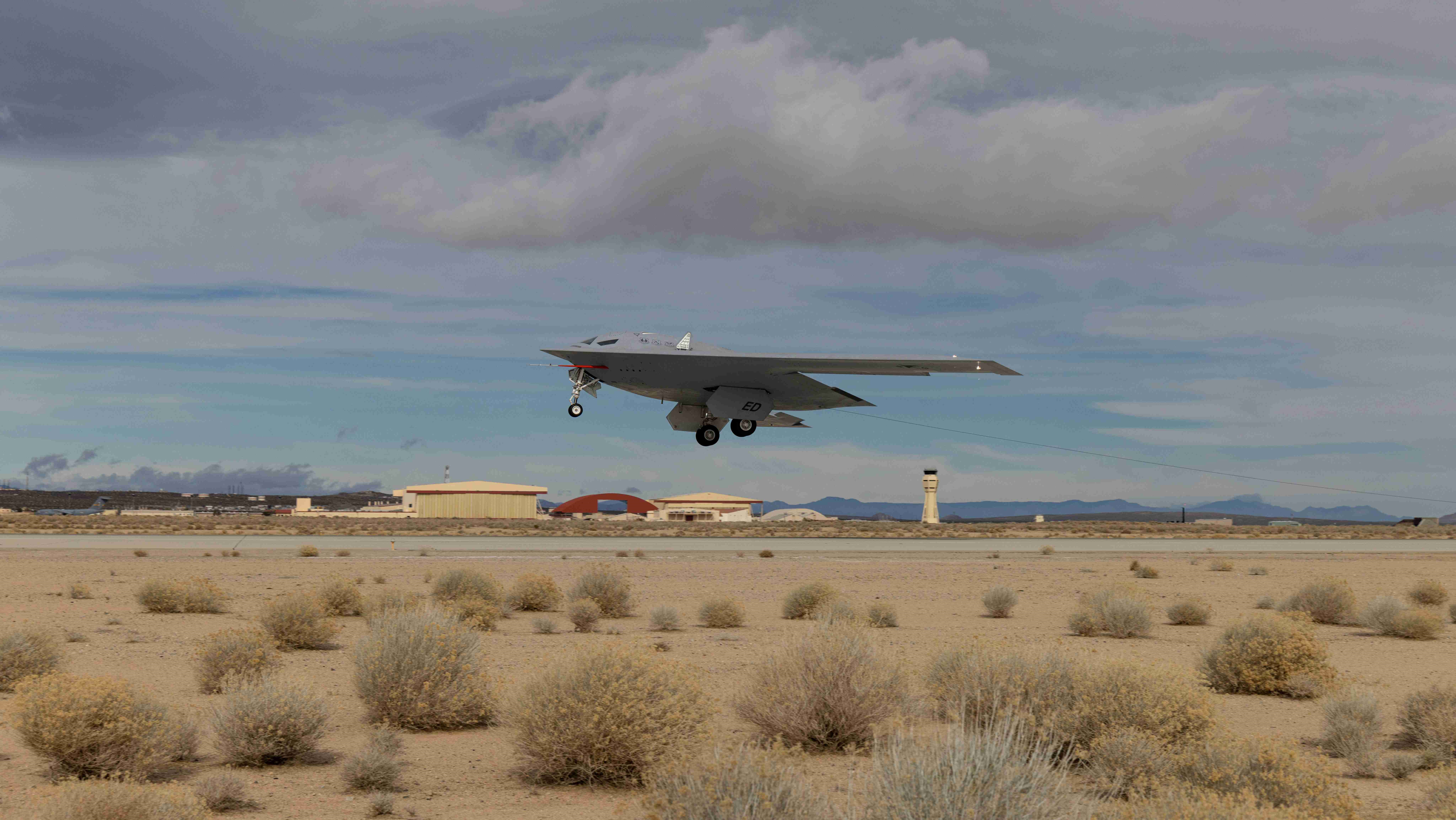
“We have 141 bombers in the inventory,” said Air Force Gen. Thomas Bussiere. “The demand signal for the bombers is greater than any time I’ve seen in my career, across the fabric of every geographic combatant command.”
The pricetag to put new engines on the decades-old bomber has jumped from $12.5 billion to $15 billion, while an effort to integrate a new radar has climbed to $3.3 billion from an original forecast of $2.3 billion, service officials revealed.

With only 20 bombers in the service’s fleet, that could translate to roughly $350 million in work per plane.